English

Lever
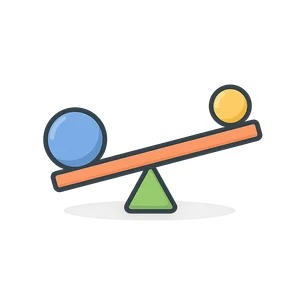
A simple machine consisting of a rigid bar that pivots around a fixed point called a fulcrum.
Reads at Grades 6–8 Listens at Grades 4–8
Print & create
Answer keys·No prep·Free with an account
28 worksheets · answer keys · full story · quiz · Ages 10-12 · CEFR B2
Plus adds 164,000+ more stories in 27 languages, audio for every one, and printables for all of them.
Just want Lever?
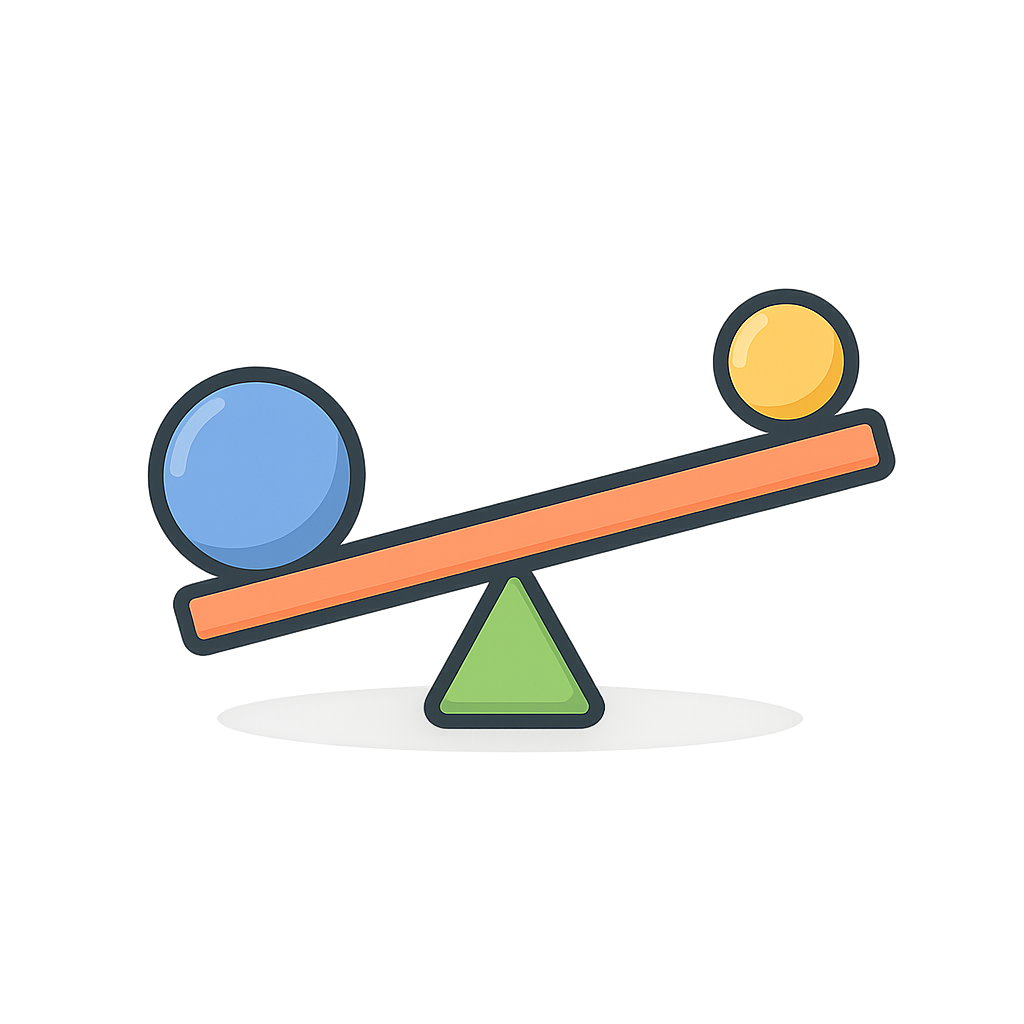
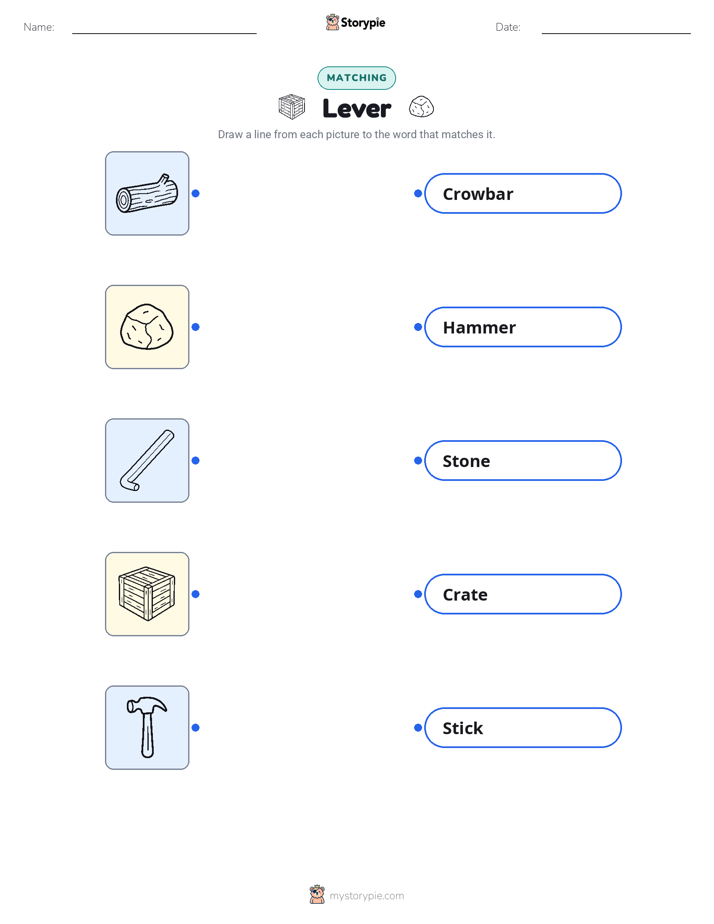
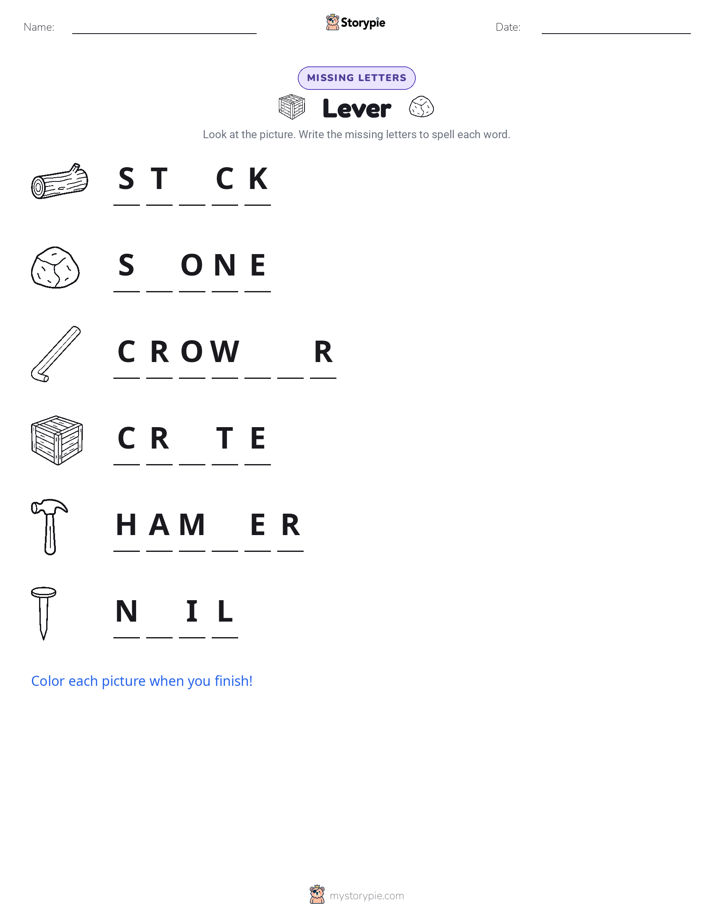
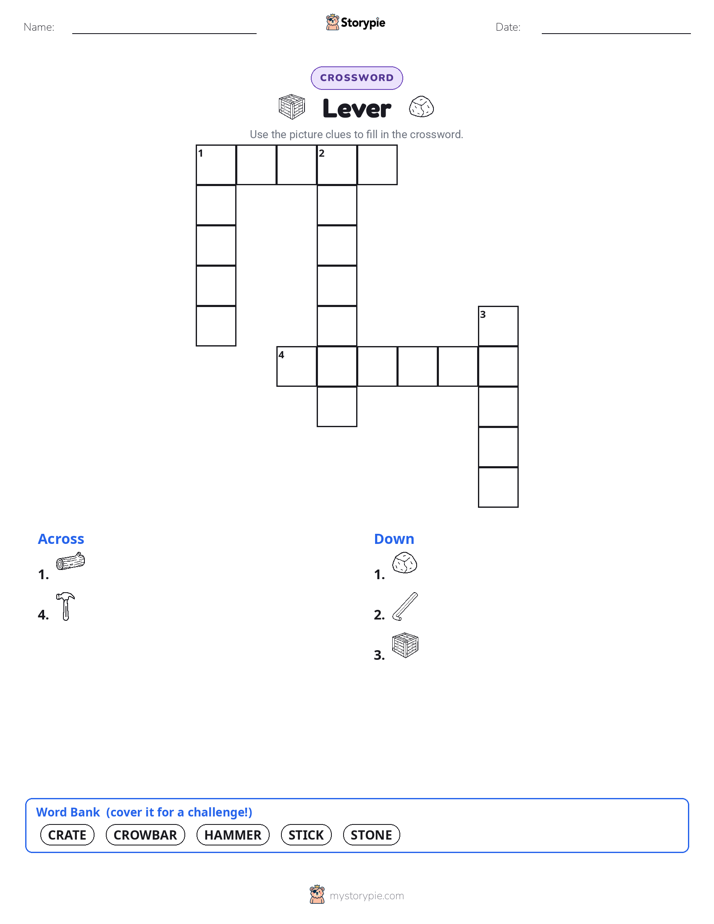
Have you ever tried to lift something super heavy, something that just won’t budge no matter how hard you push or pull? Imagine a giant rock in your backyard or a heavy log blocking a path. What if I told you that with a simple stick and a small stone, you could move that boulder? I’m the secret power that makes it possible. I’m there when you use a crowbar to pry open a stubborn wooden crate, concentrating all your effort into one tiny point to pop the lid free. I’m there when you use the claw of a hammer to pull out a nail, turning a small tap into a powerful pull. I’m the fun you feel on a seesaw, where a friend on the other side can lift you high into the air with just a little push from their legs. I don’t have muscles, but I can multiply your strength and make you feel like a superhero. I don’t have a voice, but I show people every day how to turn a small effort into a mighty result. I am a helper, a lifter, a force-multiplier hiding in plain sight, waiting in your toolbox, your kitchen drawer, and even inside your own body. You’ve used me hundreds of times without even knowing my name. I am the Lever.
My story began a very, very long time ago, before there were even written words to describe me. Imagine the fertile lands of Mesopotamia, near the Tigris and Euphrates rivers, around 5000 BCE. The sun was hot, and farmers needed to get water from the river to their thirsty crops, but lifting bucket after heavy bucket was exhausting work. That’s when they invented a clever tool called a shaduf. It was a long wooden pole balanced on a stand. On the short end, they tied a heavy rock or a big lump of clay as a counterweight. On the long end, they attached a rope and a bucket. With a gentle pull, a farmer could lower the bucket into the river, and the counterweight would do most of the work lifting the full, heavy bucket back up. It was me, in one of my earliest forms. A few thousand years later, around 2500 BCE, people in ancient Egypt were building the magnificent pyramids. While their exact methods remain a mystery, many historians believe my principle helped them. They likely used massive wooden beams to pry, push, and lift enormous stone blocks, some weighing more than an elephant, into place. But it wasn't until the 3rd century BCE that someone truly understood my power and wrote down the mathematical rules of how I work. His name was Archimedes, a brilliant Greek thinker from the city of Syracuse. He realized that with a long enough beam and a pivot point—he called it a fulcrum—you could move almost anything. The farther the effort is from the fulcrum, the more your force is multiplied. He was so confident in this principle that he famously said, 'Give me a place to stand, and I will move the Earth.' He wasn't being silly; he was explaining a profound truth about physics. With a long enough lever and a place to pivot it, my power is nearly limitless.
The Story of the Lever
Have you ever tried to lift something super heavy, something that just won’t budge no matter how hard you push or pull? Imagine a giant rock in your backyard or a heavy log blocking a path. What if I told you that with a simple stick and a small stone, you could move that boulder? I’m the secret power that makes it possible. I’m there when you use a crowbar to pry open a stubborn wooden crate, concentrating all your effort into one tiny point to pop the lid free. I’m there when you use the claw of a hammer to pull out a nail, turning a small tap into a powerful pull. I’m the fun you feel on a seesaw, where a friend on the other side can lift you high into the air with just a little push from their legs. I don’t have muscles, but I can multiply your strength and make you feel like a superhero. I don’t have a voice, but I show people every day how to turn a small effort into a mighty result. I am a helper, a lifter, a force-multiplier hiding in plain sight, waiting in your toolbox, your kitchen drawer, and even inside your own body. You’ve used me hundreds of times without even knowing my name. I am the Lever.
My story began a very, very long time ago, before there were even written words to describe me. Imagine the fertile lands of Mesopotamia, near the Tigris and Euphrates rivers, around 5000 BCE. The sun was hot, and farmers needed to get water from the river to their thirsty crops, but lifting bucket after heavy bucket was exhausting work. That’s when they invented a clever tool called a shaduf. It was a long wooden pole balanced on a stand. On the short end, they tied a heavy rock or a big lump of clay as a counterweight. On the long end, they attached a rope and a bucket. With a gentle pull, a farmer could lower the bucket into the river, and the counterweight would do most of the work lifting the full, heavy bucket back up. It was me, in one of my earliest forms. A few thousand years later, around 2500 BCE, people in ancient Egypt were building the magnificent pyramids. While their exact methods remain a mystery, many historians believe my principle helped them. They likely used massive wooden beams to pry, push, and lift enormous stone blocks, some weighing more than an elephant, into place. But it wasn't until the 3rd century BCE that someone truly understood my power and wrote down the mathematical rules of how I work. His name was Archimedes, a brilliant Greek thinker from the city of Syracuse. He realized that with a long enough beam and a pivot point—he called it a fulcrum—you could move almost anything. The farther the effort is from the fulcrum, the more your force is multiplied. He was so confident in this principle that he famously said, 'Give me a place to stand, and I will move the Earth.' He wasn't being silly; he was explaining a profound truth about physics. With a long enough lever and a place to pivot it, my power is nearly limitless.
Archimedes would be amazed to see all the places I show up today. I’m not just for lifting rocks or watering fields anymore. I am in your toolbox as a pair of pliers, where your small squeeze becomes a mighty grip. I am in your kitchen as a bottle opener, popping off a cap with a tiny lift, and as a pair of tongs, grabbing hot food with ease. A wheelbarrow is just me with a wheel for a fulcrum, making it simple to carry heavy loads of dirt or stone across the yard. When you row a boat, the oar is a lever pushing against the water to move you forward. Even parts of your own body work because of my principles. Your jaw is a lever, with the fulcrum at your joint, allowing you to bite down with incredible force. When you lift something, your elbow acts as a fulcrum for the lever of your forearm. I come in different 'classes' depending on where the fulcrum, the load, and the effort are located, but my job is always the same: to make work easier. From the tiniest pair of nail clippers to the giant cranes that build skyscrapers, I am a fundamental part of how your world is built and how it moves. So next time you use scissors to cut paper, play the piano, or even just open a door, give me a little nod. Remember that a simple idea, understood thousands of years ago, is still giving you a little bit of superpower every single day.
Wow facts
About
A simple machine consisting of a rigid bar that pivots around a fixed point called a fulcrum. It is used to multiply mechanical force, making it easier to lift heavy objects or apply pressure.
Take a Quiz
Question 1 of 5
In your own words, what is the main idea of this story?
Explore next


Want to do even more?
Go beyond exploring. Unlock tools that turn every story into real learning.

Storypie Plus for families
Full stories, quizzes, and printables. Nights and car rides, sorted.
- Unlimited audio stories
- Create Mode: your child stars in the story
- Offline downloads
- Printable worksheets & coloring pages

Why Storypie for Schools
Students engaged. Prep in seconds. Evenings back to you.
- Worksheets & Quizzes
- Classroom Management
- Formative Assessment
- Custom Curriculum & Lesson Plans
- 27 Languages

Why Storypie for Homeschool
Curriculum done. They'll ask for more. Hours back in your day.
- Worksheet Generator
- First-Person Audio Stories
- Built-in Comprehension Quizzes
- Custom Curriculum & Lesson Plans
- Print & Go Activities