English

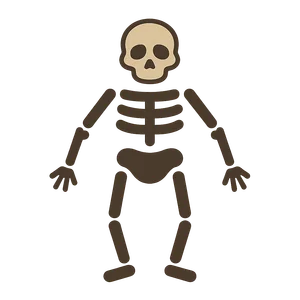
Lucy (fossil)
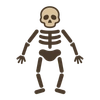
Lucy is the common name for a collection of fossilized bones representing 40 percent of a female skeleton of…
Reads at Grades 6–8 Listens at Grades 4–8
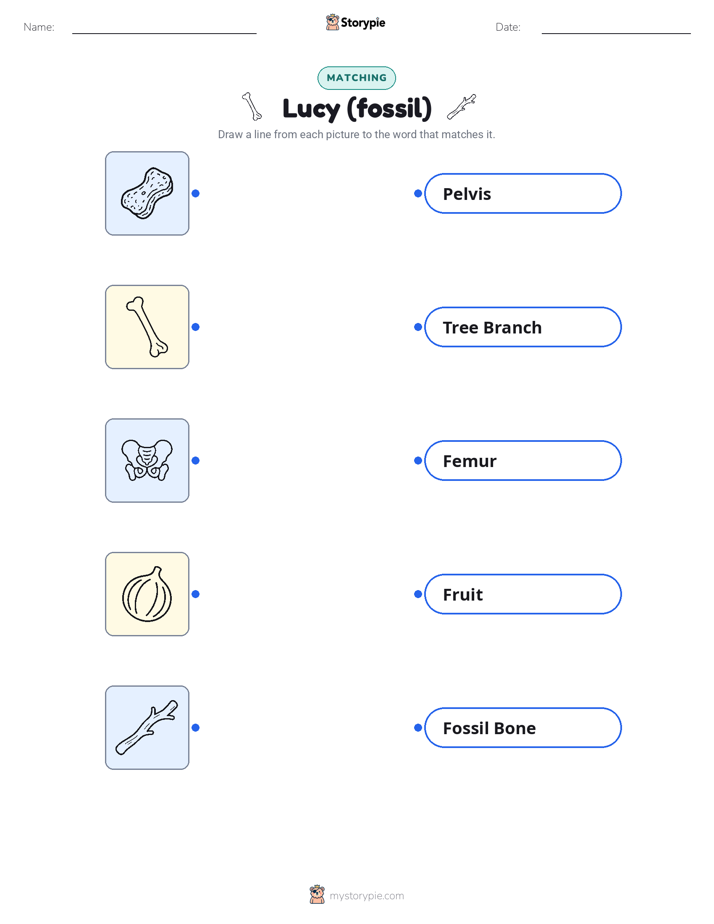
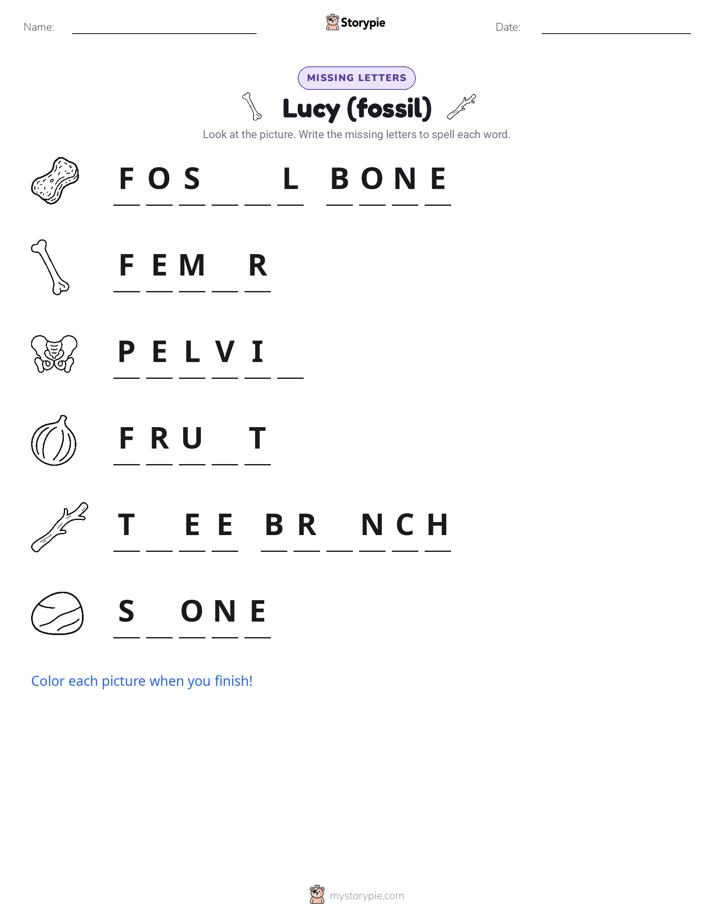
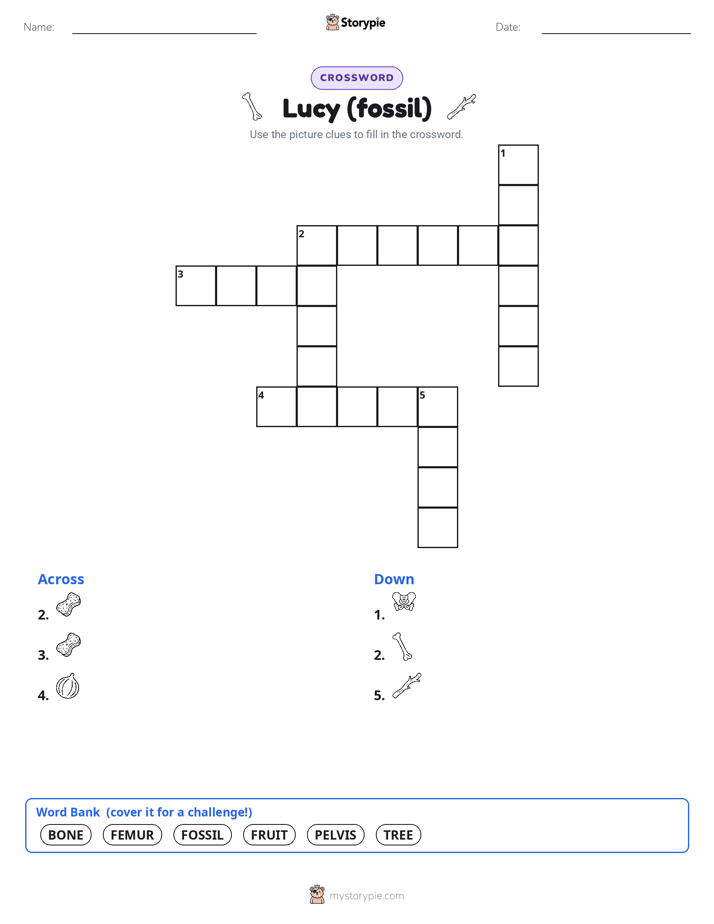
Print & create
Answer keys·No prep·Free with an account
28 worksheets · answer keys · full story · quiz · Ages 10-12 · CEFR B2
Plus adds 208,000+ more stories in 27 languages, audio for every one, and printables for all of them.
Just want Lucy (fossil)?
Before I had a name, I was a feeling. I was the warmth of the sun on my skin and the solid press of the earth beneath my two feet. For a time, I knew a world you would barely recognize, a world that existed 3.2 million years ago. The air in my home, in the place you now call Ethiopia, was filled with the sounds of animals long since vanished. I lived among woodlands that opened into wide savannas, and I was small, not much taller than a modern five-year-old. But there was something revolutionary about me and my family. While other creatures scrambled on four limbs, we walked upright. This new way of moving gave us a different view of the world, letting us see over the tall grasses and freeing our hands to carry food or our young. My life was full of these simple things: the search for ripe fruit, the comfort of my group, the watchfulness for predators. Then one day, it ended. A fall, perhaps into a stream, and then a sudden, deep quiet. Water and mud rushed over me, and the world went dark. As the centuries drifted by like silent, deep water, the earth held me in its embrace. Slowly, patiently, it replaced the marrow in my bones with minerals, turning me from flesh and bone into stone, preserving my shape for a future I could not possibly imagine.
For millions of years, I slept. Continents shifted, mountains rose, and ice ages came and went, but I remained locked in my stone cradle. Then, on a bright, sunny afternoon, on November 24th, 1974, something changed. I felt a disturbance, a gentle scraping, and then a sliver of sunlight touched me for the first time since my long-ago death. The light belonged to two curious humans. One was a paleoanthropologist named Donald Johanson, and the other was his sharp-eyed student, Tom Gray. They were scanning the sun-baked ravines of Hadar, their eyes trained to see the unusual. At first, they saw just a piece of my arm bone lying on the dusty slope. Finding a single hominin fossil is a rare and thrilling event, but what happened next was extraordinary. As they looked closer, they saw another piece, and then another. A piece of my skull. A femur. Part of my pelvis. A rib. Their careful searching revealed that these were not the scattered remains of many individuals, but dozens of bones from one single skeleton. Me. Their excitement was electric. They knew, in that instant, that they had found something monumental. That night, their camp was filled with celebration. A tape recorder played a popular song over and over again, 'Lucy in the Sky with Diamonds' by The Beatles. As the music filled the African night, I was given my new name. I became Lucy.
My Name is Dinkinesh
Before I had a name, I was a feeling. I was the warmth of the sun on my skin and the solid press of the earth beneath my two feet. For a time, I knew a world you would barely recognize, a world that existed 3.2 million years ago. The air in my home, in the place you now call Ethiopia, was filled with the sounds of animals long since vanished. I lived among woodlands that opened into wide savannas, and I was small, not much taller than a modern five-year-old. But there was something revolutionary about me and my family. While other creatures scrambled on four limbs, we walked upright. This new way of moving gave us a different view of the world, letting us see over the tall grasses and freeing our hands to carry food or our young. My life was full of these simple things: the search for ripe fruit, the comfort of my group, the watchfulness for predators. Then one day, it ended. A fall, perhaps into a stream, and then a sudden, deep quiet. Water and mud rushed over me, and the world went dark. As the centuries drifted by like silent, deep water, the earth held me in its embrace. Slowly, patiently, it replaced the marrow in my bones with minerals, turning me from flesh and bone into stone, preserving my shape for a future I could not possibly imagine.
For millions of years, I slept. Continents shifted, mountains rose, and ice ages came and went, but I remained locked in my stone cradle. Then, on a bright, sunny afternoon, on November 24th, 1974, something changed. I felt a disturbance, a gentle scraping, and then a sliver of sunlight touched me for the first time since my long-ago death. The light belonged to two curious humans. One was a paleoanthropologist named Donald Johanson, and the other was his sharp-eyed student, Tom Gray. They were scanning the sun-baked ravines of Hadar, their eyes trained to see the unusual. At first, they saw just a piece of my arm bone lying on the dusty slope. Finding a single hominin fossil is a rare and thrilling event, but what happened next was extraordinary. As they looked closer, they saw another piece, and then another. A piece of my skull. A femur. Part of my pelvis. A rib. Their careful searching revealed that these were not the scattered remains of many individuals, but dozens of bones from one single skeleton. Me. Their excitement was electric. They knew, in that instant, that they had found something monumental. That night, their camp was filled with celebration. A tape recorder played a popular song over and over again, 'Lucy in the Sky with Diamonds' by The Beatles. As the music filled the African night, I was given my new name. I became Lucy.
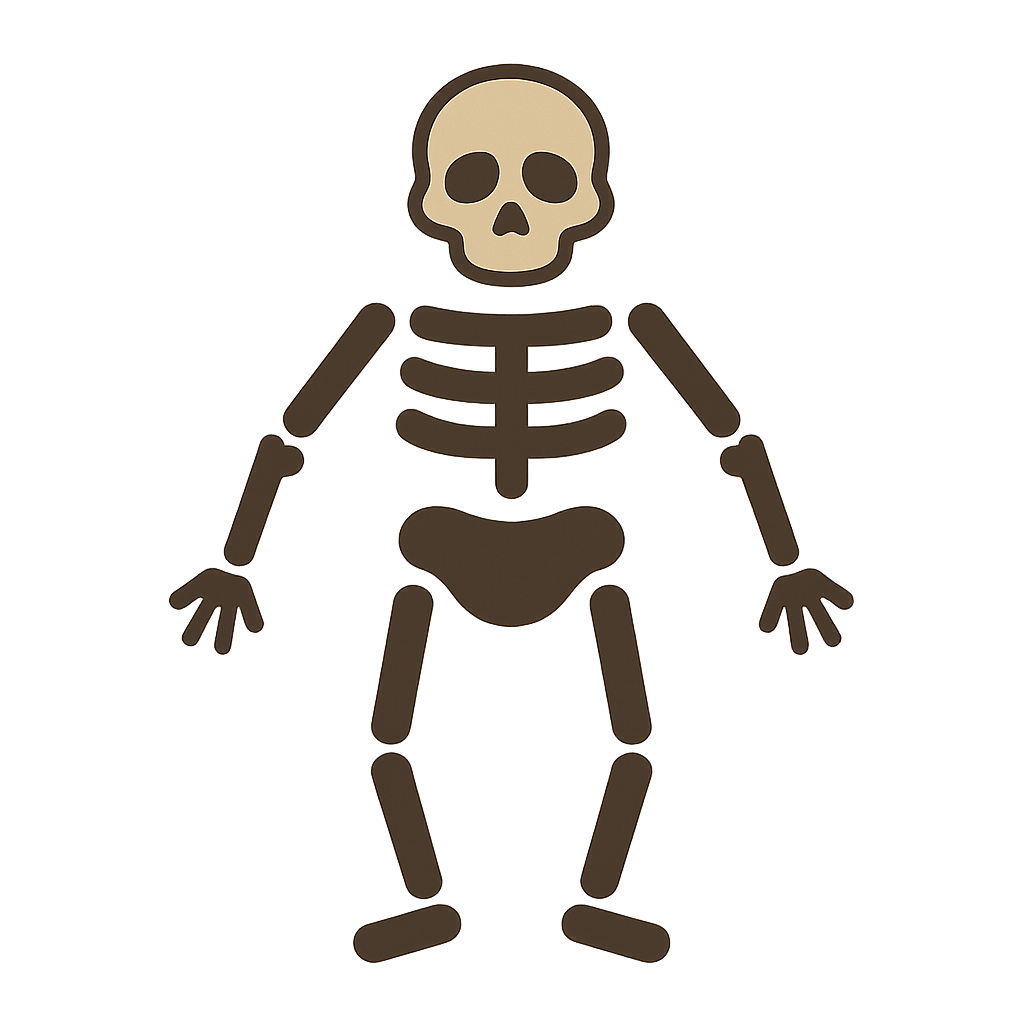
Being called Lucy gave me a new purpose. My bones were carefully excavated, wrapped, and transported to a museum to be studied. Scientists from around the world gathered to look at me, piecing me together like a precious, three-million-year-old puzzle. They only found about forty percent of my skeleton, but it was more than enough to tell an incredible story about the dawn of humankind. The most important secrets were hidden in my lower body. My pelvis was short and wide, much more like a modern human's than an ape's. My thigh bone, or femur, angled inward toward my knee. This combination of features was undeniable proof of something amazing: my species, which they named Australopithecus afarensis, walked upright. This discovery changed everything. Before I was found, many scientists believed that our ancestors' brains grew large first, and only then did they begin to walk on two legs. But I showed them the truth was the other way around. We were walking the earth long before our brains began to expand. Of course, I wasn't exactly like you. My long arms and the slight curve in my finger and toe bones were clues that my kind still spent time in the trees, perhaps to sleep or escape from danger. While the world came to know me as Lucy, I was also given a formal scientific name, AL 288-1, and a beautiful Ethiopian name, Dinkinesh, which in the Amharic language means 'you are marvelous.'
I am not your great-great-great-grandmother in a direct line. The human family tree is vast and branching, not a straight ladder. But I am one of your most famous ancient relatives, a window into a time when the story of what it means to be human was just beginning. I represent a pivotal moment in evolution, that incredible step toward walking on two feet that set our lineage on a new path. It fills me with a kind of stony pride to know that my bones helped answer one of your biggest questions about your own origins. My story is a testament to patience, both my long, silent wait and the patient work of the scientists who found and understood me. The earth still holds countless secrets just like me, waiting under layers of dust and time. I hope my story reminds you that by looking down at the ground with curiosity and wonder, you can uncover the most amazing stories about the past. And in learning about where you came from, you can better understand your own marvelous place in the world today.
Wow facts
About
Lucy is the common name for a collection of fossilized bones representing 40 percent of a female skeleton of the hominin species Australopithecus afarensis, discovered in 1974 in Ethiopia.
Take a Quiz
Question 1 of 5
What is the main idea of the section 'The Secrets My Bones Told'?
Explore next





Want to do even more?
Go beyond exploring. Unlock tools that turn every story into real learning.

Storypie Plus for families
Full stories, quizzes, and printables. Nights and car rides, sorted.
- Unlimited audio stories
- Create Mode: your child stars in the story
- Offline downloads
- Printable worksheets & coloring pages

Why Storypie for Schools
Students engaged. Prep in seconds. Evenings back to you.
- Worksheets & Quizzes
- Classroom Management
- Formative Assessment
- Custom Curriculum & Lesson Plans
- 27 Languages

Why Storypie for Homeschool
Curriculum done. They'll ask for more. Hours back in your day.
- Worksheet Generator
- First-Person Audio Stories
- Built-in Comprehension Quizzes
- Custom Curriculum & Lesson Plans
- Print & Go Activities