English

Metamorphosis
Metamorphosis is a biological process by which an animal physically develops after birth or hatching…
Reads at Grades 3–5 Listens at Grades 1–5
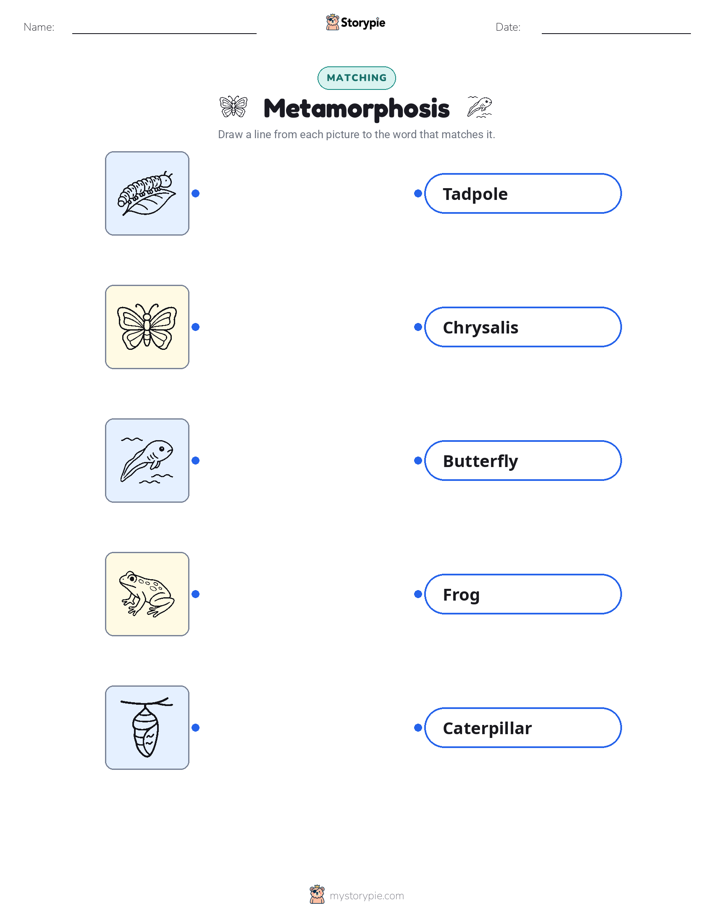
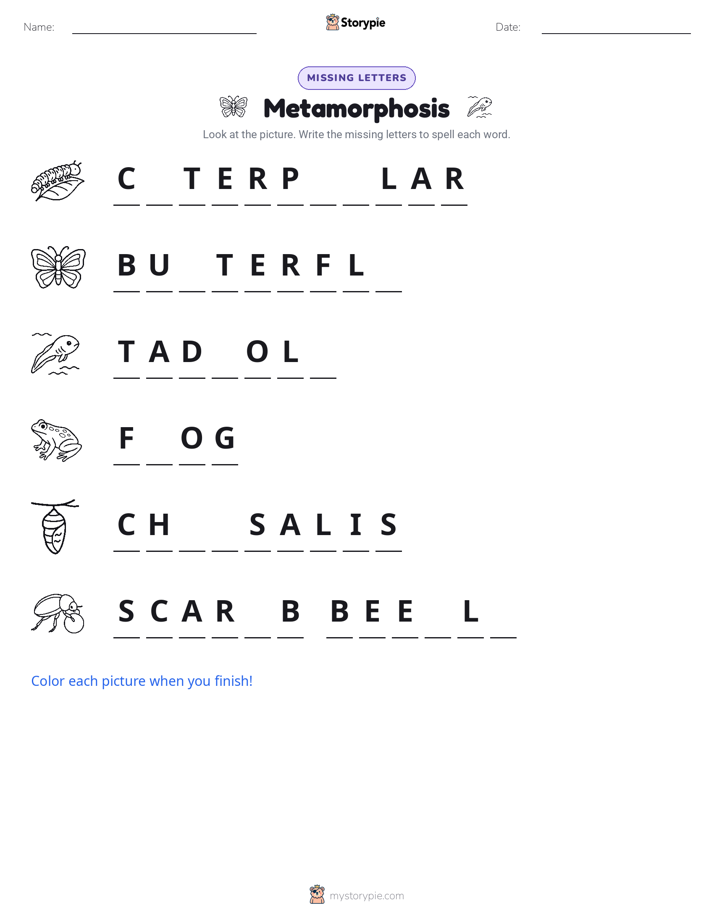
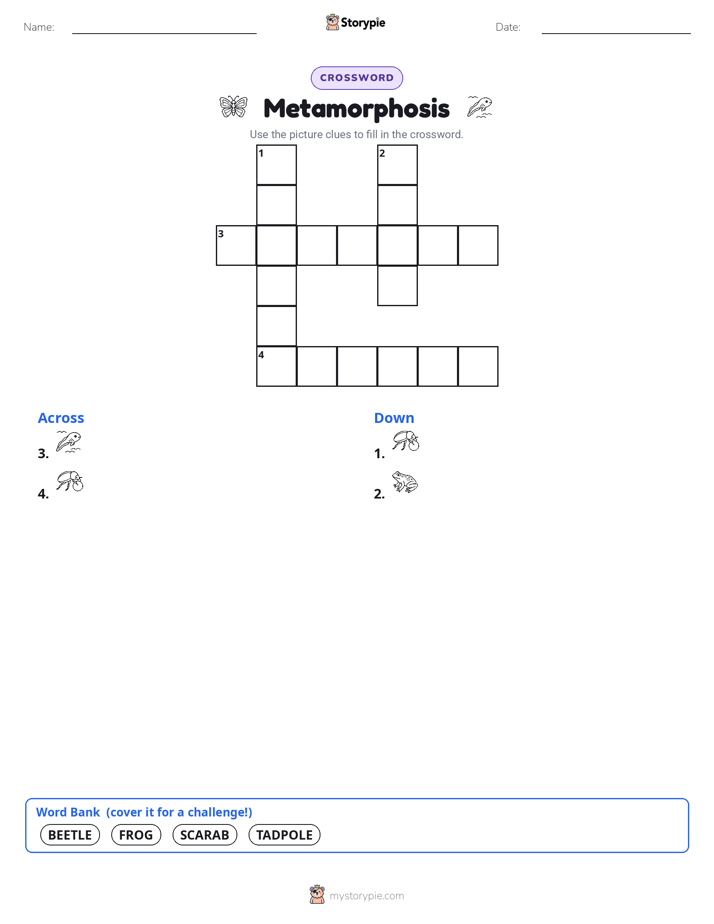
Print & create
Answer keys·No prep·Free with an account
28 worksheets · answer keys · full story · quiz · Ages 8-10 · CEFR B1
Plus adds 164,000+ more stories in 27 languages, audio for every one, and printables for all of them.
Just want Metamorphosis?
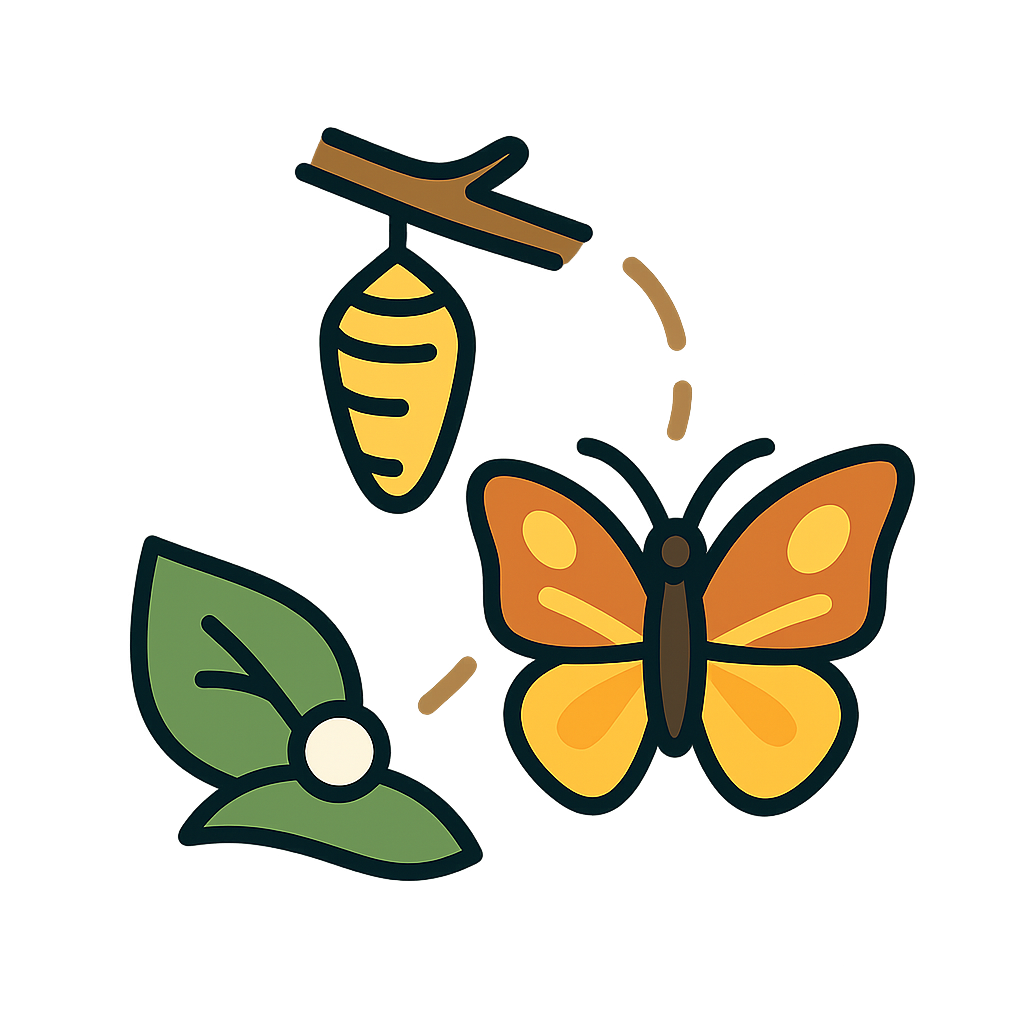
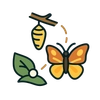
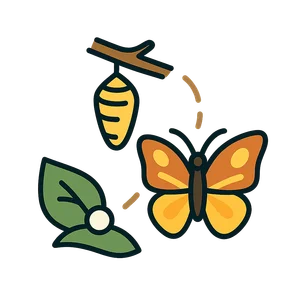
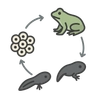
Have you ever watched a fuzzy caterpillar munching on a leaf and wondered where it goes. It seems to vanish inside a little case, a chrysalis, only to push its way out later as a beautiful butterfly with wings like stained glass. Or have you seen a tiny, wiggling tadpole in a pond, swimming with its fish-like tail, and then watched as it slowly grew legs, lost its tail, and hopped onto a lily pad as a frog. It feels like magic, doesn't it. It seems impossible that one creature could become something so completely different. But I am the secret behind that magic. I am the blueprint, the special set of instructions that guides that amazing journey from one form to another. I am the quiet artist that reshapes and rebuilds, turning a crawler into a flier and a swimmer into a hopper. Can you guess who I am. I am the secret plan for that incredible change. Hello, I am Metamorphosis.
For thousands of years, people have watched me work and felt a sense of wonder. Long ago, around 3000 BCE in ancient Egypt, people saw scarab beetles rolling little balls of dung and burying them, only to see new beetles emerge from the ground later. To them, this was a powerful symbol of rebirth and new life, a sign that life always finds a way to begin again. They didn't have microscopes or science books, but they could see my power with their own eyes. Much later, a wise man in ancient Greece named Aristotle, who lived in the 4th century BCE, became one of the first people to be a true nature detective. He sat patiently and watched insects, carefully writing down the stages he saw as a caterpillar changed into a pupa, and then into a butterfly. He was making a map of my secret process. For a long, long time, people still thought it was a kind of magic, that the caterpillar died and a new butterfly was born from its remains. But then came a time of amazing new tools. In the 17th century, the invention of the microscope changed everything. A curious scientist from the Netherlands named Jan Swammerdam used one of these amazing new tools in the 1660s. He looked closer than anyone had before. He carefully studied the inside of a pupa and proved that the butterfly wasn't a new creature at all. Instead, he saw the tiny, folded-up wings and legs of the butterfly developing right there inside. He showed the world that the caterpillar and the butterfly were the very same animal, just in a different outfit. A few decades later, a brave and talented artist named Maria Sibylla Merian traveled all the way to South America. In her book from 1705, she published beautiful, colorful, and incredibly detailed drawings. She didn't just draw the butterfly; she drew the caterpillar on its favorite plant, the chrysalis hanging from a leaf, and the final, winged adult. She showed my entire story in one picture, and for the first time, people everywhere could truly see how I worked from beginning to end.
The Secret of Change
Have you ever watched a fuzzy caterpillar munching on a leaf and wondered where it goes. It seems to vanish inside a little case, a chrysalis, only to push its way out later as a beautiful butterfly with wings like stained glass. Or have you seen a tiny, wiggling tadpole in a pond, swimming with its fish-like tail, and then watched as it slowly grew legs, lost its tail, and hopped onto a lily pad as a frog. It feels like magic, doesn't it. It seems impossible that one creature could become something so completely different. But I am the secret behind that magic. I am the blueprint, the special set of instructions that guides that amazing journey from one form to another. I am the quiet artist that reshapes and rebuilds, turning a crawler into a flier and a swimmer into a hopper. Can you guess who I am. I am the secret plan for that incredible change. Hello, I am Metamorphosis.
For thousands of years, people have watched me work and felt a sense of wonder. Long ago, around 3000 BCE in ancient Egypt, people saw scarab beetles rolling little balls of dung and burying them, only to see new beetles emerge from the ground later. To them, this was a powerful symbol of rebirth and new life, a sign that life always finds a way to begin again. They didn't have microscopes or science books, but they could see my power with their own eyes. Much later, a wise man in ancient Greece named Aristotle, who lived in the 4th century BCE, became one of the first people to be a true nature detective. He sat patiently and watched insects, carefully writing down the stages he saw as a caterpillar changed into a pupa, and then into a butterfly. He was making a map of my secret process. For a long, long time, people still thought it was a kind of magic, that the caterpillar died and a new butterfly was born from its remains. But then came a time of amazing new tools. In the 17th century, the invention of the microscope changed everything. A curious scientist from the Netherlands named Jan Swammerdam used one of these amazing new tools in the 1660s. He looked closer than anyone had before. He carefully studied the inside of a pupa and proved that the butterfly wasn't a new creature at all. Instead, he saw the tiny, folded-up wings and legs of the butterfly developing right there inside. He showed the world that the caterpillar and the butterfly were the very same animal, just in a different outfit. A few decades later, a brave and talented artist named Maria Sibylla Merian traveled all the way to South America. In her book from 1705, she published beautiful, colorful, and incredibly detailed drawings. She didn't just draw the butterfly; she drew the caterpillar on its favorite plant, the chrysalis hanging from a leaf, and the final, winged adult. She showed my entire story in one picture, and for the first time, people everywhere could truly see how I worked from beginning to end.
My work might look like a magic trick, but it’s really a clever plan for survival. Each stage of a creature’s life is perfectly designed for a different job. A tadpole is built for life in the water, breathing through gills and eating algae. But as a frog, it can hop onto land, breathe air, and catch insects. A caterpillar’s only job is to eat and grow, but as a butterfly, its job is to fly from flower to flower, sipping nectar and helping the plants create new seeds. I give creatures the ability to live in two different worlds and do two different jobs during their one life. And you know what. You have your own kind of metamorphosis, too. Think about when you first learned to read. The letters were just strange shapes, but slowly, you learned what they meant, and suddenly a whole new world of stories opened up to you. You transformed from someone who saw shapes into a reader. Every time you learn a new skill, whether it’s riding a bike, solving a math problem, or making a new friend, you are changing and growing. I am a reminder that big, wonderful changes are always happening, inside of caterpillars and inside of you. I am the proof that everyone is constantly transforming in their own amazing ways.
Wow facts
About
Metamorphosis is a biological process by which an animal physically develops after birth or hatching, involving a conspicuous and relatively abrupt change in the animal's body structure.
Take a Quiz
Question 1 of 5
In the story, Metamorphosis calls itself the 'secret artist' behind the changes. What does the word 'artist' mean in this sentence?
Explore next

Want to do even more?
Go beyond exploring. Unlock tools that turn every story into real learning.

Storypie Plus for families
Full stories, quizzes, and printables. Nights and car rides, sorted.
- Unlimited audio stories
- Create Mode: your child stars in the story
- Offline downloads
- Printable worksheets & coloring pages

Why Storypie for Schools
Students engaged. Prep in seconds. Evenings back to you.
- Worksheets & Quizzes
- Classroom Management
- Formative Assessment
- Custom Curriculum & Lesson Plans
- 27 Languages

Why Storypie for Homeschool
Curriculum done. They'll ask for more. Hours back in your day.
- Worksheet Generator
- First-Person Audio Stories
- Built-in Comprehension Quizzes
- Custom Curriculum & Lesson Plans
- Print & Go Activities