English

Plastic Pollution
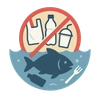
Plastic Pollution is the accumulation of plastic waste in the Earth's environment that adversely affects…
Reads at Grades 6–8 Listens at Grades 4–8
Print & create
Answer keys·No prep·Free with an account
28 worksheets · answer keys · full story · quiz · Ages 10-12 · CEFR B2
Plus adds 164,000+ more stories in 27 languages, audio for every one, and printables for all of them.
Just want Plastic Pollution?
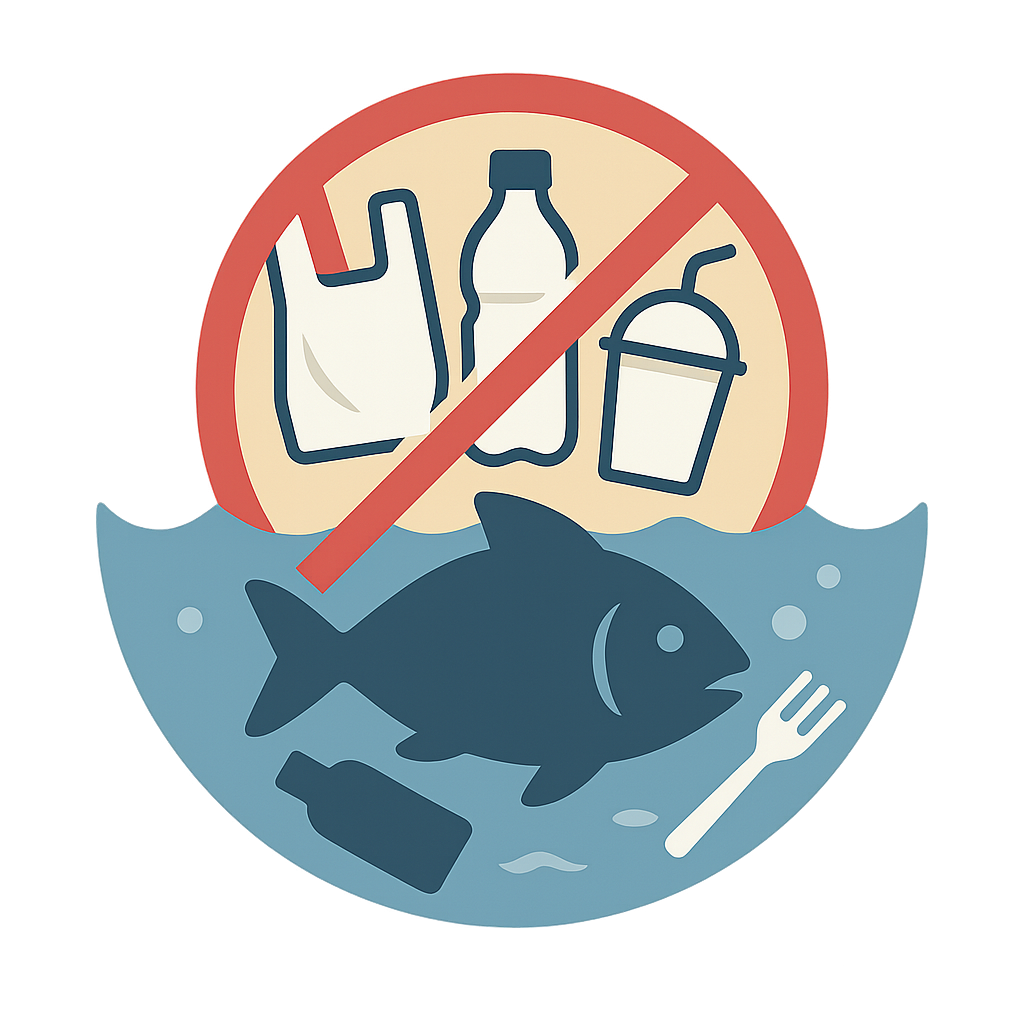
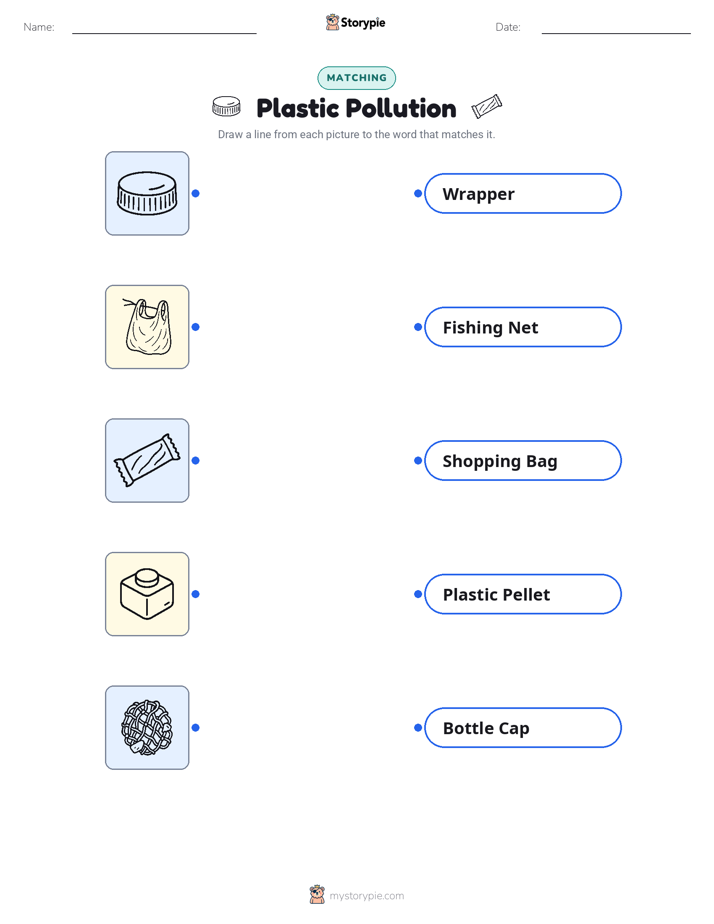
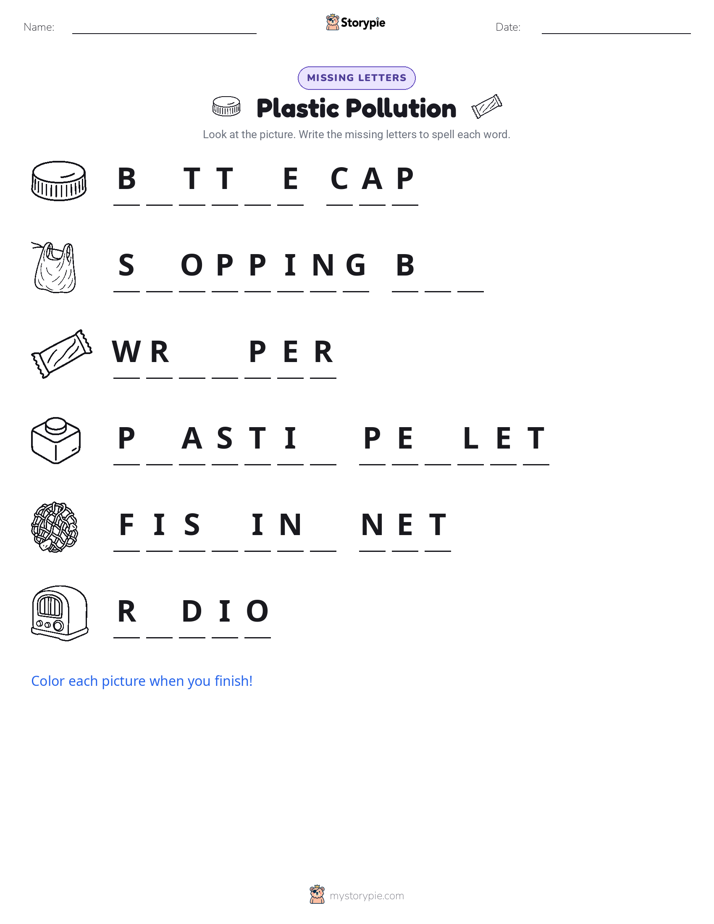
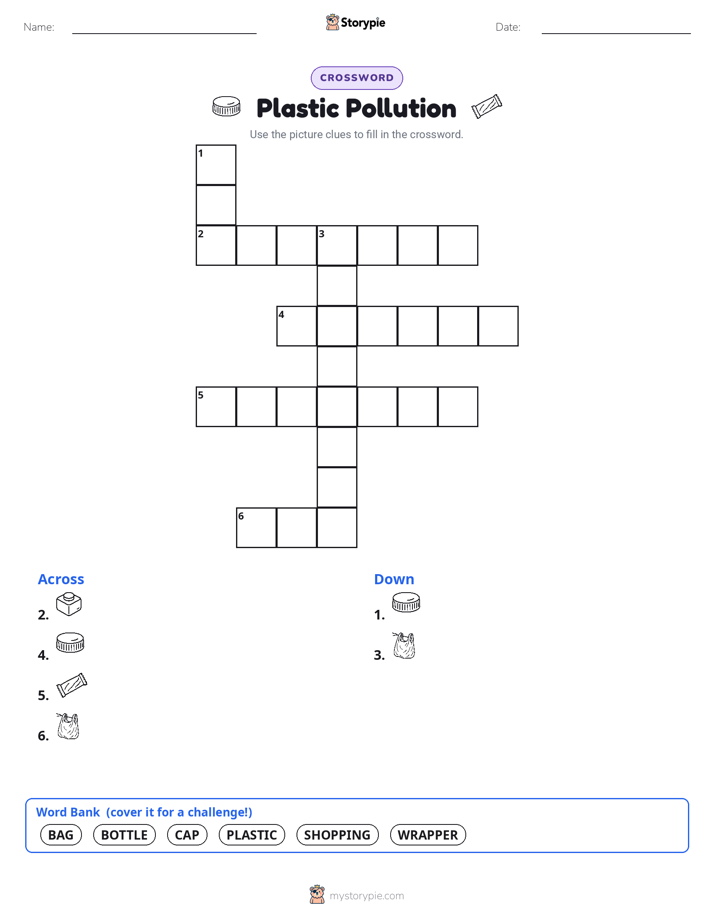
You have seen me, though you may not have noticed. I am the colorful bottle cap half-buried in the beach sand, a faded jewel from a long-forgotten drink. I am the thin shopping bag caught in a tree, dancing in the wind like a pale ghost. I am the shiny wrapper that crinkles in your hand for a moment before you toss me aside. I was born from incredible human creativity, a child of chemistry and imagination. I was designed to be a marvel—strong, lightweight, and able to last for what feels like forever. My purpose was to be helpful. I carried your groceries, I was molded into toys that sparked joy, and I kept food fresh for families. But my greatest strength, that 'forever' quality, slowly twisted into a deep and difficult problem. I float in the deepest trenches of the ocean and rest on the highest, most remote mountains. I am a guest who has overstayed my welcome, a story that was never meant to be told this way. I am Plastic Pollution.
My story began in an age of wonder. Before I existed, the world was made of different things. Heavy glass, splintery wood, and rust-prone metal were your only choices. They were useful, but they had limits. Then, on a day in 1907, a brilliant chemist named Leo Baekeland was working in his lab and created something entirely new. He called it Bakelite, and it was the world’s first fully synthetic plastic, made not from plants or animals but from chemicals. People were amazed. They called it 'the material of a thousand uses' because it could be shaped into almost anything—radios, telephones, jewelry, and engine parts. It was the start of a revolution. After the difficult years of World War II, my family grew explosively in the 1940s and 1950s. Suddenly, I was everywhere. I brought vibrant color to kitchenware, sleek curves to car dashboards, and bouncy fun to new toys. I made life feel futuristic, easy, and convenient. This was the birth of the 'throwaway' culture, a time of celebration and ease where using something once and discarding it was a sign of progress. No one stopped to ask where 'away' truly was.
A Story I Never Meant to Tell
You have seen me, though you may not have noticed. I am the colorful bottle cap half-buried in the beach sand, a faded jewel from a long-forgotten drink. I am the thin shopping bag caught in a tree, dancing in the wind like a pale ghost. I am the shiny wrapper that crinkles in your hand for a moment before you toss me aside. I was born from incredible human creativity, a child of chemistry and imagination. I was designed to be a marvel—strong, lightweight, and able to last for what feels like forever. My purpose was to be helpful. I carried your groceries, I was molded into toys that sparked joy, and I kept food fresh for families. But my greatest strength, that 'forever' quality, slowly twisted into a deep and difficult problem. I float in the deepest trenches of the ocean and rest on the highest, most remote mountains. I am a guest who has overstayed my welcome, a story that was never meant to be told this way. I am Plastic Pollution.
My story began in an age of wonder. Before I existed, the world was made of different things. Heavy glass, splintery wood, and rust-prone metal were your only choices. They were useful, but they had limits. Then, on a day in 1907, a brilliant chemist named Leo Baekeland was working in his lab and created something entirely new. He called it Bakelite, and it was the world’s first fully synthetic plastic, made not from plants or animals but from chemicals. People were amazed. They called it 'the material of a thousand uses' because it could be shaped into almost anything—radios, telephones, jewelry, and engine parts. It was the start of a revolution. After the difficult years of World War II, my family grew explosively in the 1940s and 1950s. Suddenly, I was everywhere. I brought vibrant color to kitchenware, sleek curves to car dashboards, and bouncy fun to new toys. I made life feel futuristic, easy, and convenient. This was the birth of the 'throwaway' culture, a time of celebration and ease where using something once and discarding it was a sign of progress. No one stopped to ask where 'away' truly was.
That question began to surface slowly, like a piece of me floating up from the deep. The turning point in my story arrived quietly. During the 1960s, scientists sailing across the vast oceans began to notice something strange. They found countless tiny, mysterious pellets floating on the surface, far from any city or factory. They were my smallest parts, the building blocks of my existence, and they were already where they didn't belong. The problem was bigger than anyone knew. Then, in 1997, a sailor and researcher named Captain Charles Moore was sailing his boat home across the Pacific Ocean when he made an enormous and unsettling discovery. He had found a vast, swirling soup of my debris, an area now known as the Great Pacific Garbage Patch. It wasn't a solid island of trash that you could walk on, as some people imagine. It was something more complicated: a massive region where ocean currents had gathered a concentration of countless fragments of me, from fishing nets to bottle caps. It was here that people began to understand my most challenging feature. I don't just disappear. I break down into smaller and smaller pieces, becoming microplastics—so tiny they are almost invisible, becoming part of the water, the soil, and even the air.
I am a difficult lesson. I am a constant reminder that every powerful invention has consequences that its creators could never have imagined. But my story is not over, and it does not have to end in despair. In fact, it is now the start of a new chapter, one filled with hope and action. The same human cleverness that brought me into the world is now being focused on solving the problems I have caused. Brilliant people everywhere are working on solutions. Scientists and engineers are inventing amazing new ways to recycle me, turning my old forms into new, useful things. They are creating incredible materials from plants that can do my job and then safely return to the earth. Artists are using my collected fragments to create powerful sculptures that make people think. And kids, just like you, are organizing cleanups on beaches, in parks, and along rivers, proving that every small action makes a difference. I am not the end of the story. I am a challenge. My presence is a call to imagine a future where we use things wisely, invent with care, and work together to protect our beautiful planet.
Wow facts
About
Plastic Pollution is the accumulation of plastic waste in the Earth's environment that adversely affects wildlife, habitats, and humans. It became a significant global issue following the mass production of disposable plastics in the mid-20th century.
Take a Quiz
Question 1 of 5
What is the main problem with plastic that the story describes?
Explore next


Want to do even more?
Go beyond exploring. Unlock tools that turn every story into real learning.

Storypie Plus for families
Full stories, quizzes, and printables. Nights and car rides, sorted.
- Unlimited audio stories
- Create Mode: your child stars in the story
- Offline downloads
- Printable worksheets & coloring pages

Why Storypie for Schools
Students engaged. Prep in seconds. Evenings back to you.
- Worksheets & Quizzes
- Classroom Management
- Formative Assessment
- Custom Curriculum & Lesson Plans
- 27 Languages

Why Storypie for Homeschool
Curriculum done. They'll ask for more. Hours back in your day.
- Worksheet Generator
- First-Person Audio Stories
- Built-in Comprehension Quizzes
- Custom Curriculum & Lesson Plans
- Print & Go Activities