English

Potato
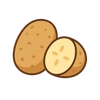
The potato is a starchy tuber from the nightshade family Solanum tuberosum…
Reads at Grades 6–8 Listens at Grades 4–8
Print & create
Answer keys·No prep·Free with an account
28 worksheets · answer keys · full story · quiz · Ages 10-12 · CEFR B2
Plus adds 164,000+ more stories in 27 languages, audio for every one, and printables for all of them.
Just want Potato?
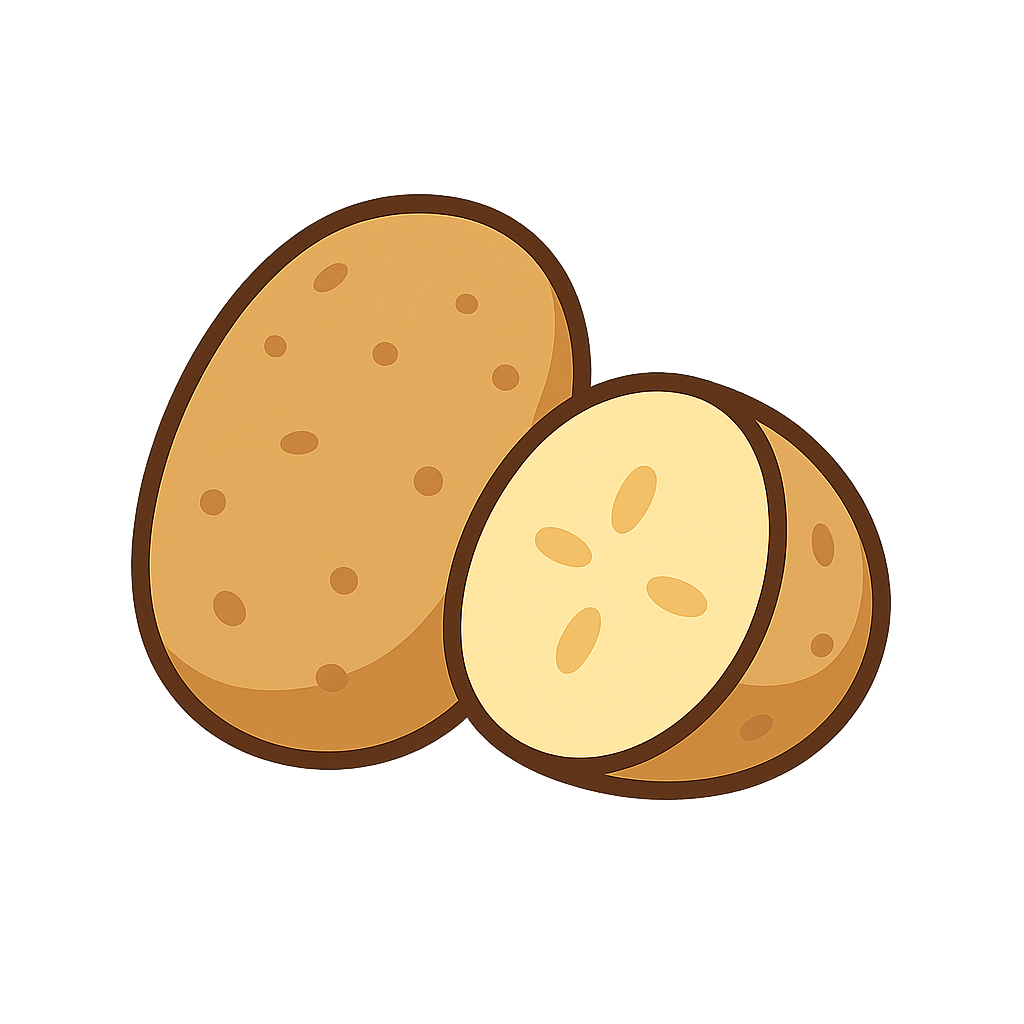
Before you knew my name, you only knew my home: the cool, quiet dark beneath the earth. I am lumpy and bumpy, covered in a thin, dusty skin. To look at me, you might not think much. I am not a bright red apple or a sweet, juicy berry. I am plain, unassuming, and often overlooked. But within my simple form lies a world of possibility. I can become a fluffy, buttery cloud of mash. I can be sliced thin and fried into a golden, salty crisp. I can be roasted until my skin is crackly and my inside is soft, or boiled into a comforting soup on a cold day. For thousands of years, I held these secrets within me, waiting for people to discover the treasure hiding just beneath the soil. I am a traveler, a survivor, and a friend to millions. I am the Potato.
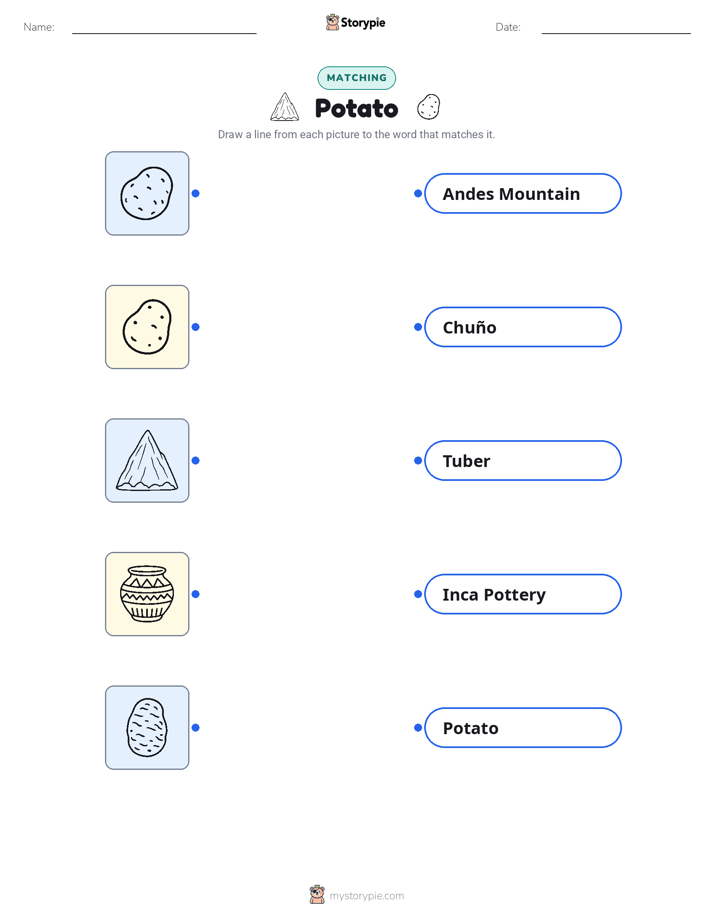
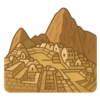
My story begins not in a farmer’s field in Europe or America, but high in the Andes Mountains of South America, a very long time ago. Between 8,000 BCE and 5,000 BCE, ancient hunter-gatherers living in the rocky highlands were the first to see my potential. They found my wild ancestors and learned how to cultivate me, transforming me from a small, bitter tuber into the nourishing food I am today. Thousands of years later, the great Inca civilization, which flourished from the 13th to the 16th century, became my master cultivators. They didn’t just grow one or two types of me; they grew thousands of varieties, in every shape and color you can imagine—purple, red, yellow, and blue. They understood that I was the key to their survival in the harsh mountain environment. They even developed a brilliant method of preserving me by repeatedly freezing and drying me in the cold mountain air. This created a lightweight, long-lasting food called 'chuño' that could be stored for years, ensuring they would never go hungry, even when harvests were poor.
The Humble Tuber's Tale
Before you knew my name, you only knew my home: the cool, quiet dark beneath the earth. I am lumpy and bumpy, covered in a thin, dusty skin. To look at me, you might not think much. I am not a bright red apple or a sweet, juicy berry. I am plain, unassuming, and often overlooked. But within my simple form lies a world of possibility. I can become a fluffy, buttery cloud of mash. I can be sliced thin and fried into a golden, salty crisp. I can be roasted until my skin is crackly and my inside is soft, or boiled into a comforting soup on a cold day. For thousands of years, I held these secrets within me, waiting for people to discover the treasure hiding just beneath the soil. I am a traveler, a survivor, and a friend to millions. I am the Potato.
My story begins not in a farmer’s field in Europe or America, but high in the Andes Mountains of South America, a very long time ago. Between 8,000 BCE and 5,000 BCE, ancient hunter-gatherers living in the rocky highlands were the first to see my potential. They found my wild ancestors and learned how to cultivate me, transforming me from a small, bitter tuber into the nourishing food I am today. Thousands of years later, the great Inca civilization, which flourished from the 13th to the 16th century, became my master cultivators. They didn’t just grow one or two types of me; they grew thousands of varieties, in every shape and color you can imagine—purple, red, yellow, and blue. They understood that I was the key to their survival in the harsh mountain environment. They even developed a brilliant method of preserving me by repeatedly freezing and drying me in the cold mountain air. This created a lightweight, long-lasting food called 'chuño' that could be stored for years, ensuring they would never go hungry, even when harvests were poor.
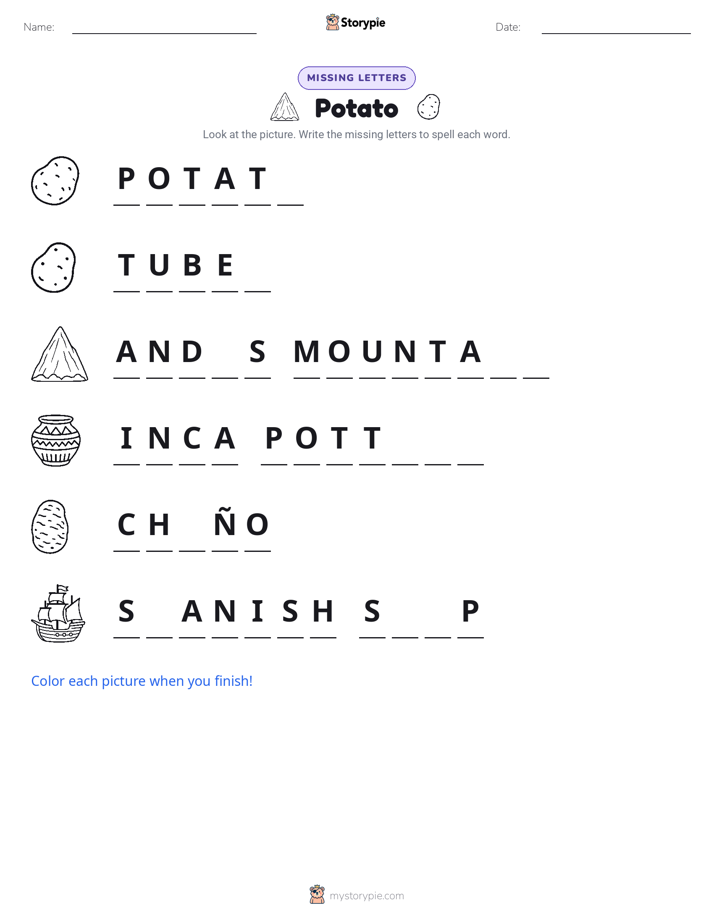
For centuries, the Andes were my only home. But that all changed in the 1530s, when Spanish explorers arrived in Peru. They were searching for gold and silver, not vegetables. When they found me, they were not impressed. But they were curious, and eventually, they packed me onto their ships alongside their treasures. Around the year 1570, I made the long, difficult journey across the Atlantic Ocean and arrived in Spain. Europe was a strange and suspicious place. People looked at my lumpy, uneven skin and my deep-set 'eyes' and thought I was ugly, even alien. Worse, botanists correctly identified me as a member of the nightshade family, which includes some poisonous plants. Rumors spread that I was unhealthy, or even evil. For nearly two centuries, I was treated like an outcast. Most people refused to eat me. I was planted in botanical gardens as an exotic curiosity or, more often, grown as food for livestock. It was a lonely time, waiting for people to understand the goodness I held inside.
My fortunes began to change in the 18th century, in places where people needed me most. In Ireland, farmers with small plots of land discovered that I could grow in their poor soil and produce an enormous amount of food, enough to feed their large families. I quickly became the cornerstone of the Irish diet. My biggest champion, however, appeared in France. His name was Antoine-Augustin Parmentier, a clever army pharmacist. During a war in the 1770s, he was captured and fed almost nothing but me. Instead of getting sick, he felt strong and healthy, and he realized my true value. When he returned to France, he made it his life's mission to convince his country to eat me. He hosted fancy dinners where every single dish was made from potatoes, inviting famous guests to try them. His most brilliant move was convincing King Louis XVI and Queen Marie Antoinette to wear my delicate white and purple blossoms as fashion accessories. If I was fit for a king and queen, surely I was fit for everyone. But my story also holds a sad chapter. In Ireland, people had come to depend on me so completely that when a disease destroyed my crops between 1845 and 1852, it led to the Great Famine. It was a devastating tragedy and a hard lesson on the dangers of relying on a single source of food.
Today, I have put my difficult past behind me. My long journey has taken me from a small patch of earth in the Andes to fields all across the globe. I am now the fourth largest food crop in the world, grown with care on every continent except for icy Antarctica. I am a staple food for billions of people, providing comfort and nourishment in countless different forms. I have been a source of survival for ancient civilizations, an object of suspicion for explorers, a champion for kings, and a humble friend to farming families. My story is one of resilience. It proves that you should never judge something—or someone—by their plain exterior. Sometimes, the most wonderful and life-changing things are hidden away in the most humble packages, waiting patiently just beneath the surface for their chance to grow.
Wow facts
About
The potato is a starchy tuber from the nightshade family Solanum tuberosum, originating in the Andes region of South America. It has become one of the world's most important and versatile food crops.
Take a Quiz
Question 1 of 5
In your own words, describe the potato's journey from being an unknown plant in the Andes to becoming a popular food in Europe.
Explore next

Want to do even more?
Go beyond exploring. Unlock tools that turn every story into real learning.

Storypie Plus for families
Full stories, quizzes, and printables. Nights and car rides, sorted.
- Unlimited audio stories
- Create Mode: your child stars in the story
- Offline downloads
- Printable worksheets & coloring pages

Why Storypie for Schools
Students engaged. Prep in seconds. Evenings back to you.
- Worksheets & Quizzes
- Classroom Management
- Formative Assessment
- Custom Curriculum & Lesson Plans
- 27 Languages

Why Storypie for Homeschool
Curriculum done. They'll ask for more. Hours back in your day.
- Worksheet Generator
- First-Person Audio Stories
- Built-in Comprehension Quizzes
- Custom Curriculum & Lesson Plans
- Print & Go Activities