English


Taxonomy
Taxonomy is the science of naming, defining…
Reads at Grades 3–5 Listens at Grades 1–5
Print & create
Answer keys·No prep·Free with an account
28 worksheets · answer keys · full story · quiz · Ages 8-10 · CEFR B1
Plus adds 102,000+ more stories in 27 languages, audio for every one, and printables for all of them.
Just want Taxonomy?
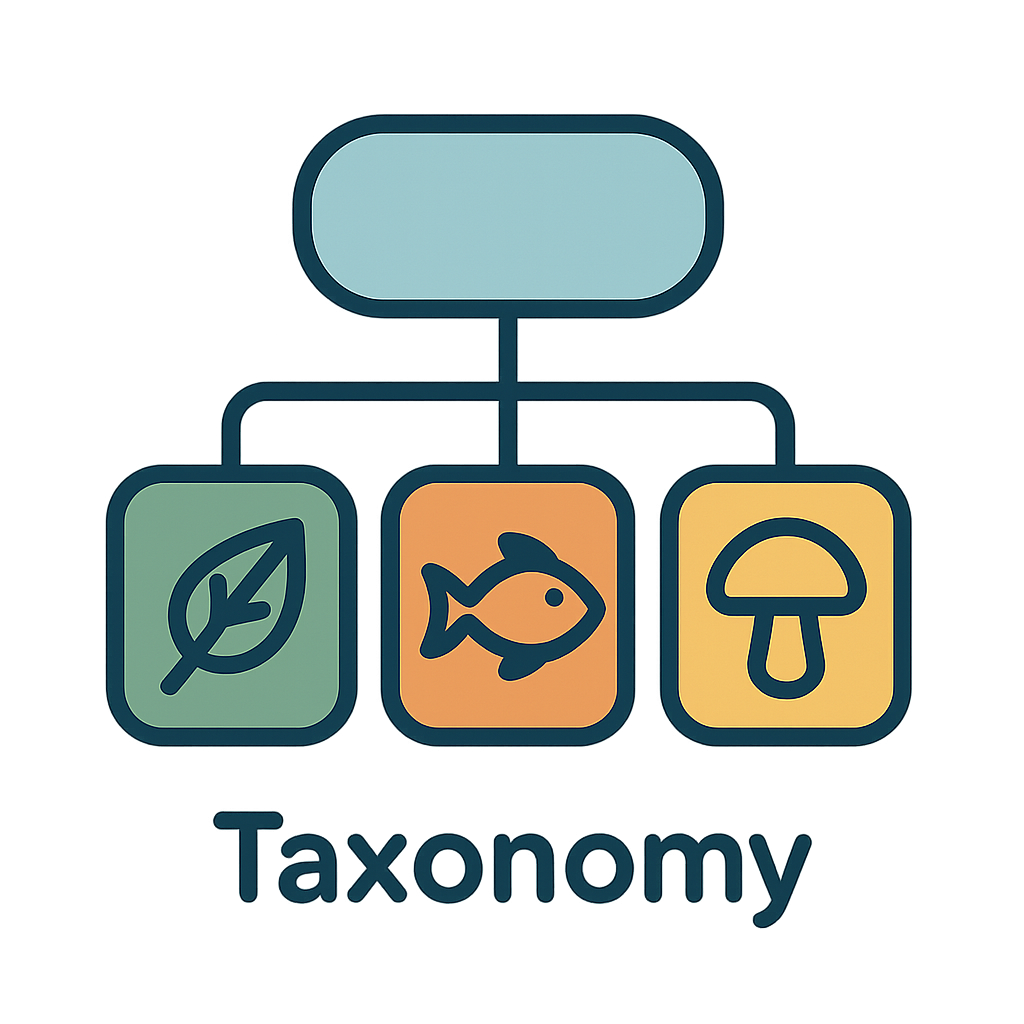
Have you ever sorted your toys, books, or crayons into neat little groups. I do the same thing, but for every living thing on Earth. Before people understood me, the world of nature was a big, confusing jumble. Can you imagine everyone having a different name for a squirrel or a dandelion. It would be so hard to talk about them. I am the one who brings order to that beautiful mess. I am like a giant family tree for nature, showing how a ladybug is related to a beetle, and how a mushroom is different from a flower. I give everything a special, scientific name that scientists all over the world can use and understand. So, who am I. I am Taxonomy, the amazing science of sorting and naming life.
My story began a very long time ago, over two thousand years back, with a brilliant thinker in ancient Greece. His name was Aristotle, and he lived in the 4th century BCE. He loved looking at the world and trying to understand it. He was one of the very first people to try and use me to sort living things into groups. He looked at animals and said, 'Some have red blood, and some don't.' He looked at plants and sorted them into trees, shrubs, and herbs. It was a simple start, but it was a huge idea. For the first time, someone was looking for patterns and creating a system to make sense of nature. For many centuries after him, people continued to name plants and animals, but they often used long, descriptive sentences in Latin, which was very confusing for everyone.
Then, in the 18th century, a man came along who changed my life forever. His name was Carl Linnaeus, a scientist from Sweden who absolutely loved plants. He saw all the confusion with the long Latin names and wanted to create a simple, organized system for everyone to use. In 1735, he published a small book called *Systema Naturae*, which grew over the years into his masterpiece. He gave me a superpower: binomial nomenclature. That’s a fancy way of saying a 'two-name system.' He decided every living thing should have a scientific name with just two parts: a genus name, which is like a last name for a whole group of close relatives, and a species name, which is like a specific first name. For humans, that name is *Homo sapiens*. By the time he published the 10th edition of his book on August 1st, 1758, his system became the official starting point for naming animals. He created a filing system for life, with big drawers called Kingdoms and smaller ones called Class, Order, Family, Genus, and Species.
The Great Sorter of Life
Have you ever sorted your toys, books, or crayons into neat little groups. I do the same thing, but for every living thing on Earth. Before people understood me, the world of nature was a big, confusing jumble. Can you imagine everyone having a different name for a squirrel or a dandelion. It would be so hard to talk about them. I am the one who brings order to that beautiful mess. I am like a giant family tree for nature, showing how a ladybug is related to a beetle, and how a mushroom is different from a flower. I give everything a special, scientific name that scientists all over the world can use and understand. So, who am I. I am Taxonomy, the amazing science of sorting and naming life.
My story began a very long time ago, over two thousand years back, with a brilliant thinker in ancient Greece. His name was Aristotle, and he lived in the 4th century BCE. He loved looking at the world and trying to understand it. He was one of the very first people to try and use me to sort living things into groups. He looked at animals and said, 'Some have red blood, and some don't.' He looked at plants and sorted them into trees, shrubs, and herbs. It was a simple start, but it was a huge idea. For the first time, someone was looking for patterns and creating a system to make sense of nature. For many centuries after him, people continued to name plants and animals, but they often used long, descriptive sentences in Latin, which was very confusing for everyone.
Then, in the 18th century, a man came along who changed my life forever. His name was Carl Linnaeus, a scientist from Sweden who absolutely loved plants. He saw all the confusion with the long Latin names and wanted to create a simple, organized system for everyone to use. In 1735, he published a small book called Systema Naturae, which grew over the years into his masterpiece. He gave me a superpower: binomial nomenclature. That’s a fancy way of saying a 'two-name system.' He decided every living thing should have a scientific name with just two parts: a genus name, which is like a last name for a whole group of close relatives, and a species name, which is like a specific first name. For humans, that name is Homo sapiens. By the time he published the 10th edition of his book on August 1st, 1758, his system became the official starting point for naming animals. He created a filing system for life, with big drawers called Kingdoms and smaller ones called Class, Order, Family, Genus, and Species.
I thought my job was just about sorting things by how they look, but then another brilliant scientist, Charles Darwin, came along. When he published his book On the Origin of Species on November 24th, 1859, he introduced the world to the idea of evolution. This changed everything for me. My job was no longer just about putting similar-looking creatures in the same box. It was now about showing how they were related through a shared family history. I became a true family tree, showing how life has changed and branched out over millions of years. Today, scientists even use clues from DNA to make my family tree more accurate than ever before.
Today, I am more important than ever. I help scientists discover and name new species hiding in deep oceans and on high mountains. I help doctors track down germs, and I help people working to protect endangered animals like tigers and pandas. I am the language of biology, helping us all speak the same language when we talk about the incredible diversity of life on our planet. Every time you see a bird and learn its name, you are using me to connect with the natural world. I am here to help you see that everything is connected in one big, beautiful, and very organized family.
Wow facts
About
Taxonomy is the science of naming, defining, and classifying groups of biological organisms based on shared characteristics, helping us understand the relationships between all living things.
Take a Quiz
Question 1 of 5
In the story, Taxonomy says Carl Linnaeus gave it a 'superpower.' What does this phrase mean?
Explore next


Want to do even more?
Go beyond exploring. Unlock tools that turn every story into real learning.

Storypie Plus for families
Full stories, quizzes, and printables. Nights and car rides, sorted.
- Unlimited audio stories
- Create Mode: your child stars in the story
- Offline downloads
- Printable worksheets & coloring pages

Why Storypie for Schools
Students engaged. Prep in seconds. Evenings back to you.
- Worksheets & Quizzes
- Classroom Management
- Formative Assessment
- Custom Curriculum & Lesson Plans
- 27 Languages

Why Storypie for Homeschool
Curriculum done. They'll ask for more. Hours back in your day.
- Worksheet Generator
- First-Person Audio Stories
- Built-in Comprehension Quizzes
- Custom Curriculum & Lesson Plans
- Print & Go Activities