English

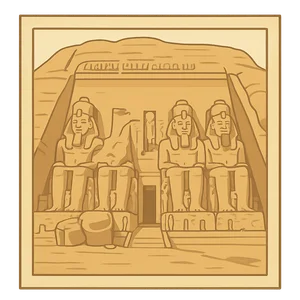
Abu Simbel Temples
A pair of massive rock-cut temples in southern Egypt, built by Pharaoh Ramesses II in the 13th century BCE.
Reads at Grades 3–5 Listens at Grades 1–5
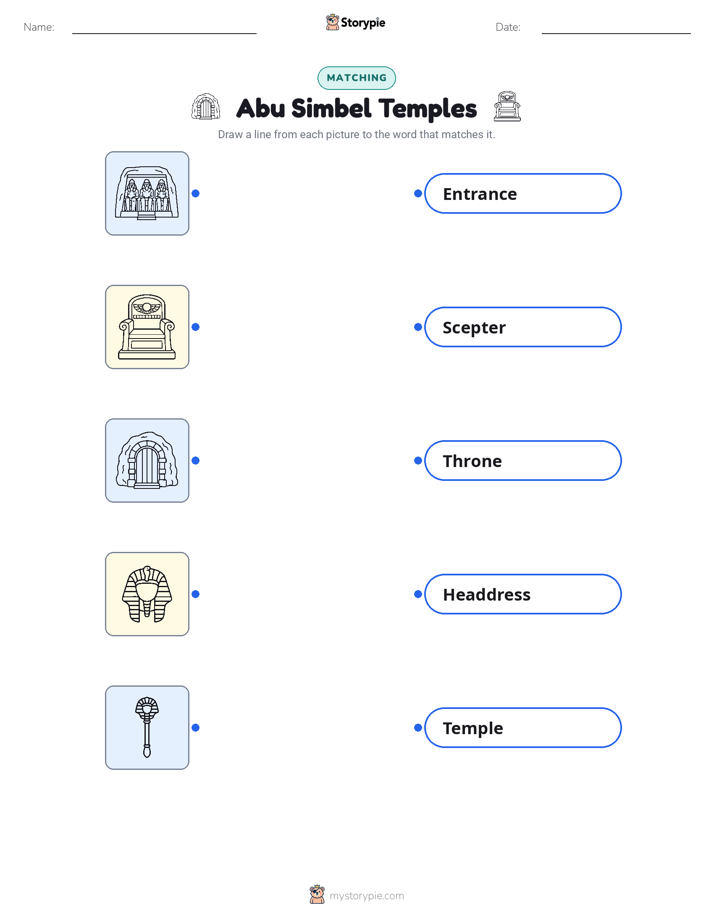
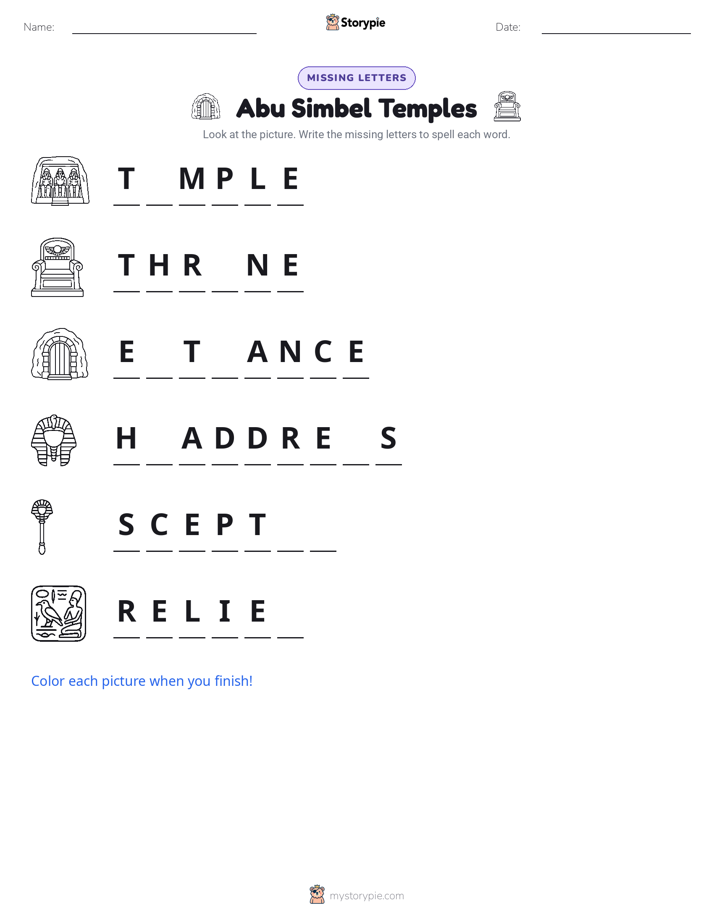
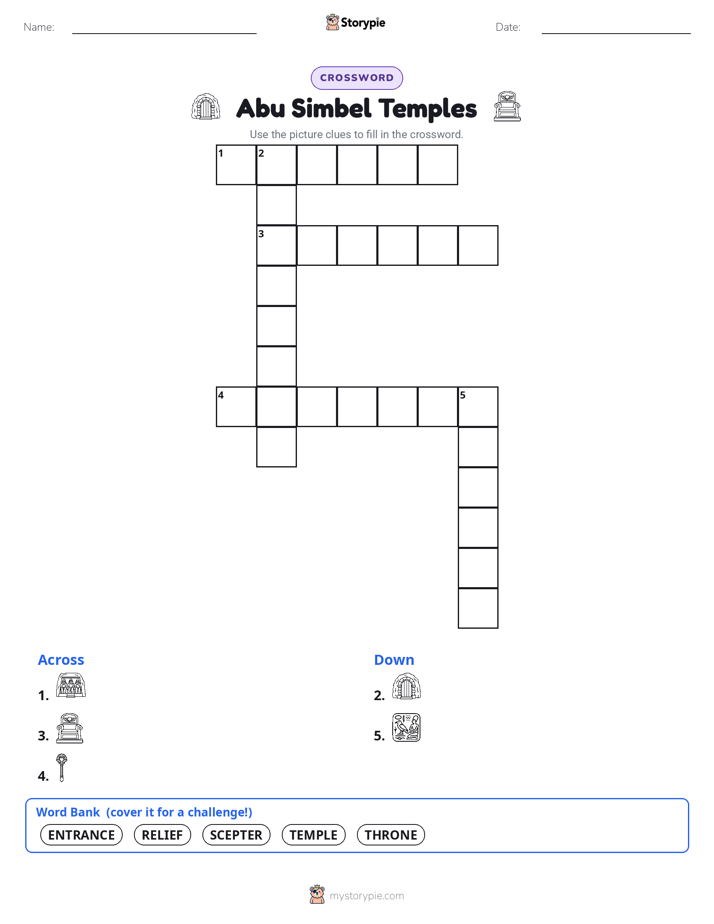
Print & create
Answer keys·No prep·Free with an account
28 worksheets · answer keys · full story · quiz · Ages 8-10 · CEFR B1
Plus adds 244,000+ more stories in 27 languages, audio for every one, and printables for all of them.
Just want Abu Simbel Temples?
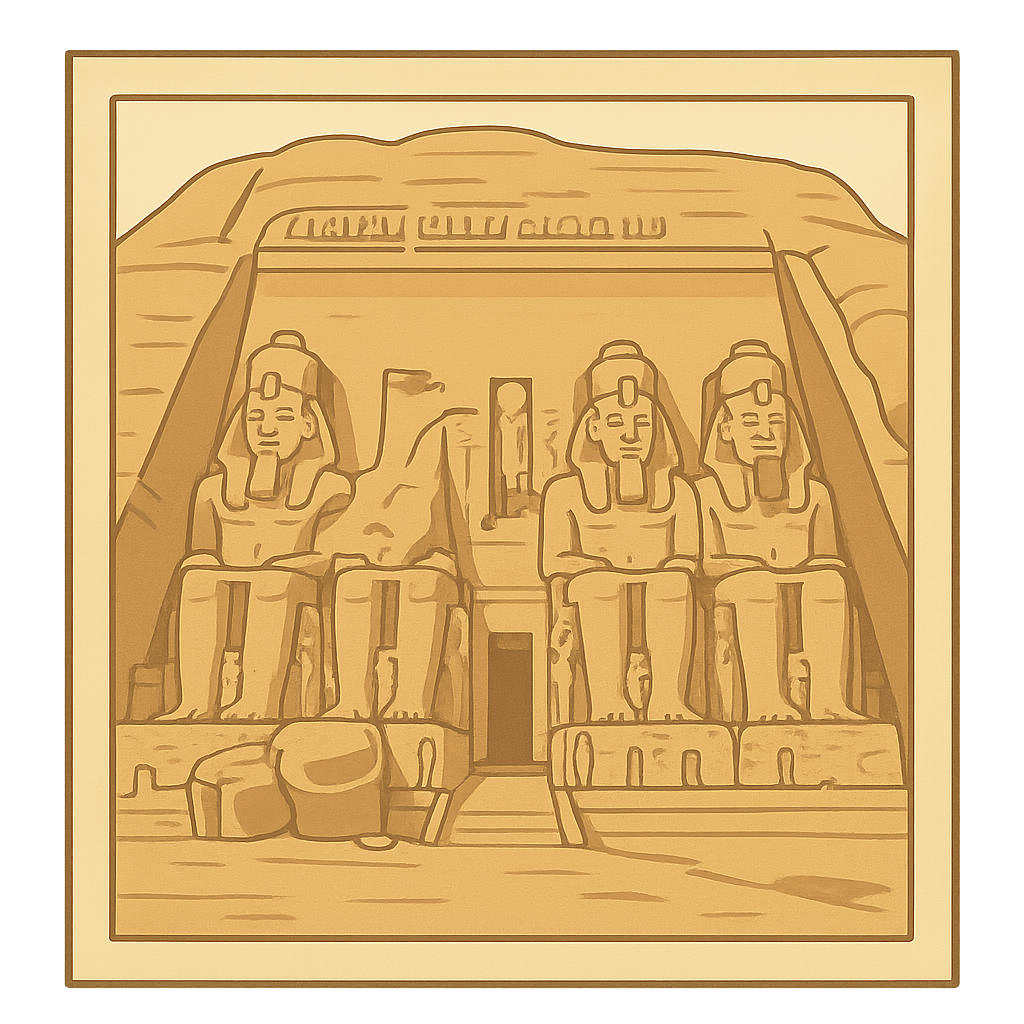
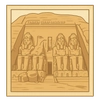
Can you feel the hot Egyptian sun warming your face and the cool touch of stone beneath your hand? For thousands of years, I have watched the great Nile River flow by, a silent witness to history. If you stood before me, you would see four gigantic figures sitting on thrones, so tall that people look like tiny ants scurrying around my feet. Their stone faces gaze calmly across the water, holding a secret that is older than most countries. You might think we are just enormous statues, but we are so much more. We are temples, carved from a living mountain. We are the Abu Simbel Temples, a story written in stone.
My story begins with a great king, Pharaoh Ramesses II, who was one of the most powerful rulers in the long history of ancient Egypt. More than 3,000 years ago, he wanted to create something that would show everyone his power and his devotion to the gods forever. He also wanted to honor his beloved wife, the beautiful Queen Nefertari. So, around the year 1264 BCE, he commanded his best workers to carve us directly out of a solid rock cliff. Can you imagine the sound of thousands of chisels tapping against stone, day after day? For twenty long years, sculptors chipped away at the mountain, creating my grand halls and the four towering statues of the king that guard my entrance. Right beside me, a smaller, beautiful temple was carved for Queen Nefertari. It was his way of saying his love for her was as strong and lasting as the mountain itself.
We were not built just to be looked at; we were sacred places, homes for the gods. Inside my cool, dark halls, the walls are covered in amazing carvings that tell the story of Ramesses’s famous victory at the Battle of Kadesh in 1274 BCE. Priests would walk these halls, performing secret rituals. But my most incredible secret is one that I share with the sun. The Great Temple was designed with amazing precision. Twice every year, around February 22nd and October 22nd, the first rays of the morning sun travel all the way down my long entrance hall, deep into the darkest room. There, the light shines upon the statues of the gods and the pharaoh himself, illuminating them in a golden glow. For the ancient Egyptians, this was a magical sign that the gods approved of their king.
A Mountain's Secret: My Story as the Abu Simbel Temples
Can you feel the hot Egyptian sun warming your face and the cool touch of stone beneath your hand? For thousands of years, I have watched the great Nile River flow by, a silent witness to history. If you stood before me, you would see four gigantic figures sitting on thrones, so tall that people look like tiny ants scurrying around my feet. Their stone faces gaze calmly across the water, holding a secret that is older than most countries. You might think we are just enormous statues, but we are so much more. We are temples, carved from a living mountain. We are the Abu Simbel Temples, a story written in stone.
My story begins with a great king, Pharaoh Ramesses II, who was one of the most powerful rulers in the long history of ancient Egypt. More than 3,000 years ago, he wanted to create something that would show everyone his power and his devotion to the gods forever. He also wanted to honor his beloved wife, the beautiful Queen Nefertari. So, around the year 1264 BCE, he commanded his best workers to carve us directly out of a solid rock cliff. Can you imagine the sound of thousands of chisels tapping against stone, day after day? For twenty long years, sculptors chipped away at the mountain, creating my grand halls and the four towering statues of the king that guard my entrance. Right beside me, a smaller, beautiful temple was carved for Queen Nefertari. It was his way of saying his love for her was as strong and lasting as the mountain itself.
We were not built just to be looked at; we were sacred places, homes for the gods. Inside my cool, dark halls, the walls are covered in amazing carvings that tell the story of Ramesses’s famous victory at the Battle of Kadesh in 1274 BCE. Priests would walk these halls, performing secret rituals. But my most incredible secret is one that I share with the sun. The Great Temple was designed with amazing precision. Twice every year, around February 22nd and October 22nd, the first rays of the morning sun travel all the way down my long entrance hall, deep into the darkest room. There, the light shines upon the statues of the gods and the pharaoh himself, illuminating them in a golden glow. For the ancient Egyptians, this was a magical sign that the gods approved of their king.
As centuries passed, the world changed. The kingdom of the pharaohs faded, and the hot desert winds began to blow sand across the land. Slowly, grain by grain, the sand piled up against my stone body, burying me almost completely. I fell into a long, quiet sleep, hidden from the world. For more than a thousand years, my stories were forgotten, and only the tops of my giant heads peeked out from the massive sand dunes. It must have been a strange sight. Then, one day in the year 1813, a European traveler named Johann Ludwig Burckhardt was exploring the area and spotted my stone face in the sand. A few years later, in 1817, an Italian explorer named Giovanni Belzoni brought a team to dig me out. After so long in the dark, I could finally see the bright sun and the flowing Nile once more.
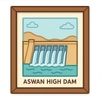
My greatest challenge, however, arrived much more recently. In the 1960s, a plan was made to build a huge new dam called the Aswan High Dam. This dam would create a giant lake, Lake Nasser, and its rising waters were going to flood the valley and swallow me completely. I was in danger of being lost forever beneath the waves. The world decided that I was too important to disappear. In an amazing act of cooperation, countries from all over the world joined together with an organization called UNESCO to save me. From 1964 to 1968, engineers performed a kind of giant surgery. They carefully cut me and my smaller temple into more than 1,000 massive blocks. Some pieces weighed as much as a school bus. Then, they moved every single piece up to higher, safer ground and put us back together perfectly, just like a giant, ancient puzzle.
Today, I stand proud and safe in my new home, still watching over the water. The best part is that the engineers were so clever that the sun still visits my inner chamber twice a year, just as it always has. I am a memory of a great king and queen, but I have also become a symbol of what people can achieve when they work together to save something beautiful and important. My stone halls still echo with ancient stories, inspiring everyone who visits to wonder about the past and imagine what amazing things we can create and protect in the future.
Wow facts
About
A pair of massive rock-cut temples in southern Egypt, built by Pharaoh Ramesses II in the 13th century BCE. They are famous for their giant statues and a remarkable modern relocation to save them from rising waters.
Take a Quiz
Question 1 of 5
What major problem did the Abu Simbel Temples face in the 1960s, and how was it solved?
Explore next



Want to do even more?
Go beyond exploring. Unlock tools that turn every story into real learning.

Storypie Plus for families
Full stories, quizzes, and printables. Nights and car rides, sorted.
- Unlimited audio stories
- Create Mode: your child stars in the story
- Offline downloads
- Printable worksheets & coloring pages

Why Storypie for Schools
Students engaged. Prep in seconds. Evenings back to you.
- Worksheets & Quizzes
- Classroom Management
- Formative Assessment
- Custom Curriculum & Lesson Plans
- 27 Languages

Why Storypie for Homeschool
Curriculum done. They'll ask for more. Hours back in your day.
- Worksheet Generator
- First-Person Audio Stories
- Built-in Comprehension Quizzes
- Custom Curriculum & Lesson Plans
- Print & Go Activities