English

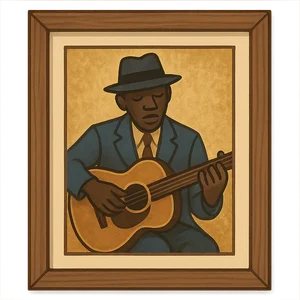
Blues
The Blues is a genre of music that originated with African Americans in the Southern United States in the…
Reads at Grades 6–8 Listens at Grades 4–8
Print & create
Answer keys·No prep·Free with an account
28 worksheets · answer keys · full story · quiz · Ages 10-12 · CEFR B2
Plus adds 164,000+ more stories in 27 languages, audio for every one, and printables for all of them.
Just want Blues?
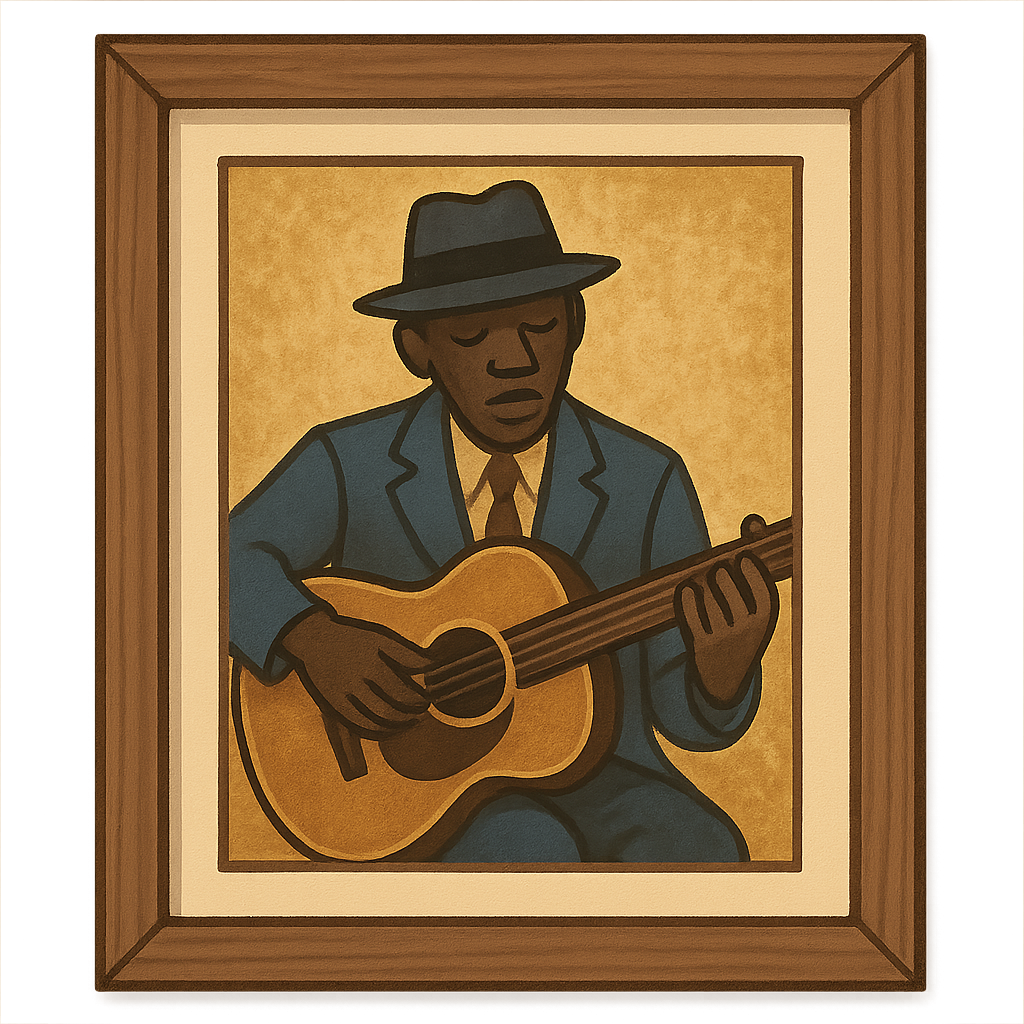
Before I had a name, I was a feeling that hung in the humid air of the American South. I was the sound of a sigh after a long day of work under a relentless sun. I was the hope whispered in a quiet prayer and the deep story held in a person’s voice. You could feel me in the heat rising from the soil of the Mississippi Delta, and you could hear me in the mournful cry of a single, bent guitar string. My rhythm was the steady, powerful beat of a human heart that refused to give up. I was born from tremendous hardship, from the memories of slavery and the struggles of life that followed. But I was also born from an incredible strength, from the spirit of people who found ways to share their joys and their sorrows, to tell the truth of their lives when no one else would listen. They poured all of that experience into a sound, a vibration, a story sung out into the world. I am the sound of survival. I am the Blues.
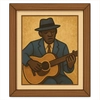
I took my first real breaths in the African American communities of the Deep South during the late 19th century, around the 1890s. My parents were the powerful sounds that came before me: the spirituals sung in church, the call-and-response of the work songs sung in the fields, and the lonely, personal cries known as field hollers. These musical forms gave me my soul. From them, I learned how to tell a story and how to carry a heavy emotion. People gave me a structure to live in, a pattern of twelve musical bars that felt like taking a deep breath and telling your truth. They gave me a lyrical form, too: AAB. You sing a line about what’s on your mind, you sing it again to make sure it’s heard, and then you sing a third line that resolves the thought. But my most special feature, the thing that makes me sound like me, is my 'blue notes.' These are the notes that bend and slide, living in the cracks between the standard notes of a scale. They hold all the complicated feelings—the bittersweet mix of happiness and sadness that is so much a part of life. My first friends were simple ones: a worn acoustic guitar that could be carried anywhere and a small harmonica that could fit in a pocket, ready to wail with feeling at a moment's notice.
I Am the Blues
Before I had a name, I was a feeling that hung in the humid air of the American South. I was the sound of a sigh after a long day of work under a relentless sun. I was the hope whispered in a quiet prayer and the deep story held in a person’s voice. You could feel me in the heat rising from the soil of the Mississippi Delta, and you could hear me in the mournful cry of a single, bent guitar string. My rhythm was the steady, powerful beat of a human heart that refused to give up. I was born from tremendous hardship, from the memories of slavery and the struggles of life that followed. But I was also born from an incredible strength, from the spirit of people who found ways to share their joys and their sorrows, to tell the truth of their lives when no one else would listen. They poured all of that experience into a sound, a vibration, a story sung out into the world. I am the sound of survival. I am the Blues.
I took my first real breaths in the African American communities of the Deep South during the late 19th century, around the 1890s. My parents were the powerful sounds that came before me: the spirituals sung in church, the call-and-response of the work songs sung in the fields, and the lonely, personal cries known as field hollers. These musical forms gave me my soul. From them, I learned how to tell a story and how to carry a heavy emotion. People gave me a structure to live in, a pattern of twelve musical bars that felt like taking a deep breath and telling your truth. They gave me a lyrical form, too: AAB. You sing a line about what’s on your mind, you sing it again to make sure it’s heard, and then you sing a third line that resolves the thought. But my most special feature, the thing that makes me sound like me, is my 'blue notes.' These are the notes that bend and slide, living in the cracks between the standard notes of a scale. They hold all the complicated feelings—the bittersweet mix of happiness and sadness that is so much a part of life. My first friends were simple ones: a worn acoustic guitar that could be carried anywhere and a small harmonica that could fit in a pocket, ready to wail with feeling at a moment's notice.
As the world turned toward a new century, my people began to move. Starting around 1916, the Great Migration saw millions of African Americans leave the rural South for new opportunities in the industrial cities of the North. I traveled with them. I rode the rails to Memphis, caught a bus to St. Louis, and settled in the bustling, noisy streets of Chicago. The city was different—louder, faster, and full of electric energy. I had to change, too, so my voice could be heard above the clamor. My old friend, the acoustic guitar, was given a new power when it was plugged into an amplifier. Soon, I was joined by a full band with drums and a deep, rumbling bass. This new, electrified sound became known as Chicago Blues, and musicians like Muddy Waters made it famous in the 1940s and 1950s. But even before that, people had started writing me down so I could travel even farther. A composer named W.C. Handy heard me in Tennessee and published a song called 'Memphis Blues' on September 26th, 1912. Then, in the 1920s, a powerful singer named Bessie Smith, who they called the 'Empress of the Blues,' put me on records. Her voice carried my stories of heartbreak and resilience to people all across the country and the world.
From those humble beginnings, I grew into the parent and grandparent of a huge family of music. My DNA—my rhythm, my storytelling, my raw, honest emotion—can be found in almost every corner of modern music. I helped give birth to the swinging, complex sound of Jazz. My beat and soulful voice created Rhythm and Blues, or R&B. And in the 1950s, my energy was turned up even louder to create my most famous child: Rock and Roll. Young musicians heard my stories and were captivated. A singer from Mississippi named Elvis Presley blended my sound with country music and changed the world. A group of young men in England called The Rolling Stones heard the records of Muddy Waters and dedicated themselves to carrying my sound to a new generation. Today, people sometimes think I am only about sadness. But I am so much more. I am the sound of telling the truth, of facing down hardship and finding the strength to keep going. I am a timeless feeling, a universal language that connects people by reminding them that every story, with all its joys and sorrows, is worth telling.
Wow facts
About
The Blues is a genre of music that originated with African Americans in the Southern United States in the late 19th century. It is known for its expressive lyrics, unique 'blue notes,' and foundational influence on jazz, rock and roll, and other modern music.
Take a Quiz
Question 1 of 5
According to the story, why did the sound of the Blues change when it moved to northern cities like Chicago?
Explore next





Want to do even more?
Go beyond exploring. Unlock tools that turn every story into real learning.

Storypie Plus for families
Full stories, quizzes, and printables. Nights and car rides, sorted.
- Unlimited audio stories
- Create Mode: your child stars in the story
- Offline downloads
- Printable worksheets & coloring pages

Why Storypie for Schools
Students engaged. Prep in seconds. Evenings back to you.
- Worksheets & Quizzes
- Classroom Management
- Formative Assessment
- Custom Curriculum & Lesson Plans
- 27 Languages

Why Storypie for Homeschool
Curriculum done. They'll ask for more. Hours back in your day.
- Worksheet Generator
- First-Person Audio Stories
- Built-in Comprehension Quizzes
- Custom Curriculum & Lesson Plans
- Print & Go Activities