English

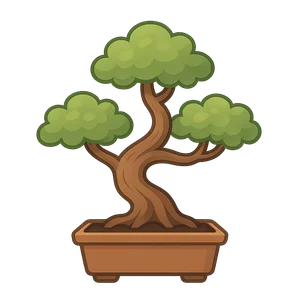
Bonsai
Bonsai is the Japanese art form of growing and cultivating miniature trees in containers…
Reads at Grades 3–5 Listens at Grades 1–5
Print & create
Answer keys·No prep·Free with an account
28 worksheets · answer keys · full story · quiz · Ages 8-10 · CEFR B1
Plus adds 164,000+ more stories in 27 languages, audio for every one, and printables for all of them.
Just want Bonsai?
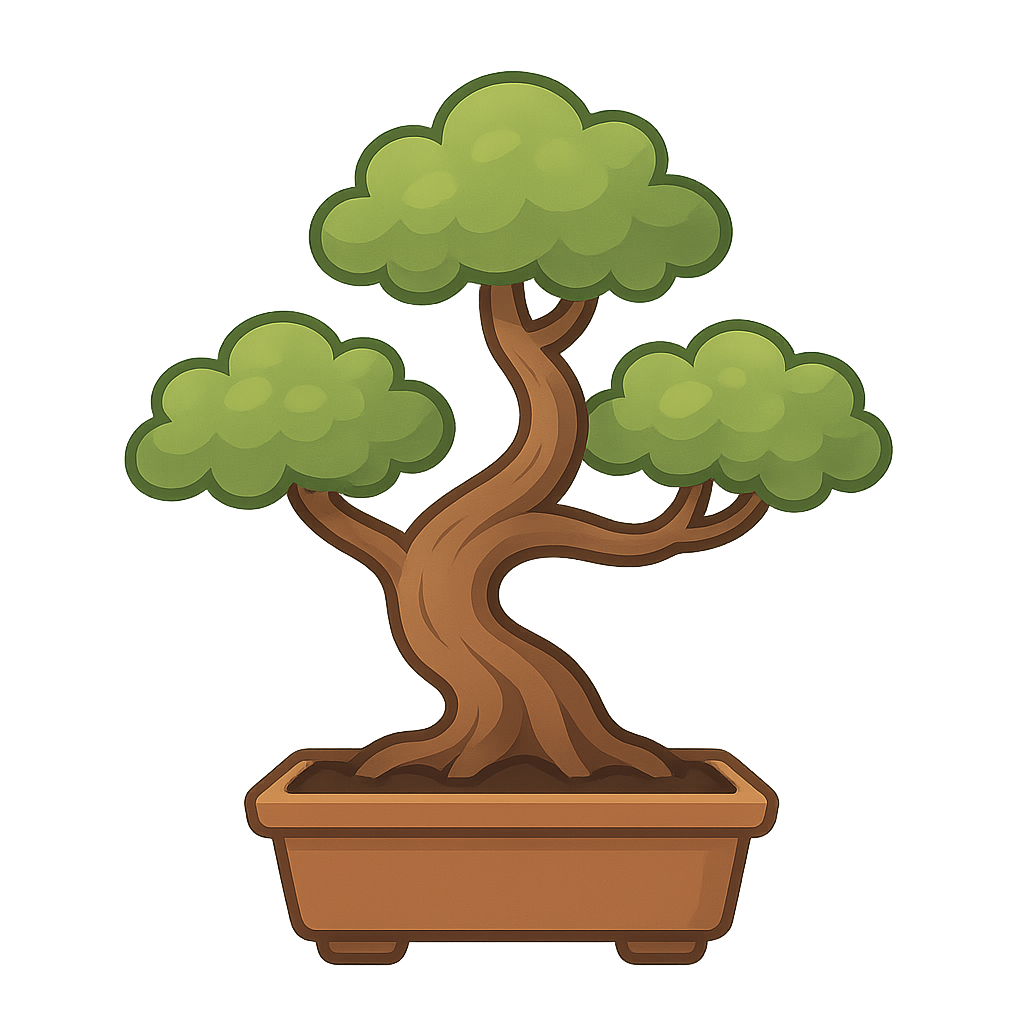
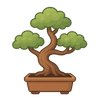
Can you imagine a whole, ancient forest that can fit on your table. I have a trunk that is twisted and bumpy, like an old man's knuckles, and my bark is rough with age. My leaves are tiny, perfect little spots of green that rustle when you breathe on them. I live inside a special, shallow ceramic dish, my roots carefully arranged in the soil. Sometimes I feel the gentle snip of sharp shears trimming my twigs, or the careful winding of soft wire around my branches, guiding them to grow just so. I am a whole world, a tiny ancient forest that you can hold in your hands. I am not just one tree, but an idea, a practice, and a living sculpture. I am Bonsai.
My story begins a very, very long time ago, not in the place you might think, but in China. Over 1,300 years ago, during the Tang Dynasty, my ancestors were part of an art called 'penjing,' which means 'tray scenery.' Can you picture it. People didn't just grow one tiny tree; they created entire miniature landscapes in shallow pots, complete with little rocks, hills, and rivers. They were like tiny, magical worlds. Then, around the 12th century, during Japan's Kamakura period, Zen Buddhist monks traveling from China brought this wonderful idea to Japan. They saw something special in me. For them, caring for a tiny tree was a way to practice focus, patience, and find peace in a busy world. In Japan, my form was simplified and perfected. Instead of a whole landscape, artists began to focus on the quiet beauty of a single tree. They wanted to make me look old and wise, as if I had survived hundreds of years of wind and snow on a lonely mountaintop. This was not easy. It required immense patience, with artists spending years, sometimes their entire lives, caring for me and shaping my growth.
The Story of a Tiny Tree
Can you imagine a whole, ancient forest that can fit on your table. I have a trunk that is twisted and bumpy, like an old man's knuckles, and my bark is rough with age. My leaves are tiny, perfect little spots of green that rustle when you breathe on them. I live inside a special, shallow ceramic dish, my roots carefully arranged in the soil. Sometimes I feel the gentle snip of sharp shears trimming my twigs, or the careful winding of soft wire around my branches, guiding them to grow just so. I am a whole world, a tiny ancient forest that you can hold in your hands. I am not just one tree, but an idea, a practice, and a living sculpture. I am Bonsai.
My story begins a very, very long time ago, not in the place you might think, but in China. Over 1,300 years ago, during the Tang Dynasty, my ancestors were part of an art called 'penjing,' which means 'tray scenery.' Can you picture it. People didn't just grow one tiny tree; they created entire miniature landscapes in shallow pots, complete with little rocks, hills, and rivers. They were like tiny, magical worlds. Then, around the 12th century, during Japan's Kamakura period, Zen Buddhist monks traveling from China brought this wonderful idea to Japan. They saw something special in me. For them, caring for a tiny tree was a way to practice focus, patience, and find peace in a busy world. In Japan, my form was simplified and perfected. Instead of a whole landscape, artists began to focus on the quiet beauty of a single tree. They wanted to make me look old and wise, as if I had survived hundreds of years of wind and snow on a lonely mountaintop. This was not easy. It required immense patience, with artists spending years, sometimes their entire lives, caring for me and shaping my growth.
Unlike a painting that is finished or a stone statue that never changes, I am never truly done. I am a living, breathing work of art, a partnership between a careful person and the power of nature. I change with every season. In the spring, I sprout fresh, bright green leaves. In the summer, my leaves are full and dark. In the autumn, they might turn brilliant shades of red or yellow before falling to show my bare, elegant branches in the winter. For centuries, I was a treasured secret in Japan, passed down through families and cared for by masters of the art. But that changed after a big event called World War II ended on September 2nd, 1945. People from all over the world, especially American soldiers, came to Japan and were amazed by my tiny, perfect form. They had never seen anything like me. They took my story, and some of my seeds and saplings, home with them. Now, I grow in gardens and homes across the globe. I teach people about patience, about finding beauty in small details, and about the joy of caring for something that grows. I am a quiet reminder that even the smallest things can hold great wisdom and wonder, connecting us to nature and to the centuries of people who have lovingly cared for me.
Wow facts
About
Bonsai is the Japanese art form of growing and cultivating miniature trees in containers, a practice that evolved from the earlier Chinese art of penjing.
Take a Quiz
Question 1 of 5
The story says the Bonsai's trunk is 'gnarled.' What does 'gnarled' most likely mean in this sentence?
Explore next



Want to do even more?
Go beyond exploring. Unlock tools that turn every story into real learning.

Storypie Plus for families
Full stories, quizzes, and printables. Nights and car rides, sorted.
- Unlimited audio stories
- Create Mode: your child stars in the story
- Offline downloads
- Printable worksheets & coloring pages

Why Storypie for Schools
Students engaged. Prep in seconds. Evenings back to you.
- Worksheets & Quizzes
- Classroom Management
- Formative Assessment
- Custom Curriculum & Lesson Plans
- 27 Languages

Why Storypie for Homeschool
Curriculum done. They'll ask for more. Hours back in your day.
- Worksheet Generator
- First-Person Audio Stories
- Built-in Comprehension Quizzes
- Custom Curriculum & Lesson Plans
- Print & Go Activities