English

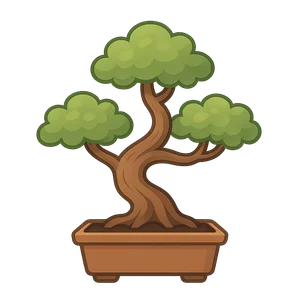
Bonsai
Bonsai is the Japanese art form of growing and cultivating miniature trees in containers…
Reads at Grades K-2 Listens at K–3
Print & create
Answer keys·No prep·Free with an account
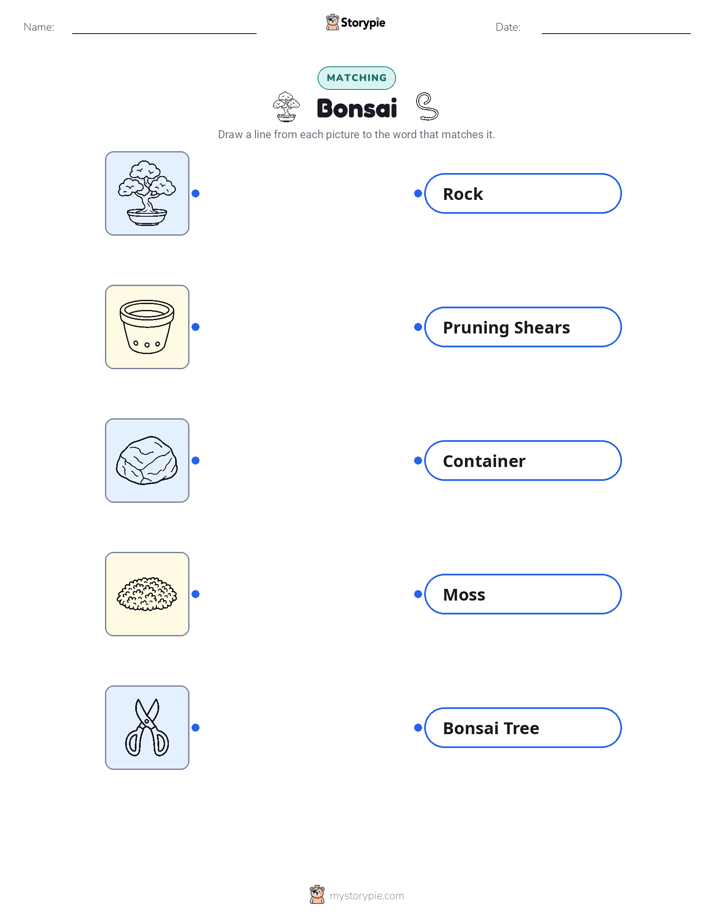
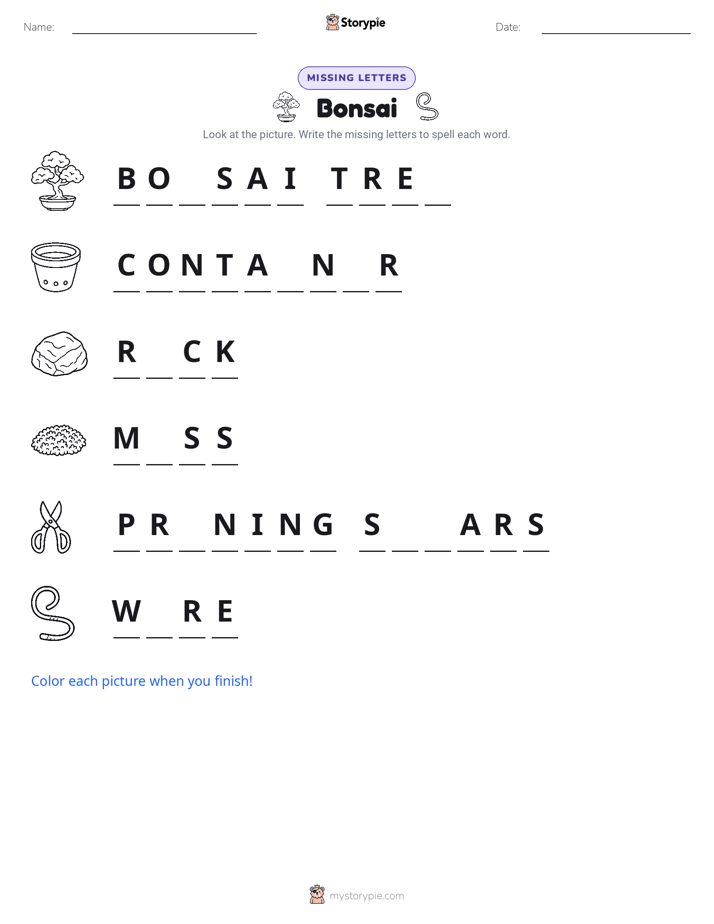
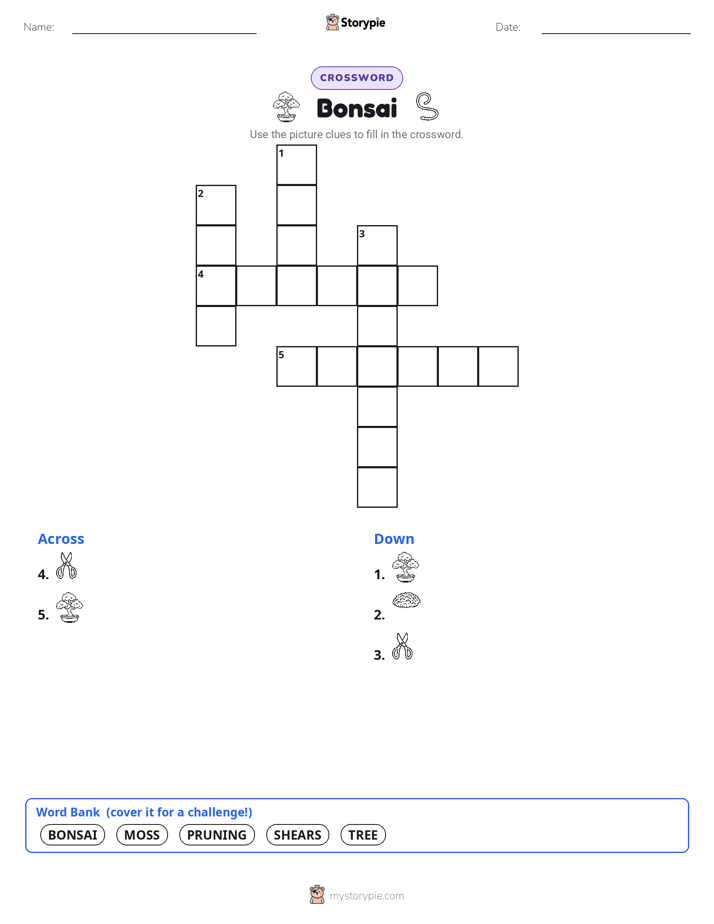
28 worksheets · answer keys · full story · quiz · Ages 6-8 · CEFR A2
Plus adds 164,000+ more stories in 27 languages, audio for every one, and printables for all of them.
Just want Bonsai?
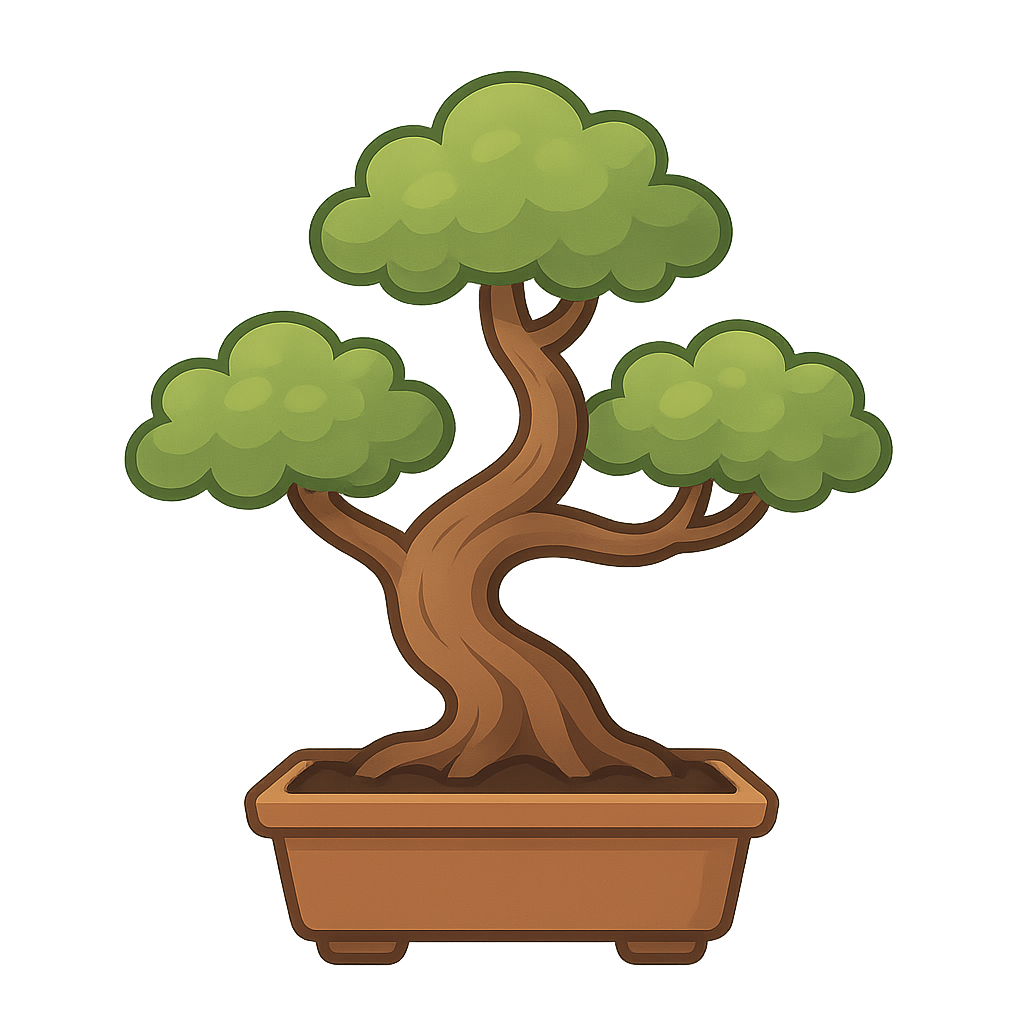
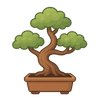
My trunk is gnarled and twisted, looking as old as the hills, like a grandfather tree that has seen a thousand seasons change. My branches stretch out like tiny, delicate arms, and they are covered in the smallest green leaves you have ever seen. They whisper when a soft breeze blows past. I might look like a giant from a deep, ancient forest, but really, I am small enough to fit on a table right in your home. My roots are tucked into cool, damp soil, with soft green moss growing like a tiny carpet around my base. I live inside a beautiful ceramic pot, a whole little world just for me. When people look at me, they don't just see a plant. They imagine a huge, strong tree standing all alone on a windy mountain top, even though I am safe and sound inside. They see a story in my shape, a story of sun, wind, rain, and time. It's a secret world in a pot. Can you guess what I am? I am a living sculpture. I am a Bonsai tree.
My story began a very, very long time ago, over a thousand years in the past. It started in a country called China, but I wasn't called Bonsai back then. The art of growing tiny trees in pots was called 'Penjing.' It was like painting a picture with living plants. People loved creating tiny landscapes with trees, rocks, and water. One of the oldest pictures of my ancestors was found in a special place, a tomb mural, from the year 706 CE. It showed that people have been caring for tiny trees for a very long time. Later, my story traveled. Kind Buddhist monks, who loved nature and quiet things, brought the idea from China to the islands of Japan. This happened during a time called the Kamakura period, which was from the year 1185 to 1333. In Japan, the artists decided to focus on the beauty of just one single tree in a pot. They gave me my name, Bonsai, which means 'planted in a container.' They became my partners, gently caring for me. An artist would carefully trim my branches to help me grow into a beautiful shape. They would use soft wire to gently guide my twigs, almost like giving them a little hug to show them which way to reach. They gave me just the right amount of water and sunlight, helping me stay healthy and strong for many, many years.
The Story of the Little Tree
My trunk is gnarled and twisted, looking as old as the hills, like a grandfather tree that has seen a thousand seasons change. My branches stretch out like tiny, delicate arms, and they are covered in the smallest green leaves you have ever seen. They whisper when a soft breeze blows past. I might look like a giant from a deep, ancient forest, but really, I am small enough to fit on a table right in your home. My roots are tucked into cool, damp soil, with soft green moss growing like a tiny carpet around my base. I live inside a beautiful ceramic pot, a whole little world just for me. When people look at me, they don't just see a plant. They imagine a huge, strong tree standing all alone on a windy mountain top, even though I am safe and sound inside. They see a story in my shape, a story of sun, wind, rain, and time. It's a secret world in a pot. Can you guess what I am? I am a living sculpture. I am a Bonsai tree.
My story began a very, very long time ago, over a thousand years in the past. It started in a country called China, but I wasn't called Bonsai back then. The art of growing tiny trees in pots was called 'Penjing.' It was like painting a picture with living plants. People loved creating tiny landscapes with trees, rocks, and water. One of the oldest pictures of my ancestors was found in a special place, a tomb mural, from the year 706 CE. It showed that people have been caring for tiny trees for a very long time. Later, my story traveled. Kind Buddhist monks, who loved nature and quiet things, brought the idea from China to the islands of Japan. This happened during a time called the Kamakura period, which was from the year 1185 to 1333. In Japan, the artists decided to focus on the beauty of just one single tree in a pot. They gave me my name, Bonsai, which means 'planted in a container.' They became my partners, gently caring for me. An artist would carefully trim my branches to help me grow into a beautiful shape. They would use soft wire to gently guide my twigs, almost like giving them a little hug to show them which way to reach. They gave me just the right amount of water and sunlight, helping me stay healthy and strong for many, many years.
Being a Bonsai tree is very special. I am not just a plant you water and leave alone. I am a partner and a teacher. The people who care for me learn an important lesson: patience. It takes a long, long time for me to grow and change, just like it takes time to learn a new skill or build a strong friendship. Taking care of me helps people feel calm and peaceful. When they are trimming my leaves or checking my soil, they have to slow down and focus. It connects them to the quiet world of nature. Looking at my tiny form is like having a little piece of a big, peaceful forest right in your own home. You can imagine the birds in my branches or the squirrels running up my trunk, even if they are only in your mind. I am more than just a plant; I am a living sculpture and a quiet friend. I show that great beauty can be found in small things, and I remind everyone to slow down, breathe, and appreciate the simple, wonderful world around them. My tiny leaves and old trunk hold a big message of peace for everyone to share.
Wow facts
About
Bonsai is the Japanese art form of growing and cultivating miniature trees in containers, a practice that evolved from the earlier Chinese art of penjing.
Take a Quiz
Question 1 of 4
Why does taking care of a Bonsai tree teach people patience?
Explore next




Want to do even more?
Go beyond exploring. Unlock tools that turn every story into real learning.

Storypie Plus for families
Full stories, quizzes, and printables. Nights and car rides, sorted.
- Unlimited audio stories
- Create Mode: your child stars in the story
- Offline downloads
- Printable worksheets & coloring pages

Why Storypie for Schools
Students engaged. Prep in seconds. Evenings back to you.
- Worksheets & Quizzes
- Classroom Management
- Formative Assessment
- Custom Curriculum & Lesson Plans
- 27 Languages

Why Storypie for Homeschool
Curriculum done. They'll ask for more. Hours back in your day.
- Worksheet Generator
- First-Person Audio Stories
- Built-in Comprehension Quizzes
- Custom Curriculum & Lesson Plans
- Print & Go Activities