English

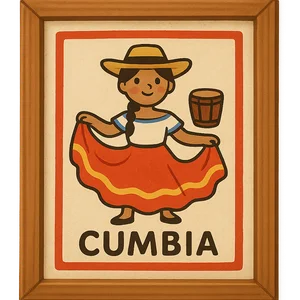
Cumbia
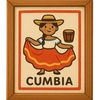
A musical genre and dance style that originated on Colombia's Caribbean coast, blending Indigenous, African…
Reads at Grades 6–8 Listens at Grades 4–8
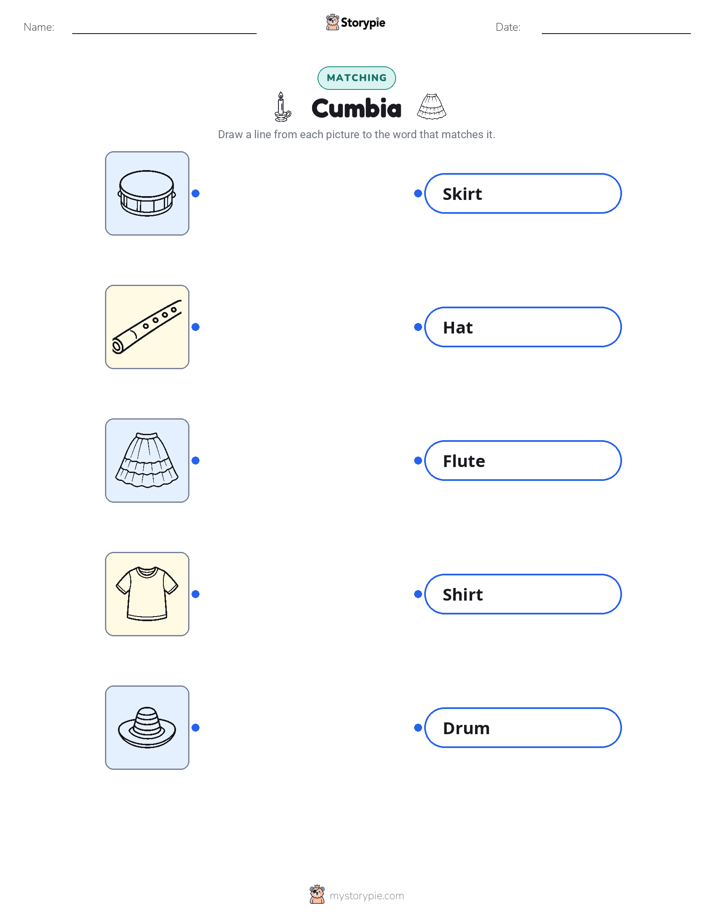
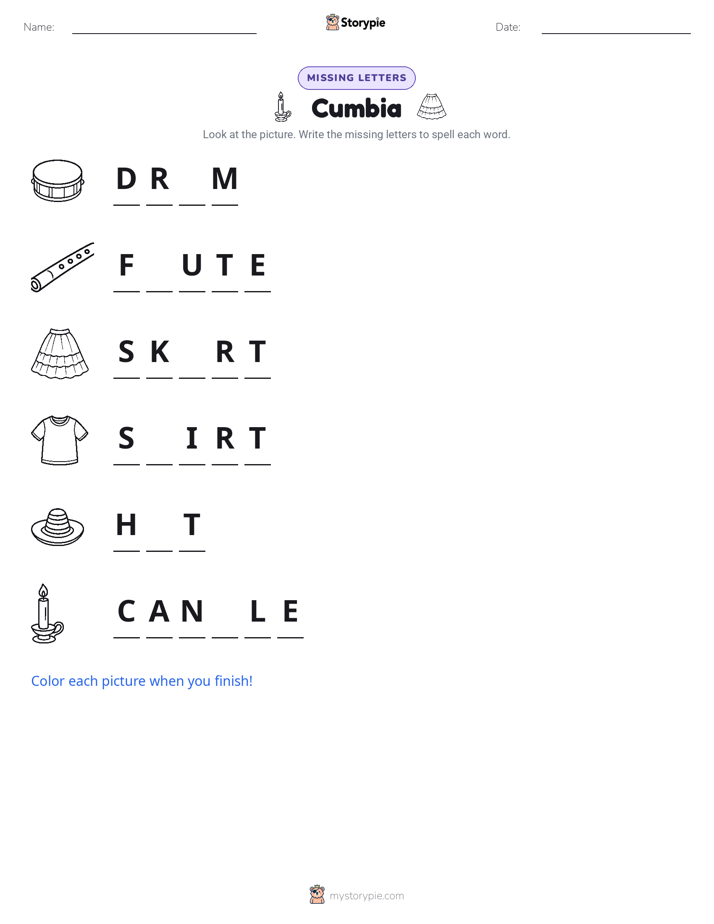
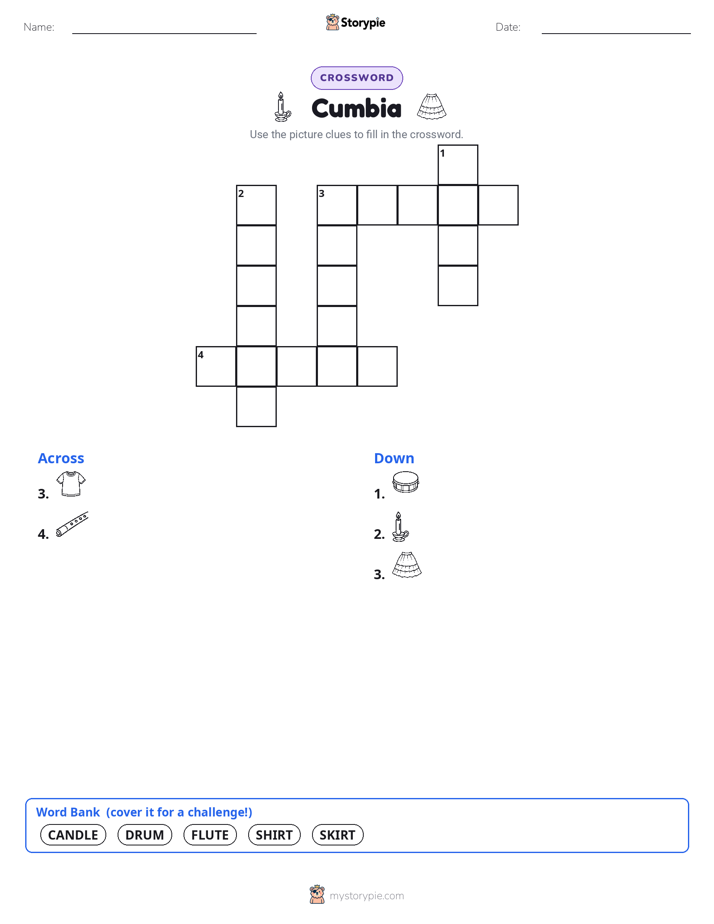
Print & create
Answer keys·No prep·Free with an account
28 worksheets · answer keys · full story · quiz · Ages 10-12 · CEFR B2
Plus adds 164,000+ more stories in 27 languages, audio for every one, and printables for all of them.
Just want Cumbia?
Listen. Can you feel it? It starts deep in your chest, a steady thrum like the earth’s own pulse. That is the sound of my drum. Then, a voice joins in, not of a person, but of a long, cane flute, its melody sighing like the wind over the mountains. Now, imagine the whisper of a long, flowing skirt, brightly colored and swirling under a canopy of stars on the Caribbean coast of Colombia. I was born in the heat of the day and the cool of the night, near the banks of the great Magdalena River. My spirit is woven from the memories of the Indigenous peoples who first walked this land, the powerful joy of Africans who brought the heartbeat of their home across an ocean, and the soaring melodies of the Spanish who arrived on tall ships. I am the sound of their worlds meeting, clashing, and finally, dancing together. I am the rhythm of survival, of celebration, of a new people finding their voice in the dark. I am Cumbia.
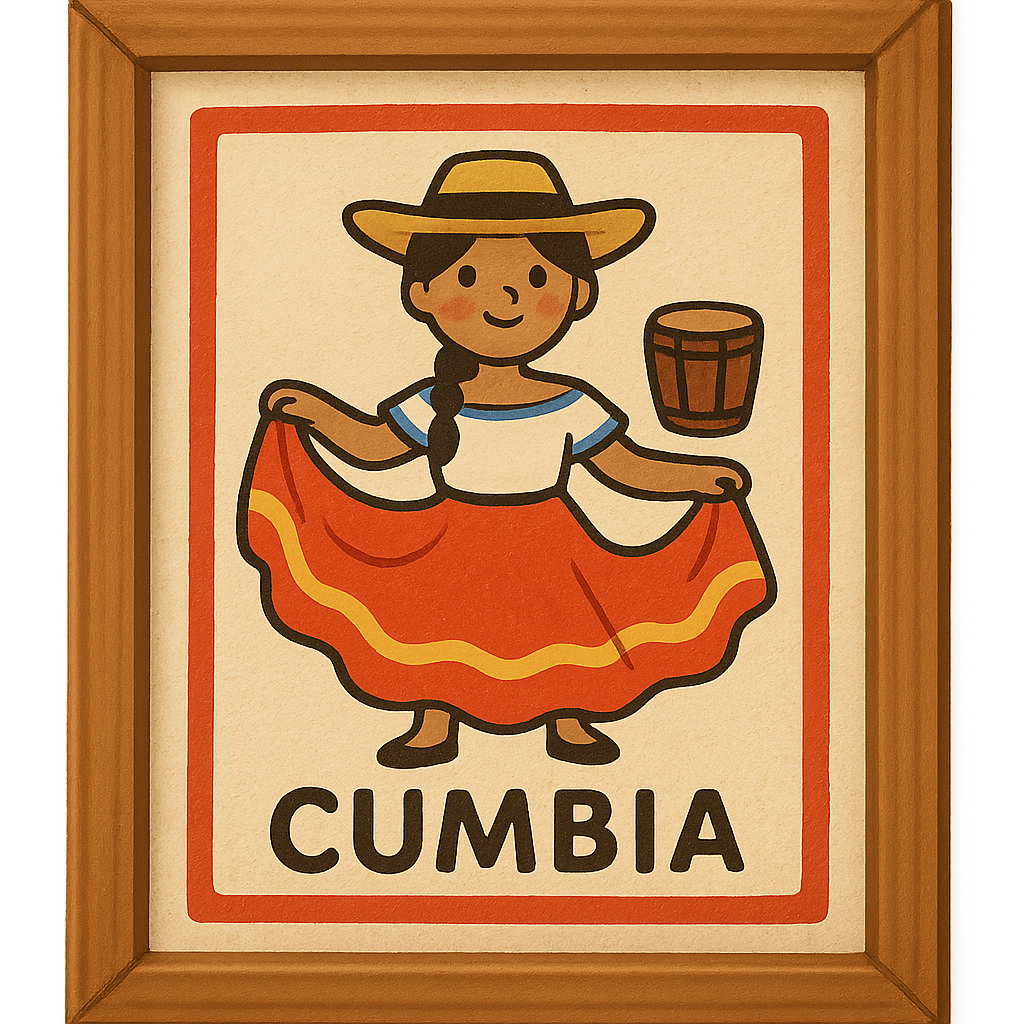
My family tree has roots on three different continents. I came to be during the Spanish colonial period, beginning around the 17th century, when life in Colombia was changing forever. My Indigenous grandparents, like the Kogi and Cuna peoples, gave me my soul’s first voice: the gaita flutes. Carved from cactus or cane, their sound is haunting and speaks of the rivers, the jungle, and a deep connection to the land. My African grandparents gave me my unshakeable heartbeat. They arrived in chains but carried freedom in their rhythms. From them, I received the powerful, complex pulse of the tambor alegre, the joyful drum; the llamador, the caller drum that keeps the steady beat; and the deep tambora, which marks the accents. Their drumming was more than music; it was a way to remember, to resist, and to build community. Finally, my Spanish grandparents contributed their own traditions. They introduced new harmonies and melodic structures that shaped my songs. They also brought the style of dress you see in my dance: the long, elegant skirts for the women, called polleras, and the white shirts and hats for the men. In my earliest days, I was a courtship dance. People would gather in a circle as the drums began. The women, holding candles high, would glide and sway, using the flame to playfully keep the men at a respectful distance as they moved together, a dance of pursuit and grace.
I Am Cumbia: The Rhythm of Three Worlds
Listen. Can you feel it? It starts deep in your chest, a steady thrum like the earth’s own pulse. That is the sound of my drum. Then, a voice joins in, not of a person, but of a long, cane flute, its melody sighing like the wind over the mountains. Now, imagine the whisper of a long, flowing skirt, brightly colored and swirling under a canopy of stars on the Caribbean coast of Colombia. I was born in the heat of the day and the cool of the night, near the banks of the great Magdalena River. My spirit is woven from the memories of the Indigenous peoples who first walked this land, the powerful joy of Africans who brought the heartbeat of their home across an ocean, and the soaring melodies of the Spanish who arrived on tall ships. I am the sound of their worlds meeting, clashing, and finally, dancing together. I am the rhythm of survival, of celebration, of a new people finding their voice in the dark. I am Cumbia.
My family tree has roots on three different continents. I came to be during the Spanish colonial period, beginning around the 17th century, when life in Colombia was changing forever. My Indigenous grandparents, like the Kogi and Cuna peoples, gave me my soul’s first voice: the gaita flutes. Carved from cactus or cane, their sound is haunting and speaks of the rivers, the jungle, and a deep connection to the land. My African grandparents gave me my unshakeable heartbeat. They arrived in chains but carried freedom in their rhythms. From them, I received the powerful, complex pulse of the tambor alegre, the joyful drum; the llamador, the caller drum that keeps the steady beat; and the deep tambora, which marks the accents. Their drumming was more than music; it was a way to remember, to resist, and to build community. Finally, my Spanish grandparents contributed their own traditions. They introduced new harmonies and melodic structures that shaped my songs. They also brought the style of dress you see in my dance: the long, elegant skirts for the women, called polleras, and the white shirts and hats for the men. In my earliest days, I was a courtship dance. People would gather in a circle as the drums began. The women, holding candles high, would glide and sway, using the flame to playfully keep the men at a respectful distance as they moved together, a dance of pursuit and grace.
For centuries, I remained close to my coastal home, a rustic folk tradition beloved by the local people. But in the 1940s and 1950s, everything changed. This became my Golden Age. Visionary musicians like Lucho Bermúdez and Pacho Galán saw a new future for me. They took my raw, percussive sound and dressed me in a tuxedo. They arranged my simple melodies for big bands, adding the brassy shine of trumpets, the smooth elegance of saxophones, and the woody warmth of clarinets. Suddenly, I was no longer just for village gatherings; I was ready for the grand dance halls of Bogotá and beyond. My new, sophisticated voice traveled on the radio waves, and soon, I left my home country to explore the world. I journeyed north to Mexico, where I fell in love with the accordion and became a sound of the people in cities and towns. I traveled south to Peru, where musicians in the 1960s blended my rhythm with psychedelic rock and the electric guitar, creating a new version of me called Chicha. I crossed the Andes into Argentina, where my infectious beat became the soundtrack for every party and celebration. I became a language that everyone across Latin America could understand and dance to.
Today, my journey continues. I am a rhythm that never stops dancing, never stops evolving. Young artists mix my classic beat with electronic sounds, rock, and hip-hop, proving that my spirit is timeless. My steps are taught in dance studios from Tokyo to Paris, and my music is played at festivals all over the globe. I am so much more than just a style of music. I am a living story, a testament to how different people, with very different histories, can come together to create something new and beautiful that honors all of them. I am a bridge built of rhythm, connecting the past to the present, Africa to the Americas to Europe. My heartbeat, born on the shores of a Colombian river so long ago, continues in every dancer’s step, a joyful invitation for the whole world to join in.
Wow facts
About
A musical genre and dance style that originated on Colombia's Caribbean coast, blending Indigenous, African, and Spanish influences. It is characterized by its distinctive 2/4 rhythm and has become a popular symbol of Latin American culture.
Take a Quiz
Question 1 of 5
What was the main motivation for musicians like Lucho Bermúdez to change Cumbia's sound in the 1940s and 1950s?
Explore next



Want to do even more?
Go beyond exploring. Unlock tools that turn every story into real learning.

Storypie Plus for families
Full stories, quizzes, and printables. Nights and car rides, sorted.
- Unlimited audio stories
- Create Mode: your child stars in the story
- Offline downloads
- Printable worksheets & coloring pages

Why Storypie for Schools
Students engaged. Prep in seconds. Evenings back to you.
- Worksheets & Quizzes
- Classroom Management
- Formative Assessment
- Custom Curriculum & Lesson Plans
- 27 Languages

Why Storypie for Homeschool
Curriculum done. They'll ask for more. Hours back in your day.
- Worksheet Generator
- First-Person Audio Stories
- Built-in Comprehension Quizzes
- Custom Curriculum & Lesson Plans
- Print & Go Activities