English

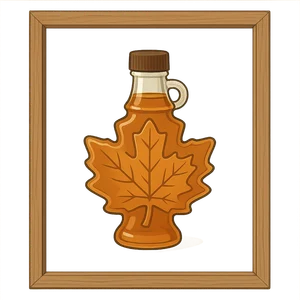
Maple Syrup
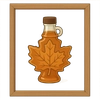
Maple syrup is a sweet condiment made from the circulating fluid, or sap, of maple trees.
Reads at Grades 6–8 Listens at Grades 4–8
Print & create
Answer keys·No prep·Free with an account
28 worksheets · answer keys · full story · quiz · Ages 10-12 · CEFR B2
Plus adds 164,000+ more stories in 27 languages, audio for every one, and printables for all of them.
Just want Maple Syrup?
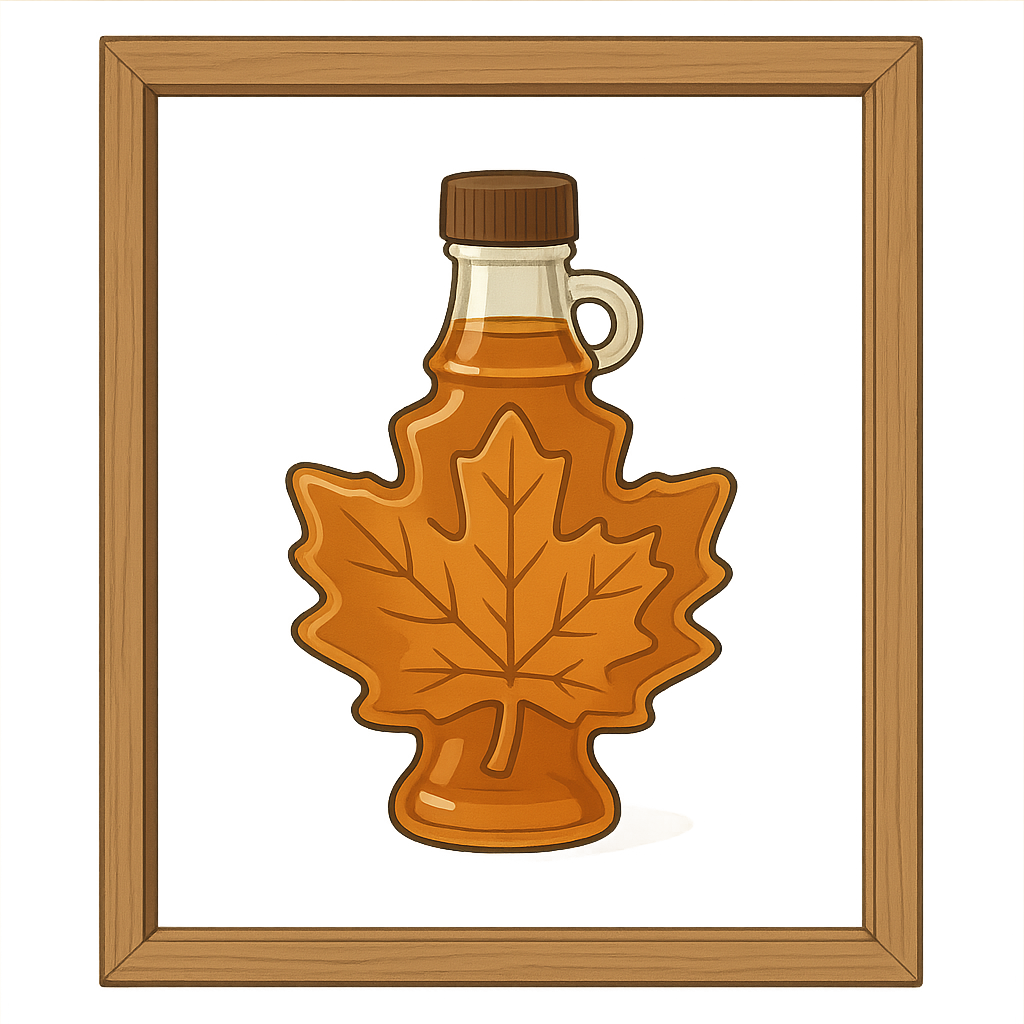
Before you ever tasted me on a warm pancake, I was a secret held deep inside the forest. I am the lifeblood of the maple tree, a clear, watery substance that lies dormant through the frozen winter. But when the world begins to thaw, when the days grow longer but the nights stay cold, something magical stirs within my wooden home. I begin to flow, a clear, cool liquid, just faintly sweet, rising from the roots to the branches. The Indigenous peoples of Northeastern North America knew my secret first. They understood the rhythm of the seasons that called me forth. The Anishinaabe called me 'ziinzibaakwad,' and the Algonquin word 'sinzibuckwud' means 'drawn from wood.' They saw me as a gift, a promise that the harsh winter was ending and spring would return. I am the golden, sweet treasure of the forest. I am Maple Syrup.
For centuries before European ships reached the shores of North America, I was part of a joyful celebration marking the end of winter. The Anishinaabe, Haudenosaunee, and other nations would watch for the 'Sugar Moon,' the full moon of late winter that signaled I was ready to flow. An old Anishinaabe legend tells of my discovery when a chief, after throwing his tomahawk into a maple tree, left for the day's hunt. His wife saw the clear liquid dripping from the gash and, needing water for cooking, collected it. As she boiled their meal, a wonderfully sweet aroma filled the camp, and they realized a delicious secret had been revealed. The people learned to make V-shaped cuts in the bark and collect me in containers made of birch bark. To transform me from watery sap—which is about ninety-eight percent water—into a thick, rich syrup, they would drop fire-heated rocks into clay or wooden pots full of my liquid. This was a long, patient process that filled the air with sweet steam and was a time for the community to gather and celebrate the gift of the land.
The Golden Gift of the Maple Tree
Before you ever tasted me on a warm pancake, I was a secret held deep inside the forest. I am the lifeblood of the maple tree, a clear, watery substance that lies dormant through the frozen winter. But when the world begins to thaw, when the days grow longer but the nights stay cold, something magical stirs within my wooden home. I begin to flow, a clear, cool liquid, just faintly sweet, rising from the roots to the branches. The Indigenous peoples of Northeastern North America knew my secret first. They understood the rhythm of the seasons that called me forth. The Anishinaabe called me 'ziinzibaakwad,' and the Algonquin word 'sinzibuckwud' means 'drawn from wood.' They saw me as a gift, a promise that the harsh winter was ending and spring would return. I am the golden, sweet treasure of the forest. I am Maple Syrup.
For centuries before European ships reached the shores of North America, I was part of a joyful celebration marking the end of winter. The Anishinaabe, Haudenosaunee, and other nations would watch for the 'Sugar Moon,' the full moon of late winter that signaled I was ready to flow. An old Anishinaabe legend tells of my discovery when a chief, after throwing his tomahawk into a maple tree, left for the day's hunt. His wife saw the clear liquid dripping from the gash and, needing water for cooking, collected it. As she boiled their meal, a wonderfully sweet aroma filled the camp, and they realized a delicious secret had been revealed. The people learned to make V-shaped cuts in the bark and collect me in containers made of birch bark. To transform me from watery sap—which is about ninety-eight percent water—into a thick, rich syrup, they would drop fire-heated rocks into clay or wooden pots full of my liquid. This was a long, patient process that filled the air with sweet steam and was a time for the community to gather and celebrate the gift of the land.
In the 17th century, new people arrived in the forests—European colonists. They were astonished to see people making sugar from trees and learned the process from their Indigenous neighbors. French missionary records from the 1630s are some of the first written accounts describing my creation. The colonists brought with them new tools that changed my journey. Instead of making gashes in the bark, they used metal drill bits to bore small, clean holes, called taps. Instead of birch bark buckets, they hung wooden or metal pails. And most importantly, they used large iron kettles hung over roaring fires to boil me down. This method was much faster than using hot stones. I became a vital source of sugar for the colonists, as expensive cane sugar had to travel a long and difficult journey across the ocean. I was a taste of their new home, a sweetness drawn directly from the land. As time went on, inventors kept refining the process. On October 2nd, 1858, a man named D. M. Cook was issued a patent for a new device: the evaporator. It was a large, flat pan with channels that allowed the sap to heat evenly and boil off water much more efficiently, resulting in the clear, beautiful syrup you know today.
Today, my journey from the tree to the table is a fascinating mix of ancient tradition and modern technology. In the great maple forests of Quebec, Canada, and Vermont in the United States, you might see my journey begin in a web of plastic tubing. These tubes connect thousands of trees, using gravity or vacuum pressure to carry me directly to a building called a 'sugarhouse.' Inside, some of my water might be removed through a process called reverse osmosis before I am finally boiled in huge, shiny stainless-steel evaporators. My flavor and color change as the season progresses. At the beginning, I am a light, delicate 'Golden Delicate Taste.' By the end of the season, I become a 'Very Dark Strong Taste,' robust and full-bodied. I have become so precious that people call me 'liquid gold.' My value was proven between August of 2011 and July of 2012, when thieves in Quebec staged the Great Maple Syrup Heist, stealing nearly three thousand tons of me, worth about eighteen million dollars. It was a shocking event, but it showed just how much the world had come to love my unique, forest-born flavor.
So, the next time you pour me over your breakfast, take a moment to remember my long and remarkable story. I am so much more than just a sweet topping. I am a direct connection to the cycles of nature, a tradition passed down through generations, and a taste of history itself. From an ancient Indigenous legend whispered around a fire to a modern global treasure so valuable it inspires daring heists, I represent the sweet partnership between people and the forest. Every single drop of me holds the memory of a cold spring morning, the warmth of a fire, and the joy of a shared meal. I am a golden thread, connecting the deep woods of the past to your family’s table today.
Wow facts
About
Maple syrup is a sweet condiment made from the circulating fluid, or sap, of maple trees. Its production was pioneered by the Indigenous peoples of Northeastern North America.
Take a Quiz
Question 1 of 5
Based on the story, summarize the main evolution of maple syrup production.
Explore next


Want to do even more?
Go beyond exploring. Unlock tools that turn every story into real learning.

Storypie Plus for families
Full stories, quizzes, and printables. Nights and car rides, sorted.
- Unlimited audio stories
- Create Mode: your child stars in the story
- Offline downloads
- Printable worksheets & coloring pages

Why Storypie for Schools
Students engaged. Prep in seconds. Evenings back to you.
- Worksheets & Quizzes
- Classroom Management
- Formative Assessment
- Custom Curriculum & Lesson Plans
- 27 Languages

Why Storypie for Homeschool
Curriculum done. They'll ask for more. Hours back in your day.
- Worksheet Generator
- First-Person Audio Stories
- Built-in Comprehension Quizzes
- Custom Curriculum & Lesson Plans
- Print & Go Activities