English

Inuit
Inuit are a group of culturally similar Indigenous peoples inhabiting the Arctic and subarctic regions of…
Reads at Grades 3–5 Listens at Grades 1–5
Print & create
Answer keys·No prep·Free with an account
28 worksheets · answer keys · full story · quiz · Ages 8-10 · CEFR B1
Plus adds 116,000+ more stories in 27 languages, audio for every one, and printables for all of them.
Just want Inuit?
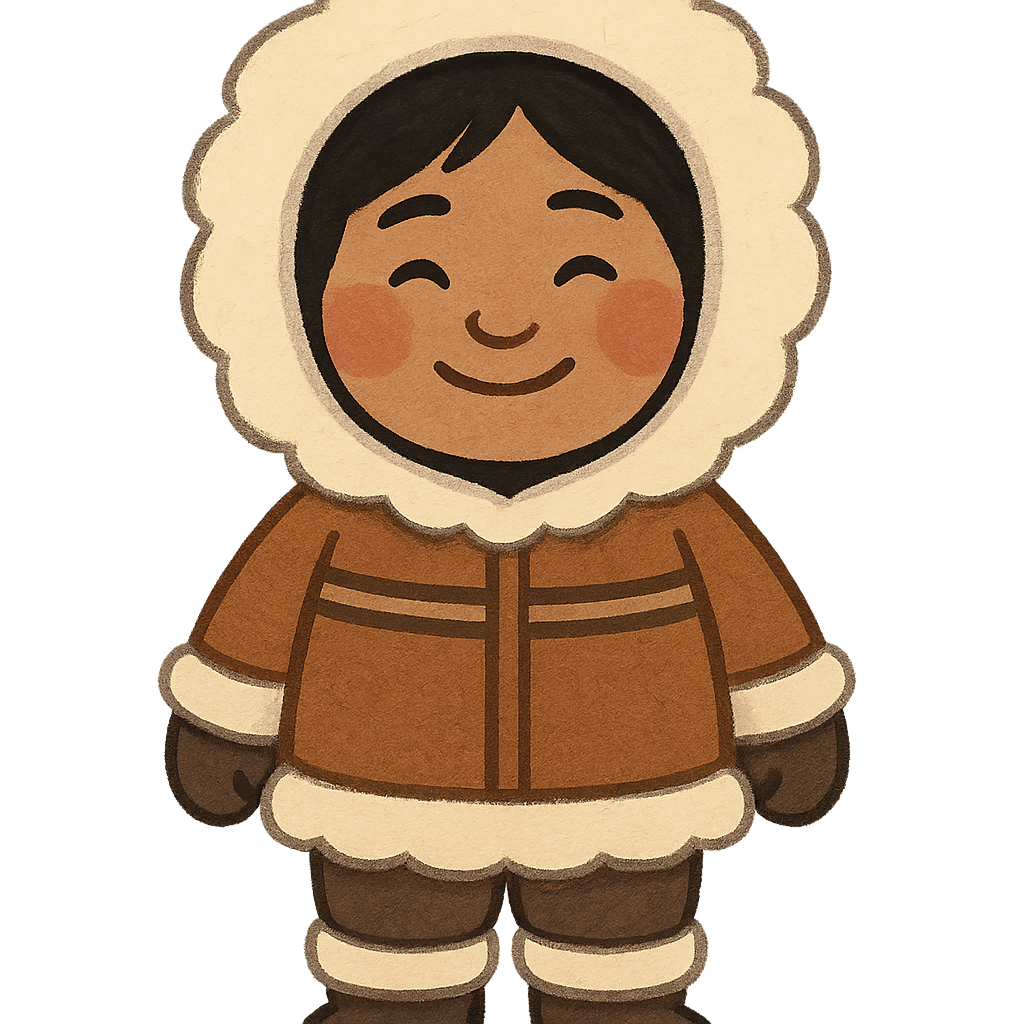
Hello. We are the Inuit. In our language, Inuktitut, our name means “the people,” and we want to share our story with you. Our homeland is a vast and beautiful place called Inuit Nunangat. It is a huge territory that stretches across the icy landscapes of the Arctic, from parts of Greenland, across northern Canada, and into Alaska. For thousands of years, this land of snow, ice, and sea has been our home. We want you to know that while we are all Inuit and share a culture, we are also made up of many different groups, each with its own unique traditions across this wide land.
Our story in this part of the world begins with a great journey. Our ancestors, who are known today as the Thule people, were amazing travelers and skilled hunters. About 1,000 years ago, they began a long migration that started in the area of modern-day Alaska. They didn’t travel just for the sake of exploring; they were following the animals they depended on for survival. They moved with the seasons, hunting the whales and seals that provided food for their families and materials for their tools and clothing. Their expert knowledge of the land and sea allowed them to travel across the entire North American Arctic. This incredible journey is how we, their descendants, came to live in the communities we do today.
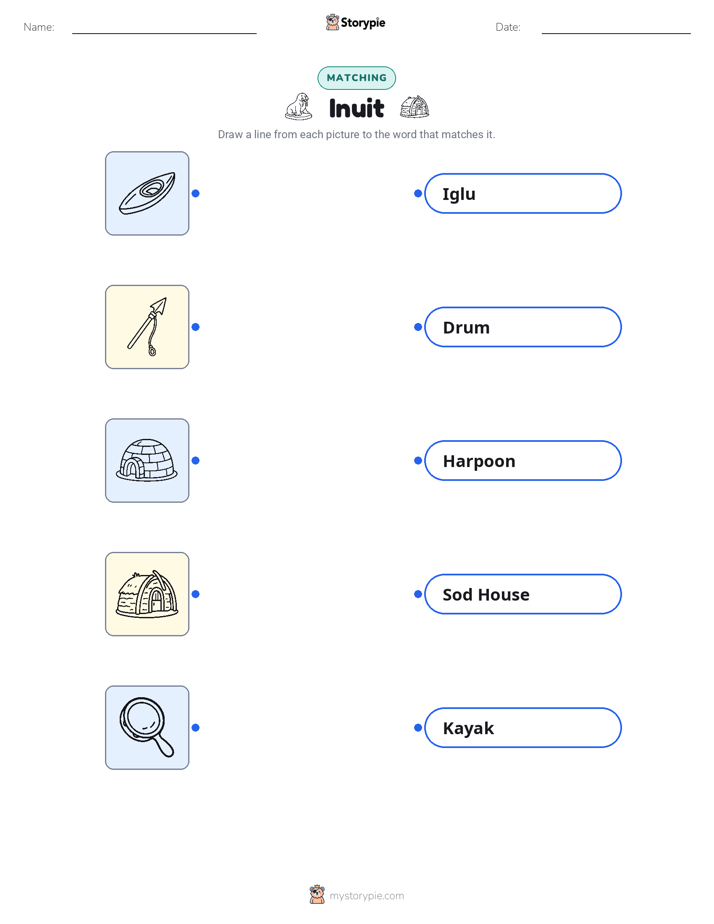
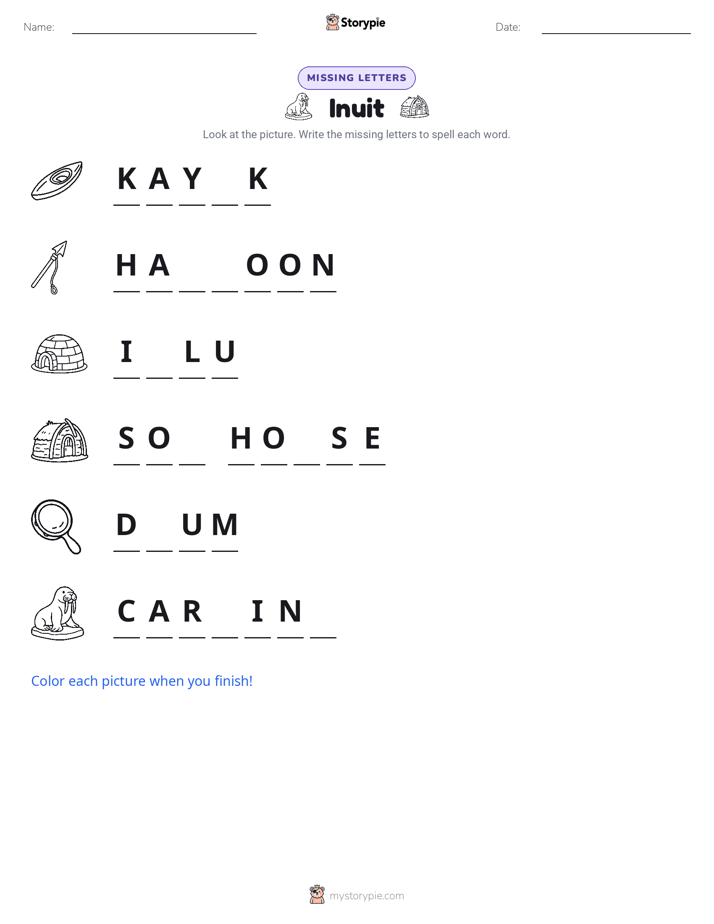
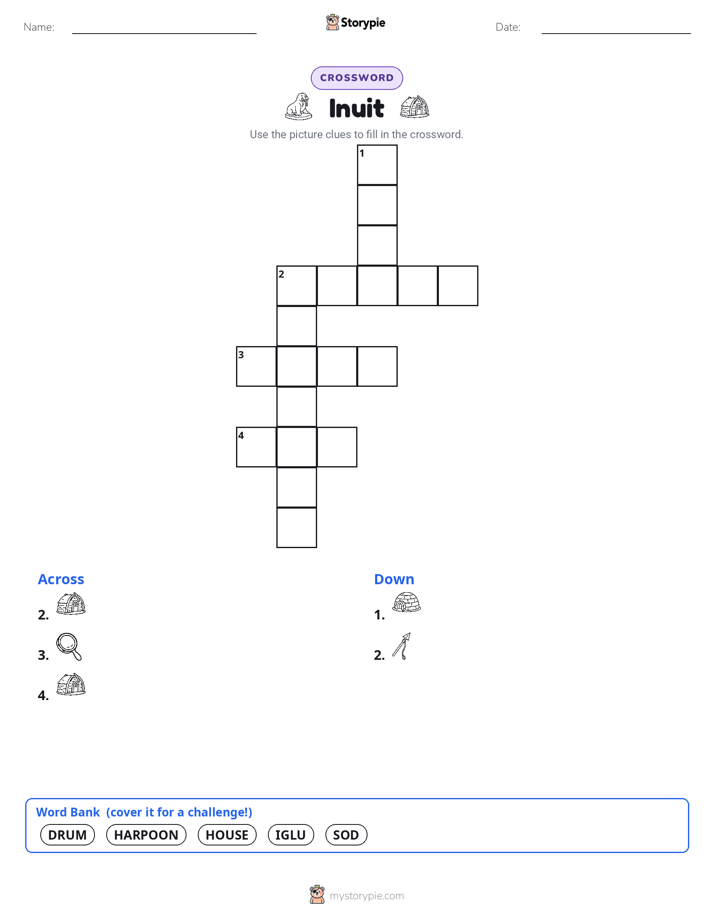
To live and thrive in such a challenging environment, our ancestors developed many clever skills and inventions. They were brilliant engineers who used the materials around them to create everything they needed. For hunting on the water, we built the qajaq, which you might know as a kayak. It was a fast, light, and quiet boat that allowed a hunter to move silently through the water and get close to seals and other animals. For traveling across the frozen land and sea ice, we created the qamutik, a type of dogsled pulled by our strong and loyal dogs. And for shelter, we built the iglu. An iglu is not just a pile of snow; it is a strong, dome-shaped house built from blocks of hard-packed snow. The design was so clever that the warmth from our bodies and a small lamp would be trapped inside, keeping us safe and warm even when the wind howled outside.
We Are Inuit, the People of the Arctic
Hello. We are the Inuit. In our language, Inuktitut, our name means “the people,” and we want to share our story with you. Our homeland is a vast and beautiful place called Inuit Nunangat. It is a huge territory that stretches across the icy landscapes of the Arctic, from parts of Greenland, across northern Canada, and into Alaska. For thousands of years, this land of snow, ice, and sea has been our home. We want you to know that while we are all Inuit and share a culture, we are also made up of many different groups, each with its own unique traditions across this wide land.
Our story in this part of the world begins with a great journey. Our ancestors, who are known today as the Thule people, were amazing travelers and skilled hunters. About 1,000 years ago, they began a long migration that started in the area of modern-day Alaska. They didn’t travel just for the sake of exploring; they were following the animals they depended on for survival. They moved with the seasons, hunting the whales and seals that provided food for their families and materials for their tools and clothing. Their expert knowledge of the land and sea allowed them to travel across the entire North American Arctic. This incredible journey is how we, their descendants, came to live in the communities we do today.
To live and thrive in such a challenging environment, our ancestors developed many clever skills and inventions. They were brilliant engineers who used the materials around them to create everything they needed. For hunting on the water, we built the qajaq, which you might know as a kayak. It was a fast, light, and quiet boat that allowed a hunter to move silently through the water and get close to seals and other animals. For traveling across the frozen land and sea ice, we created the qamutik, a type of dogsled pulled by our strong and loyal dogs. And for shelter, we built the iglu. An iglu is not just a pile of snow; it is a strong, dome-shaped house built from blocks of hard-packed snow. The design was so clever that the warmth from our bodies and a small lamp would be trapped inside, keeping us safe and warm even when the wind howled outside.
Our survival has always depended on working together. Family and community are at the very heart of our way of life. One of our most important traditions was sharing. When a hunter returned with a seal or a whale, the food was shared with everyone in the group. This ensured that no one went hungry, especially children and Elders. Our Elders hold a special place of honor in our communities. They are our teachers and our historians, responsible for passing down important knowledge, our laws, and our history from one generation to the next through storytelling. They taught us everything from how to read the weather to how to live with respect for the land and the animals. We have also always expressed our stories and our connection to the world through art, such as beautiful and detailed carvings made from stone and bone.
Our world has seen many changes over the years, but we continue to be a strong and vibrant people. Today, we live in modern towns and work in all kinds of jobs, from teachers and artists to scientists and political leaders. We have learned to blend our deep traditional knowledge with modern technology. A hunter might use a GPS to navigate but will still rely on the wisdom passed down from their grandparents to understand the movement of the ice. A very important moment in our recent history happened in 1999, when we helped create Nunavut, a new territory in Canada. This was a major step for us, as it allows us to govern ourselves and make decisions that protect our language, our culture, and our land for all the generations of Inuit yet to come.
Wow facts
About
Inuit are a group of culturally similar Indigenous peoples inhabiting the Arctic and subarctic regions of Greenland, Canada, and Alaska, known for their resilience, ingenuity, and deep connection to the land and sea.
Take a Quiz
Question 1 of 5
Who were the ancestors of the Inuit people who migrated from Alaska about 1,000 years ago?
Explore next



Want to do even more?
Go beyond exploring. Unlock tools that turn every story into real learning.

Storypie Plus for families
Full stories, quizzes, and printables. Nights and car rides, sorted.
- Unlimited audio stories
- Create Mode: your child stars in the story
- Offline downloads
- Printable worksheets & coloring pages

Why Storypie for Schools
Students engaged. Prep in seconds. Evenings back to you.
- Worksheets & Quizzes
- Classroom Management
- Formative Assessment
- Custom Curriculum & Lesson Plans
- 27 Languages

Why Storypie for Homeschool
Curriculum done. They'll ask for more. Hours back in your day.
- Worksheet Generator
- First-Person Audio Stories
- Built-in Comprehension Quizzes
- Custom Curriculum & Lesson Plans
- Print & Go Activities