English

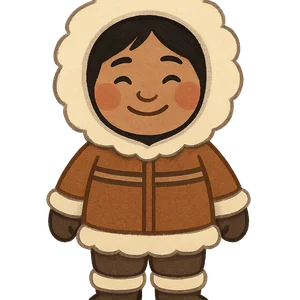
Inuit
Inuit are a group of culturally similar Indigenous peoples inhabiting the Arctic and subarctic regions of…
Reads at Grades 6–8 Listens at Grades 4–8
Print & create
Answer keys·No prep·Free with an account
28 worksheets · answer keys · full story · quiz · Ages 10-12 · CEFR B2
Plus adds 164,000+ more stories in 27 languages, audio for every one, and printables for all of them.
Just want Inuit?
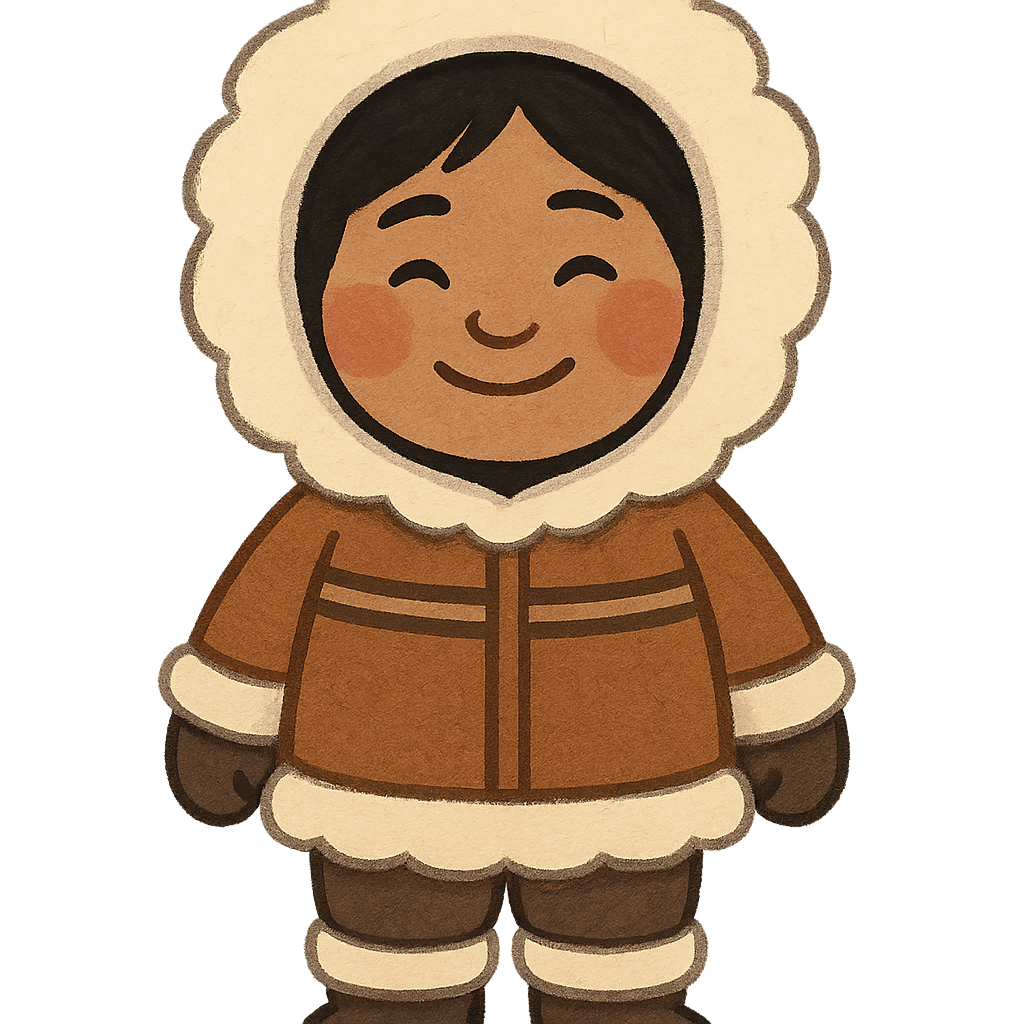
Hello. We are the Inuit, the Indigenous people whose homeland stretches across the vast Arctic regions of Greenland, Canada, and Alaska. In our language, Inuktitut, the word ‘Inuit’ simply means ‘the people.’ Our story in this land is ancient, and our ancestors, known as the Thule people, began a great migration across the Arctic from what is now Alaska around the year 1000 CE. We are not one single group, but many distinct peoples who are connected by our related languages and a shared cultural heritage shaped by the rhythms of the Far North. For generations, we have lived and thrived in one of the world's most challenging environments, and our culture reflects a deep understanding of the land, the sea, and the ice.
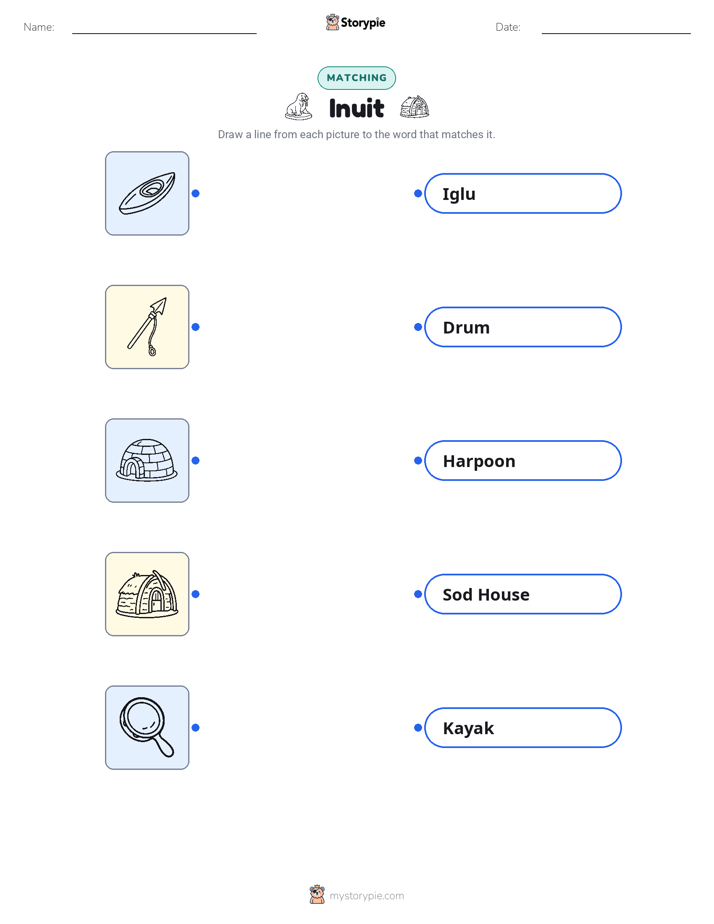
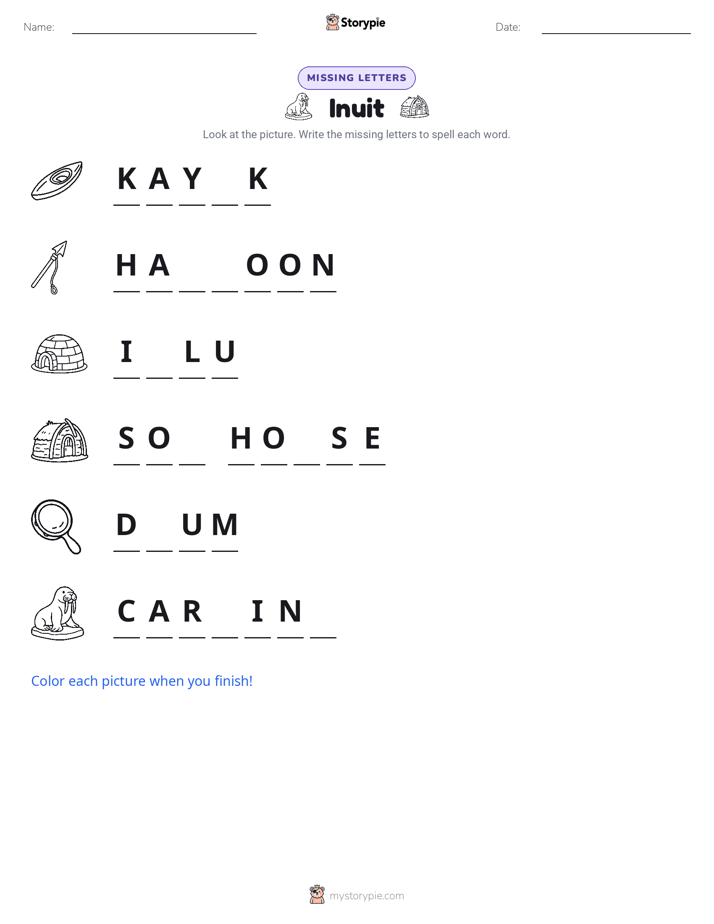
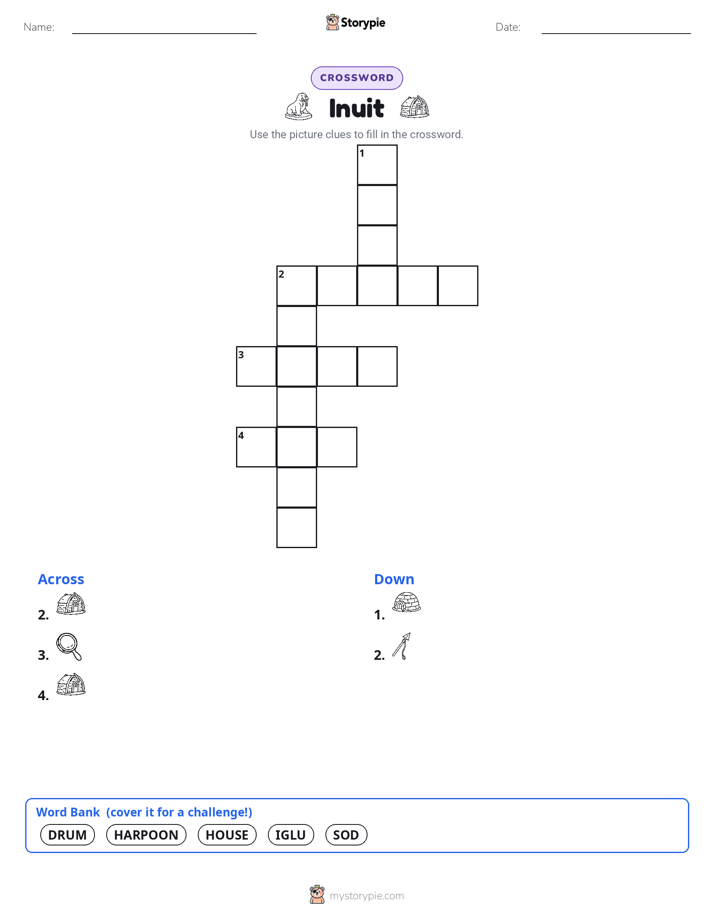
Living in the Arctic required great resourcefulness, and we developed ingenious technology to survive and flourish. For traveling and hunting on the water, we created the qajaq, which you might know as a kayak. This sleek, light vessel allowed a hunter to move swiftly and silently through the icy waters, getting close to seals and other sea mammals. To hunt these animals, we invented the toggling harpoon, a brilliant tool with a detachable head that would pivot, or toggle, under the animal's skin, securing it to the hunter's line. Our homes were just as cleverly designed. While many people think of the iglu, or snow house, this was often a temporary shelter built during long hunting trips. Our more permanent family homes were sturdy, semi-underground structures built from stone, sod, and strong whalebones, designed to protect us from the extreme cold.
We Are Inuit: The People of the Arctic
Hello. We are the Inuit, the Indigenous people whose homeland stretches across the vast Arctic regions of Greenland, Canada, and Alaska. In our language, Inuktitut, the word ‘Inuit’ simply means ‘the people.’ Our story in this land is ancient, and our ancestors, known as the Thule people, began a great migration across the Arctic from what is now Alaska around the year 1000 CE. We are not one single group, but many distinct peoples who are connected by our related languages and a shared cultural heritage shaped by the rhythms of the Far North. For generations, we have lived and thrived in one of the world's most challenging environments, and our culture reflects a deep understanding of the land, the sea, and the ice.
Living in the Arctic required great resourcefulness, and we developed ingenious technology to survive and flourish. For traveling and hunting on the water, we created the qajaq, which you might know as a kayak. This sleek, light vessel allowed a hunter to move swiftly and silently through the icy waters, getting close to seals and other sea mammals. To hunt these animals, we invented the toggling harpoon, a brilliant tool with a detachable head that would pivot, or toggle, under the animal's skin, securing it to the hunter's line. Our homes were just as cleverly designed. While many people think of the iglu, or snow house, this was often a temporary shelter built during long hunting trips. Our more permanent family homes were sturdy, semi-underground structures built from stone, sod, and strong whalebones, designed to protect us from the extreme cold.
Our survival depended not just on technology, but on the strength of our communities. Family and cooperation were at the heart of our way of life. A central value in our culture has always been the sharing of food. When a hunter was successful, the food was shared throughout the community, which ensured that everyone, especially elders and children, had enough to eat. This practice strengthened our bonds and helped us endure difficult times together. Our traditional beliefs taught us that we were part of a world full of life and spirit. We understood that an inua, or spirit, exists in all living things and even in natural objects like rocks and the wind. Spiritual healers, whom we call angakkuit, helped guide our communities. To have a successful hunt, it was essential to show respect to the spirits of the animals, a belief that guided our relationship with the natural world.
We have always expressed our culture and history through our art. Our carvers are known for creating detailed figures from materials found in our environment, such as soapstone, walrus ivory, and caribou antler. These carvings often show the animals that are important to us, like bears, seals, and birds, and they also depict scenes from our daily and spiritual lives. Our voices have also carried our traditions forward through time. Storytelling is a vital art that passes on our history and traditional knowledge from one generation to the next. We also have unique forms of music, such as katajjaq, or throat singing, often performed by two women in a playful, rhythmic game. Drum dancing is another powerful way we celebrate, tell stories, and come together as a community.
Our world began to change profoundly with the arrival of European whalers, traders, and missionaries. This contact brought new trade economies and technologies, but it also introduced diseases that our people had no immunity against. Governments in the south created new policies that deeply affected our way of life. One of the most difficult parts of this history was the creation of residential schools. These schools were designed to assimilate our children into a different culture. They were taken from their homes, disconnecting them from their families, their language, and their traditions, leaving a legacy of pain that we are still healing from today.
Despite these challenges, our spirit remains strong, and our culture is vibrant and alive. Today, most of us live in permanent towns and cities across the north, where we blend contemporary life with our cherished traditions. We are artists, leaders, teachers, and hunters. A landmark achievement in our history came in 1999, when the territory of Nunavut was created in Canada. This was a major step in self-governance, giving us more control over our lands and our future. We continue to share our culture with the world through our incredible art, and we play an important role in advocating for the protection of the Arctic environment, a place we have always called home and will continue to steward for generations to come.
Wow facts
About
Inuit are a group of culturally similar Indigenous peoples inhabiting the Arctic and subarctic regions of Greenland, Canada, and Alaska, known for their resilience, ingenuity, and deep connection to the land and sea.
Take a Quiz
Question 1 of 5
According to the story, what was the primary difference between an iglu and a semi-underground home?
Explore next




Want to do even more?
Go beyond exploring. Unlock tools that turn every story into real learning.

Storypie Plus for families
Full stories, quizzes, and printables. Nights and car rides, sorted.
- Unlimited audio stories
- Create Mode: your child stars in the story
- Offline downloads
- Printable worksheets & coloring pages

Why Storypie for Schools
Students engaged. Prep in seconds. Evenings back to you.
- Worksheets & Quizzes
- Classroom Management
- Formative Assessment
- Custom Curriculum & Lesson Plans
- 27 Languages

Why Storypie for Homeschool
Curriculum done. They'll ask for more. Hours back in your day.
- Worksheet Generator
- First-Person Audio Stories
- Built-in Comprehension Quizzes
- Custom Curriculum & Lesson Plans
- Print & Go Activities