English

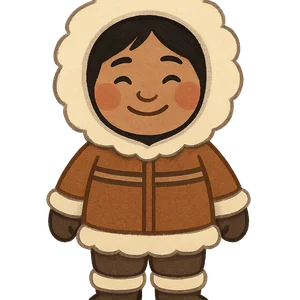
Inuit
Inuit are a group of culturally similar Indigenous peoples inhabiting the Arctic and subarctic regions of…
Reads at Grades K-2 Listens at K–3
Print & create
Answer keys·No prep·Free with an account
28 worksheets · answer keys · full story · quiz · Ages 6-8 · CEFR A2
Plus adds 164,000+ more stories in 27 languages, audio for every one, and printables for all of them.
Just want Inuit?
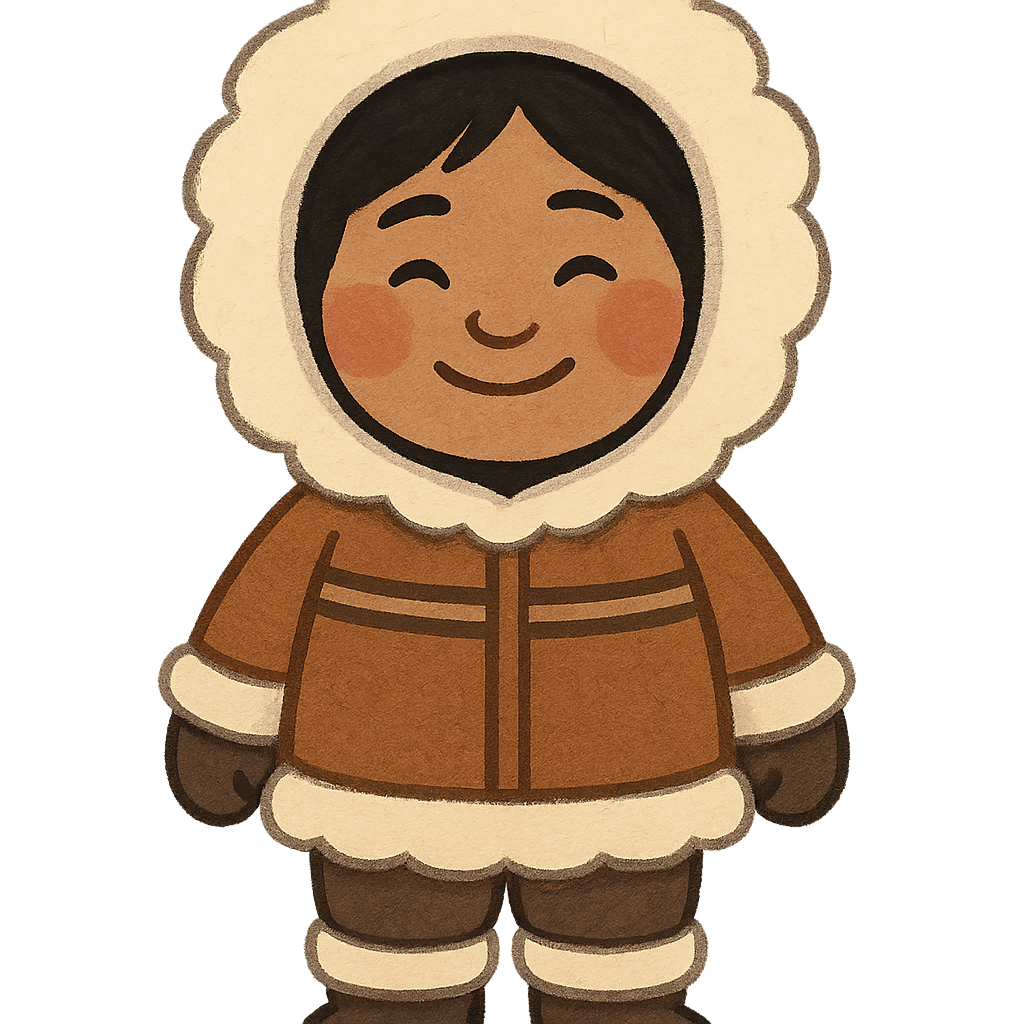
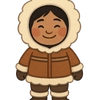
We are the Inuit. Our home is in the Arctic, a vast and beautiful part of the world. For generations, our families have lived in places we now call Greenland, Canada, and Alaska. We have a special name for our ancestral homeland: Inuit Nunangat. This name is important because it doesn't just mean the land. It means everything that is part of our home—the land, the water, and the ice that we use and occupy. This snowy, icy world has always been the center of our lives and our culture.
Long ago, our lives followed the rhythm of the seasons and the movement of the animals. We learned to be expert hunters and fishers to provide for our families. In the icy waters, we hunted for seals, walruses, and even large whales. On the land, we followed the herds of caribou. We have always had a deep respect for the animals that gave us life. Because of this, we made sure that nothing was ever wasted. We used every single part of the animal. The meat became our food, while the warm fur and skin were carefully prepared to make our clothing. Even the bones were valuable, as we shaped them into strong tools for hunting and daily life.
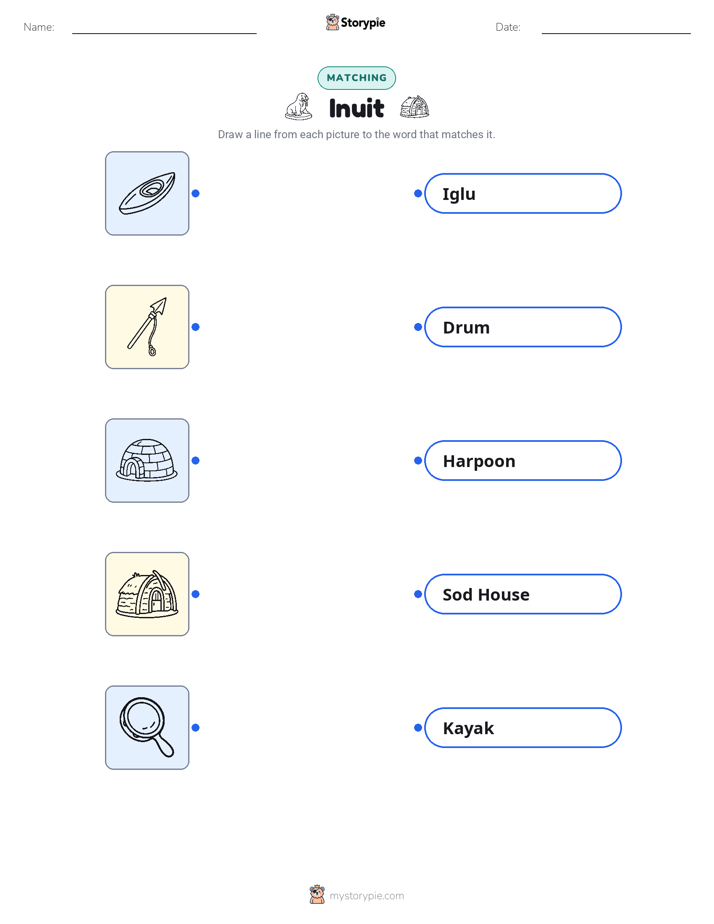
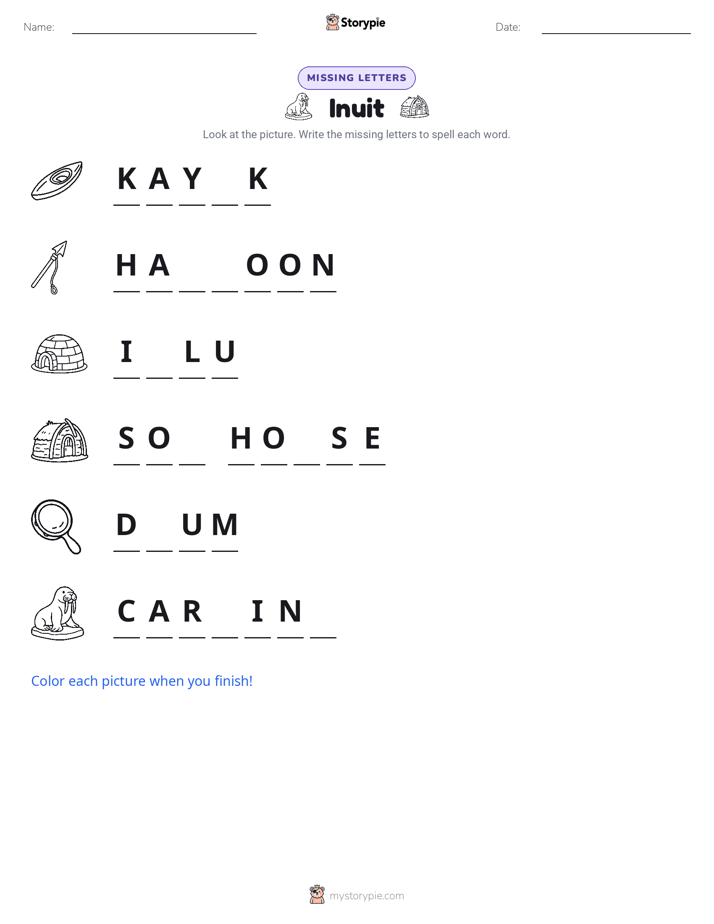
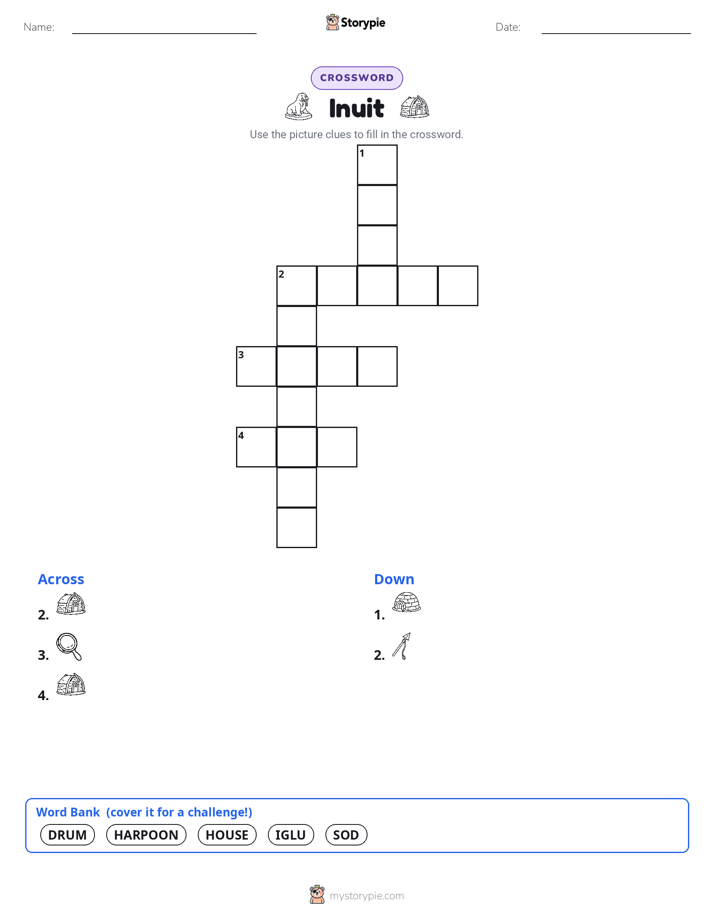
To live well in the cold, we invented many clever things that helped us travel and find food. For hunting on the sea, we built a special kind of boat called a qajaq, which you might know as a kayak. These boats were sleek and fast, allowing a single hunter to move quietly through the water. To travel across the wide expenses of snow, we used dog sleds called qamutiit. Our dogs were strong and worked together to pull us and our supplies over long distances. When we were away on hunting trips, some of us would build temporary shelters from blocks of snow. These were called igluit. Our more permanent homes, however, were not made of snow. They were strong houses built from sod, stone, and the bones of whales.
Our Story of the Arctic
We are the Inuit. Our home is in the Arctic, a vast and beautiful part of the world. For generations, our families have lived in places we now call Greenland, Canada, and Alaska. We have a special name for our ancestral homeland: Inuit Nunangat. This name is important because it doesn't just mean the land. It means everything that is part of our home—the land, the water, and the ice that we use and occupy. This snowy, icy world has always been the center of our lives and our culture.
Long ago, our lives followed the rhythm of the seasons and the movement of the animals. We learned to be expert hunters and fishers to provide for our families. In the icy waters, we hunted for seals, walruses, and even large whales. On the land, we followed the herds of caribou. We have always had a deep respect for the animals that gave us life. Because of this, we made sure that nothing was ever wasted. We used every single part of the animal. The meat became our food, while the warm fur and skin were carefully prepared to make our clothing. Even the bones were valuable, as we shaped them into strong tools for hunting and daily life.
To live well in the cold, we invented many clever things that helped us travel and find food. For hunting on the sea, we built a special kind of boat called a qajaq, which you might know as a kayak. These boats were sleek and fast, allowing a single hunter to move quietly through the water. To travel across the wide expenses of snow, we used dog sleds called qamutiit. Our dogs were strong and worked together to pull us and our supplies over long distances. When we were away on hunting trips, some of us would build temporary shelters from blocks of snow. These were called igluit. Our more permanent homes, however, were not made of snow. They were strong houses built from sod, stone, and the bones of whales.
Our families and our communities have always been very important to us. We believe in working together and sharing what we have. We learn so much from our elders, who hold the wisdom and traditional skills of our people. They teach us everything from how to hunt to how to live a good life. We also keep our culture alive by sharing our history through exciting stories, songs, and powerful drum dancing. Art is another important way we share who we are. Many of our artists create beautiful carvings from materials like soapstone or bone. These detailed carvings often show the animals and spirits that are part of our world and our beliefs.
Today, our lives have changed in many ways, but we, the Inuit, are still here in our Arctic homeland. Many of us now live in modern towns that have schools, stores, and comfortable houses. We have all kinds of different jobs, from teachers to pilots to artists. While we live in a modern world, we also work very hard to keep our culture strong and pass it on to our children. We speak our languages, like Inuktitut, and we continue to practice the traditions that were passed down to us by our ancestors. Our connection to the land, our stories, and our community continues to guide us.
Wow facts
About
Inuit are a group of culturally similar Indigenous peoples inhabiting the Arctic and subarctic regions of Greenland, Canada, and Alaska, known for their resilience, ingenuity, and deep connection to the land and sea.
Take a Quiz
Question 1 of 4
What is the name for the Inuit ancestral homeland?
Explore next



Want to do even more?
Go beyond exploring. Unlock tools that turn every story into real learning.

Storypie Plus for families
Full stories, quizzes, and printables. Nights and car rides, sorted.
- Unlimited audio stories
- Create Mode: your child stars in the story
- Offline downloads
- Printable worksheets & coloring pages

Why Storypie for Schools
Students engaged. Prep in seconds. Evenings back to you.
- Worksheets & Quizzes
- Classroom Management
- Formative Assessment
- Custom Curriculum & Lesson Plans
- 27 Languages

Why Storypie for Homeschool
Curriculum done. They'll ask for more. Hours back in your day.
- Worksheet Generator
- First-Person Audio Stories
- Built-in Comprehension Quizzes
- Custom Curriculum & Lesson Plans
- Print & Go Activities