English

Battle of the Alamo
A pivotal 13-day siege in 1836 during the Texas Revolution…
Reads at Grades 6–8 Listens at Grades 4–8
Print & create
Answer keys·No prep·Free with an account
28 worksheets · answer keys · full story · quiz · Ages 10-12 · CEFR B2
Plus adds 279,000+ more stories in 27 languages, audio for every one, and printables for all of them.
Just want Battle of the Alamo?
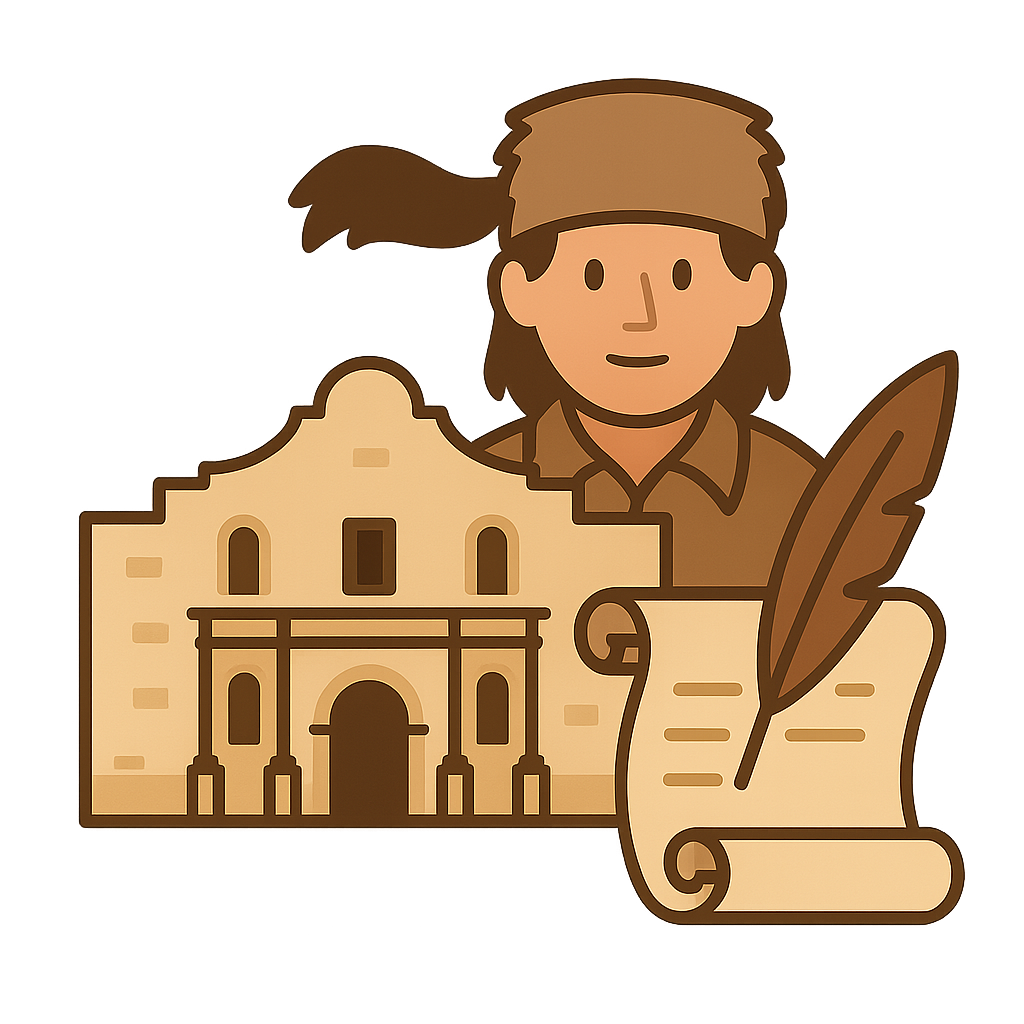
A New Frontier
They call me Davy Crockett, and for a good while, I was a congressman from the great state of Tennessee. But the halls of Washington D.C., with all their polished words and political squabbles, started to feel smaller than a shoebox. I was a frontiersman at heart, raised in the wild, and my spirit yearned for wide-open spaces and a new adventure. So, in 1835, after a tough political defeat, I told my colleagues, 'You may all go to hell, and I will go to Texas'. And I meant it. I gathered a group of volunteers and headed west, drawn by the promise of vast, unclaimed land and the chance to build something new. We journeyed for weeks, crossing rivers and prairies until we arrived in a dusty but bustling town called San Antonio de Béxar. There was a feeling of raw possibility in the air, a sense that a person could carve out a new life here. But there was also a low rumble of trouble. The American settlers, who called themselves Texians, were growing more and more at odds with the Mexican government and its powerful leader, General Antonio López de Santa Anna. He was tightening his grip, taking away freedoms the settlers had come to expect, and the talk of rebellion was getting louder every day.
A Red Flag and a Line in the Sand
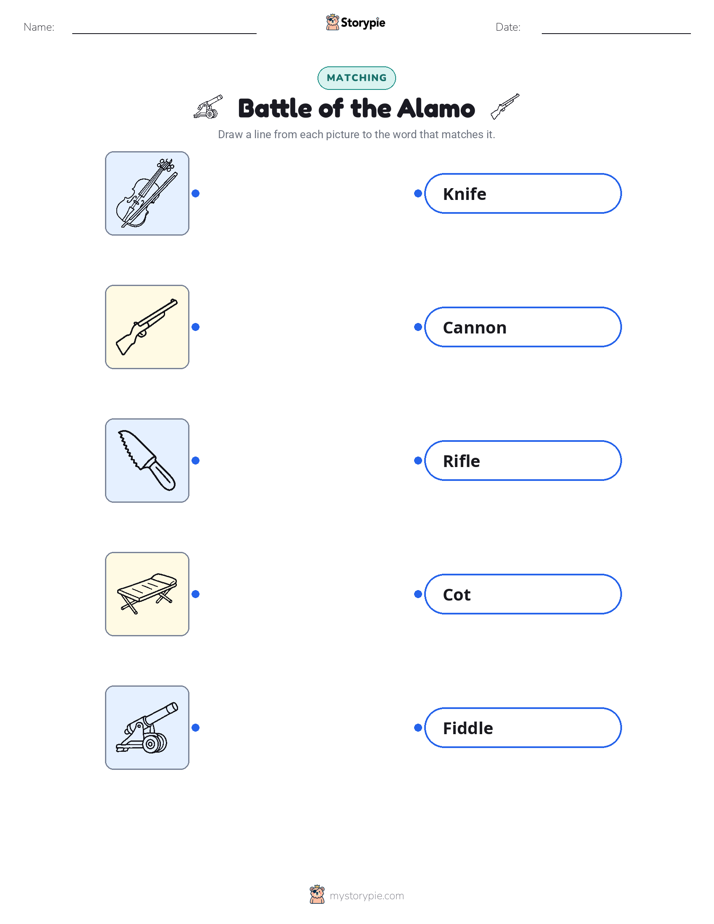
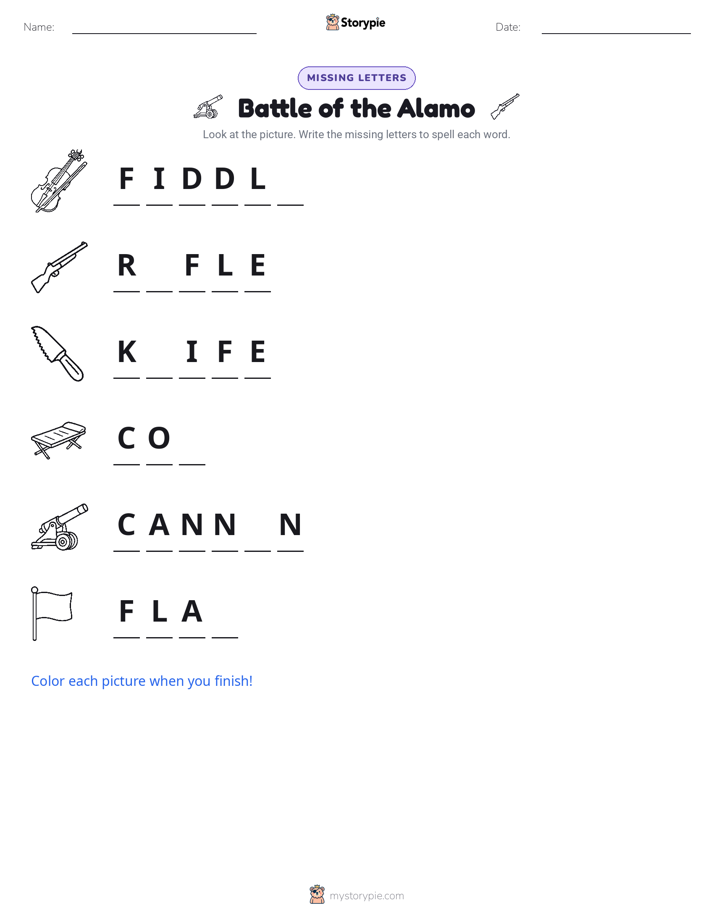
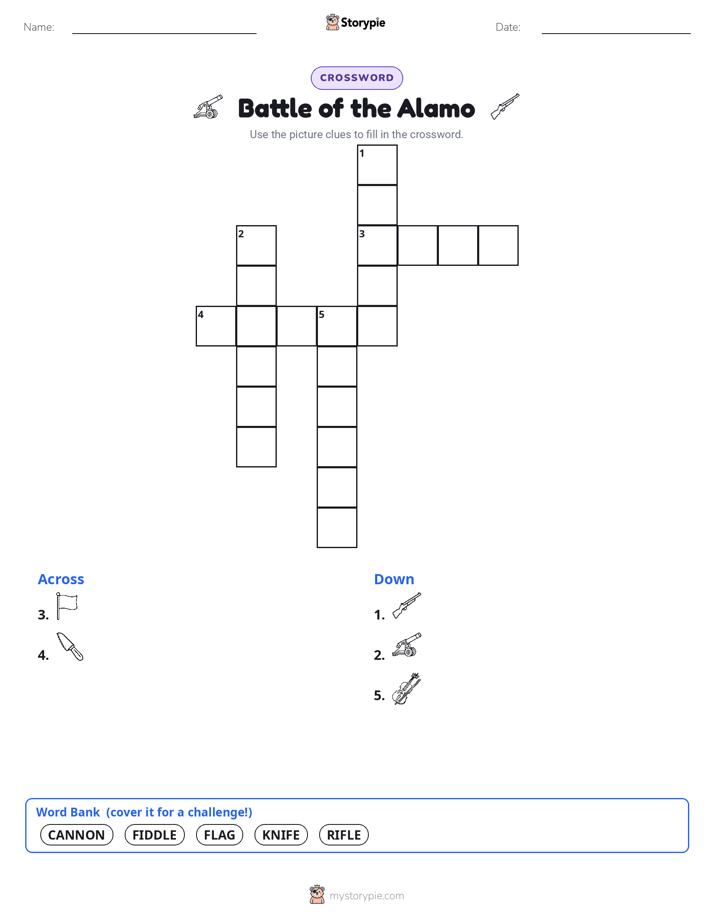
It wasn't long before that talk turned into action. I believed in the cause of freedom these Texians were fighting for, so I, along with my Tennessee volunteers, decided to join their small army. Our post was an old, crumbling Spanish mission on the edge of town. You may have heard of it. the Alamo. It wasn't much of a fort, with its broken-down walls and wide-open gaps, but it was all we had. Inside, I met the men who would lead us. There was Colonel William B. Travis, a determined and passionate young lawyer, barely 26 years old, who was given command. And then there was the legendary Jim Bowie, famous for his formidable knife, though when I met him, he was terribly ill with pneumonia, confined to a cot. We were a mismatched group of about 200 men—farmers, adventurers, and settlers—preparing to face a professional army thousands strong. On February 23rd, 1836, that army arrived. General Santa Anna and his soldiers appeared on the horizon, and soon they surrounded our little mission. From a church tower in town, they raised a blood-red flag. It was a terrifying sight, a signal that meant no surrender would be accepted and no mercy would be shown. We were completely cut off. Colonel Travis knew we needed help, so he penned a powerful letter addressed 'To the People of Texas and All Americans in the World'. He wrote of our dire situation but ended with a defiant promise: 'Victory or Death'. He sent riders to try and sneak past the enemy lines, hoping reinforcements would arrive. Days passed, and none came. As the situation grew more desperate, legend says that Colonel Travis called us all together. He drew a line in the sand with his sword and asked any man willing to stay and fight to the last to cross it. Every man, save for one, stepped across. Even Jim Bowie, too sick to stand, asked to be carried over the line on his cot. We had made our choice.
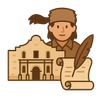
Davy Crockett and the Battle of the Alamo
A New Frontier
They call me Davy Crockett, and for a good while, I was a congressman from the great state of Tennessee. But the halls of Washington D.C., with all their polished words and political squabbles, started to feel smaller than a shoebox. I was a frontiersman at heart, raised in the wild, and my spirit yearned for wide-open spaces and a new adventure. So, in 1835, after a tough political defeat, I told my colleagues, 'You may all go to hell, and I will go to Texas'. And I meant it. I gathered a group of volunteers and headed west, drawn by the promise of vast, unclaimed land and the chance to build something new. We journeyed for weeks, crossing rivers and prairies until we arrived in a dusty but bustling town called San Antonio de Béxar. There was a feeling of raw possibility in the air, a sense that a person could carve out a new life here. But there was also a low rumble of trouble. The American settlers, who called themselves Texians, were growing more and more at odds with the Mexican government and its powerful leader, General Antonio López de Santa Anna. He was tightening his grip, taking away freedoms the settlers had come to expect, and the talk of rebellion was getting louder every day.
A Red Flag and a Line in the Sand
It wasn't long before that talk turned into action. I believed in the cause of freedom these Texians were fighting for, so I, along with my Tennessee volunteers, decided to join their small army. Our post was an old, crumbling Spanish mission on the edge of town. You may have heard of it. the Alamo. It wasn't much of a fort, with its broken-down walls and wide-open gaps, but it was all we had. Inside, I met the men who would lead us. There was Colonel William B. Travis, a determined and passionate young lawyer, barely 26 years old, who was given command. And then there was the legendary Jim Bowie, famous for his formidable knife, though when I met him, he was terribly ill with pneumonia, confined to a cot. We were a mismatched group of about 200 men—farmers, adventurers, and settlers—preparing to face a professional army thousands strong. On February 23rd, 1836, that army arrived. General Santa Anna and his soldiers appeared on the horizon, and soon they surrounded our little mission. From a church tower in town, they raised a blood-red flag. It was a terrifying sight, a signal that meant no surrender would be accepted and no mercy would be shown. We were completely cut off. Colonel Travis knew we needed help, so he penned a powerful letter addressed 'To the People of Texas and All Americans in the World'. He wrote of our dire situation but ended with a defiant promise: 'Victory or Death'. He sent riders to try and sneak past the enemy lines, hoping reinforcements would arrive. Days passed, and none came. As the situation grew more desperate, legend says that Colonel Travis called us all together. He drew a line in the sand with his sword and asked any man willing to stay and fight to the last to cross it. Every man, save for one, stepped across. Even Jim Bowie, too sick to stand, asked to be carried over the line on his cot. We had made our choice.
Thirteen Days of Glory
The siege lasted for thirteen long days. From dawn until dusk, Santa Anna's cannons bombarded our walls, shaking the very ground beneath our feet. The sound was constant, a deafening roar that never seemed to stop. We did our best to shore up the defenses, piling dirt and rubble into the gaps in the walls and returning fire when we could to show the enemy we were still there, still fighting. But our real work was keeping our spirits up. We were hopelessly outnumbered, and deep down, I think we all knew how it would end. But we also believed fiercely in what we were fighting for: the right to live freely. I did my part by playing my fiddle, telling tall tales from my days in the Tennessee wilderness, and trying to get a laugh out of the men. We shared stories of our families and our hopes for the future of Texas. We were a brotherhood, bound by a common cause. Despite the fear, there was an incredible sense of purpose within those walls. We were standing against tyranny, making a statement that freedom was worth any price. Then, in the cold, pre-dawn darkness of March 6th, 1836, the cannon fire stopped. An eerie silence fell over the Alamo. We knew what was coming. Suddenly, the silence was shattered by bugle calls and the shouts of thousands of soldiers charging our walls from every direction. The final assault had begun. The fighting was fierce and desperate. We fought from the walls, from the barracks, from every corner of the compound. We fought for every inch of that old mission, not as men who expected to live, but as men determined to sell our lives as dearly as possible for the idea of a free Texas. It was chaos and courage all mixed together in the dark, a final, defiant stand.
Remember the Alamo
In the end, we were overwhelmed. The battle was lost, and every defender, including myself, fell that day. From General Santa Anna's perspective, he had crushed the rebellion and made his point. But he was wrong. Our sacrifice was not the end of the story; it was the beginning. The tale of our stand at the Alamo, of our thirteen days of defiance against impossible odds, spread like wildfire across Texas and the United States. It wasn't a story of defeat, but one of immense bravery. Our last stand inspired thousands of others to take up arms. Men from all over rushed to join the Texian army, fueled by a new, powerful rallying cry: 'Remember the Alamo.'. Just a few weeks later, on April 21st, 1836, the Texian army, led by General Sam Houston, faced Santa Anna at the Battle of San Jacinto. Shouting our names, they charged into battle and won a shocking victory in just 18 minutes, securing independence for Texas. Our stand proved that sometimes, even in losing, you can spark a fire that leads to ultimate victory. It showed the world that a small group of people, standing up for what they believe in, can change the course of history forever.
Wow facts
About
A pivotal 13-day siege in 1836 during the Texas Revolution, where a small group of Texan defenders made a last stand against a much larger Mexican army, becoming a symbol of heroic resistance.
Take a Quiz
Question 1 of 5
In your own words, retell the main events that happened during the 13-day siege of the Alamo.
Explore next





Want to do even more?
Go beyond exploring. Unlock tools that turn every story into real learning.

Storypie Plus for families
Full stories, quizzes, and printables. Nights and car rides, sorted.
- Unlimited audio stories
- Create Mode: your child stars in the story
- Offline downloads
- Printable worksheets & coloring pages

Why Storypie for Schools
Students engaged. Prep in seconds. Evenings back to you.
- Worksheets & Quizzes
- Classroom Management
- Formative Assessment
- Custom Curriculum & Lesson Plans
- 27 Languages

Why Storypie for Homeschool
Curriculum done. They'll ask for more. Hours back in your day.
- Worksheet Generator
- First-Person Audio Stories
- Built-in Comprehension Quizzes
- Custom Curriculum & Lesson Plans
- Print & Go Activities