English

Carnival in Brazil
A world-famous annual festival in Brazil held before Lent, known for its vibrant parades, elaborate costumes…
Reads at Grades 6–8 Listens at Grades 4–8
Print & create
Answer keys·No prep·Free with an account
28 worksheets · answer keys · full story · quiz · Ages 10-12 · CEFR B2
Plus adds 116,000+ more stories in 27 languages, audio for every one, and printables for all of them.
Just want Carnival in Brazil?
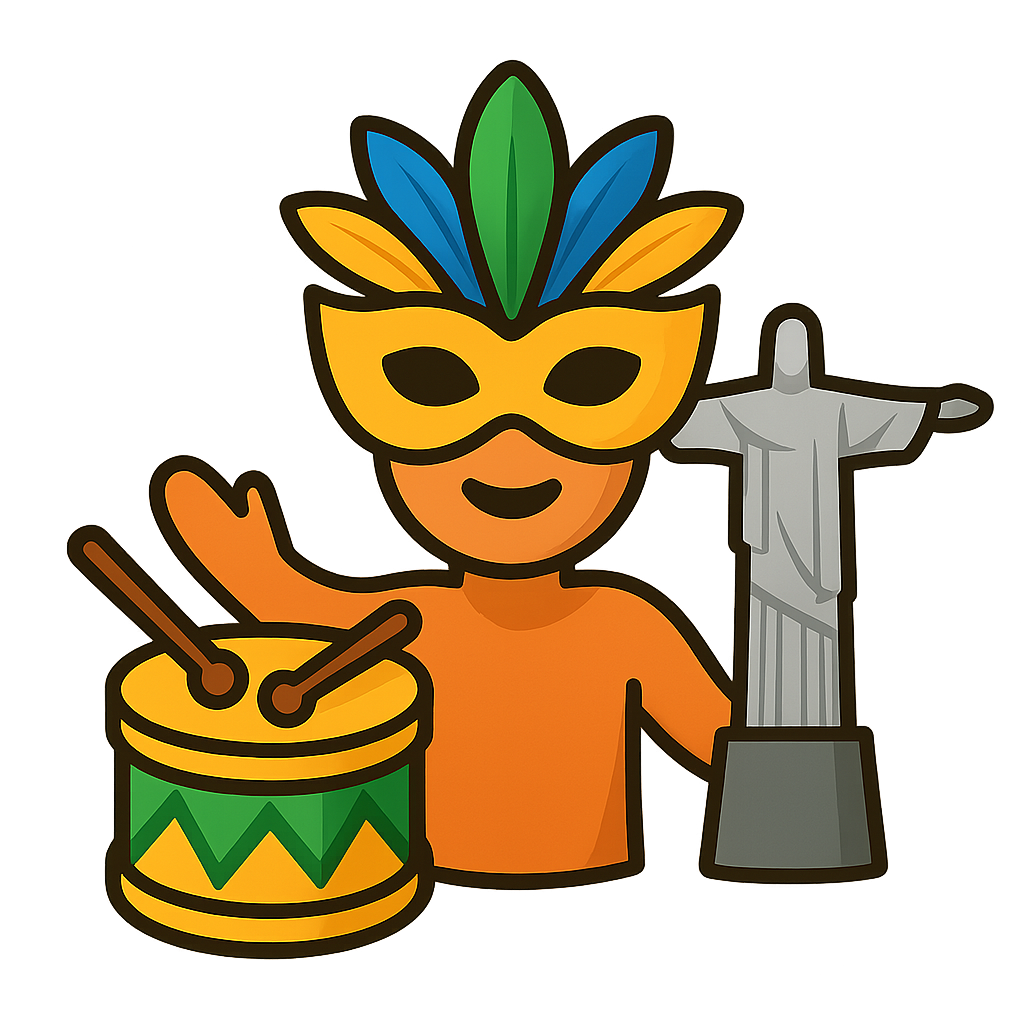
My name is João, and my title is Carnavalesco. It is a grand title, but my job is simple to explain and difficult to do: I am a storyteller. I don’t use books or pens. Instead, I use fabric, paint, rhythm, and the energy of thousands of people to tell a story for my samba school here in Rio de Janeiro. Every year, we transform ideas into a moving, singing, dancing spectacle for the world’s greatest party: Carnival. But this explosion of color and sound wasn't born overnight. Its roots run deep into the history of Brazil. Long ago, in the 1700s, the celebration was a messy Portuguese festival called ‘Entrudo,’ which was mostly about throwing water, flour, and mud at each other. It was chaotic fun, but it wasn't the Carnival we know today. The soul of Carnival, its very heartbeat, arrived with the rhythms brought to Brazil from Africa. These rhythms mixed with European music and created something entirely new: samba. In the early 1900s, samba music was the sound of the hillside communities, the favelas, of Rio. It was music of resilience, joy, and identity. People would gather to play, sing, and dance. They realized they could do more than just play music; they could tell stories with it. On August 12th, 1928, a group of musicians and dancers in a neighborhood called Estácio founded the very first ‘samba school,’ which they named Deixa Falar, meaning ‘Let Them Talk.’ They were the seed from which the great forest of modern Carnival grew, creating a way to organize their passion and parade through the streets with a unified theme and rhythm. They laid the foundation for everything I do today.
A Story of Samba and Celebration
My name is João, and my title is Carnavalesco. It is a grand title, but my job is simple to explain and difficult to do: I am a storyteller. I don’t use books or pens. Instead, I use fabric, paint, rhythm, and the energy of thousands of people to tell a story for my samba school here in Rio de Janeiro. Every year, we transform ideas into a moving, singing, dancing spectacle for the world’s greatest party: Carnival. But this explosion of color and sound wasn't born overnight. Its roots run deep into the history of Brazil. Long ago, in the 1700s, the celebration was a messy Portuguese festival called ‘Entrudo,’ which was mostly about throwing water, flour, and mud at each other. It was chaotic fun, but it wasn't the Carnival we know today. The soul of Carnival, its very heartbeat, arrived with the rhythms brought to Brazil from Africa. These rhythms mixed with European music and created something entirely new: samba. In the early 1900s, samba music was the sound of the hillside communities, the favelas, of Rio. It was music of resilience, joy, and identity. People would gather to play, sing, and dance. They realized they could do more than just play music; they could tell stories with it. On August 12th, 1928, a group of musicians and dancers in a neighborhood called Estácio founded the very first ‘samba school,’ which they named Deixa Falar, meaning ‘Let Them Talk.’ They were the seed from which the great forest of modern Carnival grew, creating a way to organize their passion and parade through the streets with a unified theme and rhythm. They laid the foundation for everything I do today.
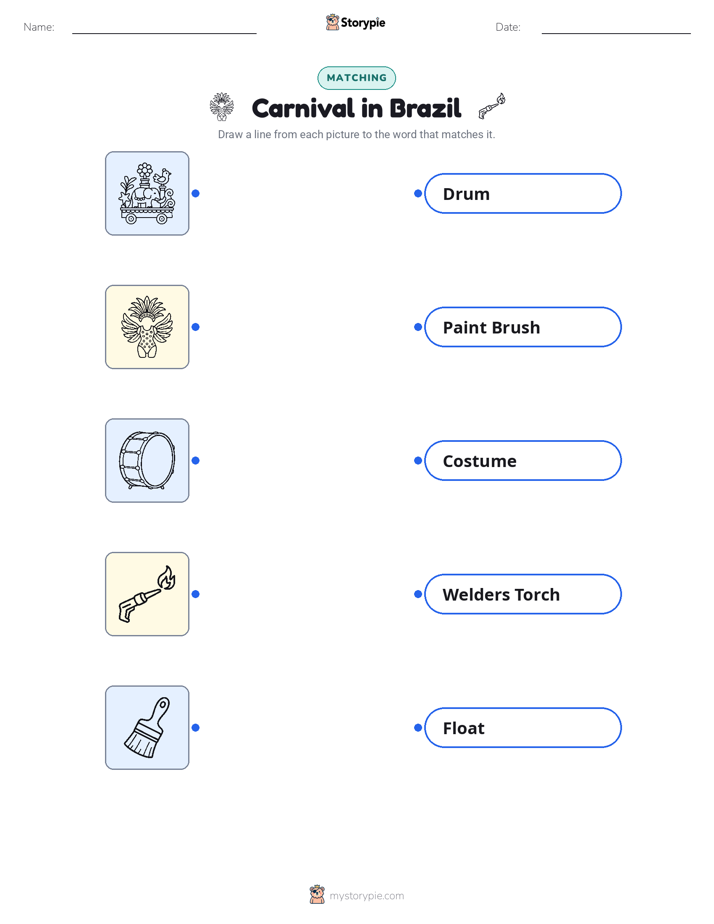
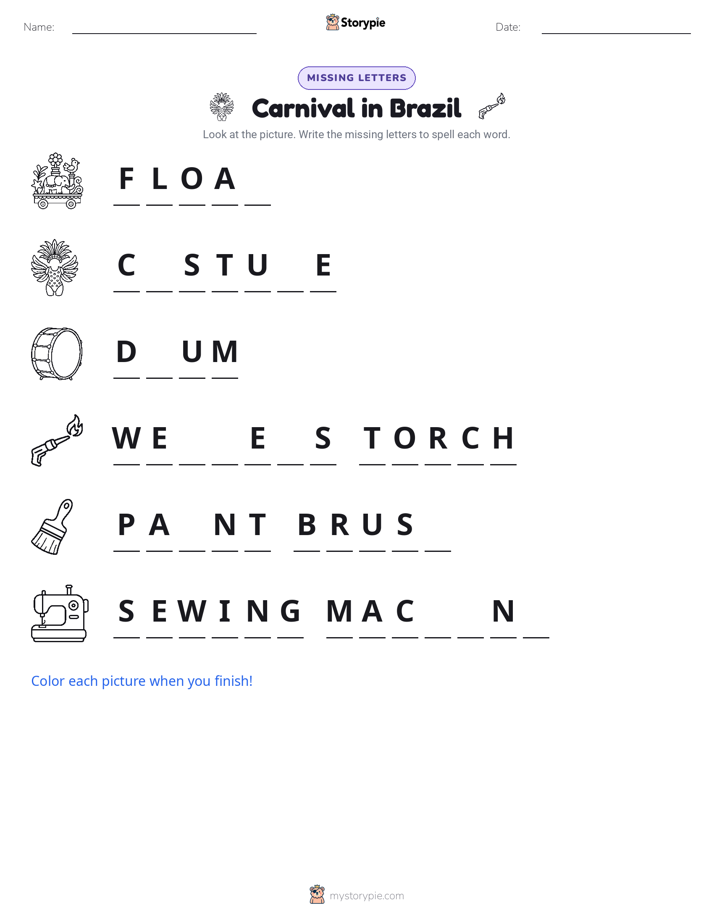
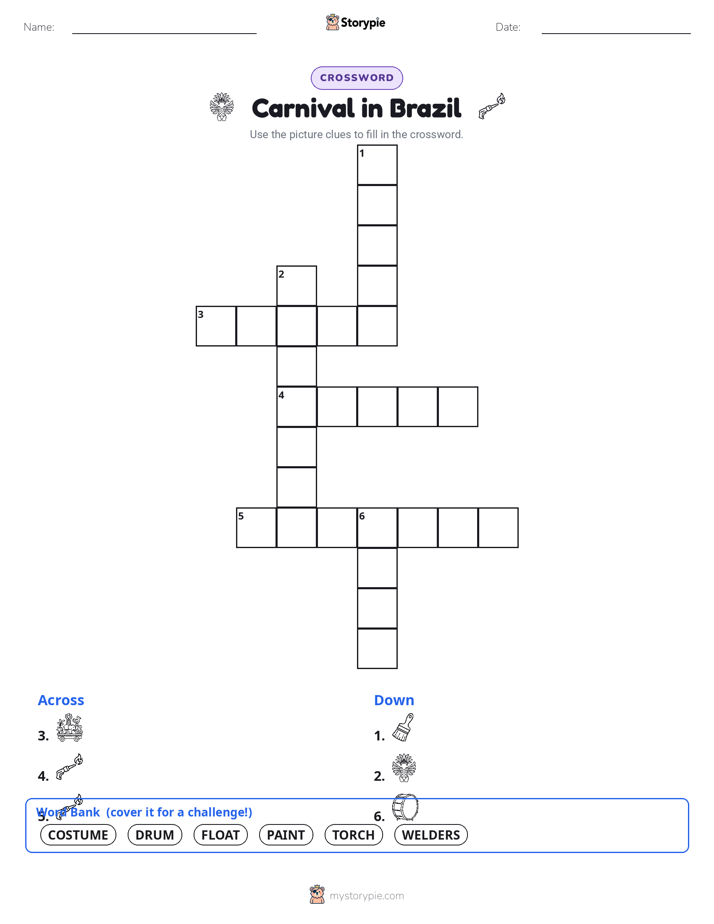
Now, let me bring you into my world, the world of building the dream. Our work for the next Carnival begins almost the moment the last one ends. It is a year-long journey of creation that happens inside a giant warehouse we call the barracão. The first step is to choose our enredo, the theme of our story for the year. It could be about a historical hero, a folk tale, or even a comment on the modern world. Once the story is chosen, the barracão becomes a hive of activity. Welders shape metal skeletons that will become towering floats, or alegorias. Artists and sculptors give them foam muscles and plaster skin, while painters bring them to life with brilliant colors. At the same time, our seamstresses begin the monumental task of creating thousands of glittering costumes, the fantasias. Each costume, from the simplest one for the dancers on the ground to the most elaborate one for the star on a float, is a piece of the story. While this is happening, our composers and musicians are crafting the most important piece of all: the samba-enredo. This is our theme song, the music that will carry our story and be sung by every single member of our school and thousands in the crowd. The drums, our bateria, are the engine of our parade. They practice relentlessly, their thunderous beat powerful enough to shake the ground. Finally, after a year of sweat, dedication, and community effort, the night arrives. We gather at the entrance of the Sambadrome, a massive stadium built just for this purpose, which officially opened in 1984. The lights are blinding, the roar of the crowd is deafening, and my heart pounds with the beat of our bateria. We have just 80 minutes to cross the long avenue, to tell our story perfectly. As our first float rolls into view and our school begins to sing as one voice, I feel an emotion so powerful it’s hard to describe. It is the joy of seeing a shared dream come to life.
The parade is an explosion of energy, but like a firework, it is over all too quickly. In the days that follow, a panel of judges announces the scores. They rate us on everything from the beat of our drums to the details on our costumes. The city holds its breath, and a champion is crowned. But I will tell you a secret: the trophy is not the real prize. The true victory of Carnival is something you cannot hold in your hands. It is the unity we build in the barracão, where people from all walks of life—doctors, construction workers, teachers—work side-by-side for a common goal. It is the preservation of our culture, telling the stories of Brazil to a new generation. It is the pure, unfiltered joy of creation. Carnival is the heartbeat of Brazil, a powerful moment when everyone is equal, united by the rhythm of the samba. It is a celebration of our identity, our history, and our ability to create beauty even in the face of challenges. My role as a Carnavalesco is to guide this incredible creative energy. I have learned that the most beautiful things in the world are not made by one person, but by a community that dares to dream together. So, I encourage you to find your own samba, your own passion that makes your heart beat faster. Share it, build it, and celebrate it with others. That is the true spirit of Carnival.
Wow facts
About
A world-famous annual festival in Brazil held before Lent, known for its vibrant parades, elaborate costumes, and samba music, especially in Rio de Janeiro.
Take a Quiz
Question 1 of 5
What is the main theme of this story about Rio's Carnival?
Want to do even more?
Go beyond exploring. Unlock tools that turn every story into real learning.

Storypie Plus for families
Full stories, quizzes, and printables. Nights and car rides, sorted.
- Unlimited audio stories
- Create Mode: your child stars in the story
- Offline downloads
- Printable worksheets & coloring pages

Why Storypie for Schools
Students engaged. Prep in seconds. Evenings back to you.
- Worksheets & Quizzes
- Classroom Management
- Formative Assessment
- Custom Curriculum & Lesson Plans
- 27 Languages

Why Storypie for Homeschool
Curriculum done. They'll ask for more. Hours back in your day.
- Worksheet Generator
- First-Person Audio Stories
- Built-in Comprehension Quizzes
- Custom Curriculum & Lesson Plans
- Print & Go Activities