English

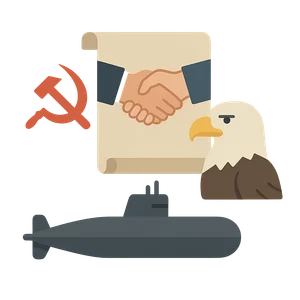
Cold War
A period of intense geopolitical tension from 1947 to 1991 between the United States and the Soviet Union and…
Reads at Grades 6–8 Listens at Grades 4–8
Print & create
Answer keys·No prep·Free with an account
28 worksheets · answer keys · full story · quiz · Ages 10-12 · CEFR B2
Plus adds 102,000+ more stories in 27 languages, audio for every one, and printables for all of them.
Just want Cold War?
A World of Two Halves
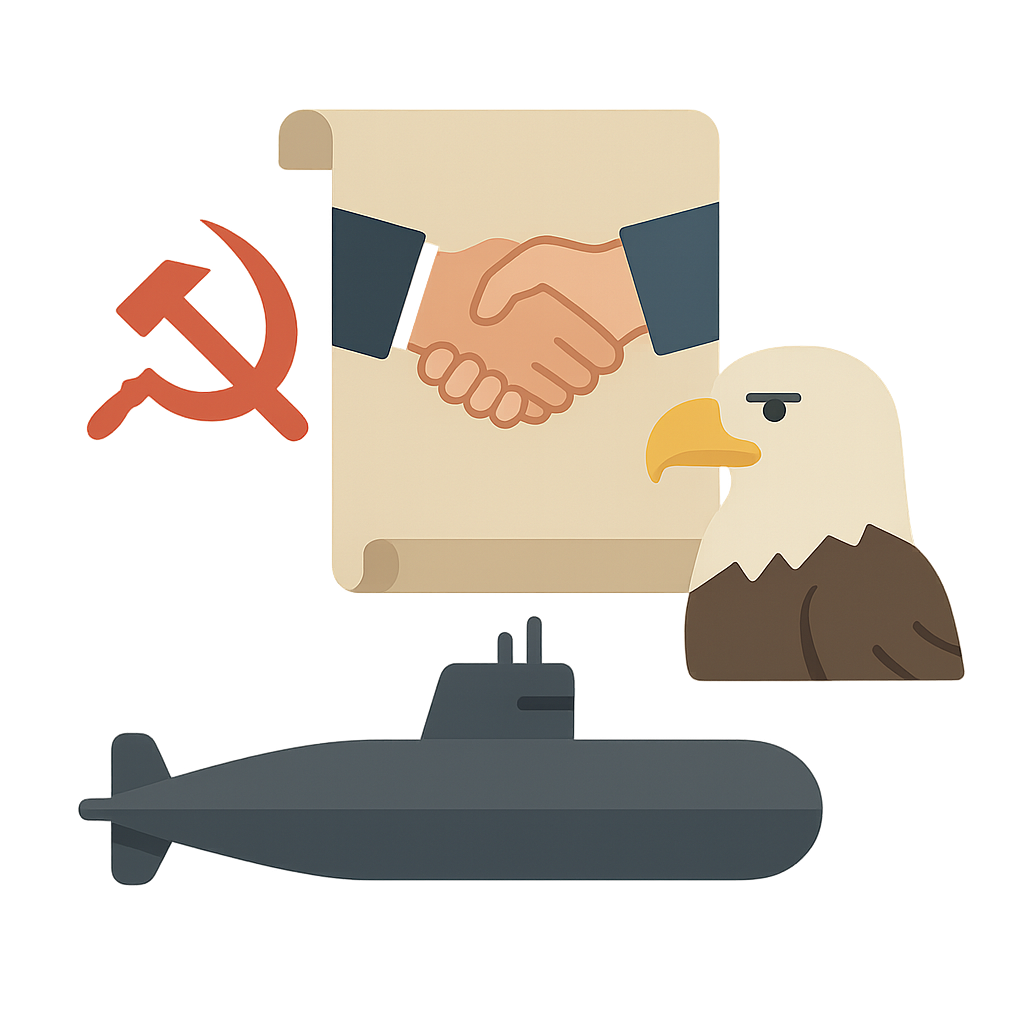
Hello there. My name is John F. Kennedy, and I had the honor of serving as the 35th President of the United States. When I took office in 1961, the world was a very tense place. It wasn't that long since the end of the Second World War in 1945, a conflict that had changed everything. After that war, the world found itself divided into two large groups, almost like two opposing teams. On one side was my country, the United States, along with our allies who believed in democracy. That means we believed people should have the freedom to choose their own leaders and live their own lives. On the other side was the Soviet Union and its allies, who believed in a system called communism, where the government controlled nearly every aspect of life. This standoff wasn't a traditional war with soldiers fighting on battlefields. Instead, we called it the Cold War. It was a long, tense period of competition. We competed to have the most influence around the world, the strongest economies, and the most advanced technology. But hanging over everything was a new and terrifying reality: nuclear weapons. Both sides possessed these powerful bombs, and we all knew that a direct conflict could lead to unimaginable destruction. This meant that every disagreement, every argument, carried the weight of the entire world on its shoulders.
On the Brink
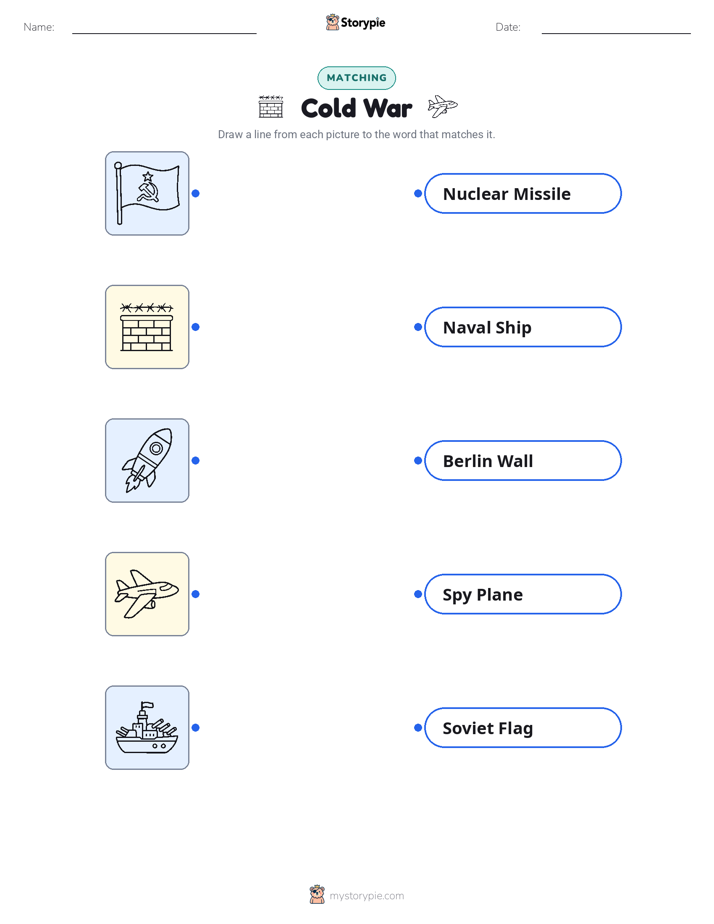
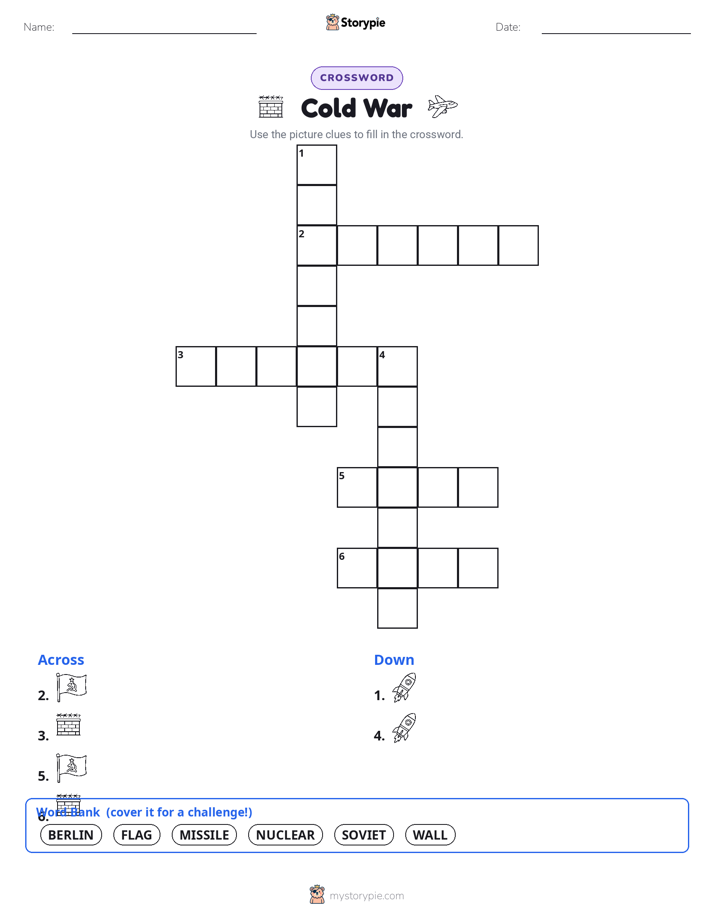
The years of my presidency were some of the most critical moments of this long struggle. The tension became very real on August 13th, 1961. Overnight, the government of East Germany, supported by the Soviet Union, began building a wall straight through the middle of Berlin. Imagine a city where one morning you wake up and a barrier of concrete and barbed wire now separates you from your family, friends, and coworkers on the other side. The Berlin Wall became a stark, physical symbol of the world's division. It was a heartbreaking moment. But the most dangerous challenge was yet to come. In October of 1962, our spy planes took photographs that made my heart sink. They showed that the Soviet Union was secretly placing nuclear missiles in Cuba, a small island nation just 90 miles from the coast of Florida. This was unacceptable. Having such dangerous weapons so close to our shores put millions of Americans at risk. For thirteen days, the world stood on the brink of nuclear war. My advisors and I worked around the clock in the White House, debating what to do. Some argued for an immediate military strike, but I knew that could instantly trigger a devastating response. Instead, I chose to set up a naval 'quarantine' around Cuba, blocking Soviet ships from delivering any more military supplies. It was a tense standoff. I sent messages directly to the Soviet leader, Nikita Khrushchev, and we engaged in intense negotiations. I felt the immense weight of my decisions, knowing that one wrong step could change the course of human history forever. Finally, after thirteen anxious days, we reached an agreement. They would remove the missiles from Cuba, and in return, we promised not to invade the island. The world breathed a collective sigh of relief. After staring into that abyss, I believed we needed to channel our competitive spirit into something more constructive. In 1961, I had challenged our nation with a bold goal: to land a man on the Moon and return him safely to Earth before the decade was out. This was the Space Race. It was still a competition with the Soviets, but it was a peaceful one that pushed humanity to dream bigger and reach for the stars.
A President's Story: On the Brink of a New Frontier
A World of Two Halves
Hello there. My name is John F. Kennedy, and I had the honor of serving as the 35th President of the United States. When I took office in 1961, the world was a very tense place. It wasn't that long since the end of the Second World War in 1945, a conflict that had changed everything. After that war, the world found itself divided into two large groups, almost like two opposing teams. On one side was my country, the United States, along with our allies who believed in democracy. That means we believed people should have the freedom to choose their own leaders and live their own lives. On the other side was the Soviet Union and its allies, who believed in a system called communism, where the government controlled nearly every aspect of life. This standoff wasn't a traditional war with soldiers fighting on battlefields. Instead, we called it the Cold War. It was a long, tense period of competition. We competed to have the most influence around the world, the strongest economies, and the most advanced technology. But hanging over everything was a new and terrifying reality: nuclear weapons. Both sides possessed these powerful bombs, and we all knew that a direct conflict could lead to unimaginable destruction. This meant that every disagreement, every argument, carried the weight of the entire world on its shoulders.
On the Brink
The years of my presidency were some of the most critical moments of this long struggle. The tension became very real on August 13th, 1961. Overnight, the government of East Germany, supported by the Soviet Union, began building a wall straight through the middle of Berlin. Imagine a city where one morning you wake up and a barrier of concrete and barbed wire now separates you from your family, friends, and coworkers on the other side. The Berlin Wall became a stark, physical symbol of the world's division. It was a heartbreaking moment. But the most dangerous challenge was yet to come. In October of 1962, our spy planes took photographs that made my heart sink. They showed that the Soviet Union was secretly placing nuclear missiles in Cuba, a small island nation just 90 miles from the coast of Florida. This was unacceptable. Having such dangerous weapons so close to our shores put millions of Americans at risk. For thirteen days, the world stood on the brink of nuclear war. My advisors and I worked around the clock in the White House, debating what to do. Some argued for an immediate military strike, but I knew that could instantly trigger a devastating response. Instead, I chose to set up a naval 'quarantine' around Cuba, blocking Soviet ships from delivering any more military supplies. It was a tense standoff. I sent messages directly to the Soviet leader, Nikita Khrushchev, and we engaged in intense negotiations. I felt the immense weight of my decisions, knowing that one wrong step could change the course of human history forever. Finally, after thirteen anxious days, we reached an agreement. They would remove the missiles from Cuba, and in return, we promised not to invade the island. The world breathed a collective sigh of relief. After staring into that abyss, I believed we needed to channel our competitive spirit into something more constructive. In 1961, I had challenged our nation with a bold goal: to land a man on the Moon and return him safely to Earth before the decade was out. This was the Space Race. It was still a competition with the Soviets, but it was a peaceful one that pushed humanity to dream bigger and reach for the stars.
A New Frontier of Peace
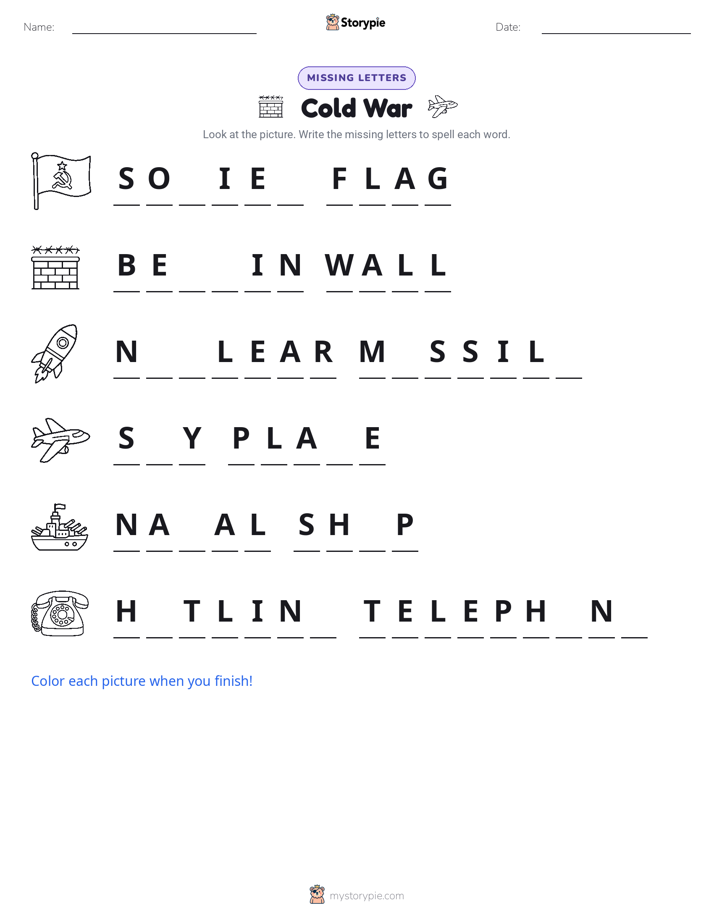
The Cuban Missile Crisis taught both sides a powerful lesson. We had come so close to disaster that we knew we could never let it happen again. One of the first things we did was establish a direct line of communication, a special telephone known as the 'hotline,' between Washington and Moscow in 1963. This way, if a crisis ever arose again, the leaders of our two nations could speak to each other immediately and avoid misunderstandings. The Cold War did not end during my time. It would continue for many more years, a long and complex struggle of ideas and influence. But the seeds of communication and understanding had been planted. Decades later, on November 9th, 1989, something wonderful happened: the Berlin Wall, that ugly symbol of division, was torn down by the very people it had separated. This event marked the beginning of the end of the Cold War. My time as president was filled with immense challenges, but it taught me that even in the darkest of times, courage, communication, and a commitment to diplomacy can guide us toward a peaceful solution. It is my hope that you remember that even the world's biggest problems can be solved when people are determined to listen to one another and work toward a better future for all.
Wow facts
About
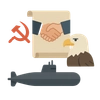
A period of intense geopolitical tension from 1947 to 1991 between the United States and the Soviet Union and their respective allies. It was characterized by an arms race, a space race, and ideological conflict rather than direct large-scale fighting between the two superpowers.
Take a Quiz
Question 1 of 5
What were the three main historical events from the Cold War that John F. Kennedy discussed in the story?
Explore next


Want to do even more?
Go beyond exploring. Unlock tools that turn every story into real learning.

Storypie Plus for families
Full stories, quizzes, and printables. Nights and car rides, sorted.
- Unlimited audio stories
- Create Mode: your child stars in the story
- Offline downloads
- Printable worksheets & coloring pages

Why Storypie for Schools
Students engaged. Prep in seconds. Evenings back to you.
- Worksheets & Quizzes
- Classroom Management
- Formative Assessment
- Custom Curriculum & Lesson Plans
- 27 Languages

Why Storypie for Homeschool
Curriculum done. They'll ask for more. Hours back in your day.
- Worksheet Generator
- First-Person Audio Stories
- Built-in Comprehension Quizzes
- Custom Curriculum & Lesson Plans
- Print & Go Activities