English

First Olympic Games
The first recorded ancient Olympic Games were a series of athletic competitions among representatives of…
Reads at Grades 3–5 Listens at Grades 1–5
Print & create
Answer keys·No prep·Free with an account
28 worksheets · answer keys · full story · quiz · Ages 8-10 · CEFR B1
Plus adds 280,000+ more stories in 27 languages, audio for every one, and printables for all of them.
Just want First Olympic Games?
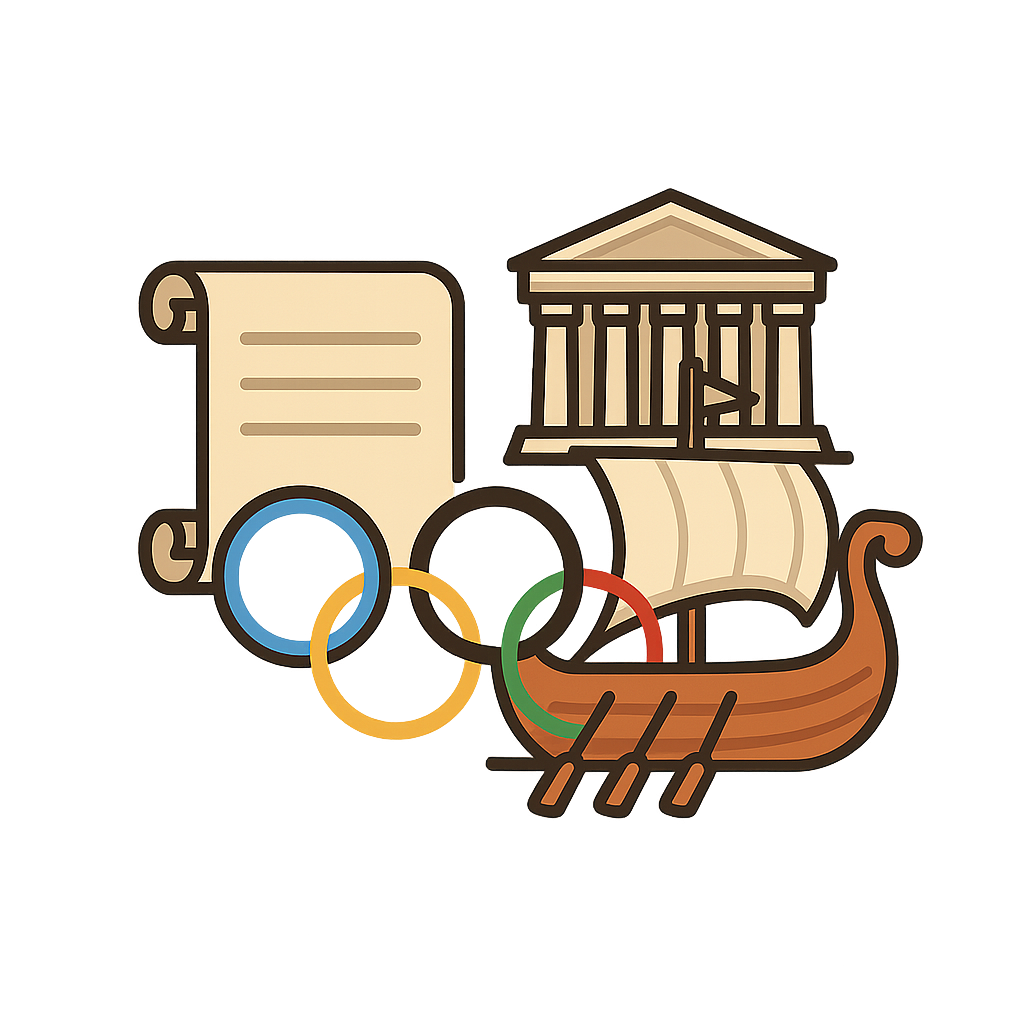
My name is Lycomedes, and the dust from the path is my constant companion. I am a runner, and every morning, I wake before the sun to train in the hills near my home, a small town not far from the sacred plains of Olympia. This year, the year 776 BCE, is special. The first great games to honor Zeus, the king of all gods, are about to happen. My legs ache from practice, but my heart is full of excitement. Messengers have traveled all across Greece, from Sparta to Athens, declaring the ekecheiria, the Sacred Truce. It feels like magic. For this one special time, all our cities have agreed to put down their weapons. No wars, no fighting. This peace means that athletes like me, and all the spectators who wish to watch, can travel to Olympia safely. It is a time for honor, not for battle. I am not just running for myself; I am running to be part of this incredible peace.
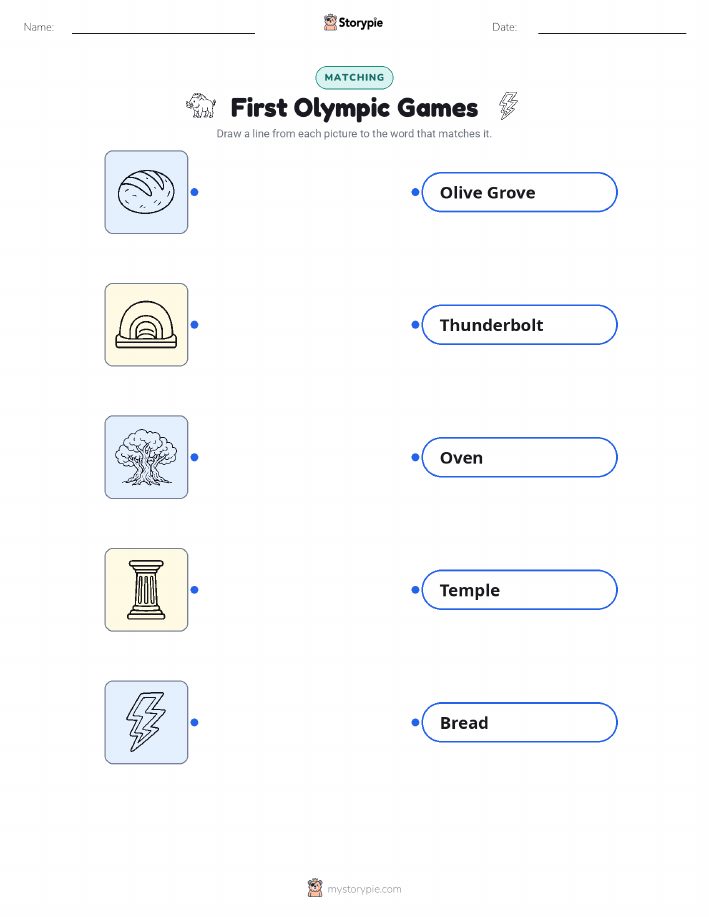
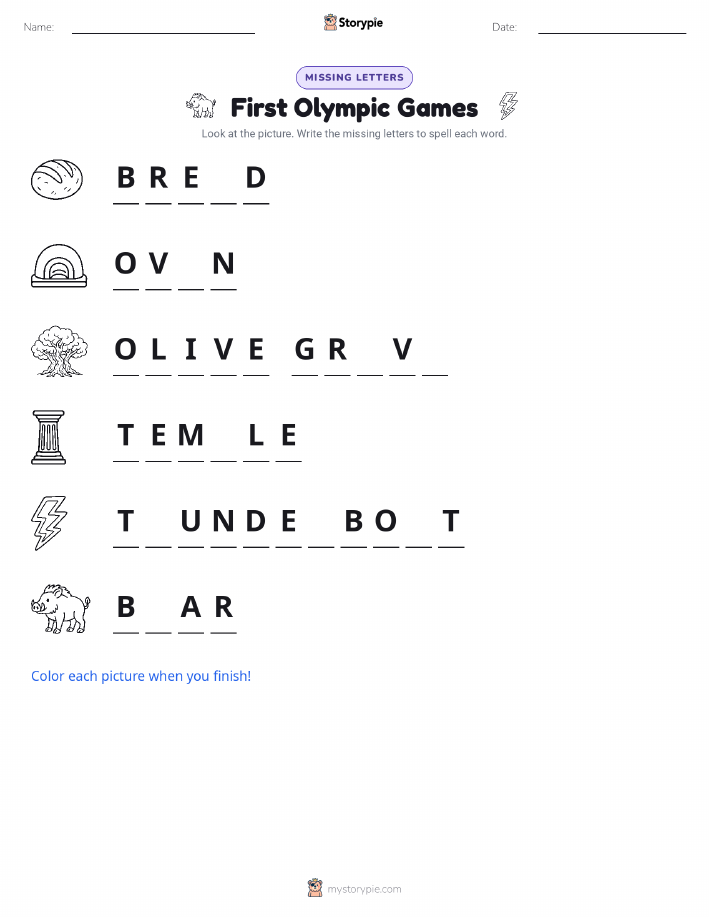
When I finally arrived in Olympia, I felt like I had stepped into a dream. The air buzzed with energy and the sounds of a thousand voices speaking in different Greek dialects. Everywhere I looked, there was something amazing to see: tents and stalls selling food and crafts, poets reciting epic tales, and athletes from all over, their muscles strong from years of training. But nothing could prepare me for the temple of Zeus. Inside, a giant statue of the god sat on a throne, crafted from ivory and gold. It was so tall it nearly touched the ceiling. I felt so small standing before it, filled with a sense of awe and wonder. Before we could compete, all of us athletes had to stand before a statue of Zeus holding a thunderbolt and take a solemn oath. We swore to compete fairly, to not cheat, and to bring honor to our families and our cities. As I stood there, shoulder to shoulder with runners I had never met, I felt a knot of nervousness in my stomach, but also a huge wave of pride. We were all here for the same reason: to test our strength and spirit in the name of the gods.
A Runner for Zeus
My name is Lycomedes, and the dust from the path is my constant companion. I am a runner, and every morning, I wake before the sun to train in the hills near my home, a small town not far from the sacred plains of Olympia. This year, the year 776 BCE, is special. The first great games to honor Zeus, the king of all gods, are about to happen. My legs ache from practice, but my heart is full of excitement. Messengers have traveled all across Greece, from Sparta to Athens, declaring the ekecheiria, the Sacred Truce. It feels like magic. For this one special time, all our cities have agreed to put down their weapons. No wars, no fighting. This peace means that athletes like me, and all the spectators who wish to watch, can travel to Olympia safely. It is a time for honor, not for battle. I am not just running for myself; I am running to be part of this incredible peace.
When I finally arrived in Olympia, I felt like I had stepped into a dream. The air buzzed with energy and the sounds of a thousand voices speaking in different Greek dialects. Everywhere I looked, there was something amazing to see: tents and stalls selling food and crafts, poets reciting epic tales, and athletes from all over, their muscles strong from years of training. But nothing could prepare me for the temple of Zeus. Inside, a giant statue of the god sat on a throne, crafted from ivory and gold. It was so tall it nearly touched the ceiling. I felt so small standing before it, filled with a sense of awe and wonder. Before we could compete, all of us athletes had to stand before a statue of Zeus holding a thunderbolt and take a solemn oath. We swore to compete fairly, to not cheat, and to bring honor to our families and our cities. As I stood there, shoulder to shoulder with runners I had never met, I felt a knot of nervousness in my stomach, but also a huge wave of pride. We were all here for the same reason: to test our strength and spirit in the name of the gods.
The day of the stadion race was hot and bright. The sun beat down on my shoulders as I walked with the other runners to the track. It wasn't a fancy oval like you might imagine, but a long, straight stretch of packed earth, about 192 meters long. We took our places at the starting line, digging our bare feet into the sandy ground for a good grip. There was no sound except for the pounding of my own heart. The crowd of thousands of people watching from the grassy slopes fell completely silent. Then, a trumpet blast echoed through the air—the signal to begin. I exploded from the start, my legs pumping as hard as they could. Dust kicked up around me, and the only thing I could hear was the sound of my own breathing and the thunderous roar of the crowd that grew louder with every step. I focused on the finish line, pushing through the burning in my lungs. It was more than just a race; it was a test of everything I had worked for.
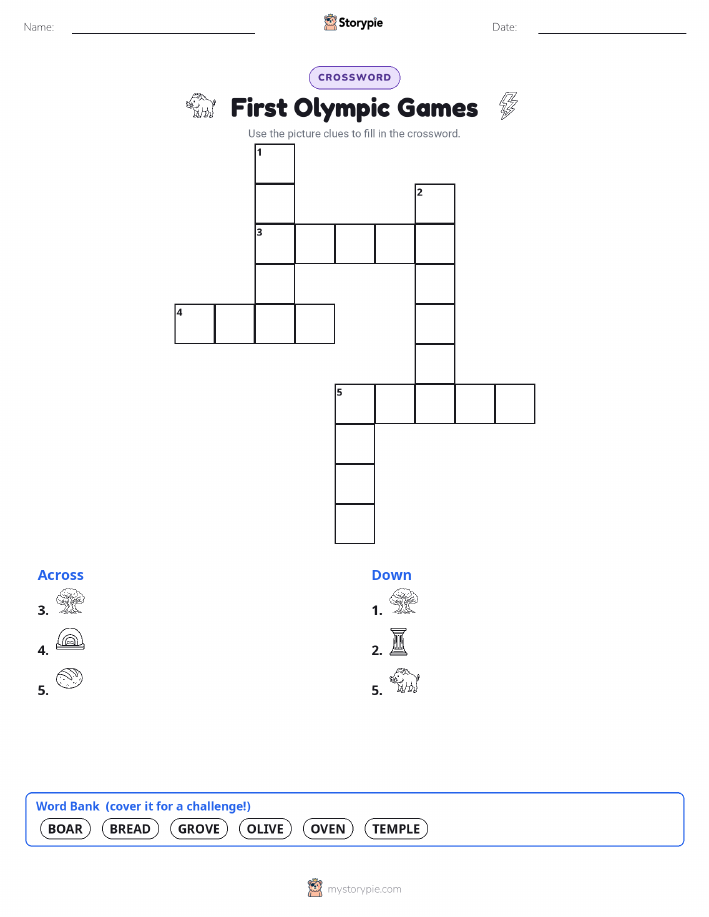
I ran with all my might, but another runner, a baker from Elis named Koroibos, was faster. He crossed the finish line first, becoming the very first Olympic champion. As the crowd cheered his name, I didn't feel disappointment. Instead, I felt a deep sense of joy. I watched as the judges placed a simple wreath woven from the branches of a sacred olive tree on his head. That was his prize. Not gold or jewels, but a symbol of peace and victory that was worth more than any treasure. To compete here, in this sacred place, and to be part of a tradition that brought all Greeks together in peace was the real prize. Looking back, I see that moment wasn't just about one race. It was the beginning of something beautiful, a legacy of friendly competition and unity that I hoped would echo through history forever.
Wow facts
About
The first recorded ancient Olympic Games were a series of athletic competitions among representatives of city-states in ancient Greece, held in honor of the god Zeus.
Take a Quiz
Question 1 of 5
In the story, Lycomedes mentions a 'Sacred Truce.' In your own words, explain what a truce is and why it was important for the Olympic Games.
Explore next





Want to do even more?
Go beyond exploring. Unlock tools that turn every story into real learning.

Storypie Plus for families
Full stories, quizzes, and printables. Nights and car rides, sorted.
- Unlimited audio stories
- Create Mode: your child stars in the story
- Offline downloads
- Printable worksheets & coloring pages

Why Storypie for Schools
Students engaged. Prep in seconds. Evenings back to you.
- Worksheets & Quizzes
- Classroom Management
- Formative Assessment
- Custom Curriculum & Lesson Plans
- 27 Languages

Why Storypie for Homeschool
Curriculum done. They'll ask for more. Hours back in your day.
- Worksheet Generator
- First-Person Audio Stories
- Built-in Comprehension Quizzes
- Custom Curriculum & Lesson Plans
- Print & Go Activities