English

Hinamatsuri
Hinamatsuri, also known as Doll's Day or Girls' Day…
Reads at Grades 6–8 Listens at Grades 4–8
Print & create
Answer keys·No prep·Free with an account
28 worksheets · answer keys · full story · quiz · Ages 10-12 · CEFR B2
Plus adds 116,000+ more stories in 27 languages, audio for every one, and printables for all of them.
Just want Hinamatsuri?
My name is Murasaki Shikibu, and I lived more than a thousand years ago. I was a lady-in-waiting in the magnificent Heian court of Japan, a world of shimmering silk robes, delicate poetry, and quiet ceremony. The air in our capital, Heian-kyō, which you now call Kyoto, was filled with art and whispers of stories. It was in this refined world, around the year 1000, that I wrote my book, 'The Tale of Genji.' But I am here to tell you another story, one that began with simple customs I witnessed myself and has blossomed into a beautiful celebration that has lasted for centuries. It is the story of Hinamatsuri, the Doll’s Festival. In my time, we did not have the grand displays you see today. Instead, our traditions were quieter and deeply connected to ancient beliefs. Children, especially girls of the court, would play a game called hina-asobi, or ‘doll play.’ We made simple figures from paper or cloth, imagining them as members of the court. These were not treasured heirlooms but simple playthings. More important was a purification ritual called nagashi-bina. On the 3rd day of the 3rd month, people would craft simple paper dolls. They would then rub these dolls on their bodies, believing that their impurities, bad luck, and potential for illness would be transferred to the dolls. We would then take these dolls to a nearby river and set them afloat. As they drifted away, we believed they carried all our troubles with them, cleansing us for the year ahead. It was a solemn, hopeful act, a way to protect our families and wish for good health in a world where sickness was a constant worry.
A Doll's Journey Through Time
My name is Murasaki Shikibu, and I lived more than a thousand years ago. I was a lady-in-waiting in the magnificent Heian court of Japan, a world of shimmering silk robes, delicate poetry, and quiet ceremony. The air in our capital, Heian-kyō, which you now call Kyoto, was filled with art and whispers of stories. It was in this refined world, around the year 1000, that I wrote my book, 'The Tale of Genji.' But I am here to tell you another story, one that began with simple customs I witnessed myself and has blossomed into a beautiful celebration that has lasted for centuries. It is the story of Hinamatsuri, the Doll’s Festival. In my time, we did not have the grand displays you see today. Instead, our traditions were quieter and deeply connected to ancient beliefs. Children, especially girls of the court, would play a game called hina-asobi, or ‘doll play.’ We made simple figures from paper or cloth, imagining them as members of the court. These were not treasured heirlooms but simple playthings. More important was a purification ritual called nagashi-bina. On the 3rd day of the 3rd month, people would craft simple paper dolls. They would then rub these dolls on their bodies, believing that their impurities, bad luck, and potential for illness would be transferred to the dolls. We would then take these dolls to a nearby river and set them afloat. As they drifted away, we believed they carried all our troubles with them, cleansing us for the year ahead. It was a solemn, hopeful act, a way to protect our families and wish for good health in a world where sickness was a constant worry.
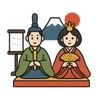
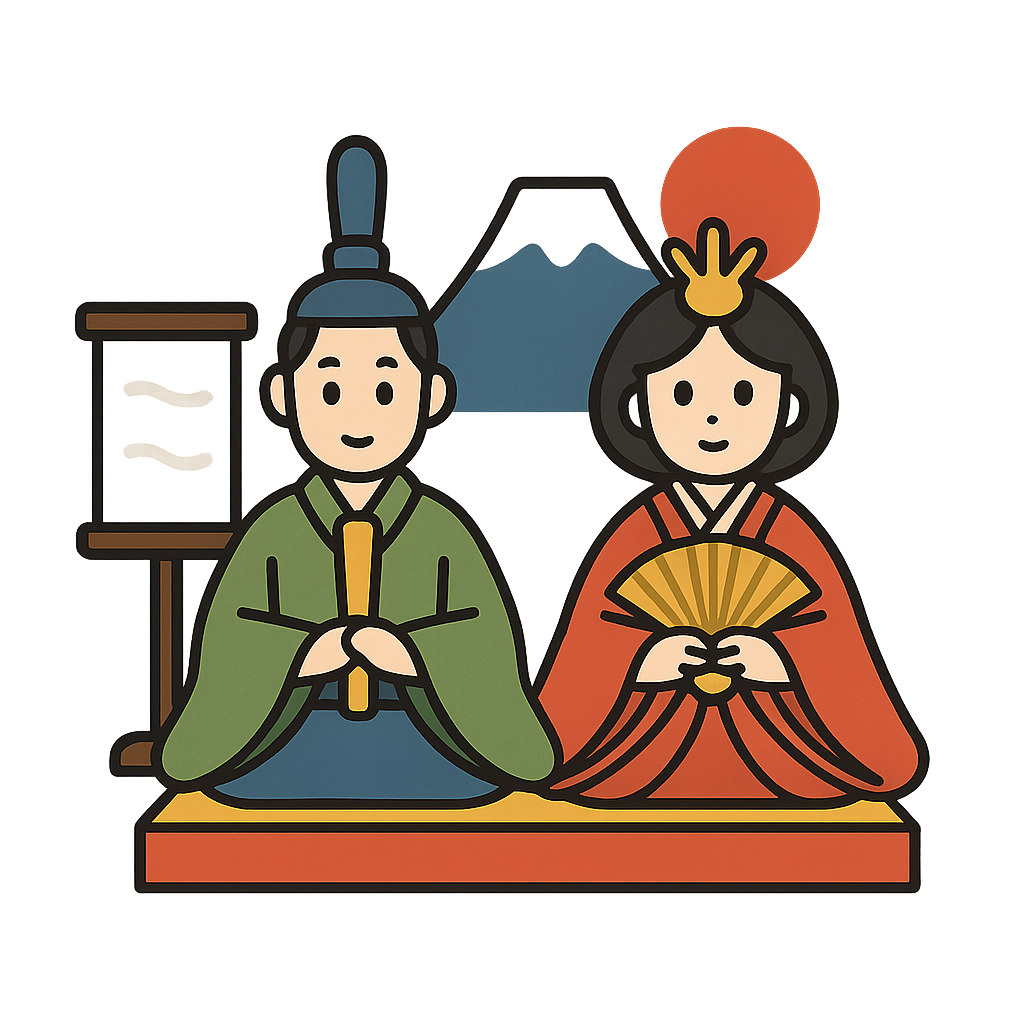
Now, allow me to guide you forward in time, far beyond my own life. While the spirit of wishing for well-being remained, the customs I knew began a remarkable transformation. Centuries after my time, during a long and peaceful era known as the Edo period, which lasted from 1603 to 1868, Japan’s culture flourished in new ways. The simple paper dolls of the nagashi-bina ritual were replaced by something far more permanent and breathtakingly beautiful. Artisans began crafting exquisite hina-ningyo, or display dolls, from ceramic, wood, and rich fabrics. These were not meant to be floated down rivers but to be cherished, protected, and displayed inside the home. This new tradition was centered around a magnificent tiered platform called a hinadan, covered in a rich red carpet. The festival, now firmly established on March 3rd, became a day specifically to celebrate girls and pray for their future happiness. The display itself was a recreation of the Heian court I knew so well. At the very top sat the Emperor and Empress, the O-dairi-sama and O-hina-sama, in their finest robes. Below them were the three court ladies serving refreshments, followed by five musicians with their tiny instruments. On the lower tiers, one could find ministers, samurai guards, and an array of miniature furniture, chests, and even an ox-drawn carriage. The entire set represented a happy and prosperous imperial wedding, the ultimate wish for any young girl in that era. Families would display these dolls for a few weeks, creating a beautiful centerpiece in their homes that symbolized their love and hopes for their daughters.
This beautiful act of love has woven itself through the fabric of Japanese culture, connecting my time to yours. Today, Hinamatsuri remains a cherished festival celebrated every year on March 3rd. While the grand doll sets are still the centerpiece, the celebration has expanded to include wonderful family gatherings and special foods, each with its own meaning. Families enjoy dishes like chirashi-zushi, a colorful scattered sushi, and a clear clam soup called ushio-jiru. The two shells of a clam fit together perfectly, symbolizing the wish for a happy and well-matched marriage. They also eat hishimochi, which are diamond-shaped rice cakes layered in pink, white, and green, representing health, purity, and new life in spring. It fills my heart with wonder to know that the simple act of floating a paper doll down a river, a custom I saw with my own eyes, has evolved into such a joyful and elaborate expression of a family's love for its children. The dolls on the hinadan are more than just beautiful objects. They are vessels of hope, carrying the wishes of parents and grandparents forward. They connect each new generation to the long line of ancestors who came before them, reminding everyone of the enduring power of family, tradition, and the simple, timeless wish for a child to live a long, healthy, and happy life.
Wow facts
About
Hinamatsuri, also known as Doll's Day or Girls' Day, is a traditional Japanese festival celebrated on March 3rd to pray for the health and happiness of young girls, featuring elaborate displays of ornamental dolls.
Take a Quiz
Question 1 of 5
According to Murasaki Shikibu, how did the celebration of Hinamatsuri change from her time in the Heian period to the later Edo period?
Want to do even more?
Go beyond exploring. Unlock tools that turn every story into real learning.

Storypie Plus for families
Full stories, quizzes, and printables. Nights and car rides, sorted.
- Unlimited audio stories
- Create Mode: your child stars in the story
- Offline downloads
- Printable worksheets & coloring pages

Why Storypie for Schools
Students engaged. Prep in seconds. Evenings back to you.
- Worksheets & Quizzes
- Classroom Management
- Formative Assessment
- Custom Curriculum & Lesson Plans
- 27 Languages

Why Storypie for Homeschool
Curriculum done. They'll ask for more. Hours back in your day.
- Worksheet Generator
- First-Person Audio Stories
- Built-in Comprehension Quizzes
- Custom Curriculum & Lesson Plans
- Print & Go Activities