English

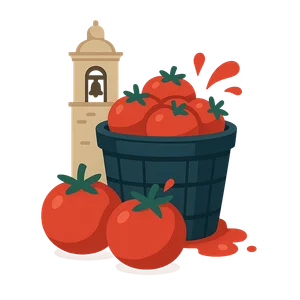
La Tomatina
An annual festival held in Buñol, Spain, where the number of participants varies each year…
Reads at Grades 6–8 Listens at Grades 4–8
Print & create
Answer keys·No prep·Free with an account
28 worksheets · answer keys · full story · quiz · Ages 10-12 · CEFR B2
Plus adds 164,000+ more stories in 27 languages, audio for every one, and printables for all of them.
Just want La Tomatina?
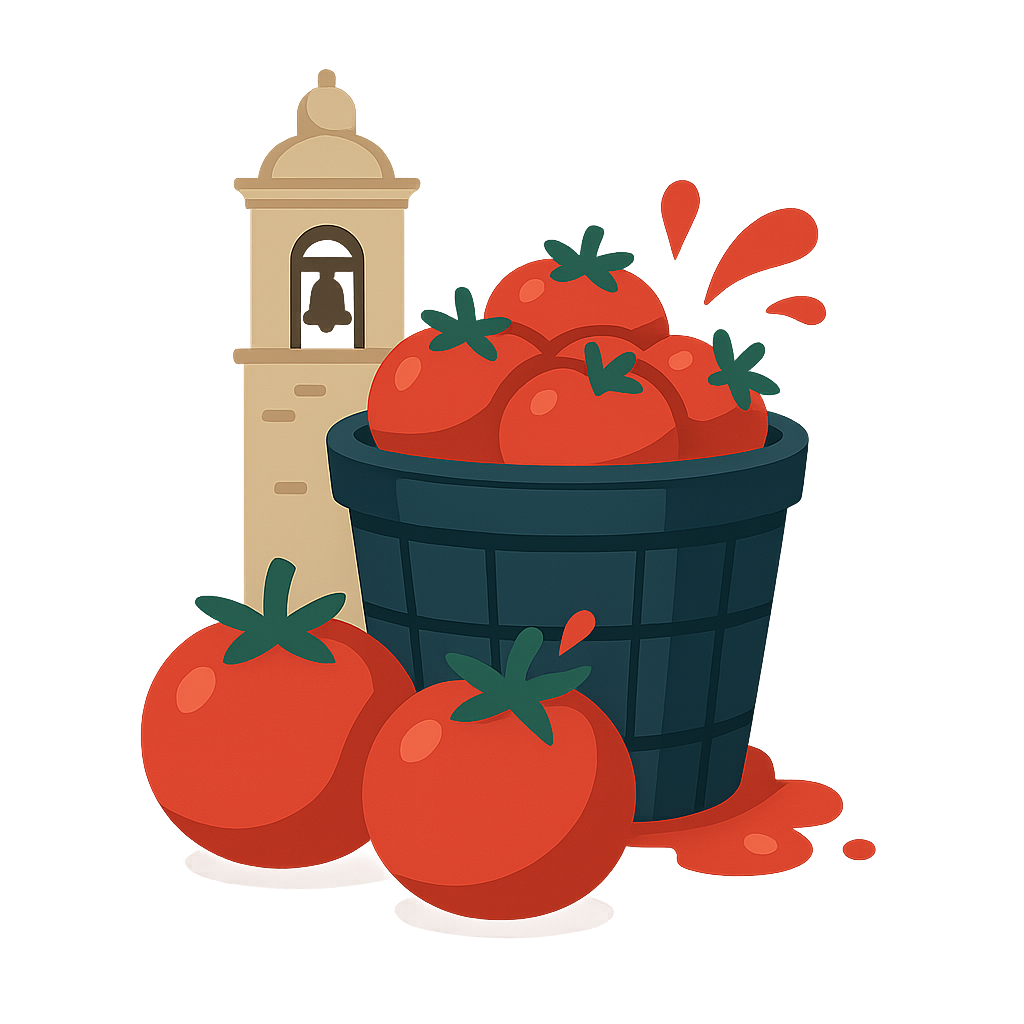
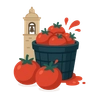
My name is Javier, and though my hair is white as snow now, I can still feel the summer sun of my youth in Buñol, my small town in Spain. I want to tell you about a day that started like any other but ended up painting our town, and eventually the world, a brilliant shade of red. The year was 1945. It was the last Wednesday of August, a day that always buzzed with excitement. Our town square, the Plaza del Pueblo, was packed with people for the annual 'Gigantes y cabezudos' festival. These 'Giants and Big-Heads' were enormous papier-mâché figures with painted-on faces, some smiling, some grumpy, that paraded through the streets. To a boy like me, they were the most fantastic thing in the world. The air smelled of roasted almonds and sweet pastries, and the sound of the festival band filled every corner of the square.
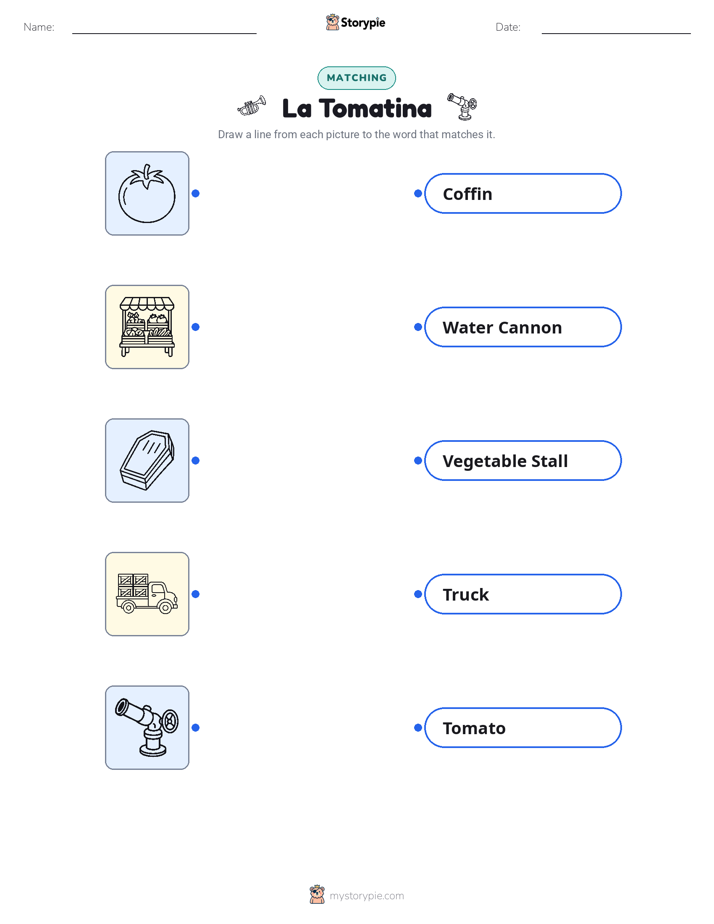
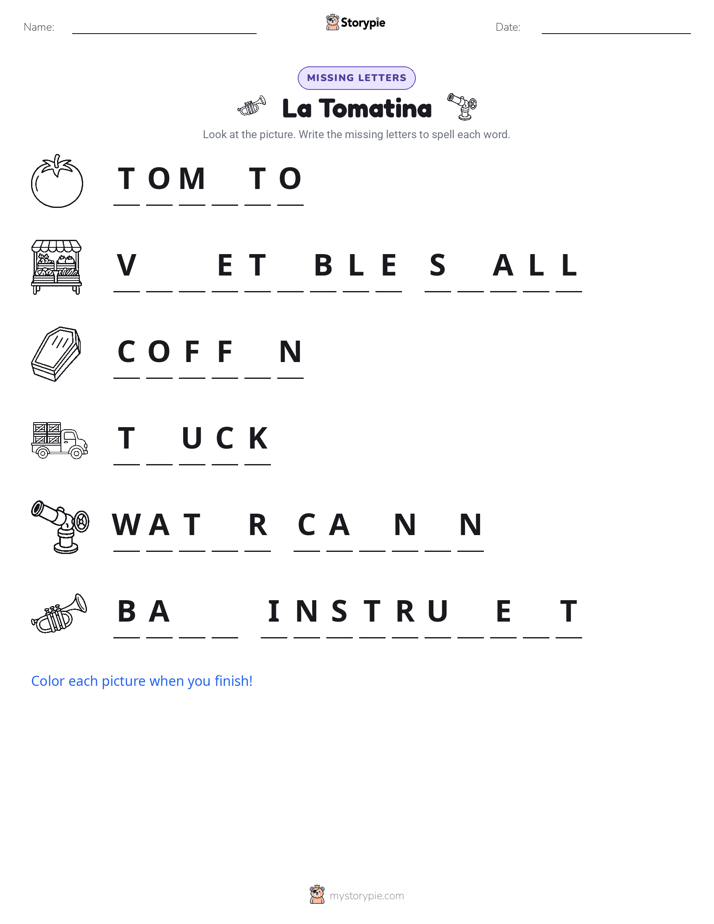
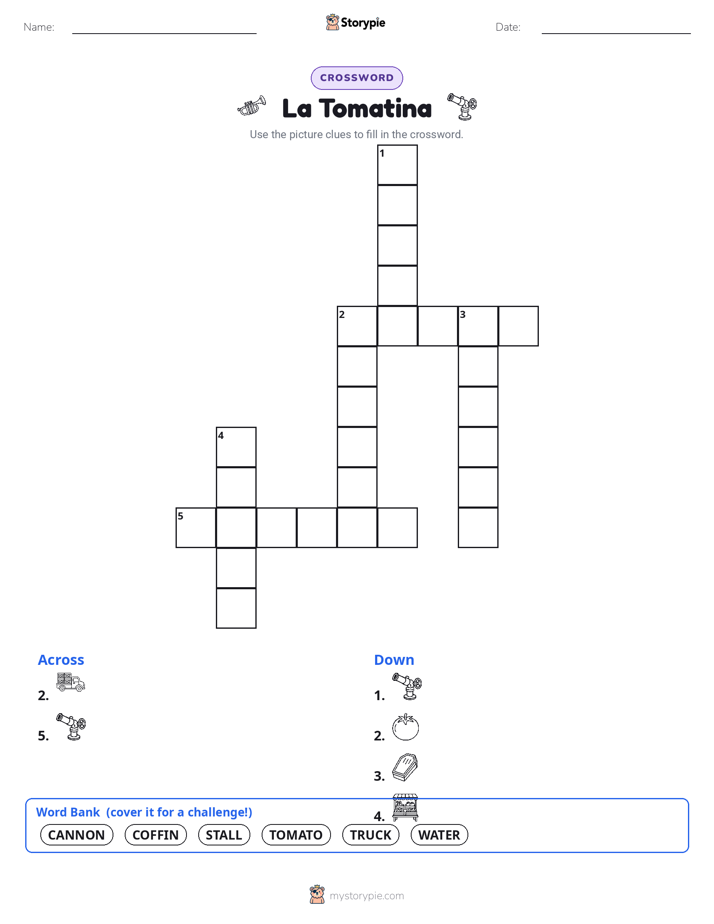
My friends and I, full of youthful energy and mischief, wanted to be more than just spectators. We decided we should be part of the parade itself. We pushed our way into the procession, trying to march alongside the musicians and the towering giants. Well, the parade organizers didn't appreciate our enthusiasm as much as we did. A scuffle broke out. Someone shoved someone else, and in the chaos, one of the 'big-head' figures toppled over. The crowd gasped, and suddenly, we were at the center of a tangled mess of people. It was right then that my eyes landed on a vegetable stall on the edge of the square, its crates overflowing with ripe, red tomatoes. Without a second thought, I grabbed one. It felt cool and smooth in my hand. I aimed for a friend who was laughing, and with a splat, the first shot in our war was fired. In seconds, we all forgot about the parade and began pelting each other with the over-ripe vegetables. The fight was messy, silly, and utterly spontaneous.
The Great Tomato Rebellion
My name is Javier, and though my hair is white as snow now, I can still feel the summer sun of my youth in Buñol, my small town in Spain. I want to tell you about a day that started like any other but ended up painting our town, and eventually the world, a brilliant shade of red. The year was 1945. It was the last Wednesday of August, a day that always buzzed with excitement. Our town square, the Plaza del Pueblo, was packed with people for the annual 'Gigantes y cabezudos' festival. These 'Giants and Big-Heads' were enormous papier-mâché figures with painted-on faces, some smiling, some grumpy, that paraded through the streets. To a boy like me, they were the most fantastic thing in the world. The air smelled of roasted almonds and sweet pastries, and the sound of the festival band filled every corner of the square.
My friends and I, full of youthful energy and mischief, wanted to be more than just spectators. We decided we should be part of the parade itself. We pushed our way into the procession, trying to march alongside the musicians and the towering giants. Well, the parade organizers didn't appreciate our enthusiasm as much as we did. A scuffle broke out. Someone shoved someone else, and in the chaos, one of the 'big-head' figures toppled over. The crowd gasped, and suddenly, we were at the center of a tangled mess of people. It was right then that my eyes landed on a vegetable stall on the edge of the square, its crates overflowing with ripe, red tomatoes. Without a second thought, I grabbed one. It felt cool and smooth in my hand. I aimed for a friend who was laughing, and with a splat, the first shot in our war was fired. In seconds, we all forgot about the parade and began pelting each other with the over-ripe vegetables. The fight was messy, silly, and utterly spontaneous.
The next year, we didn't wait for a scuffle. My friends and I came prepared. We brought our own tomatoes from home, and on that last Wednesday of August, we met in the Plaza del Pueblo and started the fight all over again. It became our tradition. However, the town authorities were not amused. They saw it as a messy disruption, and in the early 1950s, they banned our tomato fight. They told us there would be serious consequences if we continued. But the spirit of our little rebellion was hard to squash. For a few years, we were stopped, but the memory of that joyful, red chaos lingered. We felt that something important, something that belonged to us, had been taken away. We weren't just troublemakers; we were a community that had found a unique way to celebrate and let loose.
Our moment of defiance came in 1957. We decided we had to show the town officials how much our tradition meant to us, but we had to be clever about it. We organized a protest unlike any other: a mock funeral. We placed a giant tomato in a coffin and carried it through the streets of Buñol. Townspeople dressed in funeral clothes and marched solemnly behind it, accompanied by a band playing somber funeral marches. It was called 'the burial of the tomato'. It might sound silly, but it was a powerful statement. We were mourning the loss of our festival. The sight of this bizarre, heartfelt procession was so impactful that the town officials finally understood. They gave in. Our tomato fight was no longer banned; it was officially recognized as a town festival. We had won, not with anger, but with humor and a deep love for our strange tradition.
After our protest succeeded, everything changed. What was once our little secret rebellion started to grow. At first, the town council just allowed it, but soon they embraced it. Instead of us bringing our own supplies, the town began providing the ammunition. On the morning of the festival, huge trucks loaded with tons of low-quality, over-ripe tomatoes would roll into the Plaza del Pueblo. It was a sight to behold. But the biggest change came in 1983, when a television station broadcast a report about our unique festival. Suddenly, all of Spain knew about La Tomatina. And soon after, the whole world knew. I remember standing in the square one year and realizing I was surrounded by people speaking languages I didn't recognize—people from Japan, Australia, America, all here in my little Buñol.
I watched in astonishment as our small game transformed into the world's biggest food fight, attracting tens of thousands of visitors each year. The rules became more official: the fight begins with the firing of a water cannon, the tomatoes must be squashed before throwing to prevent injuries, and another cannon shot signals the end after exactly one hour. The streets run with rivers of red pulp, and everyone, no matter where they come from, is covered head to toe, laughing. It's a beautiful, chaotic masterpiece, a far cry from that first spontaneous handful of tomatoes I threw so long ago.
Looking back, I realize that what started as a youthful scuffle became something much more meaningful. La Tomatina is more than just a massive food fight. It's a symbol of our town's spirit. It is one hour a year where everyone is equal, where you can let go of your worries and just be a kid again, sharing a moment of pure, unadulterated joy with thousands of strangers. It teaches us that sometimes, the most wonderful traditions begin by accident and are kept alive by a community's refusal to let go of its happiness. A little bit of silliness, it turns out, can create a legacy of laughter that brings the entire world together.
Wow facts
About
An annual festival held in Buñol, Spain, where the number of participants varies each year, ranging from approximately 15,000 to 22,000, engage in a massive tomato fight that serves as both entertainment and a way for everyone to let go of stress and forget about daily worries.
Take a Quiz
Question 1 of 5
According to Javier, what was the direct cause of the very first tomato being thrown?
Explore next




Want to do even more?
Go beyond exploring. Unlock tools that turn every story into real learning.

Storypie Plus for families
Full stories, quizzes, and printables. Nights and car rides, sorted.
- Unlimited audio stories
- Create Mode: your child stars in the story
- Offline downloads
- Printable worksheets & coloring pages

Why Storypie for Schools
Students engaged. Prep in seconds. Evenings back to you.
- Worksheets & Quizzes
- Classroom Management
- Formative Assessment
- Custom Curriculum & Lesson Plans
- 27 Languages

Why Storypie for Homeschool
Curriculum done. They'll ask for more. Hours back in your day.
- Worksheet Generator
- First-Person Audio Stories
- Built-in Comprehension Quizzes
- Custom Curriculum & Lesson Plans
- Print & Go Activities