English

Songkran
Songkran is the traditional Thai New Year festival, celebrated annually from April 13th to 15th.
Reads at Grades 6–8 Listens at Grades 4–8
Print & create
Answer keys·No prep·Free with an account
28 worksheets · answer keys · full story · quiz · Ages 10-12 · CEFR B2
Plus adds 164,000+ more stories in 27 languages, audio for every one, and printables for all of them.
Just want Songkran?
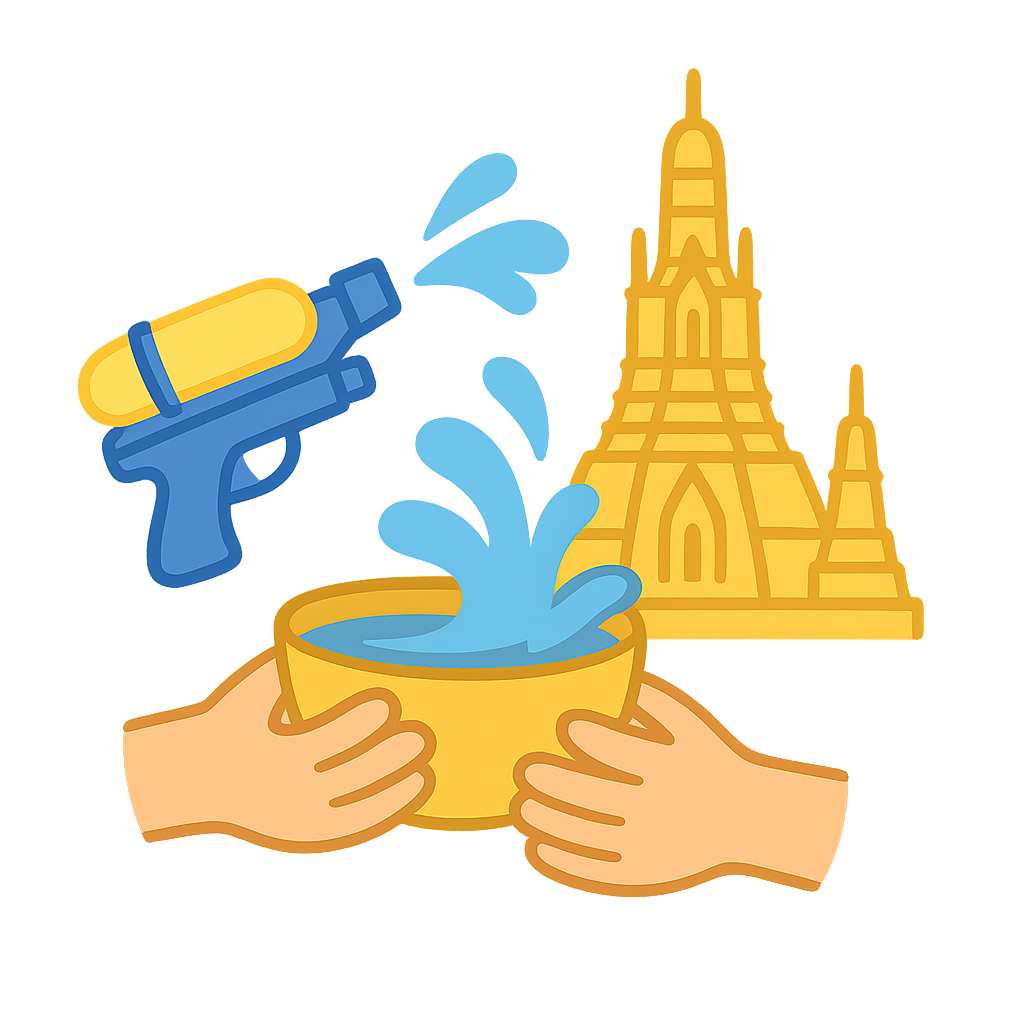
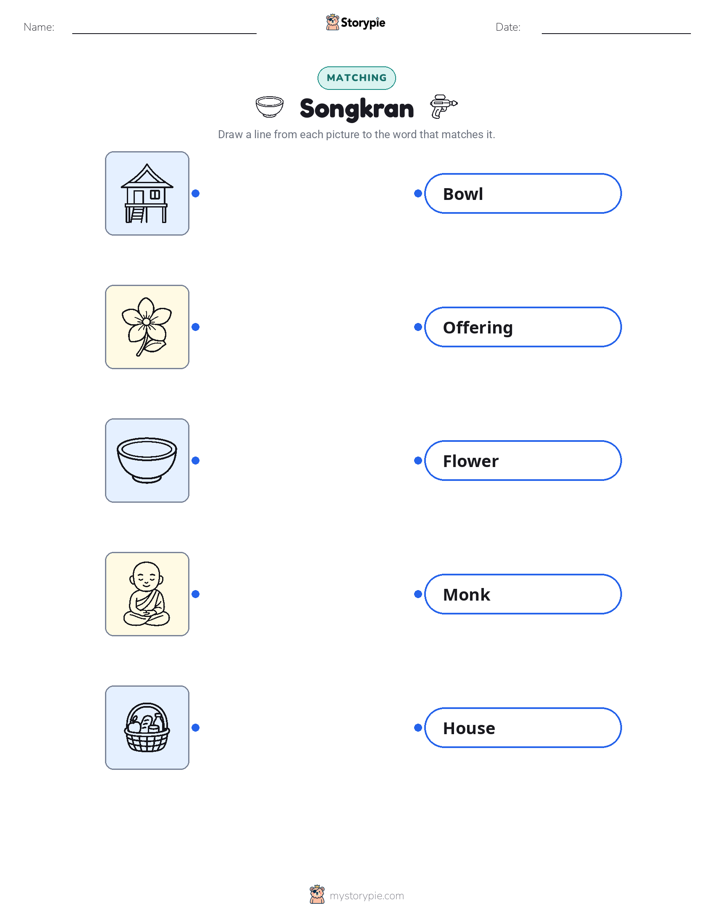
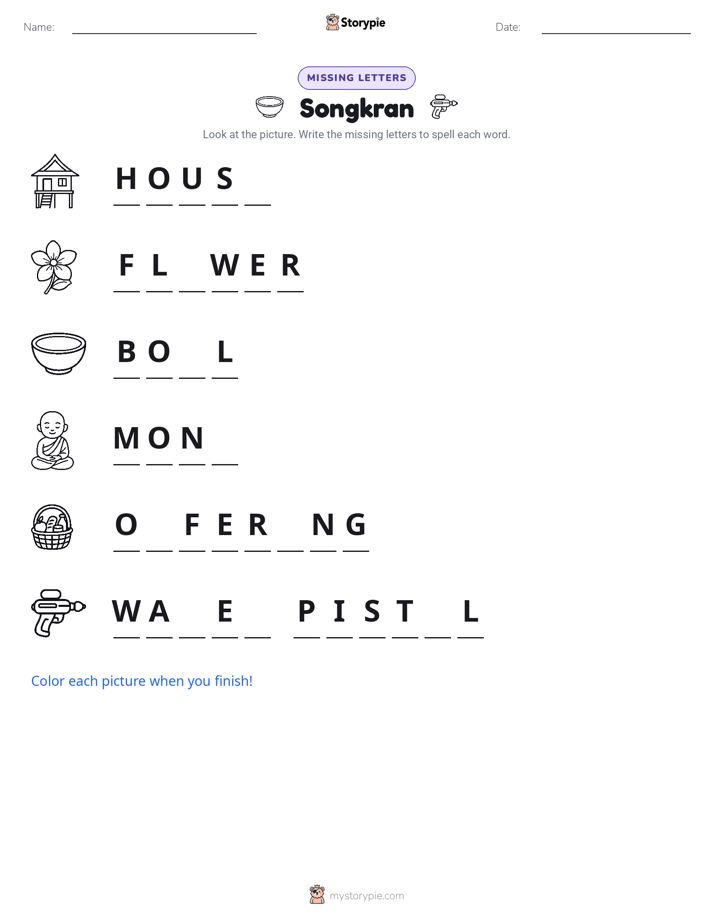
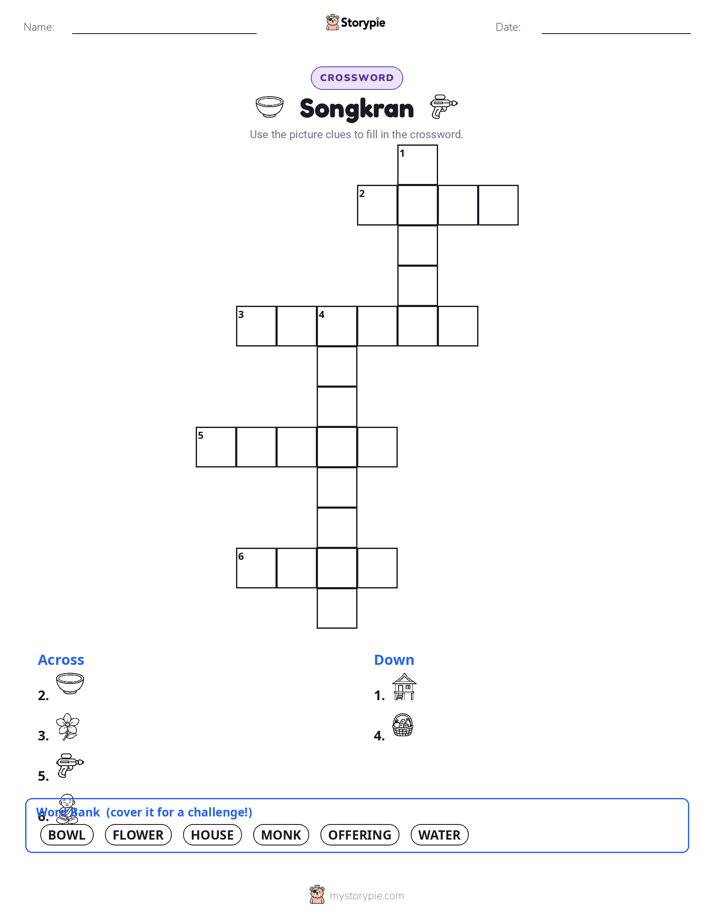
My name is Mali, and from the porch of my wooden house here in Chiang Mai, Thailand, I can feel it coming. It’s April, the hottest month of the year, when the air grows so thick and still it feels like the world is holding its breath. But this stillness is filled with anticipation, a quiet hum of excitement for what is about to arrive. We are waiting for Songkran, the Thai New Year, a celebration that washes over our country like a cool, refreshing wave. Songkran is not just a date on a calendar; it is a tradition deeply woven into the soul of our land. Its timing is tied to the ancient solar calendar, marking the moment the sun moves into the astrological sign of Aries. For centuries, this has signaled the end of the dry season and the beginning of a new cycle of life, a time to hope for the coming rains that will nourish our rice fields. When I was a young girl, my own grandmother would tell me that Songkran was a time to wash away the old and welcome the new. It was, and still is, a time for family to gather, for respect to be shown, and for everyone to find a sense of renewal.
Everything begins in earnest on April 13th. The first order of business is to prepare our home. My children and grandchildren arrive early, their faces bright with smiles. Together, we sweep the floors, wipe down the walls, and clear away any clutter from the past year. This isn't just a chore; it is a symbolic act of sweeping away any lingering misfortunes to make space for good luck. The most meaningful part of the day for me is the 'Rod Nam Dam Hua' ceremony. My grandchildren approach me, one by one, holding small, polished silver bowls filled with water. The water is not plain; it is scented with the sweet fragrance of jasmine petals. They pour this scented water gently over my hands, a gesture of deep respect and an apology for any wrongdoing in the past year. In return, I give them my blessing. I whisper words of love and encouragement, wishing them health, wisdom, and happiness for the year to come. It is a quiet, beautiful moment that connects the generations. Later, we will visit the local temple, or 'wat', to 'make merit.' We bring offerings of food and other essentials for the monks, an act of generosity and gratitude that we believe brings blessings upon our family.
Grandmother Mali and the Songkran Festival
My name is Mali, and from the porch of my wooden house here in Chiang Mai, Thailand, I can feel it coming. It’s April, the hottest month of the year, when the air grows so thick and still it feels like the world is holding its breath. But this stillness is filled with anticipation, a quiet hum of excitement for what is about to arrive. We are waiting for Songkran, the Thai New Year, a celebration that washes over our country like a cool, refreshing wave. Songkran is not just a date on a calendar; it is a tradition deeply woven into the soul of our land. Its timing is tied to the ancient solar calendar, marking the moment the sun moves into the astrological sign of Aries. For centuries, this has signaled the end of the dry season and the beginning of a new cycle of life, a time to hope for the coming rains that will nourish our rice fields. When I was a young girl, my own grandmother would tell me that Songkran was a time to wash away the old and welcome the new. It was, and still is, a time for family to gather, for respect to be shown, and for everyone to find a sense of renewal.
Everything begins in earnest on April 13th. The first order of business is to prepare our home. My children and grandchildren arrive early, their faces bright with smiles. Together, we sweep the floors, wipe down the walls, and clear away any clutter from the past year. This isn't just a chore; it is a symbolic act of sweeping away any lingering misfortunes to make space for good luck. The most meaningful part of the day for me is the 'Rod Nam Dam Hua' ceremony. My grandchildren approach me, one by one, holding small, polished silver bowls filled with water. The water is not plain; it is scented with the sweet fragrance of jasmine petals. They pour this scented water gently over my hands, a gesture of deep respect and an apology for any wrongdoing in the past year. In return, I give them my blessing. I whisper words of love and encouragement, wishing them health, wisdom, and happiness for the year to come. It is a quiet, beautiful moment that connects the generations. Later, we will visit the local temple, or 'wat', to 'make merit.' We bring offerings of food and other essentials for the monks, an act of generosity and gratitude that we believe brings blessings upon our family.
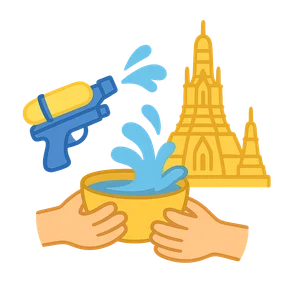
As the festival moves into April 14th and 15th, the spiritual heart of the celebration beats stronger, but the sound of laughter also grows louder. At home, we perform a ritual called 'Song Nam Phra.' We have a small, cherished Buddha image in our home, and we gently pour scented water over its shoulders, carefully avoiding the head. This is a symbolic bathing, meant to purify the spirit and bring blessings to our household. We do the same at the temple, joining others in reverently cleansing the larger Buddha statues. It is believed that the water that has touched these sacred images becomes blessed. In the old days, people would take this blessed water and lightly sprinkle it on family and friends as a way to share the good fortune. Over many generations, this gentle sprinkling has blossomed into the most famous part of Songkran: the nationwide water festival. The streets of Chiang Mai transform into a joyful scene of celebration. People line the roads with buckets of water, and children run with colorful water pistols. The air fills with shrieks of delight and laughter as everyone, from locals to visitors, joins in. This is not just a water fight; it is a shared act of washing away the heat, the past, and any lingering sorrows. Every splash is a blessing, a wish for a cool and prosperous new year.
I have seen Songkran change so much in my lifetime. When I was a girl, we used small silver bowls to gently pour water on each other’s shoulders. Today, I see young people with giant water cannons. Some might say the festival has become too wild, but I see it differently. While the tools have changed, the spirit remains the same. The joy and laughter are the same. The feeling of community, of everyone coming together to celebrate a new beginning, is stronger than ever. Songkran is so much more than a water fight. It is a lesson in respect, taught through the gentle pouring of water on an elder’s hands. It is a lesson in renewal, shown by cleaning our homes and our spirits. It is a lesson in community, felt in the shared laughter on the streets. As the festival ends and a quiet peace returns, we are left feeling clean, refreshed, and hopeful. I hope that you, too, cherish your own traditions, for they connect us to our history and give us strength for the future, reminding us that every new year is a chance to begin again.
Wow facts
About
Songkran is the traditional Thai New Year festival, celebrated annually from April 13th to 15th. It is known for its symbolic water rituals, including temple visits, honoring elders, and public water fights that represent purification and washing away bad luck for the new year.
Take a Quiz
Question 1 of 5
In your own words, describe the two main parts of the Songkran celebration as explained by Grandmother Mali.
Explore next





Want to do even more?
Go beyond exploring. Unlock tools that turn every story into real learning.

Storypie Plus for families
Full stories, quizzes, and printables. Nights and car rides, sorted.
- Unlimited audio stories
- Create Mode: your child stars in the story
- Offline downloads
- Printable worksheets & coloring pages

Why Storypie for Schools
Students engaged. Prep in seconds. Evenings back to you.
- Worksheets & Quizzes
- Classroom Management
- Formative Assessment
- Custom Curriculum & Lesson Plans
- 27 Languages

Why Storypie for Homeschool
Curriculum done. They'll ask for more. Hours back in your day.
- Worksheet Generator
- First-Person Audio Stories
- Built-in Comprehension Quizzes
- Custom Curriculum & Lesson Plans
- Print & Go Activities