English

Songkran
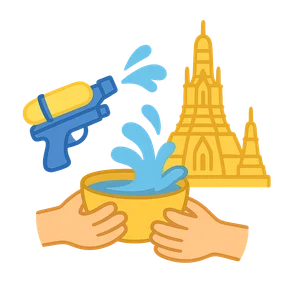
Songkran is the traditional Thai New Year festival, celebrated annually from April 13th to 15th.
Reads at Grades 3–5 Listens at Grades 1–5
Print & create
Answer keys·No prep·Free with an account
28 worksheets · answer keys · full story · quiz · Ages 8-10 · CEFR B1
Plus adds 164,000+ more stories in 27 languages, audio for every one, and printables for all of them.
Just want Songkran?
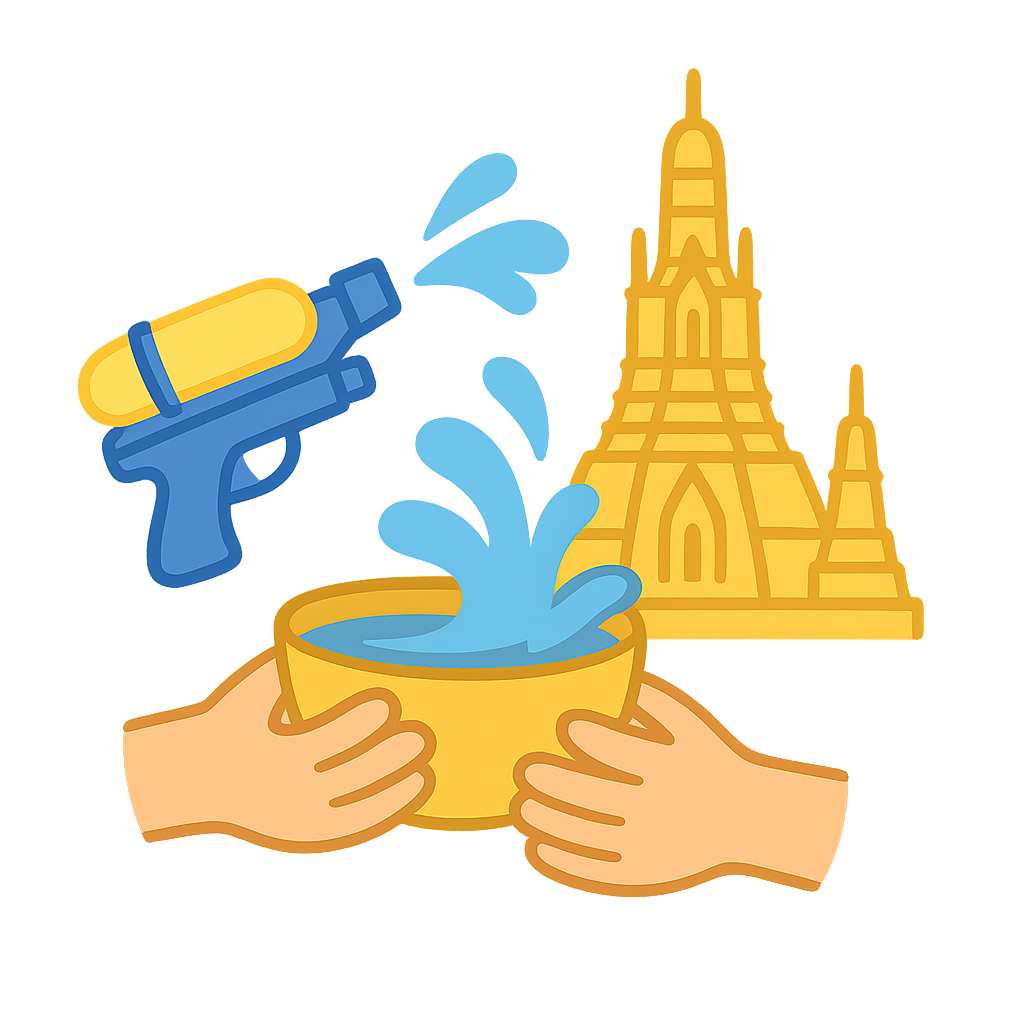
Sawasdee ka. Hello. My name is Mali, and my back is not as straight as it once was, but my heart is full of stories. I want to tell you about my favorite time of year, our Thai New Year, which we call Songkran. It happens every April, when the sun is at its hottest, but our spirits are at their brightest. The word 'Songkran' means to move or to change. It is a time when the sun moves into a new position in the sky, and we move into a new year, full of hope and new beginnings. The air grows thick with excitement. You can feel it in the warm breeze and see it in the smiles of your neighbors. Everyone prepares for the three special days of the festival, from April 13th to the 15th. We clean our homes from top to bottom, making everything fresh and ready for good things to come. For me, it is a time to remember the traditions my own grandmother taught me, traditions that connect us to our families and our beliefs, like a strong, beautiful thread weaving through time.
On the morning of April 13th, the first official day of Songkran, we wake up very early, even before the sun. The air is still cool and smells of jasmine flowers. This day is for respect and quiet reflection. My family and I will go to the temple, or 'wat', as we call it. We bring special food to offer the monks, a way of making merit and showing our gratitude. The most beautiful part of this day is the 'Song Nam Phra' ceremony. We gently pour fragrant water, filled with flower petals, over the statues of the Buddha. It feels like we are washing away any bad luck from the year that has passed, preparing our souls for a clean start. It is a peaceful, gentle beginning to our New Year. The next day, April 14th, is called 'Wan Nao', and it is our Family Day. This is the day my heart feels the fullest. My children and my grandchildren come to our home. They perform a ceremony called 'Rod Nam Dam Hua'. They pour scented water into my hands and over my shoulders as a sign of respect. They ask for my blessing for the year ahead, and I give it to them with all my love. I tell them stories and remind them of the importance of kindness. Feeling the cool water and their gentle hands, I am reminded that family is the greatest treasure of all.
A Songkran Story: My Thai New Year
Sawasdee ka. Hello. My name is Mali, and my back is not as straight as it once was, but my heart is full of stories. I want to tell you about my favorite time of year, our Thai New Year, which we call Songkran. It happens every April, when the sun is at its hottest, but our spirits are at their brightest. The word 'Songkran' means to move or to change. It is a time when the sun moves into a new position in the sky, and we move into a new year, full of hope and new beginnings. The air grows thick with excitement. You can feel it in the warm breeze and see it in the smiles of your neighbors. Everyone prepares for the three special days of the festival, from April 13th to the 15th. We clean our homes from top to bottom, making everything fresh and ready for good things to come. For me, it is a time to remember the traditions my own grandmother taught me, traditions that connect us to our families and our beliefs, like a strong, beautiful thread weaving through time.
On the morning of April 13th, the first official day of Songkran, we wake up very early, even before the sun. The air is still cool and smells of jasmine flowers. This day is for respect and quiet reflection. My family and I will go to the temple, or 'wat', as we call it. We bring special food to offer the monks, a way of making merit and showing our gratitude. The most beautiful part of this day is the 'Song Nam Phra' ceremony. We gently pour fragrant water, filled with flower petals, over the statues of the Buddha. It feels like we are washing away any bad luck from the year that has passed, preparing our souls for a clean start. It is a peaceful, gentle beginning to our New Year. The next day, April 14th, is called 'Wan Nao', and it is our Family Day. This is the day my heart feels the fullest. My children and my grandchildren come to our home. They perform a ceremony called 'Rod Nam Dam Hua'. They pour scented water into my hands and over my shoulders as a sign of respect. They ask for my blessing for the year ahead, and I give it to them with all my love. I tell them stories and remind them of the importance of kindness. Feeling the cool water and their gentle hands, I am reminded that family is the greatest treasure of all.
The final day, April 15th, is the one you may have seen pictures of. It is the day of joy and laughter that echoes through every street. After two days of quiet respect, the whole country explodes in a celebration of water. Everyone, young and old, goes outside with buckets, hoses, and water guns for a giant, happy water fight. The streets are filled with music and dancing. Getting soaked is a promise of good luck. This playful splashing is more than just a game to cool off from the April heat. It is a symbol of washing away everything bad from the old year and starting the new one completely fresh, pure, and full of joy. As I watch my grandchildren laughing, their faces dripping with water and happiness, I see the true spirit of Songkran. It is about respect for our traditions, love for our families, and the hopeful, happy spirit of a new beginning. My hope is that they will carry these feelings in their hearts and one day share this beautiful festival with their own children, keeping the thread of our culture strong.
Wow facts
About
Songkran is the traditional Thai New Year festival, celebrated annually from April 13th to 15th. It is known for its symbolic water rituals, including temple visits, honoring elders, and public water fights that represent purification and washing away bad luck for the new year.
Take a Quiz
Question 1 of 5
In the story, Mali says the 'Song Nam Phra' ceremony is for washing away bad luck. What does the word 'ceremony' mean in this sentence?
Explore next




Want to do even more?
Go beyond exploring. Unlock tools that turn every story into real learning.

Storypie Plus for families
Full stories, quizzes, and printables. Nights and car rides, sorted.
- Unlimited audio stories
- Create Mode: your child stars in the story
- Offline downloads
- Printable worksheets & coloring pages

Why Storypie for Schools
Students engaged. Prep in seconds. Evenings back to you.
- Worksheets & Quizzes
- Classroom Management
- Formative Assessment
- Custom Curriculum & Lesson Plans
- 27 Languages

Why Storypie for Homeschool
Curriculum done. They'll ask for more. Hours back in your day.
- Worksheet Generator
- First-Person Audio Stories
- Built-in Comprehension Quizzes
- Custom Curriculum & Lesson Plans
- Print & Go Activities