English

The Renaissance
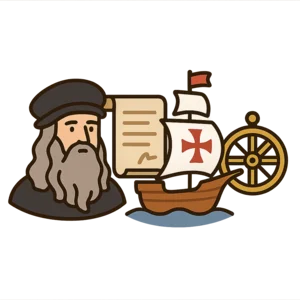
The Renaissance was a vibrant period in European history, from the 14th to the 17th century…
Reads at Grades 3–5 Listens at Grades 1–5
Print & create
Answer keys·No prep·Free with an account
28 worksheets · answer keys · full story · quiz · Ages 8-10 · CEFR B1
Plus adds 279,000+ more stories in 27 languages, audio for every one, and printables for all of them.
Just want The Renaissance?
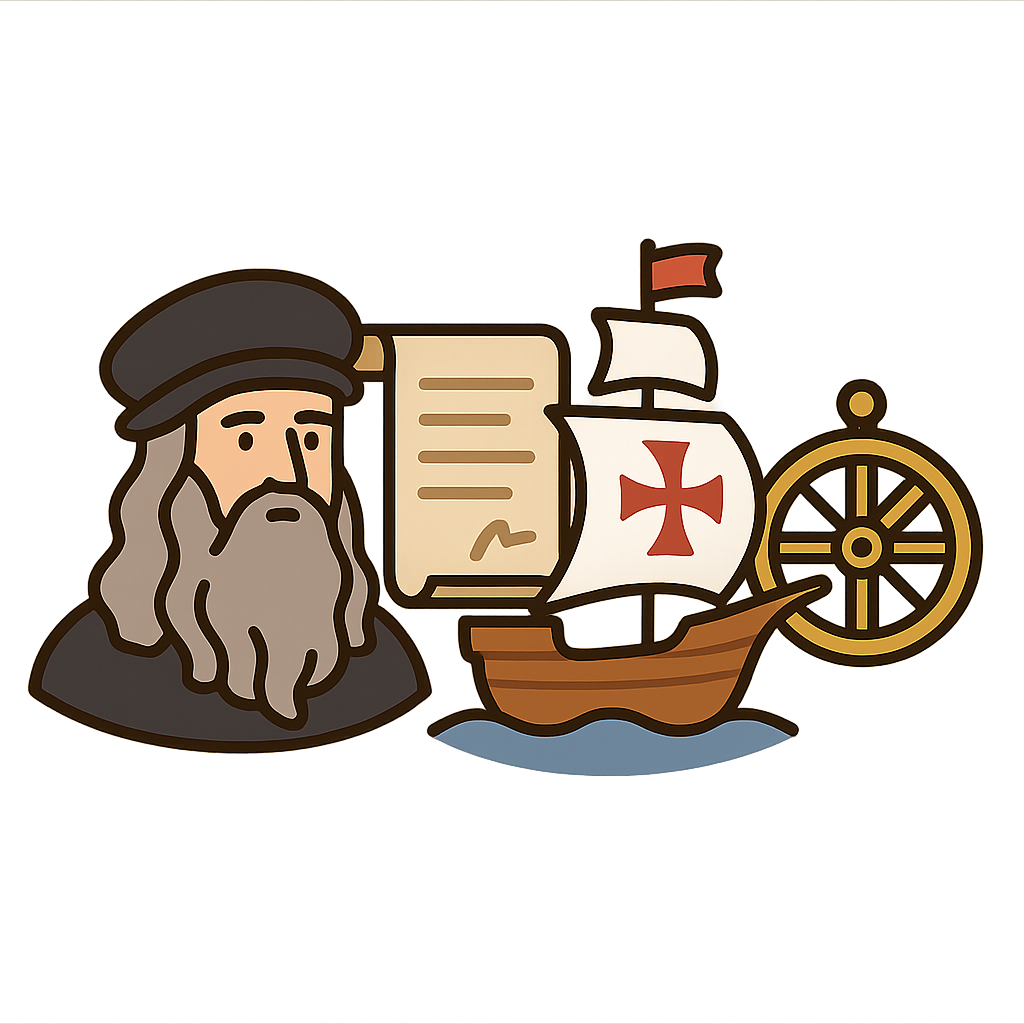
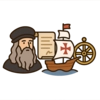
My name is Leonardo, and my story begins in a city that felt like the most exciting place in the world. I grew up in Florence, Italy, during a time that people later called the Renaissance. If you could have walked with me through its cobblestone streets, you would have felt a special kind of magic in the air. It was as if the whole world had been sleeping for a very long time and was finally waking up, stretching, and blinking in the bright sun. All around me, people were filled with new ideas. Artists were painting with colors that seemed to leap off the canvas, builders were creating magnificent domes that touched the sky, and thinkers were asking big questions about the stars, the human body, and everything in between. They called it the Renaissance, which means 'rebirth,' and it truly felt like we were seeing the world for the first time. I was just a boy, but I was overflowing with curiosity. I wanted to know everything. Why is the sky blue? How does a bird fly? What makes a person smile? Florence was the perfect place for a boy with a thousand questions, and I was ready to find the answers.
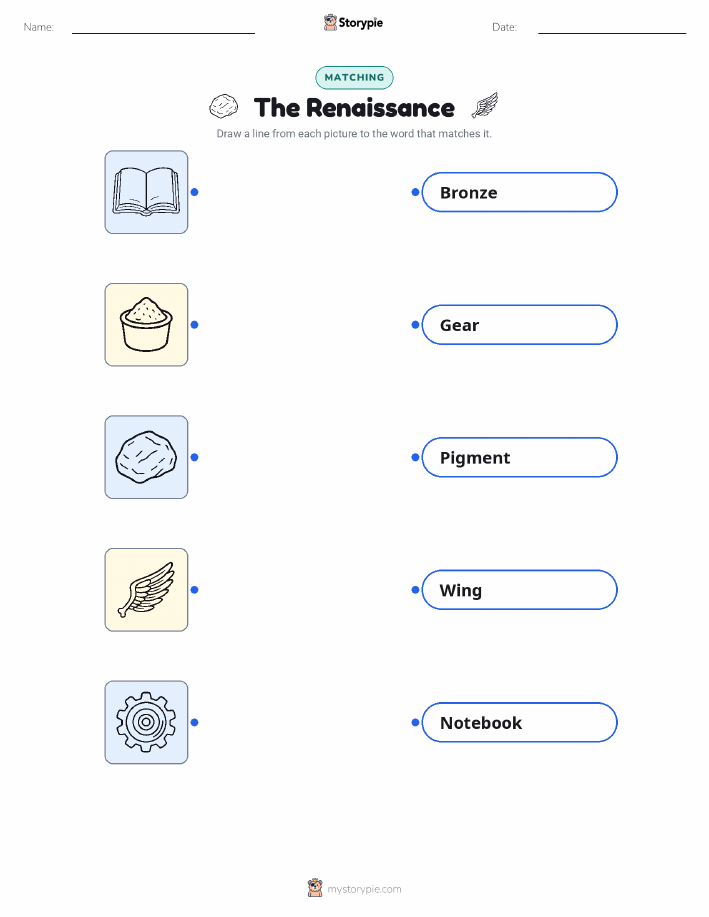
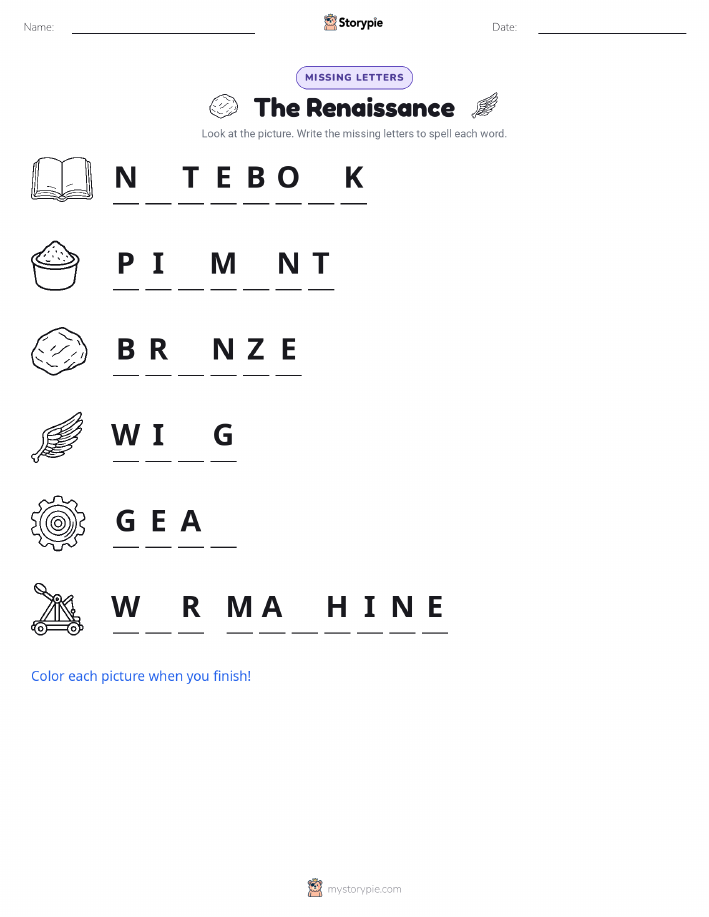
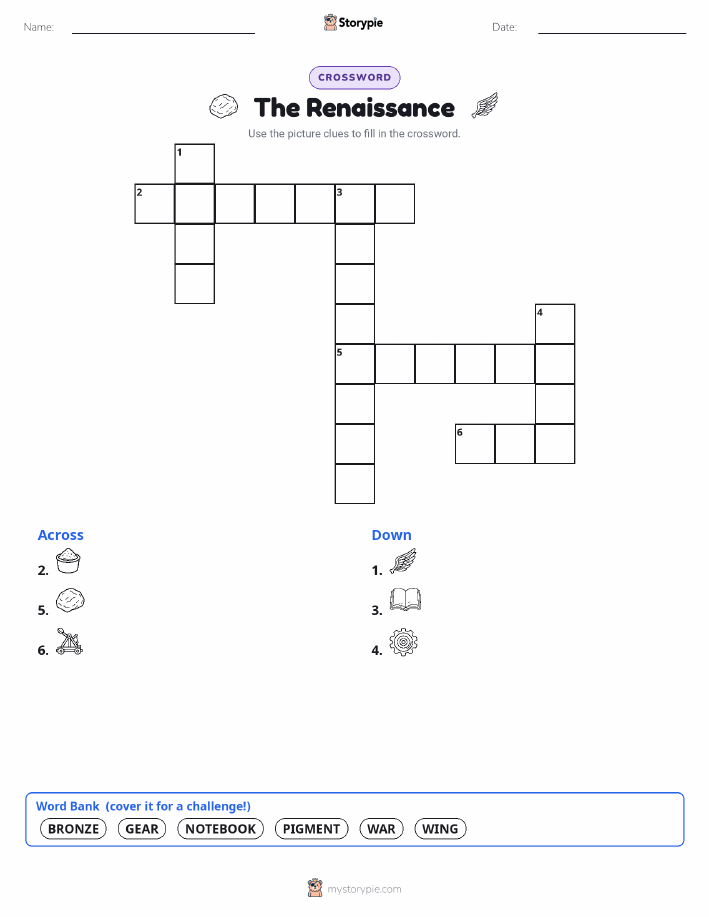
When I was old enough, I became an apprentice in the workshop of a great master named Andrea del Verrocchio. A workshop back then wasn't just a place to paint; it was a buzzing hive of creation. My hands were always busy. I learned to grind colorful minerals and mix them with egg yolk to make paint. I learned how to sculpt clay, cast bronze statues, and draw with perfect perspective so that a flat painting looked like a window into another world. But my learning didn't stop when I left the workshop. To me, the whole world was my teacher. I would spend hours watching birds soar through the air, sketching the intricate patterns of their wings and imagining how humans could fly, too. I filled notebooks with my drawings and ideas, sketching everything from the muscles in a horse's leg to the swirling patterns of water in a river. Some people thought I should just stick to painting, but I believed that to be a great artist, I had to understand how everything worked. How could I paint a person if I didn't know how their bones and muscles fit together? How could I paint a storm if I didn't understand the wind? In my secret notebooks, I designed incredible machines—a flying machine like a giant bat, an armored tank, and bridges that could be built quickly. Art and science were not separate to me; they were two sides of the same beautiful coin of knowledge.
Leonardo da Vinci and the Renaissance Dream
My name is Leonardo, and my story begins in a city that felt like the most exciting place in the world. I grew up in Florence, Italy, during a time that people later called the Renaissance. If you could have walked with me through its cobblestone streets, you would have felt a special kind of magic in the air. It was as if the whole world had been sleeping for a very long time and was finally waking up, stretching, and blinking in the bright sun. All around me, people were filled with new ideas. Artists were painting with colors that seemed to leap off the canvas, builders were creating magnificent domes that touched the sky, and thinkers were asking big questions about the stars, the human body, and everything in between. They called it the Renaissance, which means 'rebirth,' and it truly felt like we were seeing the world for the first time. I was just a boy, but I was overflowing with curiosity. I wanted to know everything. Why is the sky blue? How does a bird fly? What makes a person smile? Florence was the perfect place for a boy with a thousand questions, and I was ready to find the answers.
When I was old enough, I became an apprentice in the workshop of a great master named Andrea del Verrocchio. A workshop back then wasn't just a place to paint; it was a buzzing hive of creation. My hands were always busy. I learned to grind colorful minerals and mix them with egg yolk to make paint. I learned how to sculpt clay, cast bronze statues, and draw with perfect perspective so that a flat painting looked like a window into another world. But my learning didn't stop when I left the workshop. To me, the whole world was my teacher. I would spend hours watching birds soar through the air, sketching the intricate patterns of their wings and imagining how humans could fly, too. I filled notebooks with my drawings and ideas, sketching everything from the muscles in a horse's leg to the swirling patterns of water in a river. Some people thought I should just stick to painting, but I believed that to be a great artist, I had to understand how everything worked. How could I paint a person if I didn't know how their bones and muscles fit together? How could I paint a storm if I didn't understand the wind? In my secret notebooks, I designed incredible machines—a flying machine like a giant bat, an armored tank, and bridges that could be built quickly. Art and science were not separate to me; they were two sides of the same beautiful coin of knowledge.
My endless curiosity eventually led me to create paintings that people still talk about today. When I painted 'The Last Supper,' I didn't just want to show a group of men eating. I wanted to capture the exact, heart-stopping moment when Jesus told his friends that one of them would betray him. I tried to paint the shock, the sadness, and the confusion on each of their faces. And then there was my painting of a lady named Lisa, the 'Mona Lisa.' I spent years on her portrait because I wanted to do more than just paint her likeness. I wanted to paint her thoughts, to capture the secret behind her gentle, mysterious smile that seems to know something you don't. Looking back, I see that the Renaissance wasn't just my story. It was the story of thousands of people who dared to look at the world with fresh eyes. We were all asking 'why?' and 'how?' and using our imaginations to find the answers. My greatest hope is that you will do the same. Never stop asking questions. Never stop looking closely at the world around you. And never, ever be afraid to dream up something wonderful.
Wow facts
About
The Renaissance was a vibrant period in European history, from the 14th to the 17th century, that marked a 'rebirth' of art, science, culture, and learning, moving Europe from the Middle Ages to modernity.
Take a Quiz
Question 1 of 5
The story says Florence was 'waking up from a long sleep.' What does this really mean?
Explore next

Want to do even more?
Go beyond exploring. Unlock tools that turn every story into real learning.

Storypie Plus for families
Full stories, quizzes, and printables. Nights and car rides, sorted.
- Unlimited audio stories
- Create Mode: your child stars in the story
- Offline downloads
- Printable worksheets & coloring pages

Why Storypie for Schools
Students engaged. Prep in seconds. Evenings back to you.
- Worksheets & Quizzes
- Classroom Management
- Formative Assessment
- Custom Curriculum & Lesson Plans
- 27 Languages

Why Storypie for Homeschool
Curriculum done. They'll ask for more. Hours back in your day.
- Worksheet Generator
- First-Person Audio Stories
- Built-in Comprehension Quizzes
- Custom Curriculum & Lesson Plans
- Print & Go Activities