English

Carnival of Binche - Belgian
The Carnival of Binche is a famous three-day festival in the Belgian town of Binche…
Reads at Grades 3–5 Listens at Grades 1–5
Print & create
Answer keys·No prep·Free with an account
28 worksheets · answer keys · full story · quiz · Ages 8-10 · CEFR B1
Plus adds 273,000+ more stories in 27 languages, audio for every one, and printables for all of them.
Just want Carnival of Binche - Belgian?
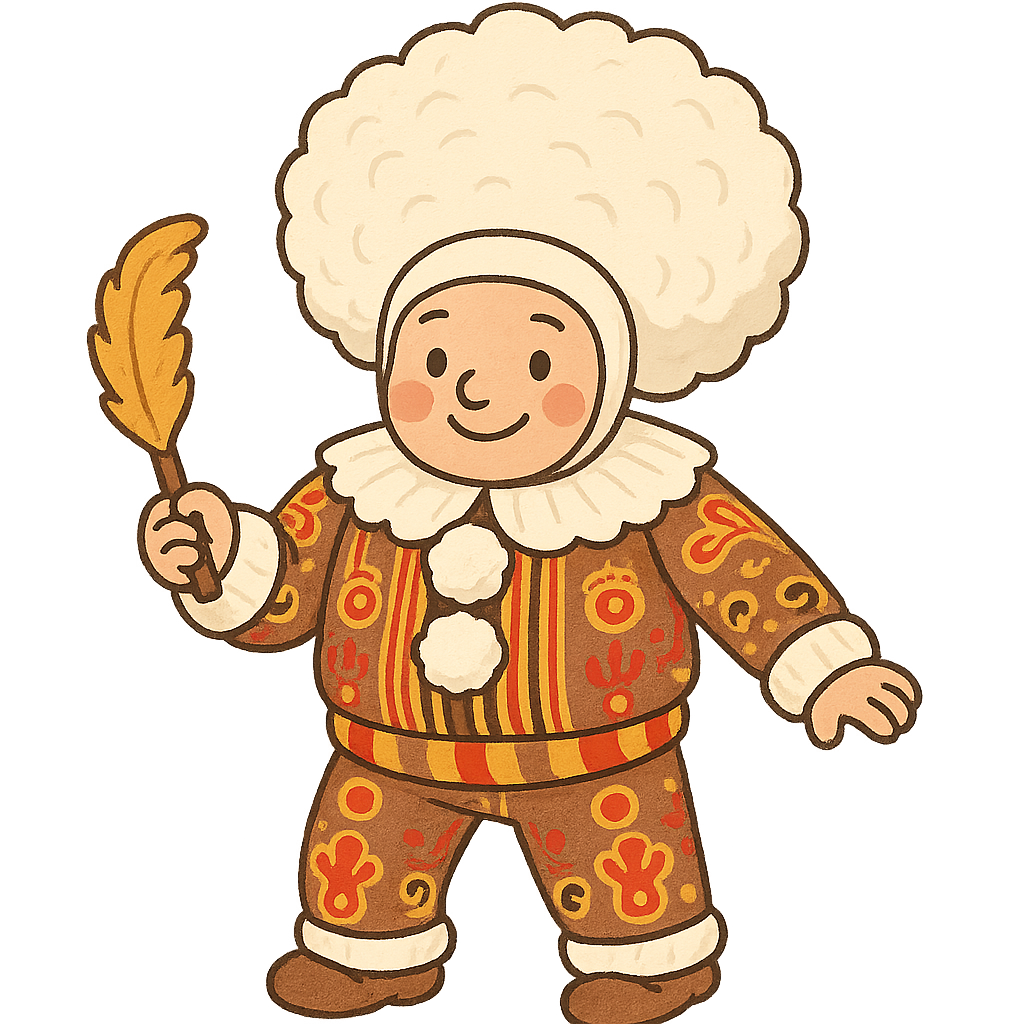
Hello! I am the Carnival of Binche. My home is a town in Belgium called Binche, and it is here that people celebrate me with great excitement every year. My observances are timed to take place just before the Christian season of Lent begins. For three full days, the streets are filled with music, parades, and special traditions that have been passed down for many generations. My main events unfold on the Sunday, Monday, and Tuesday right before Ash Wednesday, which marks the start of Lent. This makes me a final, joyful celebration before a time of quiet reflection.
My history is very long and reaches far back into the past. The earliest known written record that mentions my celebrations dates all the way back to the year 1394, during a period known as the Middle Ages. This means my traditions are more than six hundred years old. Of course, many of my customs may be even older than that, passed down through families long before anyone wrote about them. Over these many centuries, my practices have grown and changed, but they have always remained a central and cherished part of life for the people of Binche. This deep connection to the past is what makes my celebration so special.
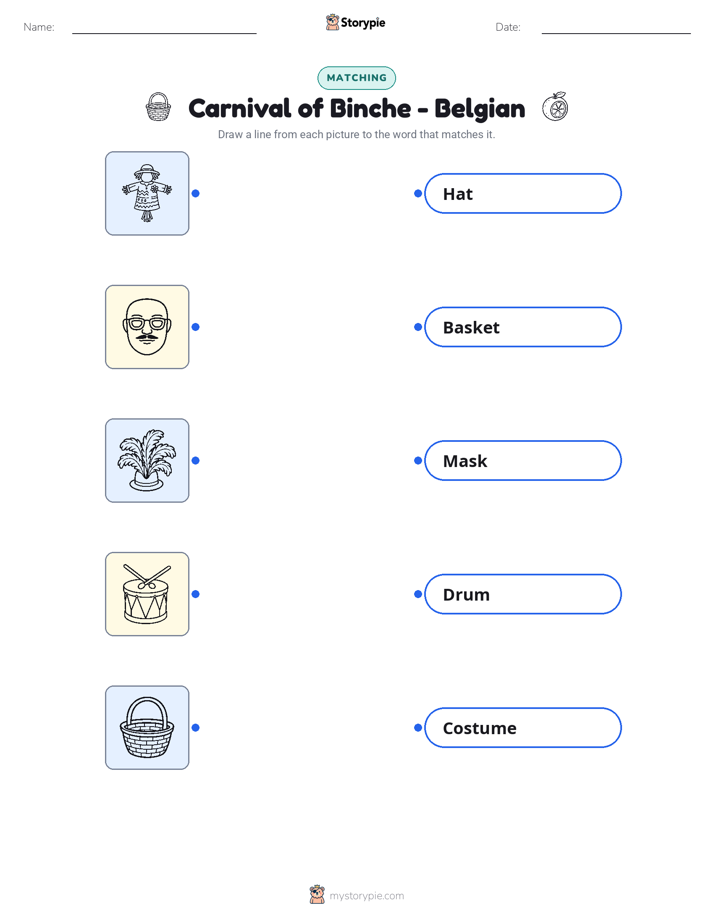
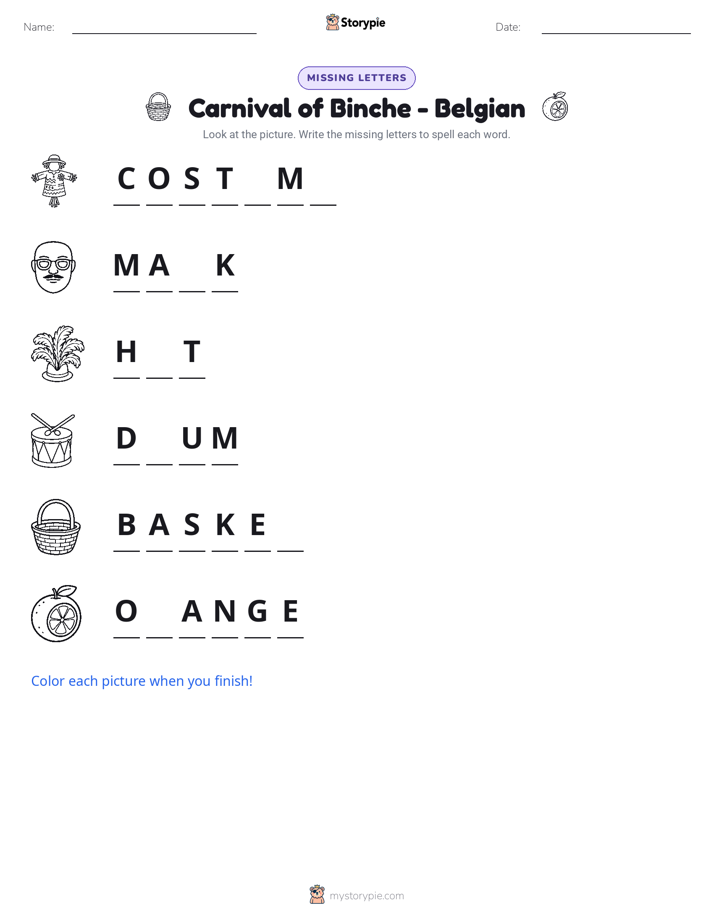
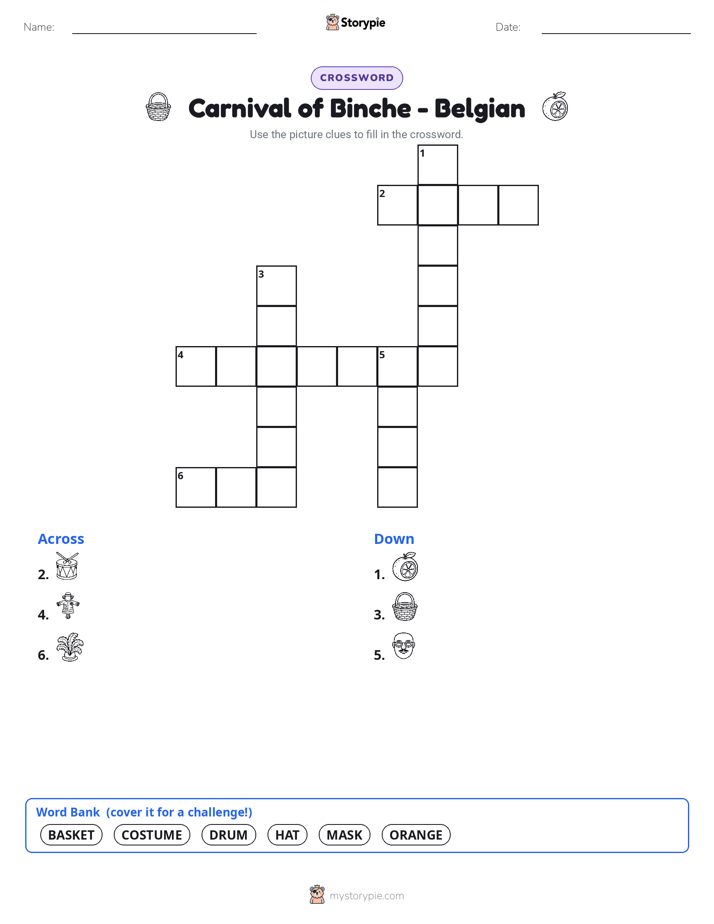
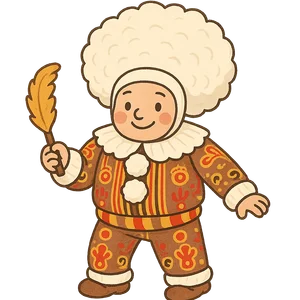
At the very heart of my festivities are the famous figures known as the Gilles. They are the main participants and the stars of my parades. Becoming a Gille is a great honor, but it is a role reserved only for men and boys who were either born in Binche or have lived in the town for several years. This rule ensures that the tradition is kept alive by those with deep roots in the community. Their costumes are truly remarkable and unlike any other. They wear outfits decorated with symbols like stars and lions, and around their waists, they wear belts with heavy bells that jingle with every step. On their feet are loud, sturdy wooden clogs that stomp on the cobblestone streets, adding to the sounds of the celebration.
The Carnival of Binche
Hello! I am the Carnival of Binche. My home is a town in Belgium called Binche, and it is here that people celebrate me with great excitement every year. My observances are timed to take place just before the Christian season of Lent begins. For three full days, the streets are filled with music, parades, and special traditions that have been passed down for many generations. My main events unfold on the Sunday, Monday, and Tuesday right before Ash Wednesday, which marks the start of Lent. This makes me a final, joyful celebration before a time of quiet reflection.
My history is very long and reaches far back into the past. The earliest known written record that mentions my celebrations dates all the way back to the year 1394, during a period known as the Middle Ages. This means my traditions are more than six hundred years old. Of course, many of my customs may be even older than that, passed down through families long before anyone wrote about them. Over these many centuries, my practices have grown and changed, but they have always remained a central and cherished part of life for the people of Binche. This deep connection to the past is what makes my celebration so special.
At the very heart of my festivities are the famous figures known as the Gilles. They are the main participants and the stars of my parades. Becoming a Gille is a great honor, but it is a role reserved only for men and boys who were either born in Binche or have lived in the town for several years. This rule ensures that the tradition is kept alive by those with deep roots in the community. Their costumes are truly remarkable and unlike any other. They wear outfits decorated with symbols like stars and lions, and around their waists, they wear belts with heavy bells that jingle with every step. On their feet are loud, sturdy wooden clogs that stomp on the cobblestone streets, adding to the sounds of the celebration.
On the morning of my most important day, Mardi Gras, the Gilles also wear a special wax mask. This mask is the same for every Gille, featuring green glasses, a small mustache, and a neutral expression that makes them all look identical and mysterious. However, the most spectacular part of the costume is the hat. In the afternoon, the Gilles put on enormous, towering hats made of white ostrich feathers. These magnificent hats can be very tall and heavy, and seeing hundreds of Gilles wearing them together is an unforgettable sight.
My biggest and most exciting day is Shrove Tuesday, which many people know by its French name, Mardi Gras. The day begins very early, long before the sun rises. Groups of Gilles gather in the dark and begin to march through the town’s streets. They are accompanied by the steady, powerful beat of drums, which calls everyone to the celebration. Later in the day, the grand parade begins. This is when the Gilles put on their incredible feathered hats and carry woven baskets filled with oranges. They march through the town, dancing to the music and interacting with the thousands of people who line the streets to watch.
During this afternoon parade, one of my most famous traditions takes place. The Gilles reach into their baskets and begin to throw blood oranges into the crowd. This is not a messy food fight; it is a meaningful gesture and a symbolic gift. For the people of Binche and visitors, catching one of these oranges is considered a sign of good luck. It is believed to bring good fortune for the entire year to come. People reach out their hands, hoping to catch one of these special gifts thrown by a Gille. It is a moment of shared joy and a tradition that everyone looks forward to.
Today, my customs are recognized as being important not just to Belgium, but to the entire world. In 2003, a special organization called UNESCO gave me a great honor. I was named a 'Masterpiece of the Oral and Intangible Heritage of Humanity.' This is a long title that means my traditions are a valuable cultural treasure. 'Oral' means they are passed down by being spoken about and shown, and 'intangible' means they are a living part of culture, not just an old building or object. This recognition helps protect my unique customs so that they can continue to be celebrated for many more years.
Wow facts
About
The Carnival of Binche is a famous three-day festival in the Belgian town of Binche, celebrated annually in the days leading up to Lent. It is recognized by UNESCO for its unique traditions, most notably the parade of masked performers called Gilles who throw oranges to the crowd.
Take a Quiz
Question 1 of 5
Why is becoming a Gille considered a special role that not everyone can do?
Want to do even more?
Go beyond exploring. Unlock tools that turn every story into real learning.

Storypie Plus for families
Full stories, quizzes, and printables. Nights and car rides, sorted.
- Unlimited audio stories
- Create Mode: your child stars in the story
- Offline downloads
- Printable worksheets & coloring pages

Why Storypie for Schools
Students engaged. Prep in seconds. Evenings back to you.
- Worksheets & Quizzes
- Classroom Management
- Formative Assessment
- Custom Curriculum & Lesson Plans
- 27 Languages

Why Storypie for Homeschool
Curriculum done. They'll ask for more. Hours back in your day.
- Worksheet Generator
- First-Person Audio Stories
- Built-in Comprehension Quizzes
- Custom Curriculum & Lesson Plans
- Print & Go Activities