English

Doudou - Belgian
The Doudou, or Ducasse de Mons, is an annual three-day festival in Mons, Belgium, recognized by UNESCO.
Reads at Grades 6–8 Listens at Grades 4–8
Print & create
Answer keys·No prep·Free with an account
28 worksheets · answer keys · full story · quiz · Ages 10-12 · CEFR B2
Plus adds 279,000+ more stories in 27 languages, audio for every one, and printables for all of them.
Just want Doudou - Belgian?
I am the Doudou, a festival that fills the streets of Mons, Belgium, with history and excitement. While many people call me by this familiar name, my official title is the Ducasse de Mons. My story is a long one, stretching back to the Middle Ages, and it begins not with celebration, but with a community facing a crisis. My origins are documented to the year 1349, a time when a terrible plague was spreading across Europe. The people of Mons were desperate to save their city from the disease. In an act of faith, they organized a solemn procession, carrying the sacred relics of their patron saint, Saint Waltrude, through the city streets. They hoped this display of devotion would bring an end to their suffering. After the procession, the plague did indeed recede from Mons. The grateful citizens decided to hold the procession every year, and thus, my annual observance was born.
My deep cultural roots and unique traditions have been recognized far beyond the city of Mons. In the 21st century, UNESCO, the United Nations Educational, Scientific and Cultural Organization, officially declared me a Masterpiece of the Oral and Intangible Heritage of Humanity. This prestigious title acknowledges that my customs are a vital part of the world's living culture. It means that the stories, rituals, and community spirit people experience during my observance are considered a cultural treasure. This recognition helps ensure that my unique blend of religious history and folk legend will be preserved and passed on to future generations, maintaining my place as a significant piece of human heritage. My identity is tied to this continuity, a link between the medieval past and the vibrant present.
I Am the Doudou of Mons
I am the Doudou, a festival that fills the streets of Mons, Belgium, with history and excitement. While many people call me by this familiar name, my official title is the Ducasse de Mons. My story is a long one, stretching back to the Middle Ages, and it begins not with celebration, but with a community facing a crisis. My origins are documented to the year 1349, a time when a terrible plague was spreading across Europe. The people of Mons were desperate to save their city from the disease. In an act of faith, they organized a solemn procession, carrying the sacred relics of their patron saint, Saint Waltrude, through the city streets. They hoped this display of devotion would bring an end to their suffering. After the procession, the plague did indeed recede from Mons. The grateful citizens decided to hold the procession every year, and thus, my annual observance was born.
My deep cultural roots and unique traditions have been recognized far beyond the city of Mons. In the 21st century, UNESCO, the United Nations Educational, Scientific and Cultural Organization, officially declared me a Masterpiece of the Oral and Intangible Heritage of Humanity. This prestigious title acknowledges that my customs are a vital part of the world's living culture. It means that the stories, rituals, and community spirit people experience during my observance are considered a cultural treasure. This recognition helps ensure that my unique blend of religious history and folk legend will be preserved and passed on to future generations, maintaining my place as a significant piece of human heritage. My identity is tied to this continuity, a link between the medieval past and the vibrant present.
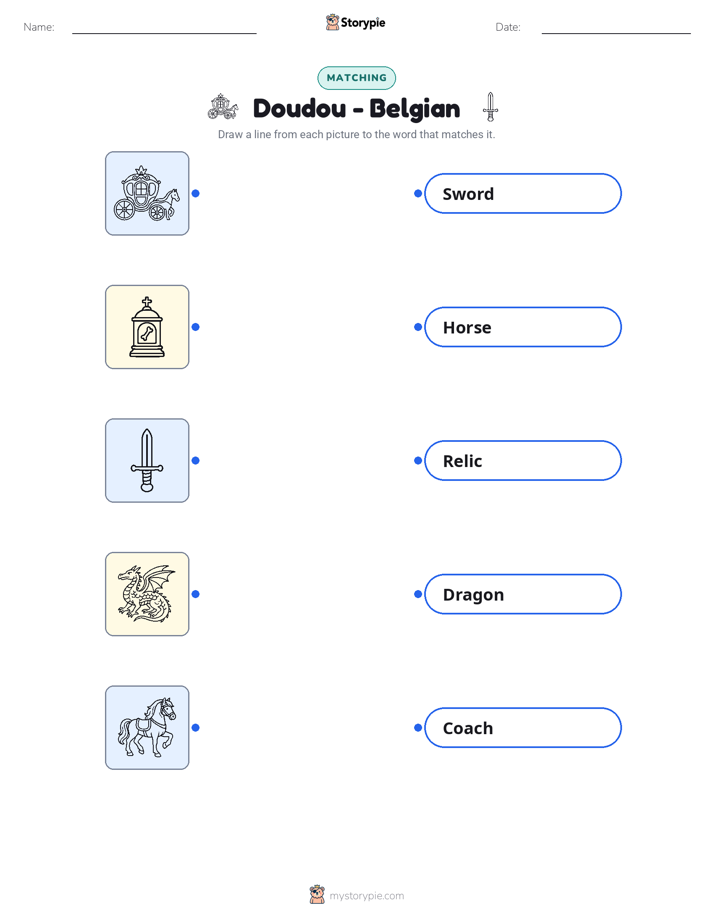
Today, people observe my main events on Trinity Sunday, a date in the Christian calendar that changes each year. My modern form is a fascinating mix of solemn ceremony and thrilling spectacle. The day begins with a deeply respected religious event: the Procession of the Golden Coach, or "Car d'Or." This beautiful, ornate coach carries the very same relics of Saint Waltrude that were paraded through the streets in 1349. The procession moves slowly through the city, a direct link to my origins and the historical reason for my existence. It is a moment of quiet reflection and reverence for many who watch.
A highlight of the procession is a moment of intense collective effort and suspense. To return to the collegiate church, the heavy Golden Coach must be pushed up a steep, cobblestone street. As it reaches the bottom of the hill, hundreds of people from the crowd surge forward to help push the massive coach to the top. There is a deeply held local belief that if the coach makes it up the hill in a single, continuous push, the city of Mons will have good luck for the entire year. The energy is incredible as the community works together, their success met with a huge cheer that echoes through the streets.
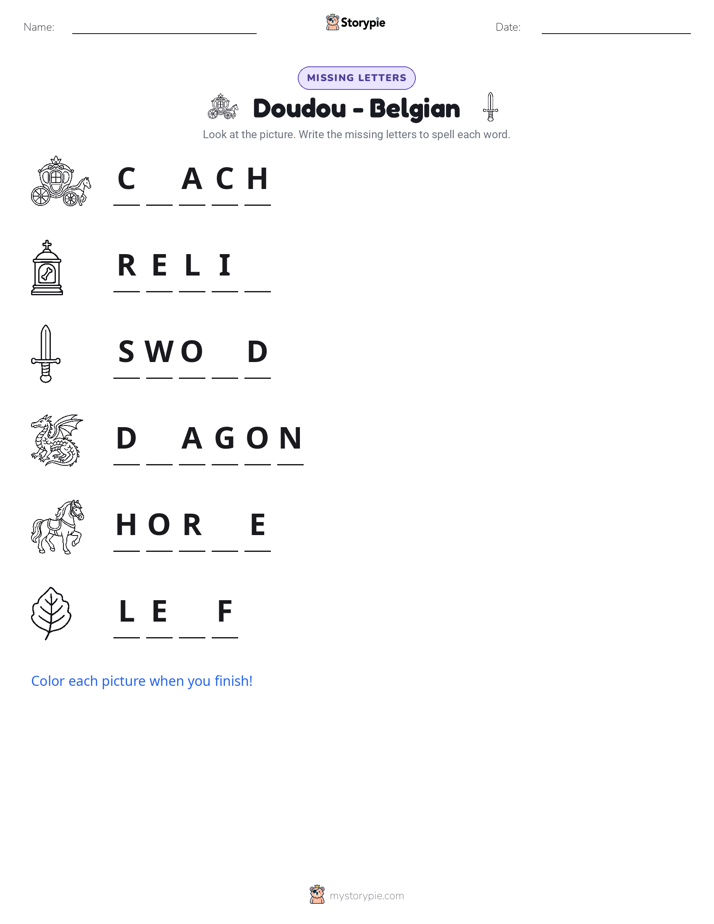
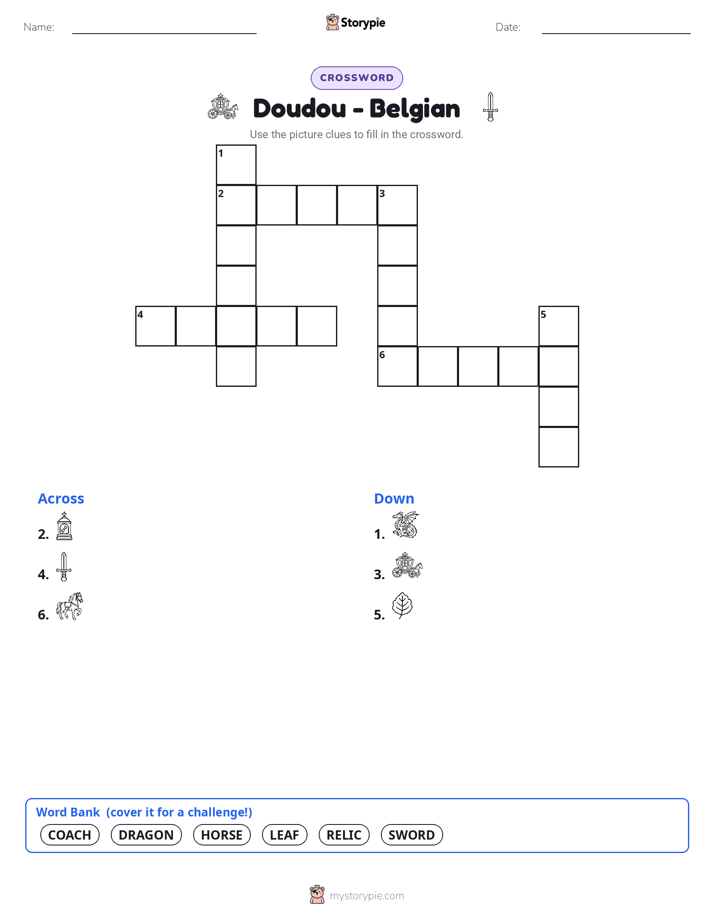
After the solemnity of the morning, the atmosphere shifts to one of excitement for my most famous event: the "Lumeçon." This is a dramatic, reenacted battle that takes place in the city's Grand-Place, or main square. The Lumeçon is a folk play that symbolizes the timeless struggle between good and evil. The hero of the story is Saint George, who rides a horse and represents the forces of good. His opponent is a massive Dragon, a fearsome figure with a long tail, who represents evil. The battle between them is the centerpiece of the entire festival, drawing huge crowds who pack the square to watch the elaborate performance unfold.
Saint George and the Dragon are not the only characters in this legendary fight. Both sides have helpers who play important roles in the spectacle. Assisting Saint George are characters known as the "Feuillus," who are men covered from head to toe in green leaves, and the "Chinchins," who represent dogs that help the hero. On the Dragon's side are the "Devils," who try to distract and hinder Saint George. Keeping a semblance of order amidst the chaos are the "Poliçias," actors dressed as police officers who playfully interact with the other characters and the crowd. Together, all these figures create a lively and chaotic scene that captivates everyone watching.
The battle is a swirling, dynamic performance that lasts for about half an hour. Saint George attempts to defeat the Dragon with his sword, while the Dragon defends itself with its powerful tail. As the reenactment reaches its climax and Saint George is victorious, a unique tradition takes place. The crowd surges forward, and people try to pull a handful of coarse hair from the Dragon's tail. Similar to the pushing of the Golden Coach, this act is also believed to bring good luck for the year. It's a final, thrilling moment of audience participation that concludes the main events of my celebration.
From a 14th-century plea for deliverance from plague to a modern UNESCO-recognized cultural masterpiece, I continue to be a central part of the identity of Mons. My traditions bring together the sacred and the secular, the historical and the legendary. The solemn Procession of the Golden Coach honors my origins and the faith of the city's ancestors, while the vibrant Lumeçon allows the community to participate in a timeless story of good triumphing over evil. Each year on Trinity Sunday, people gather not just to watch, but to push the coach, grab the dragon's hair, and actively continue a heritage that has been passed down for nearly 700 years.
Wow facts
About
The Doudou, or Ducasse de Mons, is an annual three-day festival in Mons, Belgium, recognized by UNESCO. It features a historical procession and a famous reenactment of the legend of Saint George fighting a dragon.
Take a Quiz
Question 1 of 5
What is the main conflict presented in the 'Lumeçon' event?
Want to do even more?
Go beyond exploring. Unlock tools that turn every story into real learning.

Storypie Plus for families
Full stories, quizzes, and printables. Nights and car rides, sorted.
- Unlimited audio stories
- Create Mode: your child stars in the story
- Offline downloads
- Printable worksheets & coloring pages

Why Storypie for Schools
Students engaged. Prep in seconds. Evenings back to you.
- Worksheets & Quizzes
- Classroom Management
- Formative Assessment
- Custom Curriculum & Lesson Plans
- 27 Languages

Why Storypie for Homeschool
Curriculum done. They'll ask for more. Hours back in your day.
- Worksheet Generator
- First-Person Audio Stories
- Built-in Comprehension Quizzes
- Custom Curriculum & Lesson Plans
- Print & Go Activities