English

Easter - Polish
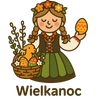
Known as Wielkanoc, Polish Easter is one of the most important holidays in the Polish calendar…
Reads at Grades 6–8 Listens at Grades 4–8
Print & create
Answer keys·No prep·Free with an account
28 worksheets · answer keys · full story · quiz · Ages 10-12 · CEFR B2
Plus adds 279,000+ more stories in 27 languages, audio for every one, and printables for all of them.
Just want Easter - Polish?
I am the Polish celebration of Easter, known to the people who observe me as Wielkanoc. My name holds a special meaning, translating to 'Great Night,' which points to the importance of the Easter Vigil, a church service held on the evening of Holy Saturday. For many in Poland, I am considered the most important holiday in the entire calendar year. My central purpose is to celebrate the Christian belief in the resurrection of Jesus Christ, an event that is foundational to the Christian faith. This commemoration is at the heart of all my traditions, from solemn church services to joyful family meals. The name 'Great Night' serves as a reminder of the transition from the sorrow of Good Friday to the hope and new beginning that Easter Sunday represents in Christian teachings.
My place in the year is not fixed; I am what is known as a movable feast. My date shifts annually because it is tied to the cycles of the moon and the changing of the seasons. People celebrate me on the first Sunday that follows the first full moon of spring. This connection to the spring season is woven through many of my customs, which often include symbols of rebirth and new life. My observance is not limited to a single day. Instead, it unfolds over a period known as Holy Week, with the main celebrations spanning several key days. The journey begins with Palm Sunday and builds toward the central events of Holy Saturday and Easter Sunday, finally concluding with Easter Monday, a day that has its own unique and lively traditions.
Wielkanoc: My Story as Polish Easter
I am the Polish celebration of Easter, known to the people who observe me as Wielkanoc. My name holds a special meaning, translating to 'Great Night,' which points to the importance of the Easter Vigil, a church service held on the evening of Holy Saturday. For many in Poland, I am considered the most important holiday in the entire calendar year. My central purpose is to celebrate the Christian belief in the resurrection of Jesus Christ, an event that is foundational to the Christian faith. This commemoration is at the heart of all my traditions, from solemn church services to joyful family meals. The name 'Great Night' serves as a reminder of the transition from the sorrow of Good Friday to the hope and new beginning that Easter Sunday represents in Christian teachings.
My place in the year is not fixed; I am what is known as a movable feast. My date shifts annually because it is tied to the cycles of the moon and the changing of the seasons. People celebrate me on the first Sunday that follows the first full moon of spring. This connection to the spring season is woven through many of my customs, which often include symbols of rebirth and new life. My observance is not limited to a single day. Instead, it unfolds over a period known as Holy Week, with the main celebrations spanning several key days. The journey begins with Palm Sunday and builds toward the central events of Holy Saturday and Easter Sunday, finally concluding with Easter Monday, a day that has its own unique and lively traditions.
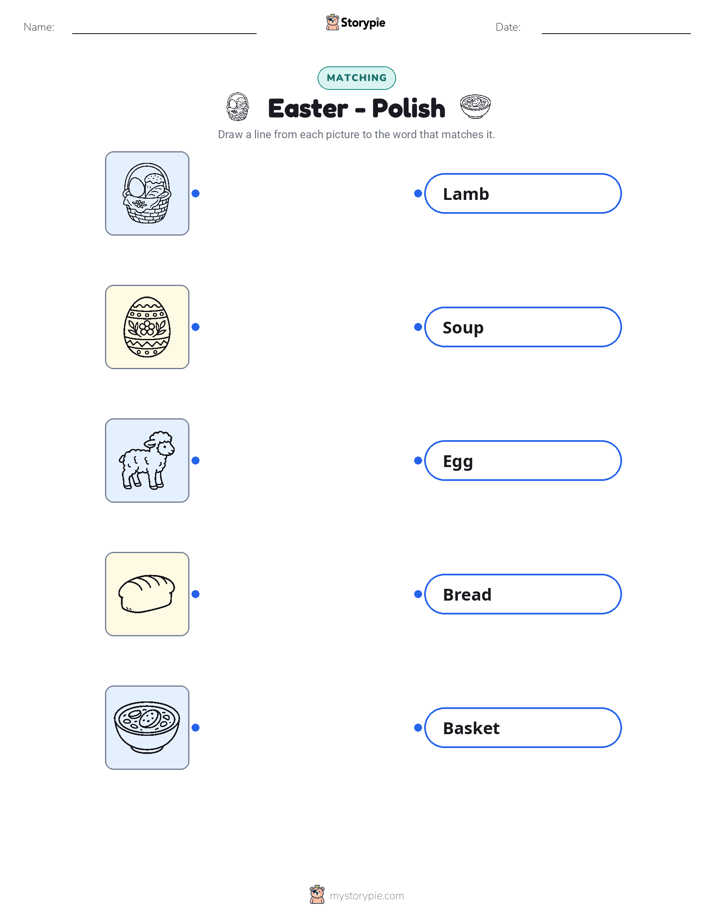
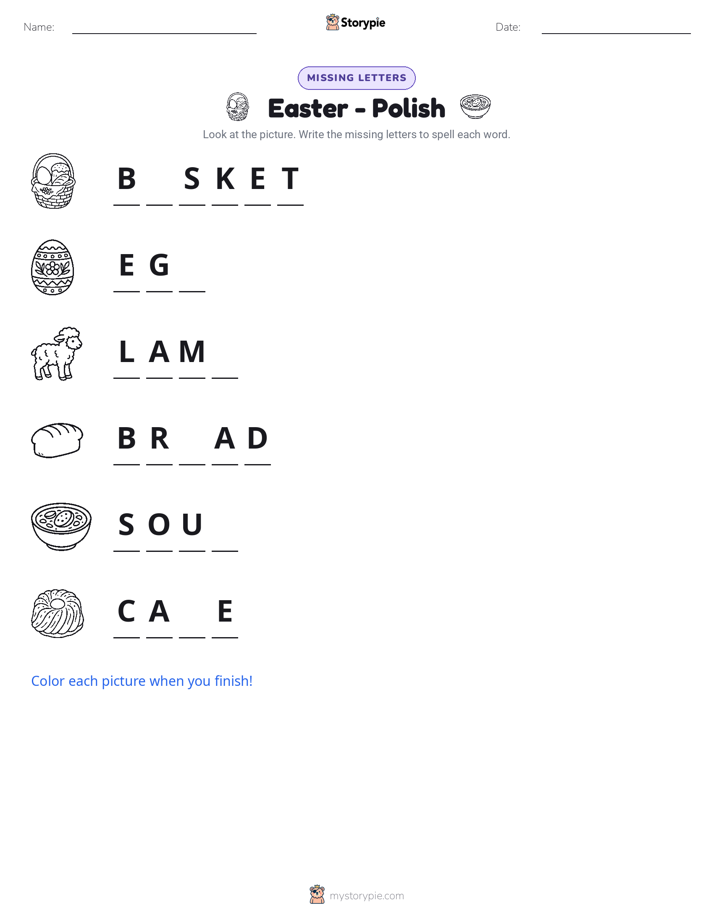
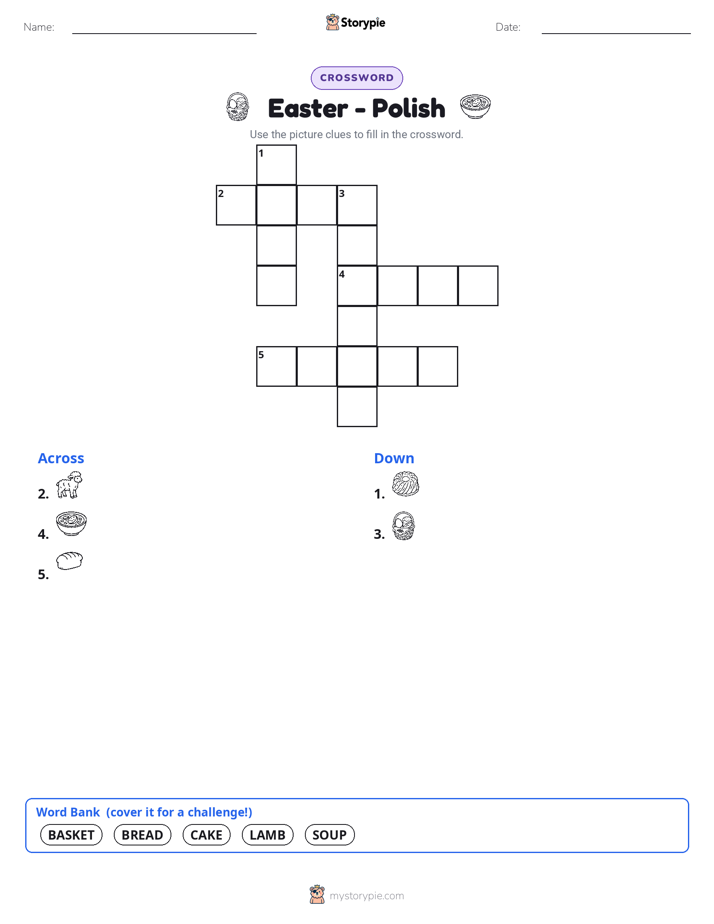
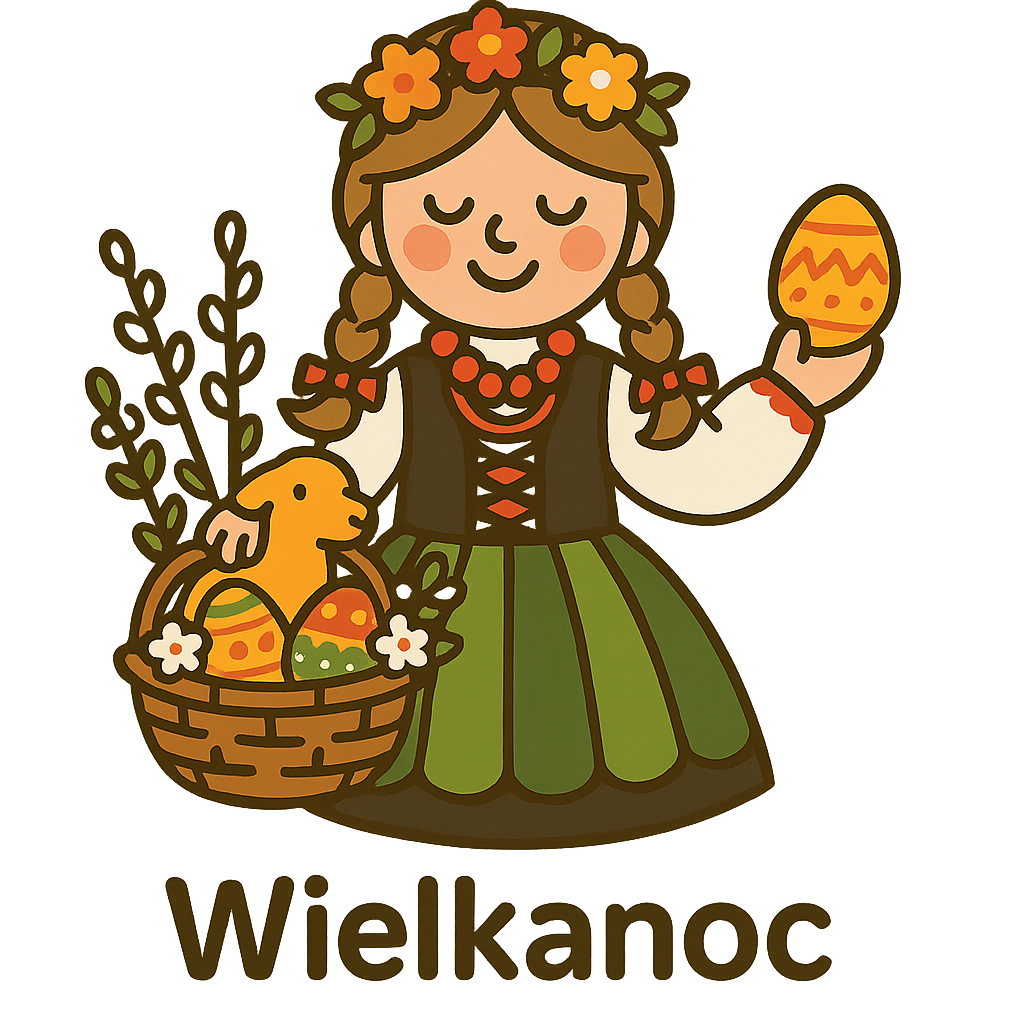
One of my most recognized and cherished customs takes place on Holy Saturday: the preparation and blessing of the Święconka basket. This is a tradition filled with deep symbolism and family participation. Families carefully prepare special baskets, often lining them with embroidered cloths, and fill them with a selection of foods that will be part of the Easter breakfast. Each item placed inside carries a specific meaning. The basket always contains eggs, which are called pisanki, as a symbol of new life and Christ's resurrection. There is also bread, representing Jesus, who is referred to as the 'bread of life' in Christian scripture. Another important element is a lamb figure, often crafted from butter or sugar, which symbolizes Jesus as the 'Lamb of God.' Once prepared, these beautiful baskets are taken to church, where a priest blesses them with holy water. This act sets the food apart as special for the celebratory meal to come.
The pisanki eggs that fill the Święconka basket are part of an ancient and beautiful art form. These are not simply eggs dipped in a single color. Creating pisanki is a detailed process that transforms an ordinary egg into an intricate work of art. The traditional method involves using a special tool to draw designs on the eggshell with melted wax. When the egg is placed in dye, the wax protects the areas it covers, leaving behind a delicate, light-colored pattern against the new, darker color. This process can be repeated with different colors of dye to create complex, multi-layered designs. The symbols and colors used on the pisanki are not random; they carry special meanings that connect to themes of springtime renewal, the hope of new life, and core beliefs of the Christian faith. Each one is a small masterpiece, a folk-art tradition passed down through generations.
After the solemn preparations of Holy Saturday, Easter Sunday arrives with a great sense of celebration. The day begins with a special breakfast, which is the first festive meal after the 40-day period of fasting known as Lent. The centerpiece of this meal is the food from the blessed Święconka basket. Before anyone begins to eat, a significant ritual takes place in many families. They share pieces of one of the blessed eggs, exchanging good wishes for health, happiness, and prosperity in the coming year. This act of sharing reinforces family bonds and the communal spirit of the holiday. The feast itself is elaborate and features many traditional Polish dishes. People enjoy foods like żurek, a distinctive sour rye soup also known as white borscht, alongside sausages and other meats. For dessert, special cakes are served, most notably the babka, a rich yeast cake, and the mazurek, a flat cake often elaborately decorated with icing, dried fruit, and nuts.
The festive atmosphere continues into the next day, which I call Easter Monday. This day is known for a unique and playful tradition called Śmigus-Dyngus. It is also popularly referred to as 'Wet Monday,' a name that perfectly describes the day's main activity. On this day, people, especially children and young adults, playfully splash each other with water using buckets, water pistols, or whatever they can find. The origins of this custom are thought to be a blend of different historical influences. Some believe it commemorates the baptism of Poland's first Christian ruler, Mieszko I, in the 10th century. Others trace it back to even older, pre-Christian pagan spring rites associated with cleansing and fertility. This mix of Christian history and ancient folk tradition makes Śmigus-Dyngus a lively and memorable part of my observance, combining solemn belief with joyful fun.
Today, people in Poland and in Polish communities all around the world continue to observe me with these rich and meaningful traditions. My celebration remains a cornerstone of the cultural and religious year. While some of the customs, such as attending Mass and the Easter Vigil, are deeply religious in nature, many others have become cherished cultural practices that focus on bringing families and communities together. The core elements that have defined me for centuries are still central to how I am celebrated. These include the gathering of multiple generations of family, the preparation and sharing of special foods, and the continuation of unique customs like blessing the Święconka basket and decorating pisanki. This blend ensures that my story and my traditions are carried forward, connecting the past with the present.
Wow facts
About
Known as Wielkanoc, Polish Easter is one of the most important holidays in the Polish calendar, celebrating the resurrection of Jesus Christ with a unique blend of Catholic religious observances and ancient Slavic folk traditions.
Take a Quiz
Question 1 of 5
What is the main idea of the section describing the Święconka basket?
Want to do even more?
Go beyond exploring. Unlock tools that turn every story into real learning.

Storypie Plus for families
Full stories, quizzes, and printables. Nights and car rides, sorted.
- Unlimited audio stories
- Create Mode: your child stars in the story
- Offline downloads
- Printable worksheets & coloring pages

Why Storypie for Schools
Students engaged. Prep in seconds. Evenings back to you.
- Worksheets & Quizzes
- Classroom Management
- Formative Assessment
- Custom Curriculum & Lesson Plans
- 27 Languages

Why Storypie for Homeschool
Curriculum done. They'll ask for more. Hours back in your day.
- Worksheet Generator
- First-Person Audio Stories
- Built-in Comprehension Quizzes
- Custom Curriculum & Lesson Plans
- Print & Go Activities