English

Easter - Polish
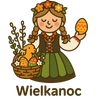
Known as Wielkanoc, Polish Easter is one of the most important holidays in the Polish calendar…
Reads at Grades K-2 Listens at K–3
Print & create
Answer keys·No prep·Free with an account
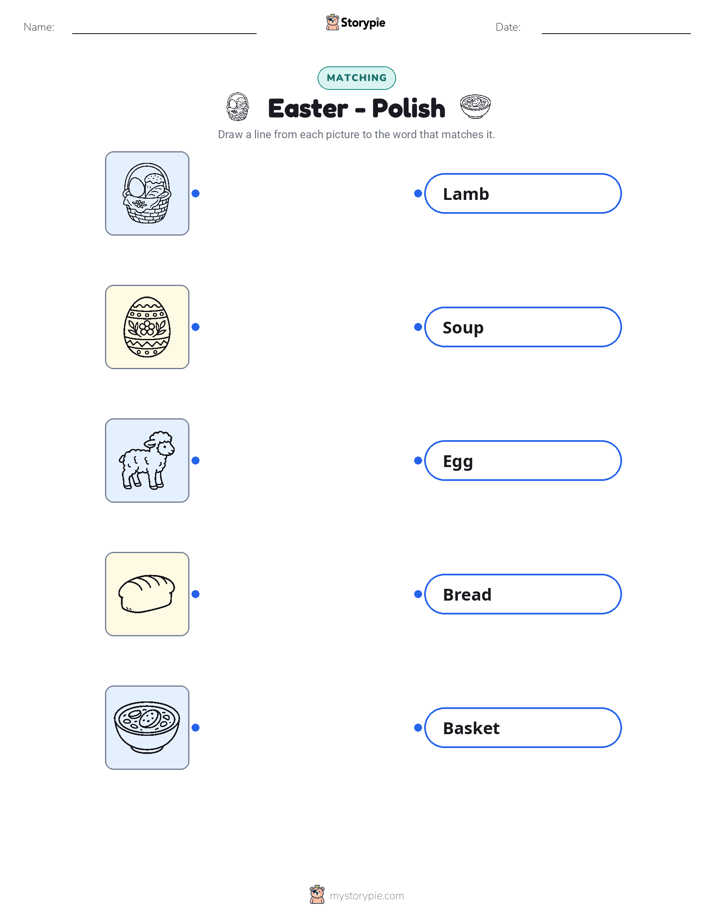
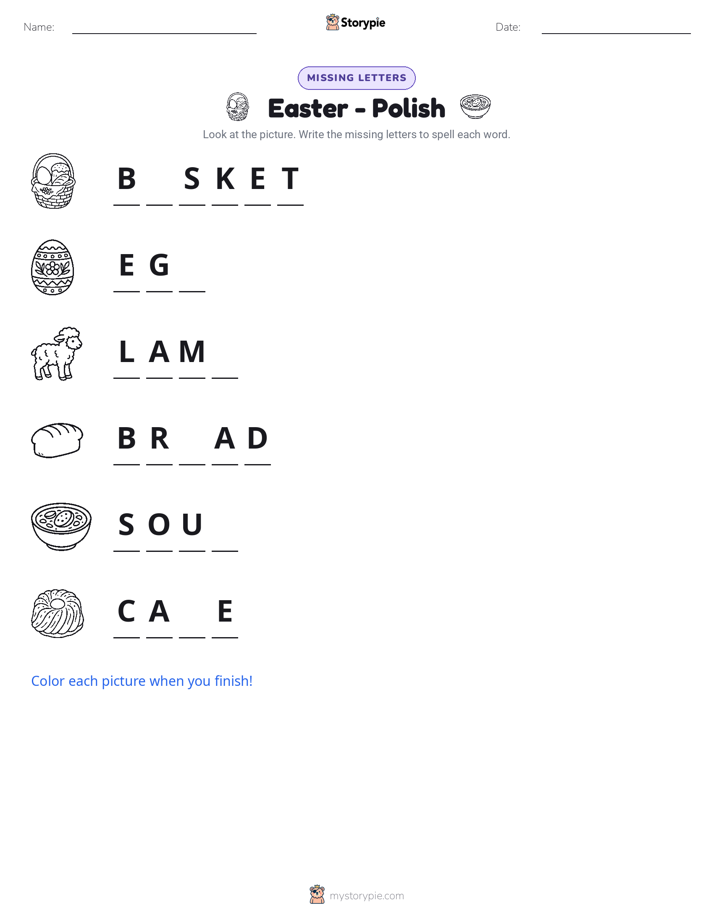
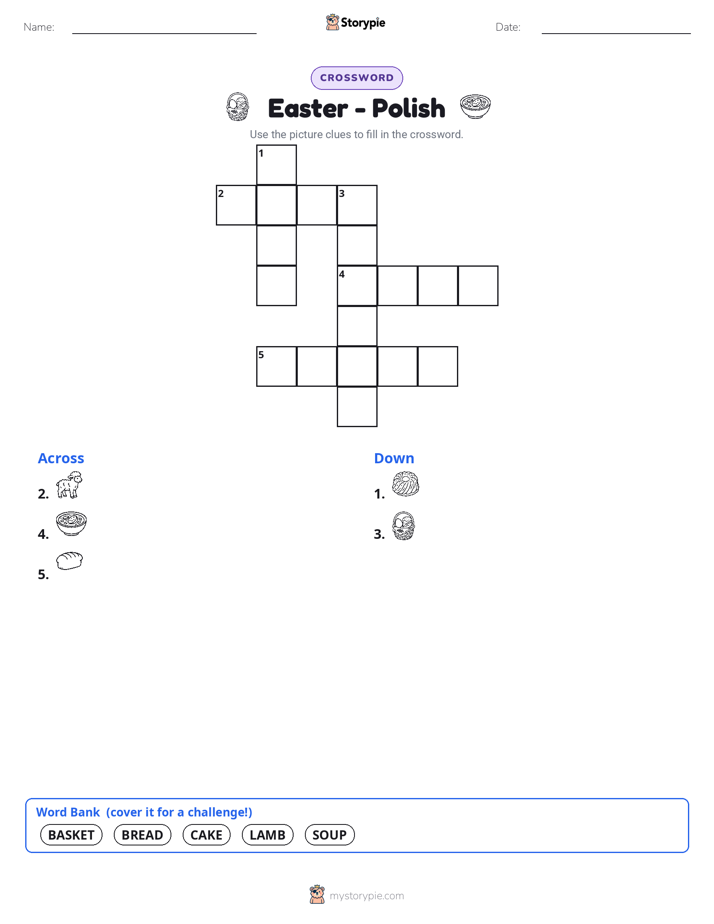
28 worksheets · answer keys · full story · quiz · Ages 6-8 · CEFR A2
Plus adds 279,000+ more stories in 27 languages, audio for every one, and printables for all of them.
Just want Easter - Polish?
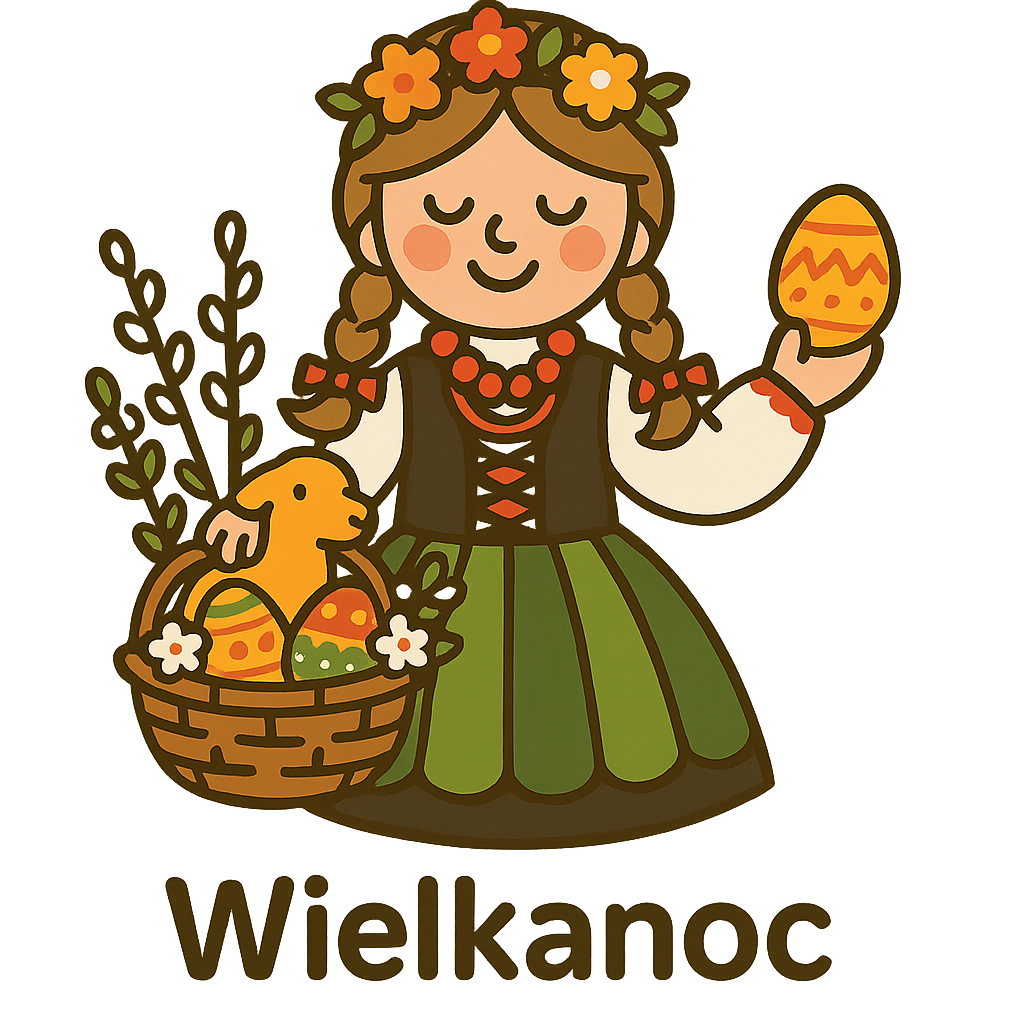
Hello! I am Wielkanoc, which is my name in Polish. In English, people call me Polish Easter. I am considered the most important Christian holiday in Poland. My arrival always comes in the springtime, when the world feels fresh and new. Christians in Poland observe me to celebrate their belief in the resurrection of Jesus Christ, which is the belief that he came back to life after he died. My traditions are full of color and special meaning, marking a joyful time of year.
The week before I arrive is called Holy Week, and it is a time of special preparation. The week begins with a day called Palm Sunday. On this day, many people bring special bouquets called “palms” to church services. These are not made from the leaves of palm trees like in other parts of the world. In Poland, these palms are handmade from willow branches, which often have soft, fuzzy buds that are a sign of spring. People decorate the branches with colorful ribbons and all kinds of dried grasses and flowers, making each one a unique work of art.
One of my most cherished customs involves a special basket. On Holy Saturday, the day before Easter Sunday, families prepare something called a Święconka basket. This is usually a small wicker basket that they line with a clean, white linen or lace cloth. Inside, they carefully place small amounts of the foods they plan to eat for their Easter breakfast. These foods often include hard-boiled eggs called pisanki, which are painted with beautiful, intricate designs. The basket might also hold a piece of bread, some salt, pepper, and a piece of sausage. Families then carry their baskets to church, where a priest blesses the food inside.
Wielkanoc: My Story as Polish Easter
Hello! I am Wielkanoc, which is my name in Polish. In English, people call me Polish Easter. I am considered the most important Christian holiday in Poland. My arrival always comes in the springtime, when the world feels fresh and new. Christians in Poland observe me to celebrate their belief in the resurrection of Jesus Christ, which is the belief that he came back to life after he died. My traditions are full of color and special meaning, marking a joyful time of year.
The week before I arrive is called Holy Week, and it is a time of special preparation. The week begins with a day called Palm Sunday. On this day, many people bring special bouquets called “palms” to church services. These are not made from the leaves of palm trees like in other parts of the world. In Poland, these palms are handmade from willow branches, which often have soft, fuzzy buds that are a sign of spring. People decorate the branches with colorful ribbons and all kinds of dried grasses and flowers, making each one a unique work of art.
One of my most cherished customs involves a special basket. On Holy Saturday, the day before Easter Sunday, families prepare something called a Święconka basket. This is usually a small wicker basket that they line with a clean, white linen or lace cloth. Inside, they carefully place small amounts of the foods they plan to eat for their Easter breakfast. These foods often include hard-boiled eggs called pisanki, which are painted with beautiful, intricate designs. The basket might also hold a piece of bread, some salt, pepper, and a piece of sausage. Families then carry their baskets to church, where a priest blesses the food inside.
My main celebration takes place on Easter Sunday morning. After attending church, families gather at home for a wonderful and festive breakfast. This is the moment when they can finally eat all the delicious food from their blessed Święconka baskets. The meal begins with a very important tradition. Everyone takes a piece of one of the blessed eggs and shares it with the others at the table. As they share the egg, they exchange good wishes for the year ahead. They wish each other good health, happiness, and joy. It is a warm moment that brings the family together.
My celebrations continue even after Sunday is over! The day after Easter is a very playful and exciting day called Śmigus-Dyngus. It is also known as Wet Monday. On this day, people, especially children and teenagers, have a lot of fun splashing each other with water. They might use water pistols, empty bottles, or even buckets to surprise their friends and family. This old custom is a very cheerful way to continue the celebration of spring and new life. It fills the air with laughter and fun, bringing my observance to a happy close.
Wow facts
About
Known as Wielkanoc, Polish Easter is one of the most important holidays in the Polish calendar, celebrating the resurrection of Jesus Christ with a unique blend of Catholic religious observances and ancient Slavic folk traditions.
Take a Quiz
Question 1 of 4
Why do families take a basket of food to church on Holy Saturday?
Want to do even more?
Go beyond exploring. Unlock tools that turn every story into real learning.

Storypie Plus for families
Full stories, quizzes, and printables. Nights and car rides, sorted.
- Unlimited audio stories
- Create Mode: your child stars in the story
- Offline downloads
- Printable worksheets & coloring pages

Why Storypie for Schools
Students engaged. Prep in seconds. Evenings back to you.
- Worksheets & Quizzes
- Classroom Management
- Formative Assessment
- Custom Curriculum & Lesson Plans
- 27 Languages

Why Storypie for Homeschool
Curriculum done. They'll ask for more. Hours back in your day.
- Worksheet Generator
- First-Person Audio Stories
- Built-in Comprehension Quizzes
- Custom Curriculum & Lesson Plans
- Print & Go Activities