English

Eid al-Fitr
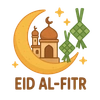
Eid al-Fitr, the 'Festival of Breaking the Fast,' is a major Islamic holiday that marks the end of Ramadan…
Reads at Grades 3–5 Listens at Grades 1–5
Print & create
Answer keys·No prep·Free with an account
28 worksheets · answer keys · full story · quiz · Ages 8-10 · CEFR B1
Plus adds 279,000+ more stories in 27 languages, audio for every one, and printables for all of them.
Just want Eid al-Fitr?
I am Eid al-Fitr, and my name means the “Festival of Breaking the Fast.” I am a very important holiday in the religion of Islam. My story begins in the 7th century with the Prophet Muhammad in a city called Medina. I arrive at the end of a special month called Ramadan. During Ramadan, many Muslims fast, which means they do not eat or drink from sunrise until sunset. This is a time of deep worship and reflection for them. When the month is over, I appear as a time for celebration and for people to show their gratitude for the strength they had during the fast. I mark a joyful conclusion to a month of devotion.
My date is not the same every year because I follow the Islamic lunar calendar, which is based on the cycles of the moon. This means that if you look for me on the common Gregorian calendar, you will find me on a different day each year. I officially begin on the very first day of the month of Shawwal, which comes right after Ramadan. My arrival isn't announced far in advance. Instead, it is confirmed by the sighting of the new crescent moon in the night sky. This ancient tradition connects the celebration directly to the rhythms of nature and the lunar cycle. Muslims all around the world watch and wait for the moon to appear before my festivities can officially begin.
Before the main celebrations start, my observance begins with an act of kindness. Muslims give a special form of charity called Zakat al-Fitr. This donation of food or money is given to help people who are in need, making sure that they, too, have the means to enjoy the festival with a good meal and without worry. It is a way of sharing blessings and strengthening the bonds of the community. On the first morning of my celebration, people gather together for a special group prayer known as Salat al-Eid. These prayers are often held in large, open fields or in mosques, bringing many people together. After the prayer, a speaker gives a sermon, or special talk, to the community.
A Festival of Joy: The Story of Eid al-Fitr
I am Eid al-Fitr, and my name means the “Festival of Breaking the Fast.” I am a very important holiday in the religion of Islam. My story begins in the 7th century with the Prophet Muhammad in a city called Medina. I arrive at the end of a special month called Ramadan. During Ramadan, many Muslims fast, which means they do not eat or drink from sunrise until sunset. This is a time of deep worship and reflection for them. When the month is over, I appear as a time for celebration and for people to show their gratitude for the strength they had during the fast. I mark a joyful conclusion to a month of devotion.
My date is not the same every year because I follow the Islamic lunar calendar, which is based on the cycles of the moon. This means that if you look for me on the common Gregorian calendar, you will find me on a different day each year. I officially begin on the very first day of the month of Shawwal, which comes right after Ramadan. My arrival isn't announced far in advance. Instead, it is confirmed by the sighting of the new crescent moon in the night sky. This ancient tradition connects the celebration directly to the rhythms of nature and the lunar cycle. Muslims all around the world watch and wait for the moon to appear before my festivities can officially begin.
Before the main celebrations start, my observance begins with an act of kindness. Muslims give a special form of charity called Zakat al-Fitr. This donation of food or money is given to help people who are in need, making sure that they, too, have the means to enjoy the festival with a good meal and without worry. It is a way of sharing blessings and strengthening the bonds of the community. On the first morning of my celebration, people gather together for a special group prayer known as Salat al-Eid. These prayers are often held in large, open fields or in mosques, bringing many people together. After the prayer, a speaker gives a sermon, or special talk, to the community.
My celebration is a happy time that can last for up to three days. To prepare, people often wear their very best clothes, and many choose to wear outfits that are brand new for the occasion. It is a time for connection, so families and friends spend these days visiting one another’s homes. They share delicious meals, catch up, and exchange warm wishes. A common greeting people say is “Eid Mubarak,” which is an Arabic phrase that means “Blessed Festival.” For children, this is an especially exciting time. They often receive gifts of money or other presents from older relatives. This gift-giving tradition is sometimes called “Eidi,” and it adds to the joyful atmosphere of the day.
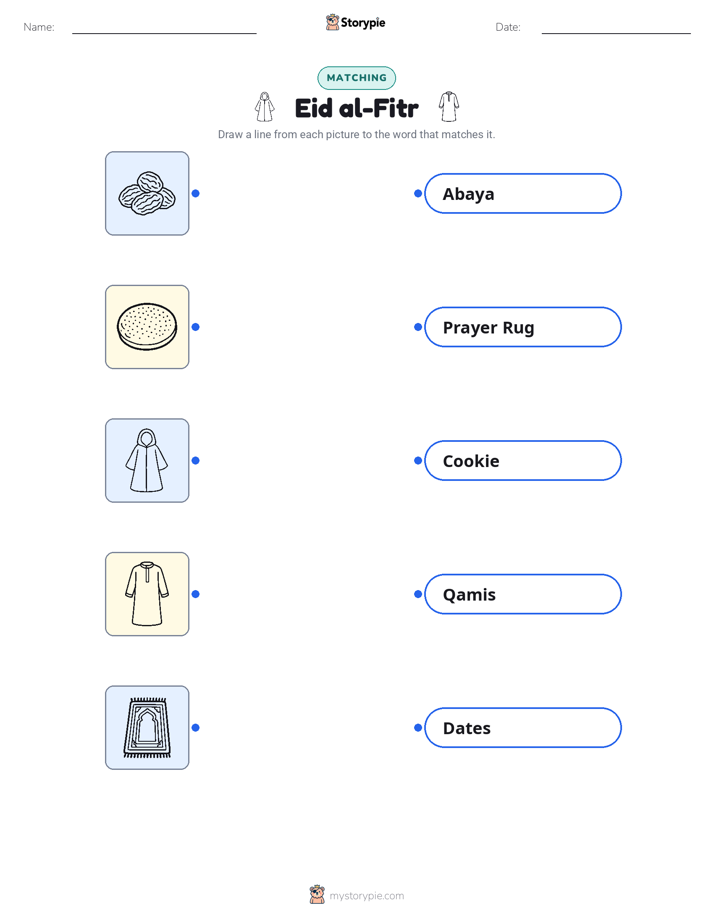
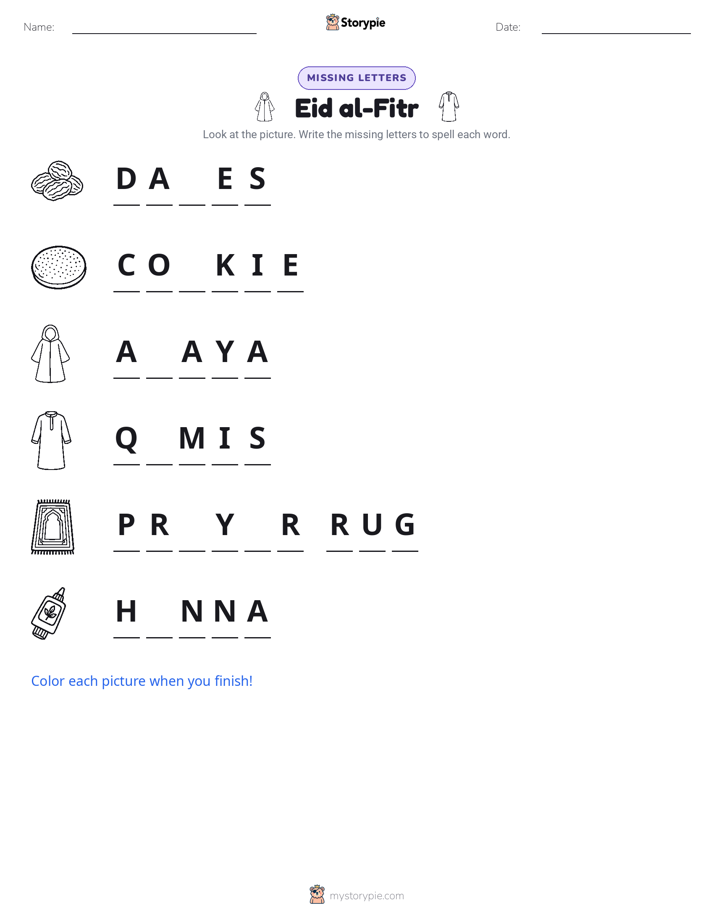
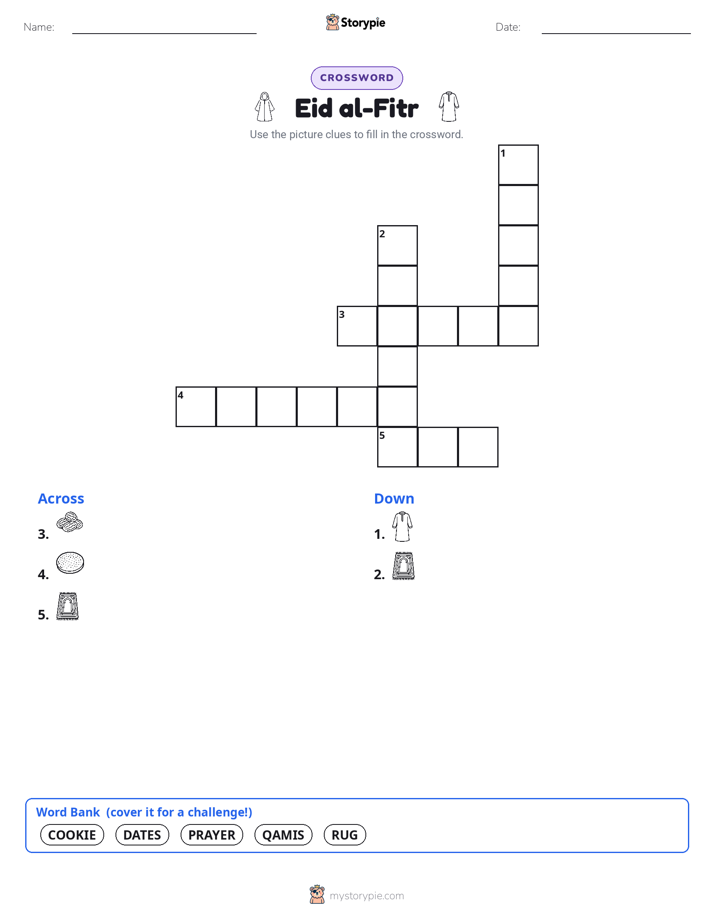
I am sometimes known by the nickname the “Sweet Eid,” and there is a wonderful reason for that. Many delicious desserts and sweet foods are prepared and shared during my visit. This tradition has a special origin. It follows the practice of the Prophet Muhammad, who would often eat something sweet, like dates, before heading to the special morning prayer. Today, the kinds of sweets people enjoy depend on their culture and where they live. In the Middle East, people might bake special cookies called ‘ma’amoul,’ which are often filled with dates or nuts. In South Asia, a popular dessert is ‘sheer khurma,’ a warm and creamy pudding made with fine noodles, milk, and dates.
Today, I am celebrated by millions of Muslims all over the globe, from small towns to big cities. While the most important traditions—like the special prayer and the act of giving charity—are shared by everyone, the way people celebrate me is also beautifully shaped by local customs and cultures. In some countries, I am even a national holiday, and there are large public festivals, parades, and carnivals for everyone to enjoy. Whether the celebration is a quiet family gathering or a large public event, my purpose remains the same. I am a joyful occasion that brings together family, friends, and the wider community to share happiness and gratitude.
Wow facts
About
Eid al-Fitr, the 'Festival of Breaking the Fast,' is a major Islamic holiday that marks the end of Ramadan, the holy month of fasting.
Take a Quiz
Question 1 of 5
In the story, what does the name 'Eid al-Fitr' mean?
Want to do even more?
Go beyond exploring. Unlock tools that turn every story into real learning.

Storypie Plus for families
Full stories, quizzes, and printables. Nights and car rides, sorted.
- Unlimited audio stories
- Create Mode: your child stars in the story
- Offline downloads
- Printable worksheets & coloring pages

Why Storypie for Schools
Students engaged. Prep in seconds. Evenings back to you.
- Worksheets & Quizzes
- Classroom Management
- Formative Assessment
- Custom Curriculum & Lesson Plans
- 27 Languages

Why Storypie for Homeschool
Curriculum done. They'll ask for more. Hours back in your day.
- Worksheet Generator
- First-Person Audio Stories
- Built-in Comprehension Quizzes
- Custom Curriculum & Lesson Plans
- Print & Go Activities