English

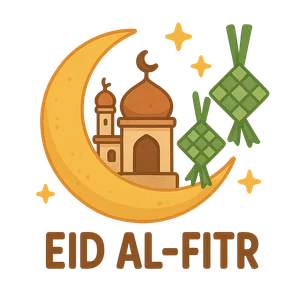
Eid al-Fitr
Eid al-Fitr, the 'Festival of Breaking the Fast,' is a major Islamic holiday that marks the end of Ramadan…
Reads at Grades 6–8 Listens at Grades 4–8
Print & create
Answer keys·No prep·Free with an account
28 worksheets · answer keys · full story · quiz · Ages 10-12 · CEFR B2
Plus adds 279,000+ more stories in 27 languages, audio for every one, and printables for all of them.
Just want Eid al-Fitr?
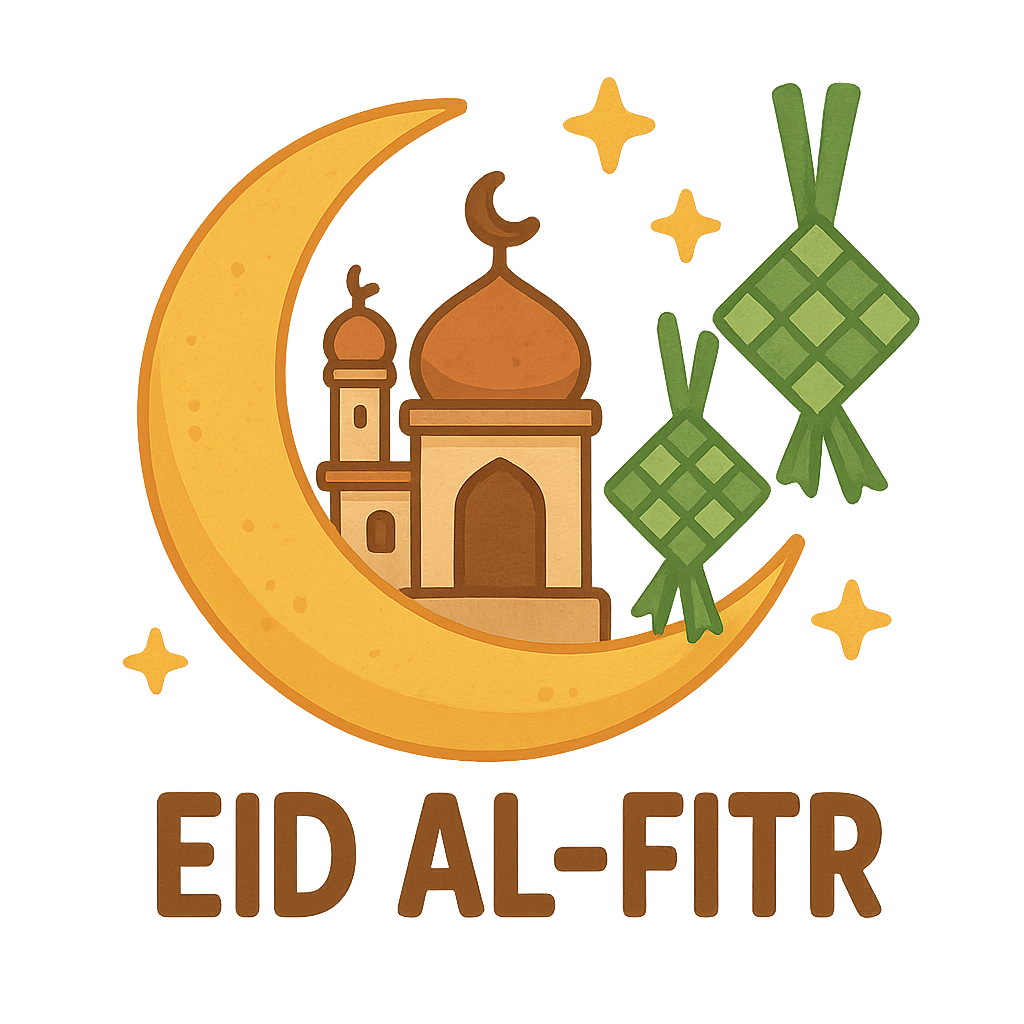
I am Eid al-Fitr, and my name in Arabic means the “Festival of Breaking the Fast.” I am a joyful time for Muslims all around the world, marking a special conclusion to a period of deep reflection and discipline. For an entire month, known as Ramadan, many adult Muslims practice fasting. From the moment the sun rises until it sets each day, they abstain from food and drink. This time is dedicated to prayer, self-control, and compassion for others. My arrival signals the end of this month-long fast, and I am welcomed with happiness and gratitude. My purpose is to be a celebration of the strength and devotion shown during Ramadan, and to bring communities together in a spirit of shared accomplishment and joy.
My history traces back to the 7th century CE, in the city of Medina, which is in modern-day Saudi Arabia. It was there that the Prophet Muhammad first established my observance among his followers. From these beginnings, my traditions and practices were formed, creating a legacy that has been passed down through generations and has spread to every corner of the globe. A fundamental principle that was established from the very beginning is the importance of caring for every member of the community. This idea is so central to my identity that it is woven into the preparations for my celebration, ensuring that the joy of the day is accessible to all.
One of my most significant traditions is an act of charity called Zakat al-Fitr. This is a special donation that Muslims are required to give before the main prayers of my day begin. The contribution is specifically intended to provide food for those who are in need. The purpose of Zakat al-Fitr is to ensure that no one is left out of the celebration due to poverty or hardship. It allows everyone, including the poorest members of the community, to have a festive meal and share in the happiness of the day with their families. This act of giving is a powerful reminder of the Islamic principles of social responsibility, generosity, and compassion, reinforcing the bonds that connect people within the community.
I Am Eid al-Fitr
I am Eid al-Fitr, and my name in Arabic means the “Festival of Breaking the Fast.” I am a joyful time for Muslims all around the world, marking a special conclusion to a period of deep reflection and discipline. For an entire month, known as Ramadan, many adult Muslims practice fasting. From the moment the sun rises until it sets each day, they abstain from food and drink. This time is dedicated to prayer, self-control, and compassion for others. My arrival signals the end of this month-long fast, and I am welcomed with happiness and gratitude. My purpose is to be a celebration of the strength and devotion shown during Ramadan, and to bring communities together in a spirit of shared accomplishment and joy.
My history traces back to the 7th century CE, in the city of Medina, which is in modern-day Saudi Arabia. It was there that the Prophet Muhammad first established my observance among his followers. From these beginnings, my traditions and practices were formed, creating a legacy that has been passed down through generations and has spread to every corner of the globe. A fundamental principle that was established from the very beginning is the importance of caring for every member of the community. This idea is so central to my identity that it is woven into the preparations for my celebration, ensuring that the joy of the day is accessible to all.
One of my most significant traditions is an act of charity called Zakat al-Fitr. This is a special donation that Muslims are required to give before the main prayers of my day begin. The contribution is specifically intended to provide food for those who are in need. The purpose of Zakat al-Fitr is to ensure that no one is left out of the celebration due to poverty or hardship. It allows everyone, including the poorest members of the community, to have a festive meal and share in the happiness of the day with their families. This act of giving is a powerful reminder of the Islamic principles of social responsibility, generosity, and compassion, reinforcing the bonds that connect people within the community.
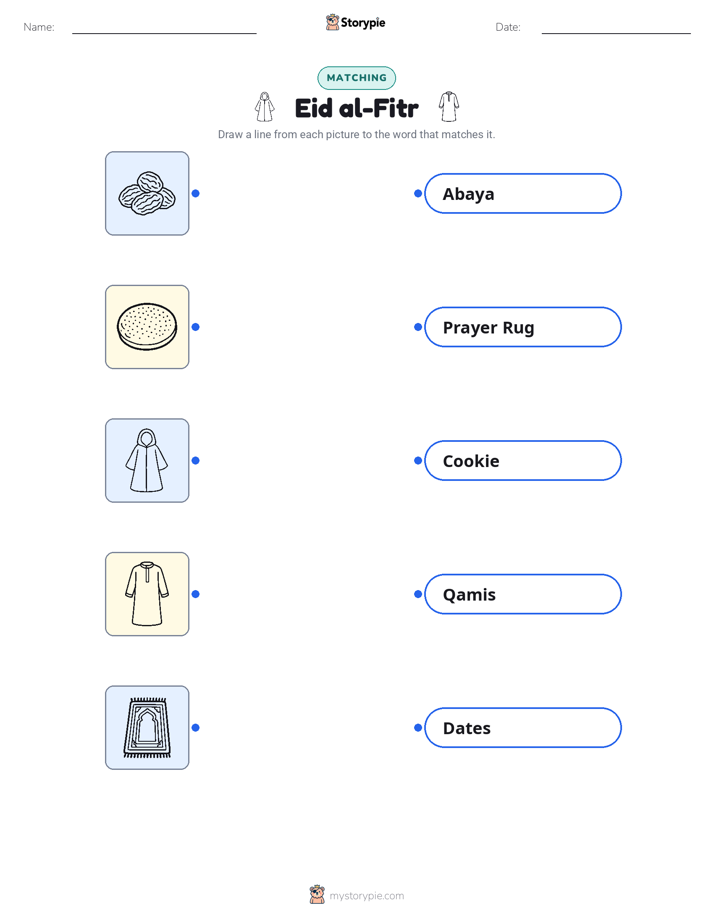
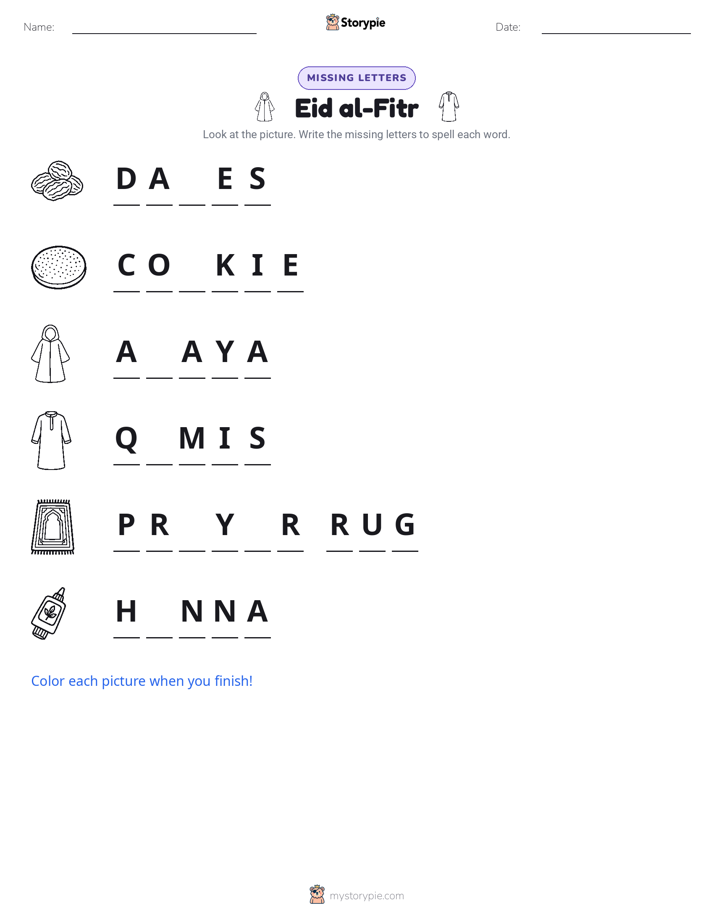
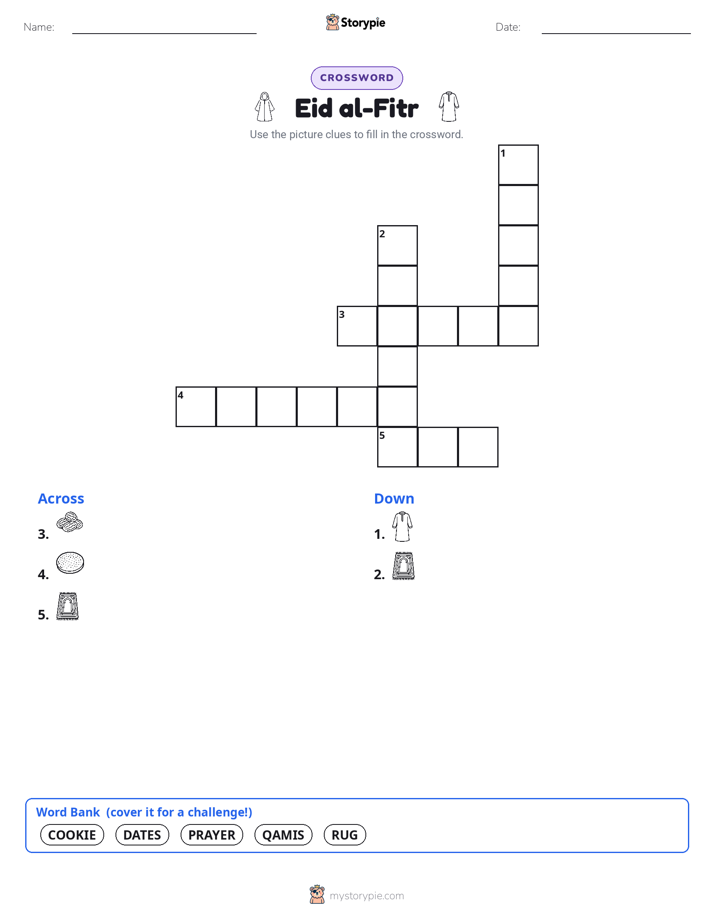
When my morning arrives, it begins with a special congregational prayer. These prayers are often held in large, open fields or community spaces, as well as in mosques, so that a great number of people can gather together. Before heading to the prayer, many people follow a tradition of the Prophet Muhammad by eating something sweet. Often, this is a few dates, which symbolically marks the first food eaten during daylight hours after the long fast of Ramadan has officially ended. The sight of families and friends walking together to the prayer grounds, dressed in their finest clothes, is a key part of my celebration. The collective prayer itself is a powerful expression of unity and gratitude, as people stand shoulder to shoulder to worship.
After the prayers are complete, the rest of my day is filled with festive activities. Feasting is a central part of the celebration, as families and friends gather to share special meals they have prepared. Homes are filled with the delicious aromas of traditional dishes, and tables are laden with food. It is also a time for visiting relatives and neighbors, strengthening social ties and sharing good wishes. People greet each other with phrases like “Eid Mubarak,” which means “Blessed Eid.” Gift-giving is another cherished tradition, and children especially look forward to receiving presents or money, known as Eidi, from their elders.
Preparations for my arrival often begin days in advance. Many people deep clean their homes and decorate them with lights, banners, and other festive items to welcome me. There is a strong emphasis on cleanliness and new beginnings. It is a very common tradition for people, and especially children, to wear brand-new clothes on the day of Eid. This custom symbolizes a fresh start and the spiritual renewal that many feel after completing the month of Ramadan. The effort put into these preparations reflects the excitement and importance of my observance in the lives of those who celebrate.
Although I am observed by Muslims worldwide, my celebrations are not exactly the same everywhere. I am a global festival, but I am also a local one, colored by the unique customs of different cultures. This diversity is one of my most beautiful aspects. For example, in Egypt, families often bake special cookies called kahk, which are filled with nuts or dates and dusted with powdered sugar. In some countries in Southeast Asia, a widespread tradition involves younger people visiting their elders to ask for forgiveness for any wrongdoings from the past year. This act of humility and respect reinforces family bonds and starts the new month with a clean slate. These varied traditions, and many others like them, show how my core message of joy, gratitude, and community can be expressed in countless meaningful ways.
Wow facts
About
Eid al-Fitr, the 'Festival of Breaking the Fast,' is a major Islamic holiday that marks the end of Ramadan, the holy month of fasting.
Take a Quiz
Question 1 of 5
In your own words, describe the main elements of Eid al-Fitr, from its historical beginning to how it is celebrated today.
Want to do even more?
Go beyond exploring. Unlock tools that turn every story into real learning.

Storypie Plus for families
Full stories, quizzes, and printables. Nights and car rides, sorted.
- Unlimited audio stories
- Create Mode: your child stars in the story
- Offline downloads
- Printable worksheets & coloring pages

Why Storypie for Schools
Students engaged. Prep in seconds. Evenings back to you.
- Worksheets & Quizzes
- Classroom Management
- Formative Assessment
- Custom Curriculum & Lesson Plans
- 27 Languages

Why Storypie for Homeschool
Curriculum done. They'll ask for more. Hours back in your day.
- Worksheet Generator
- First-Person Audio Stories
- Built-in Comprehension Quizzes
- Custom Curriculum & Lesson Plans
- Print & Go Activities