English

Fat Thursday - Polish
A traditional Polish holiday celebrated on the last Thursday before Lent…
Reads at Grades 3–5 Listens at Grades 1–5
Print & create
Answer keys·No prep·Free with an account
28 worksheets · answer keys · full story · quiz · Ages 8-10 · CEFR B1
Plus adds 279,000+ more stories in 27 languages, audio for every one, and printables for all of them.
Just want Fat Thursday - Polish?
Hello! I am a special day in Poland known as Tłusty Czwartek, which means Fat Thursday in English. My celebration is a joyful one, but you won't find me on the same date every year. My timing is connected to the Christian calendar. People observe me on the last Thursday before the start of Lent, which is a quiet and reflective forty-day period for Christians. My arrival marks the final days of the festive Carnival season. I am a day for one last big, cheerful celebration, a time to enjoy delicious food and good company before a more serious season begins.
My history goes back a very long time, even further back than my connection to the Christian calendar. My oldest roots come from ancient traditions in Poland. Long ago, before the country was Christian, people would hold large feasts to mark the end of the long, cold winter. These celebrations were a way to say goodbye to the harsh weather and welcome the warmth and new life of the coming spring. To do this, they would eat plenty of rich and fatty foods. This was a practical way to use up ingredients like lard, sugar, and eggs that would not be eaten during the leaner months ahead. This ancient custom of feasting before a time of fasting became a central part of how I am observed.
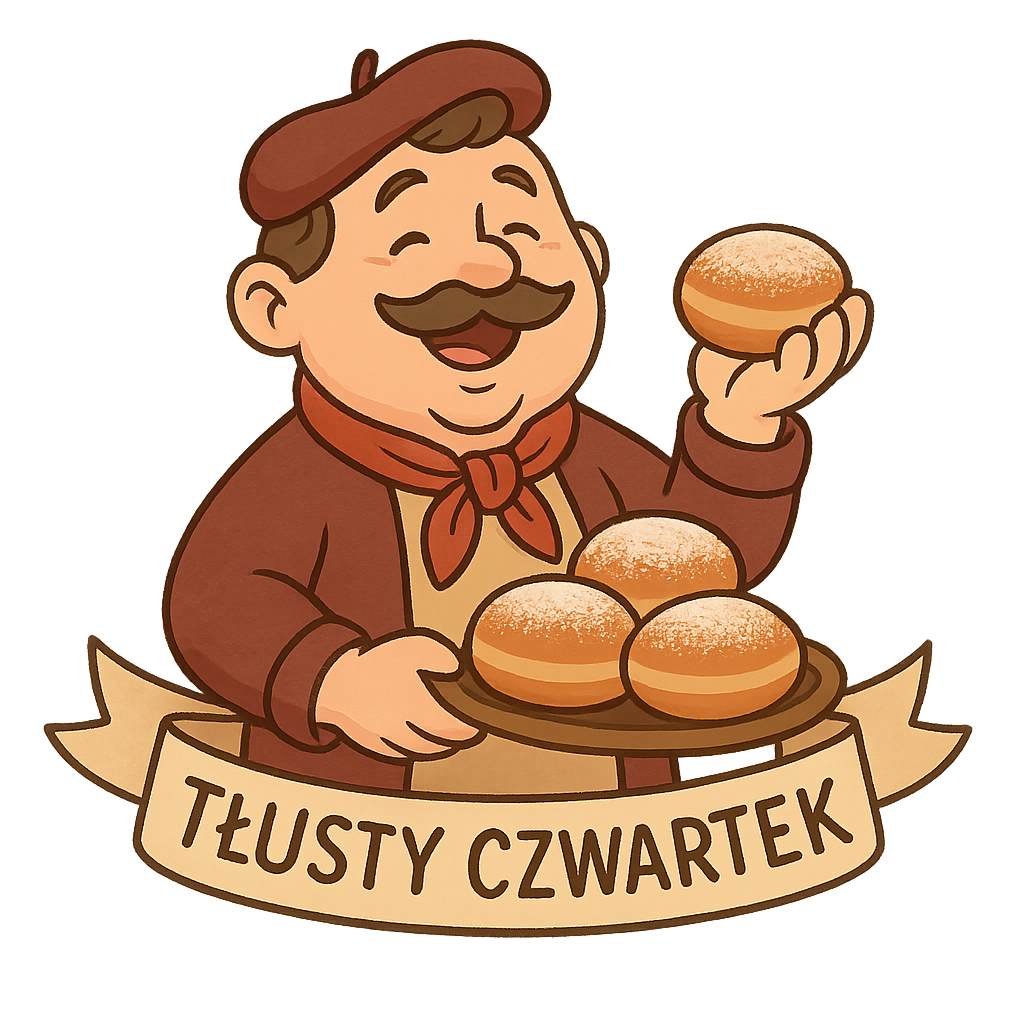
Over the centuries, one particular food became my most famous symbol: a delicious, round pastry called a pączek. By the 16th century, pączki had become the star treat of my celebration. However, the earliest versions were quite different from the ones people enjoy today. At first, they were not sweet at all. They were made from a simple bread dough, fried, and often filled with savory ingredients like pork fat. They were a hearty food meant to be filling and rich, following the old tradition of eating fatty foods before a fast.
Fat Thursday in Poland
Hello! I am a special day in Poland known as Tłusty Czwartek, which means Fat Thursday in English. My celebration is a joyful one, but you won't find me on the same date every year. My timing is connected to the Christian calendar. People observe me on the last Thursday before the start of Lent, which is a quiet and reflective forty-day period for Christians. My arrival marks the final days of the festive Carnival season. I am a day for one last big, cheerful celebration, a time to enjoy delicious food and good company before a more serious season begins.
My history goes back a very long time, even further back than my connection to the Christian calendar. My oldest roots come from ancient traditions in Poland. Long ago, before the country was Christian, people would hold large feasts to mark the end of the long, cold winter. These celebrations were a way to say goodbye to the harsh weather and welcome the warmth and new life of the coming spring. To do this, they would eat plenty of rich and fatty foods. This was a practical way to use up ingredients like lard, sugar, and eggs that would not be eaten during the leaner months ahead. This ancient custom of feasting before a time of fasting became a central part of how I am observed.
Over the centuries, one particular food became my most famous symbol: a delicious, round pastry called a pączek. By the 16th century, pączki had become the star treat of my celebration. However, the earliest versions were quite different from the ones people enjoy today. At first, they were not sweet at all. They were made from a simple bread dough, fried, and often filled with savory ingredients like pork fat. They were a hearty food meant to be filling and rich, following the old tradition of eating fatty foods before a fast.
As time went on, bakers and cooks began to change the recipe. The simple, savory pączek slowly transformed into the sweet, delightful pastry that is so popular now. The dough became lighter and fluffier. Instead of savory fillings, sweet ingredients became the standard. Today, the most traditional pączki are filled with a fragrant rose jam and topped with a sweet glaze and candied orange peel, or simply dusted with powdered sugar. This evolution turned the pączek from a simple fried dough into a treasured dessert that people eagerly await all year.
While pączki are certainly the most popular food associated with me, they are not the only special treat people enjoy. Another favorite sweet for my celebration is called faworki. These delicate pastries have a lovely nickname: 'angel wings.' They are made from thin ribbons of dough that are twisted into a beautiful bow shape. The ribbons are then fried until they are wonderfully light and crispy. To finish them off, they are generously dusted with powdered sugar, which makes them look as delicate as they taste. Enjoying faworki is another delicious way that people mark my arrival.
Today, I am an incredibly popular day celebrated with great enthusiasm all across Poland. From early in the morning, long, cheerful lines of people form outside bakeries, which are called 'cukiernie' in Polish. People wait patiently to buy dozens of fresh pączki. It is a tradition to share them with everyone—at work, at school, and with family and friends at home. A fun belief has grown around this tradition, too. Many people say that to have a good year, a person must eat at least one pączek on my day. This belief adds to the fun and ensures that nearly everyone takes part in the sweet celebration, making me a day of community, tradition, and good luck.
Wow facts
About
A traditional Polish holiday celebrated on the last Thursday before Lent, Fat Thursday is part of the Carnival season with the eating of sweets, especially pączki (doughnuts).
Take a Quiz
Question 1 of 5
What does the Polish name for the holiday, 'Tłusty Czwartek,' mean in English?
Want to do even more?
Go beyond exploring. Unlock tools that turn every story into real learning.

Storypie Plus for families
Full stories, quizzes, and printables. Nights and car rides, sorted.
- Unlimited audio stories
- Create Mode: your child stars in the story
- Offline downloads
- Printable worksheets & coloring pages

Why Storypie for Schools
Students engaged. Prep in seconds. Evenings back to you.
- Worksheets & Quizzes
- Classroom Management
- Formative Assessment
- Custom Curriculum & Lesson Plans
- 27 Languages

Why Storypie for Homeschool
Curriculum done. They'll ask for more. Hours back in your day.
- Worksheet Generator
- First-Person Audio Stories
- Built-in Comprehension Quizzes
- Custom Curriculum & Lesson Plans
- Print & Go Activities