English

Karneval - German
Karneval is a festive season in German-speaking countries, particularly in the Rhineland…
Reads at Grades 3–5 Listens at Grades 1–5
Print & create
Answer keys·No prep·Free with an account
28 worksheets · answer keys · full story · quiz · Ages 8-10 · CEFR B1
Plus adds 279,000+ more stories in 27 languages, audio for every one, and printables for all of them.
Just want Karneval - German?
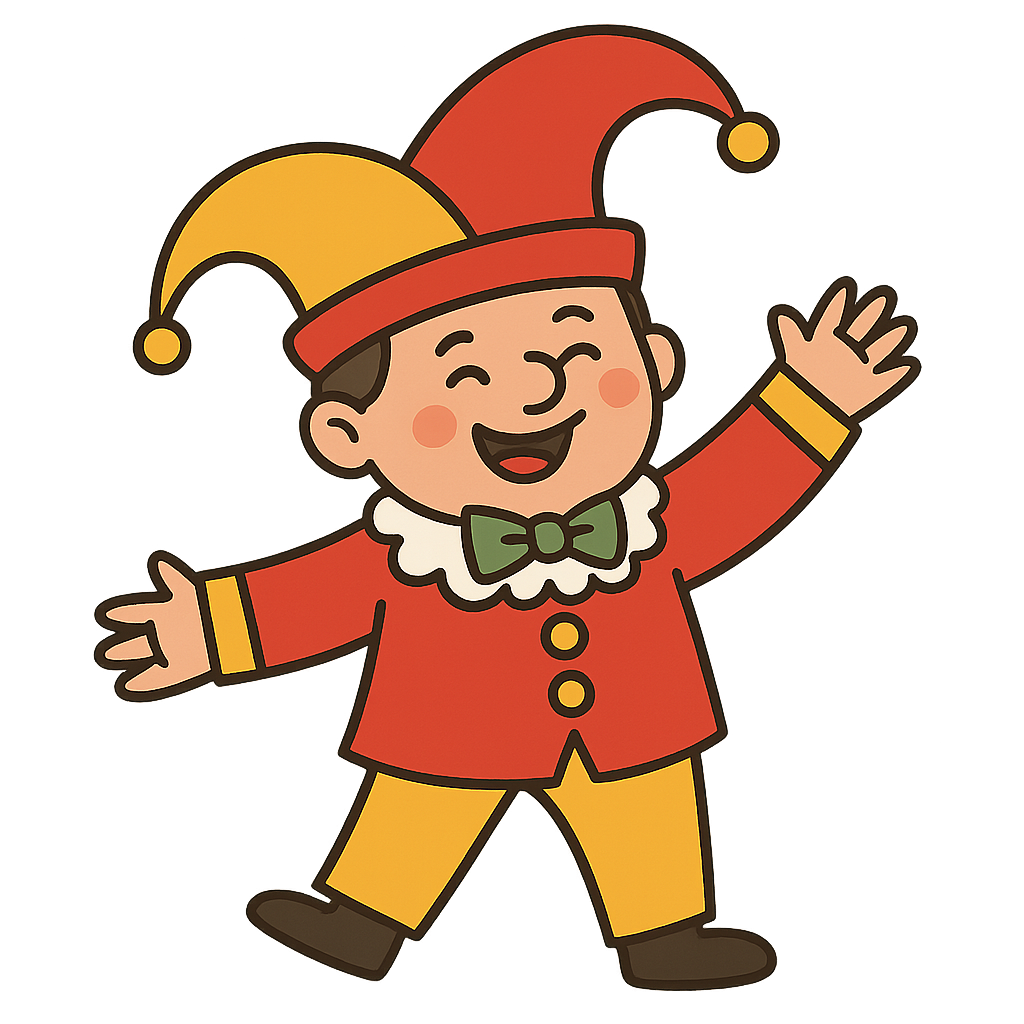
I am Karneval, a festival season in Germany that many people call the “fifth season” of the year. My name holds a clue about my purpose. It comes from the historical idea of saying a final goodbye to eating meat before the beginning of Lent, a quiet and serious time of fasting in the Christian tradition. For centuries, I have been a time for people to enjoy great feasts, watch lively parades, and embrace silliness and fun. My celebrations are especially famous in the cities located along the Rhine River, such as Cologne. There, the energy builds for weeks, leading up to the final celebrations right before Lent begins on a day called Ash Wednesday. I offer a bright, loud, and joyful contrast to the calmer season that follows me.
My official beginning is very specific and some might say a little strange. The Karneval season always starts on the 11th day of the 11th month, at exactly 11:11 in the morning. This is not a random time. In the traditions associated with me, the number eleven is known as the “fool's number.” It represents a break from the ordinary rules and a chance to be playful and a little bit mischievous. This special number signals the start of a season dedicated to fun and turning normal life upside down. Even though my season officially kicks off in November, the biggest and most famous parties, parades, and events don't happen right away. Instead, people wait for the winter, when my main celebrations truly begin.
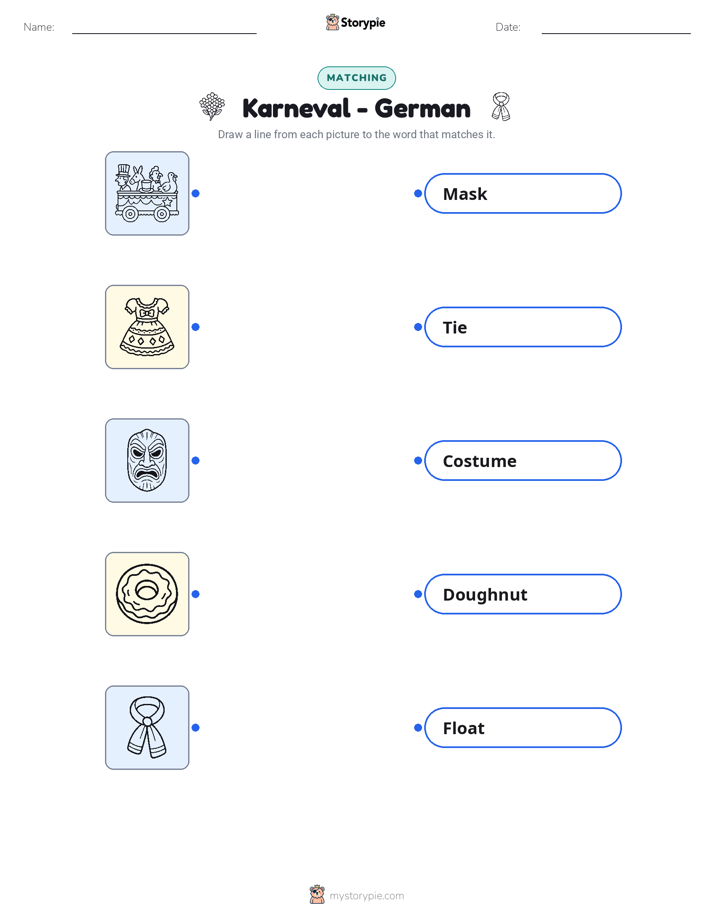
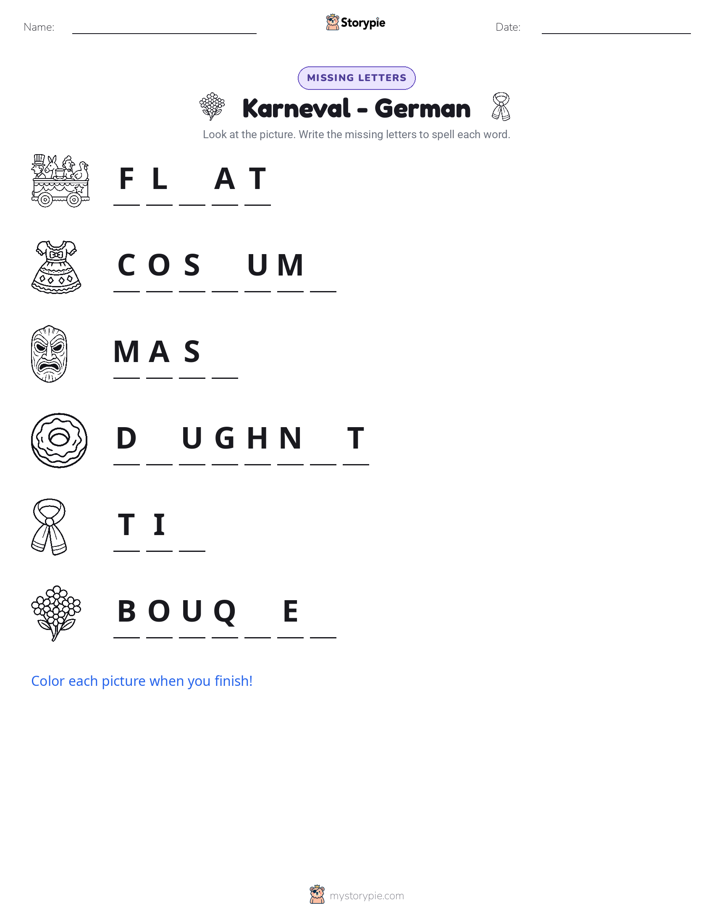
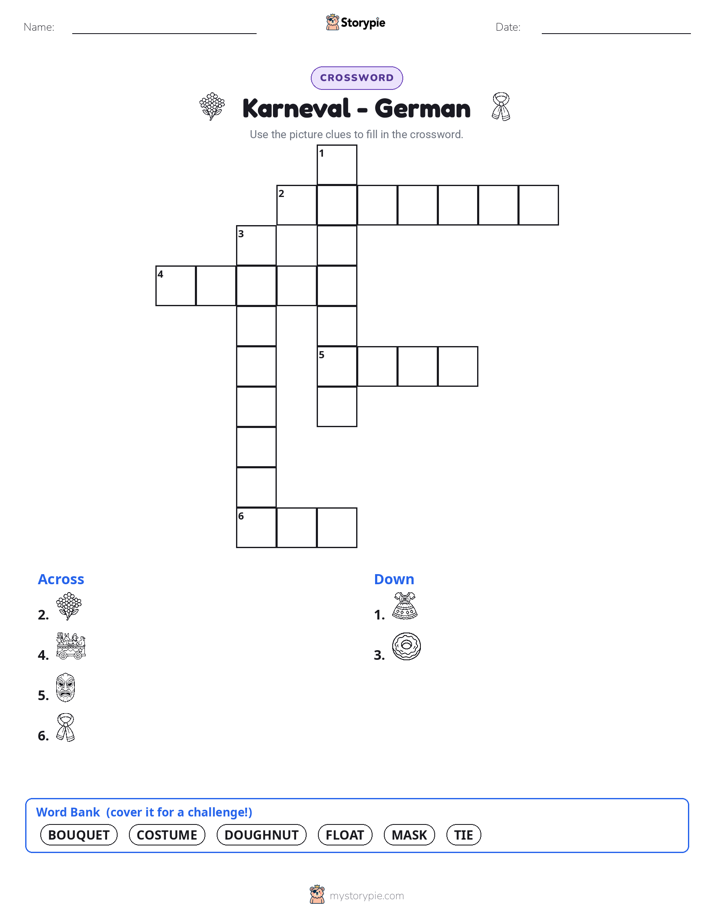
One of my most important traditions is the huge street parade. This part of my identity became well-known in the city of Cologne back in 1823. In the years before that, my celebrations could sometimes become very wild and disorganized. To help make the festivities safer and more fun for everyone in the community, the people of Cologne organized the very first official “Rosenmontag,” or Rose Monday, parade. This event was a great success and set the stage for how I am celebrated today. Modern parades feature enormous, creatively decorated floats. These floats are often brightly colored and sometimes make funny jokes about current events. People in fantastic costumes ride on the floats and throw candy, which is called “Kamelle,” down to the happy crowds lining the streets.
A German Festival Called Karneval
I am Karneval, a festival season in Germany that many people call the “fifth season” of the year. My name holds a clue about my purpose. It comes from the historical idea of saying a final goodbye to eating meat before the beginning of Lent, a quiet and serious time of fasting in the Christian tradition. For centuries, I have been a time for people to enjoy great feasts, watch lively parades, and embrace silliness and fun. My celebrations are especially famous in the cities located along the Rhine River, such as Cologne. There, the energy builds for weeks, leading up to the final celebrations right before Lent begins on a day called Ash Wednesday. I offer a bright, loud, and joyful contrast to the calmer season that follows me.
My official beginning is very specific and some might say a little strange. The Karneval season always starts on the 11th day of the 11th month, at exactly 11:11 in the morning. This is not a random time. In the traditions associated with me, the number eleven is known as the “fool's number.” It represents a break from the ordinary rules and a chance to be playful and a little bit mischievous. This special number signals the start of a season dedicated to fun and turning normal life upside down. Even though my season officially kicks off in November, the biggest and most famous parties, parades, and events don't happen right away. Instead, people wait for the winter, when my main celebrations truly begin.
One of my most important traditions is the huge street parade. This part of my identity became well-known in the city of Cologne back in 1823. In the years before that, my celebrations could sometimes become very wild and disorganized. To help make the festivities safer and more fun for everyone in the community, the people of Cologne organized the very first official “Rosenmontag,” or Rose Monday, parade. This event was a great success and set the stage for how I am celebrated today. Modern parades feature enormous, creatively decorated floats. These floats are often brightly colored and sometimes make funny jokes about current events. People in fantastic costumes ride on the floats and throw candy, which is called “Kamelle,” down to the happy crowds lining the streets.
The most intense and exciting part of my entire season is the final week just before Lent starts. This period is often called the “crazy days.” The excitement begins on a Thursday known as “Weiberfastnacht,” or Women's Carnival. On this special day, a fun tradition allows women to playfully take charge of their towns and cities, showing their power in a cheerful way. The celebration reaches its peak on “Rosenmontag,” the day of the largest and most spectacular parades in cities like Cologne. Millions of people gather to watch the show. Finally, my celebrations draw to a close on “Veilchendienstag,” which means Violet Tuesday. This is the last day for parties and fun before the quiet season of Lent begins the next morning.
During my celebrations, dressing up is a key part of the experience for people of all ages. Participants wear all sorts of creative costumes, transforming themselves into clowns, animals, historical figures, or other funny characters. It is a wonderful time for them to step out of their everyday lives and pretend to be someone or something else for a while. Another unique tradition involves special greetings that people shout instead of a normal “hello.” These calls are different depending on the city. In Cologne, you will hear crowds joyfully shouting, “Kölle Alaaf!” But if you travel to other cities, like Düsseldorf or Mainz, the popular greeting that fills the air is “Helau!” These calls create a shared sense of community and excitement among everyone taking part in my festivities.
Wow facts
About
Karneval is a festive season in German-speaking countries, particularly in the Rhineland, celebrated with parades, costumes, and parties before the Christian observance of Lent. It is often called the 'fifth season'.
Take a Quiz
Question 1 of 5
In the story, the word 'organized' is used to describe the first Rosenmontag parade. What does 'organized' mean here?
Want to do even more?
Go beyond exploring. Unlock tools that turn every story into real learning.

Storypie Plus for families
Full stories, quizzes, and printables. Nights and car rides, sorted.
- Unlimited audio stories
- Create Mode: your child stars in the story
- Offline downloads
- Printable worksheets & coloring pages

Why Storypie for Schools
Students engaged. Prep in seconds. Evenings back to you.
- Worksheets & Quizzes
- Classroom Management
- Formative Assessment
- Custom Curriculum & Lesson Plans
- 27 Languages

Why Storypie for Homeschool
Curriculum done. They'll ask for more. Hours back in your day.
- Worksheet Generator
- First-Person Audio Stories
- Built-in Comprehension Quizzes
- Custom Curriculum & Lesson Plans
- Print & Go Activities