English

Karneval - German
Karneval is a festive season in German-speaking countries, particularly in the Rhineland…
Reads at Grades K-2 Listens at K–3
Print & create
Answer keys·No prep·Free with an account
28 worksheets · answer keys · full story · quiz · Ages 6-8 · CEFR A2
Plus adds 279,000+ more stories in 27 languages, audio for every one, and printables for all of them.
Just want Karneval - German?
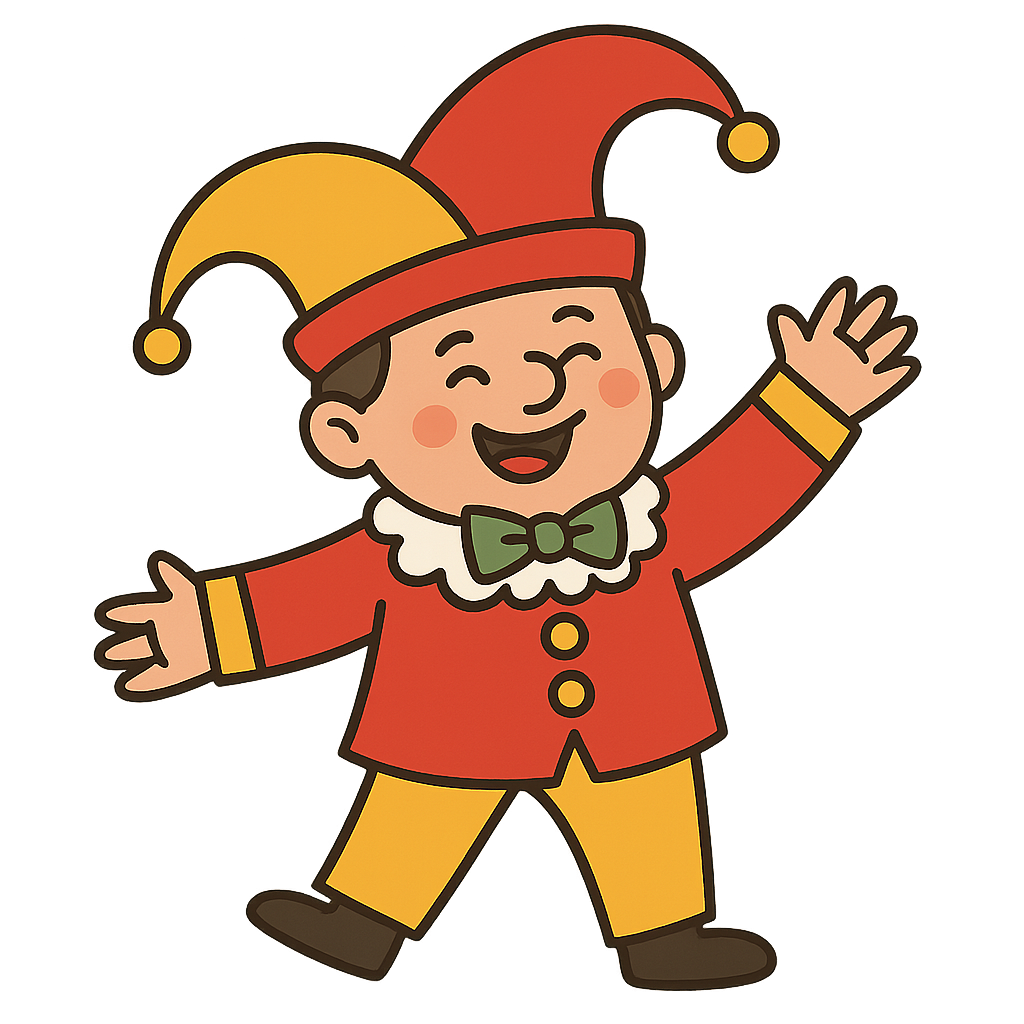
Hello! I am Karneval, a very special time of celebration in Germany. You might also hear people call me by my other names, Fasching or Fastnacht. Many people think of me as 'the fifth season' of the year. That's because I am a season all my own, full of fun, parties, and excitement. My celebrations take place right before a quiet and serious time called Lent. Because my timing is connected to Lent, my dates change every year. They depend on when the holiday of Easter is celebrated, so you will find me happening at a different time each winter.
I have a very unique way of starting that might seem a little strange. My season officially begins long before my biggest parties get going. On the 11th day of the 11th month, which is November, something special happens. At exactly 11:11 in the morning, crowds of people gather in town squares to cheer for my arrival. It is a happy moment, but then things quiet down for a while. The winter months pass, and then, when winter is almost over, the real fun begins. That is when my main celebrations start in the week before Lent.
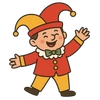
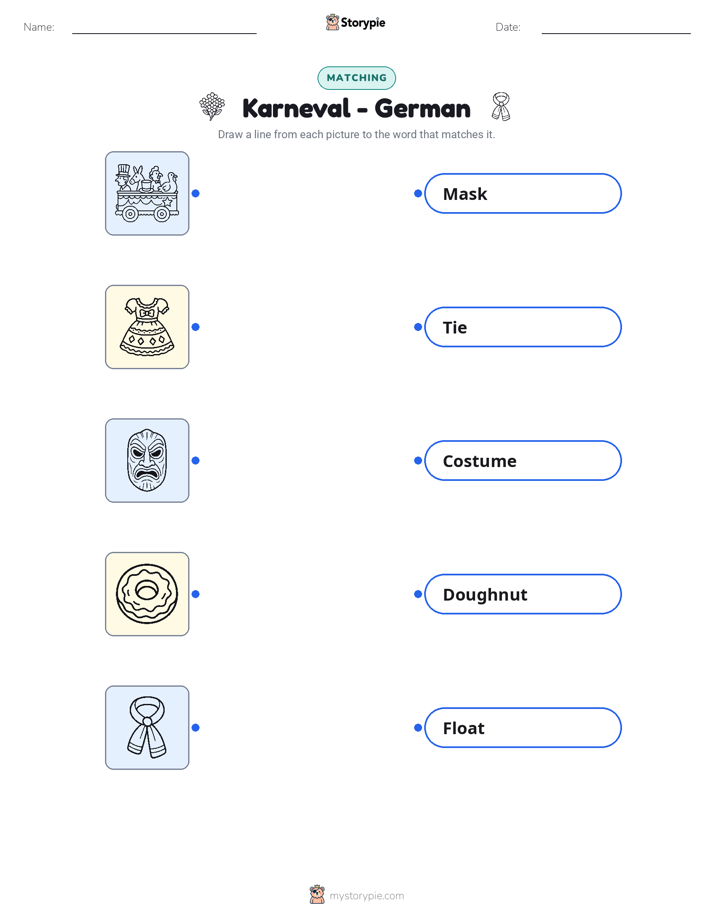
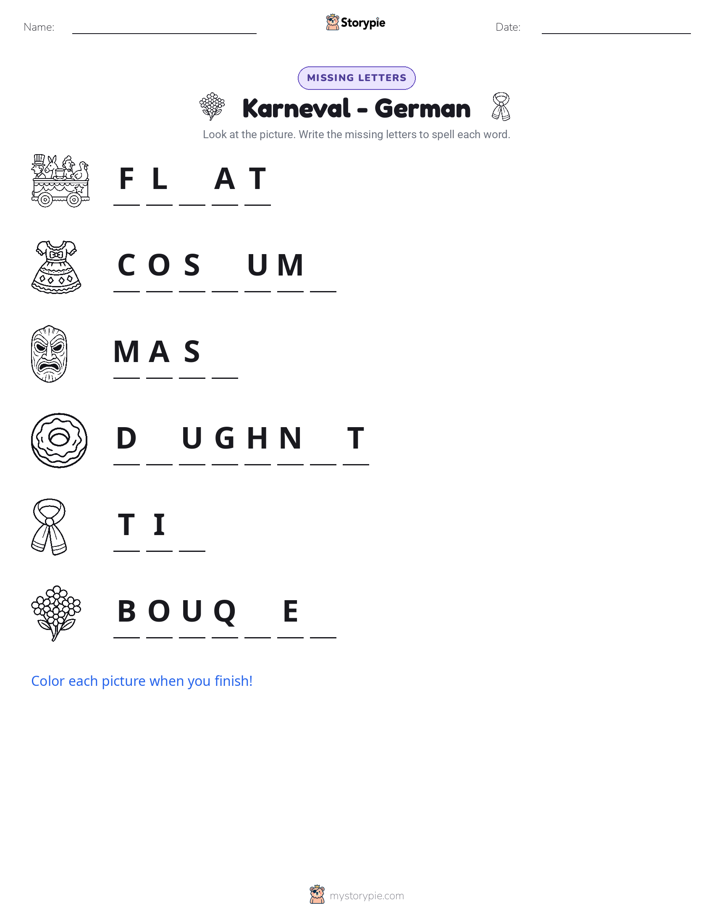
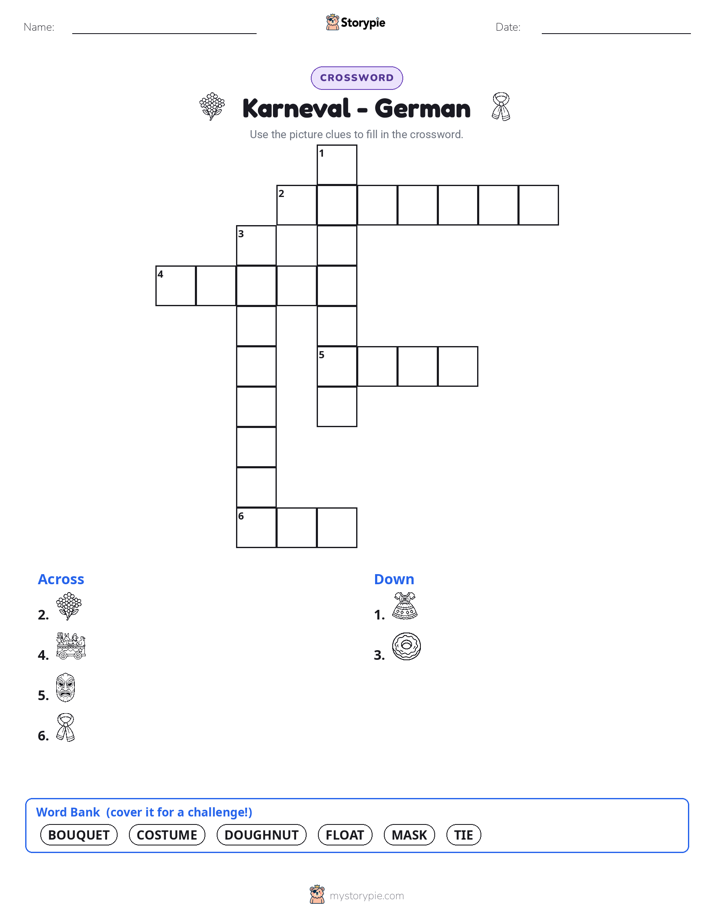
The most exciting part for many people is the huge parades. The biggest parade of all happens on a day called Rosenmontag, which means Rose Monday in English. On this day, you can see people dressed up in all kinds of funny and creative costumes. They build amazing, decorated floats that look like giant sculptures on wheels. These floats travel down the streets while marching bands play loud, cheerful music for everyone to enjoy. Being at one of my Rosenmontag parades is a wonderful experience.
Karneval: Germany's Fifth Season
Hello! I am Karneval, a very special time of celebration in Germany. You might also hear people call me by my other names, Fasching or Fastnacht. Many people think of me as 'the fifth season' of the year. That's because I am a season all my own, full of fun, parties, and excitement. My celebrations take place right before a quiet and serious time called Lent. Because my timing is connected to Lent, my dates change every year. They depend on when the holiday of Easter is celebrated, so you will find me happening at a different time each winter.
I have a very unique way of starting that might seem a little strange. My season officially begins long before my biggest parties get going. On the 11th day of the 11th month, which is November, something special happens. At exactly 11:11 in the morning, crowds of people gather in town squares to cheer for my arrival. It is a happy moment, but then things quiet down for a while. The winter months pass, and then, when winter is almost over, the real fun begins. That is when my main celebrations start in the week before Lent.
The most exciting part for many people is the huge parades. The biggest parade of all happens on a day called Rosenmontag, which means Rose Monday in English. On this day, you can see people dressed up in all kinds of funny and creative costumes. They build amazing, decorated floats that look like giant sculptures on wheels. These floats travel down the streets while marching bands play loud, cheerful music for everyone to enjoy. Being at one of my Rosenmontag parades is a wonderful experience.
The people riding on the big floats do not just wave. They have a special job: to share sweets with the crowds! They toss handfuls of candy, which are called 'Kamelle' in some parts of Germany, down to all the children and adults watching below. People cheer and hold up their hands or bags to catch the treats. It is a sweet and happy tradition that makes the parades even more fun for everyone.
During my celebration time, the usual rules are often turned upside down just for fun. It is a time for people to be silly and do things they normally would not. That is why some people call my celebrations 'the foolish days.' There is even a special day just for women, called Weiberfastnacht. On this day, women playfully take over the city halls. If they see a man wearing a tie, they might just snip the end of it off with a pair of scissors! It is all part of the game and a sign that normal life is on pause for a little while.
Today, people continue to observe me with great joy. Wearing masks and costumes is a big part of the fun, allowing everyone to pretend to be someone else for a day. It is a time for joking around with friends and enjoying the last big party before the quiet season of Lent begins. From my funny start in November to my grand parades in the winter, I am a season of laughter, candy, and cheerful fun that brings communities together.
Wow facts
About
Karneval is a festive season in German-speaking countries, particularly in the Rhineland, celebrated with parades, costumes, and parties before the Christian observance of Lent. It is often called the 'fifth season'.
Take a Quiz
Question 1 of 4
Why is Karneval sometimes called "the fifth season"?
Want to do even more?
Go beyond exploring. Unlock tools that turn every story into real learning.

Storypie Plus for families
Full stories, quizzes, and printables. Nights and car rides, sorted.
- Unlimited audio stories
- Create Mode: your child stars in the story
- Offline downloads
- Printable worksheets & coloring pages

Why Storypie for Schools
Students engaged. Prep in seconds. Evenings back to you.
- Worksheets & Quizzes
- Classroom Management
- Formative Assessment
- Custom Curriculum & Lesson Plans
- 27 Languages

Why Storypie for Homeschool
Curriculum done. They'll ask for more. Hours back in your day.
- Worksheet Generator
- First-Person Audio Stories
- Built-in Comprehension Quizzes
- Custom Curriculum & Lesson Plans
- Print & Go Activities