English


Karneval - German
Karneval is a festive season in German-speaking countries, particularly in the Rhineland…
Reads at Grades 6–8 Listens at Grades 4–8
Print & create
Answer keys·No prep·Free with an account
28 worksheets · answer keys · full story · quiz · Ages 10-12 · CEFR B2
Plus adds 279,000+ more stories in 27 languages, audio for every one, and printables for all of them.
Just want Karneval - German?

I am Karneval, the famous German festival season. Many people call me the “fifth season,” and in different regions, I am also known as Fasching or Fastnacht. My purpose is to provide a time for people to celebrate, be foolish, and have fun before the quiet and serious Christian period of Lent begins.
My history is very old, and my exact origins are a blend of different traditions. Some believe my roots may go back to ancient Germanic tribes who held festivals to welcome the spring. They thought that making loud noises and wearing masks could scare away the dark spirits of winter. Over many centuries, these older customs blended with Christian practices. As Lent approached, a 40-day period of fasting, it became a tradition to feast and use up rich foods like meat, eggs, and dairy. This pre-Lenten feasting and the older seasonal celebrations eventually combined to shape my character.
The large, organized parades that I am famous for today are a more recent development. My modern form took shape in the 19th century as a way to manage the sometimes chaotic and wild street celebrations. In 1823, the city of Cologne, Germany, hosted the very first official Rose Monday, or Rosenmontag, parade. The goal was to create a more structured and festive event for everyone to enjoy. This new format introduced key elements that are still central to my celebrations, such as elaborate floats, often with satirical themes, and the introduction of a ceremonial Karneval Prince to lead the festivities.
I Am Karneval
I am Karneval, the famous German festival season. Many people call me the “fifth season,” and in different regions, I am also known as Fasching or Fastnacht. My purpose is to provide a time for people to celebrate, be foolish, and have fun before the quiet and serious Christian period of Lent begins.
My history is very old, and my exact origins are a blend of different traditions. Some believe my roots may go back to ancient Germanic tribes who held festivals to welcome the spring. They thought that making loud noises and wearing masks could scare away the dark spirits of winter. Over many centuries, these older customs blended with Christian practices. As Lent approached, a 40-day period of fasting, it became a tradition to feast and use up rich foods like meat, eggs, and dairy. This pre-Lenten feasting and the older seasonal celebrations eventually combined to shape my character.
The large, organized parades that I am famous for today are a more recent development. My modern form took shape in the 19th century as a way to manage the sometimes chaotic and wild street celebrations. In 1823, the city of Cologne, Germany, hosted the very first official Rose Monday, or Rosenmontag, parade. The goal was to create a more structured and festive event for everyone to enjoy. This new format introduced key elements that are still central to my celebrations, such as elaborate floats, often with satirical themes, and the introduction of a ceremonial Karneval Prince to lead the festivities.
While my main events happen just before Lent, my season officially begins much earlier. Every year, I kick off on the 11th of November at precisely 11:11 a.m. This specific timing is no accident. In my traditions, the number eleven, or ‘elf’ in German, is considered a ‘fool’s number,’ setting the tone for the playful and nonsensical fun to come. This opening day is when my ceremonial ‘royalty’ is presented to the public. Figures like the Karneval Prince, the Karneval Princess, and in Cologne, the Dreigestirn—a triumvirate of a Prince, a Peasant, and a Maiden—make their first official appearance, marking the start of the season.
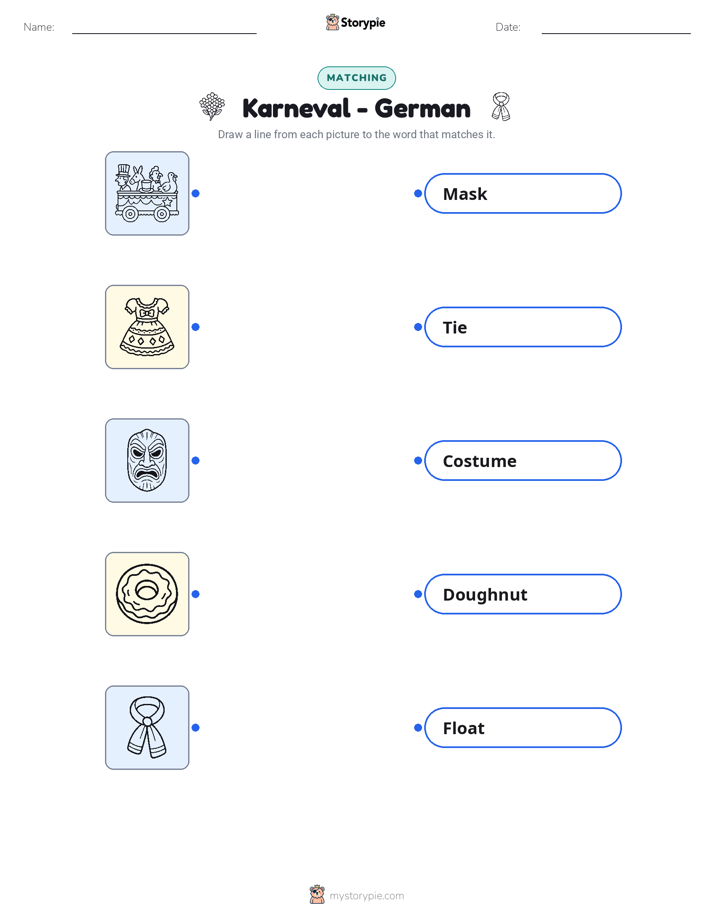
The most intense and exciting part of my season is the final week before Lent, a period often called the ‘crazy days.’ This climactic week begins on Weiberfastnacht, or Women’s Carnival, which is the Thursday before Lent. On this day, a special tradition sees women symbolically storming and taking charge of town halls, cutting off men’s ties as a sign of their temporary power. The celebration builds until it reaches its peak on Rosenmontag, or Rose Monday. This is the day of my largest and most famous parades, when the streets of cities in the Rhineland fill with millions of people who come to watch the spectacle, listen to music, and celebrate together.
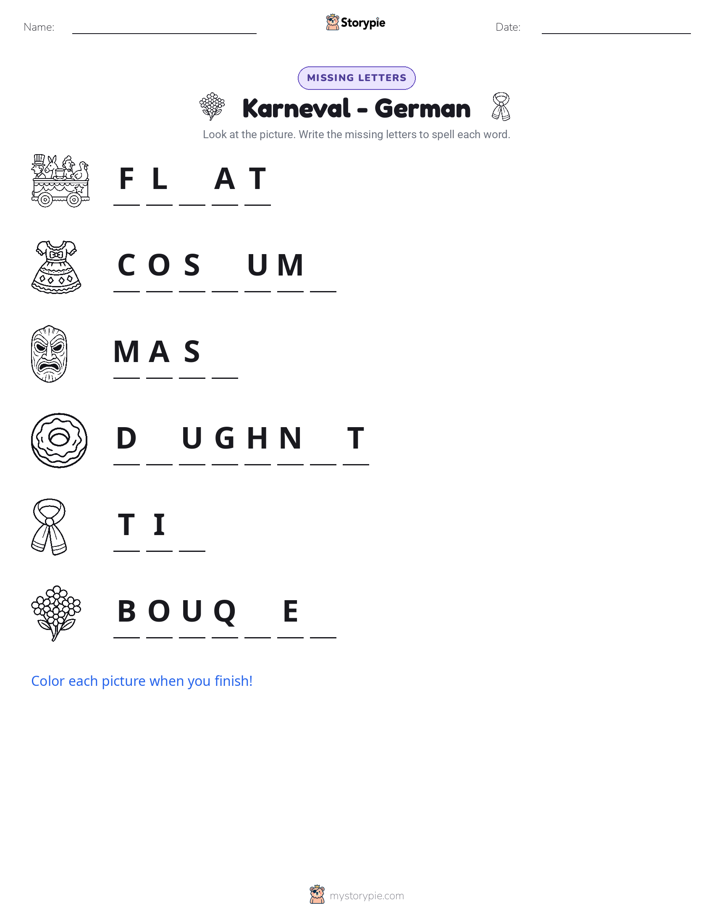
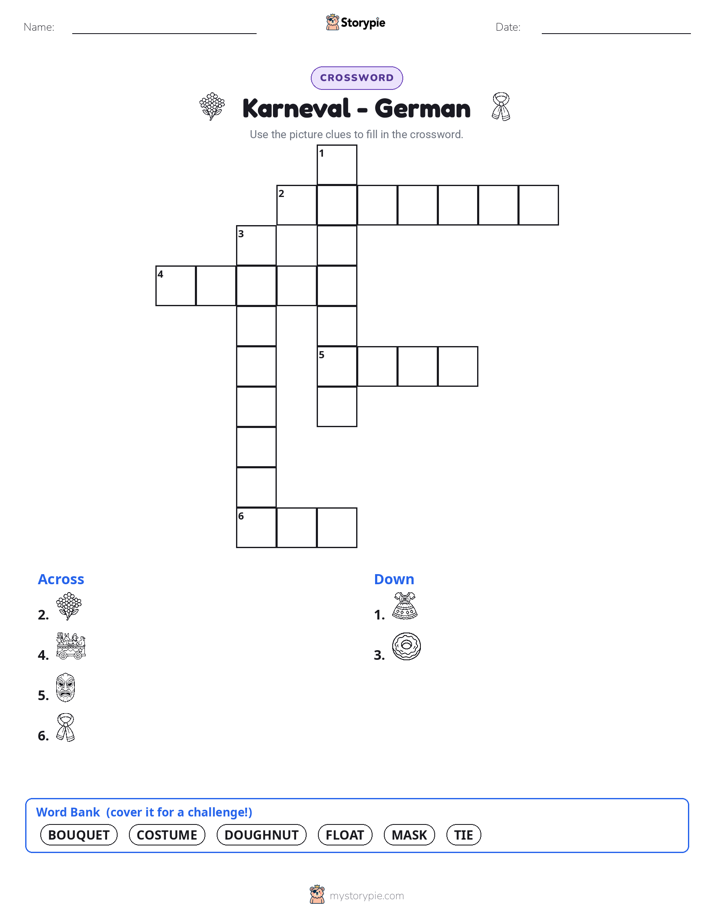
During my Rosenmontag parades in major cities like Cologne, Düsseldorf, and Mainz, huge, colorful floats roll through the streets for hours. These floats are often works of art and political commentary, using humor and satire to make fun of politicians and recent events. Spectators of all ages join in the fun by wearing creative and elaborate costumes. The atmosphere is filled with festive calls. As the floats pass by, the crowds shout “Kamelle!” which is a request for candy and sweets, and “Strüßjer!” a call for the small bouquets of flowers that are tossed from the floats into the cheering crowds.
I am not celebrated in the exact same way all over Germany; my traditions and even my name can change from one region to another. In the Rhineland area, people know me as Karneval, famous for its lighthearted fun and parades. However, in parts of southern Germany, as well as in Austria and Switzerland, I am called Fasching or Fastnacht. Some of these Fastnacht traditions are quite different. The Swabian-Alemannic Fastnacht, for example, features beautifully carved wooden masks. Unlike the cheerful costumes of Cologne, these masks can look quite serious or even scary, connecting to older traditions of driving out winter.
My season of celebration comes to a close on Shrove Tuesday, which is known as Veilchendienstag in some areas. This is the very last day for parties and for enjoying special treats. People eat fried doughnuts, which are called Krapfen or Berliner depending on the region. These rich foods are a final indulgence before the fasting period. As the clock strikes midnight, my season of fun officially ends. The following day is Ash Wednesday, which marks the beginning of the solemn period of Lent in the Christian calendar, and the celebrations are put away until I return the following year.
Wow facts
About
Karneval is a festive season in German-speaking countries, particularly in the Rhineland, celebrated with parades, costumes, and parties before the Christian observance of Lent. It is often called the 'fifth season'.
Take a Quiz
Question 1 of 5
What is the main purpose of Karneval, as described in the story?
Want to do even more?
Go beyond exploring. Unlock tools that turn every story into real learning.

Storypie Plus for families
Full stories, quizzes, and printables. Nights and car rides, sorted.
- Unlimited audio stories
- Create Mode: your child stars in the story
- Offline downloads
- Printable worksheets & coloring pages

Why Storypie for Schools
Students engaged. Prep in seconds. Evenings back to you.
- Worksheets & Quizzes
- Classroom Management
- Formative Assessment
- Custom Curriculum & Lesson Plans
- 27 Languages

Why Storypie for Homeschool
Curriculum done. They'll ask for more. Hours back in your day.
- Worksheet Generator
- First-Person Audio Stories
- Built-in Comprehension Quizzes
- Custom Curriculum & Lesson Plans
- Print & Go Activities