English

Kwanzaa - American
Kwanzaa is a seven-day cultural holiday celebrated from December 26 to January 1…
Reads at Grades 6–8 Listens at Grades 4–8
Print & create
Answer keys·No prep·Free with an account
28 worksheets · answer keys · full story · quiz · Ages 10-12 · CEFR B2
Plus adds 279,000+ more stories in 27 languages, audio for every one, and printables for all of them.
Just want Kwanzaa - American?
I am Kwanzaa, a cultural holiday that was created in the United States. My story begins in 1966, a period of significant social change and challenge for African Americans. In the wake of intense struggles for civil rights and community empowerment in Los Angeles, California, a professor and activist named Dr. Maulana Karenga established me. His vision was to create a special time, separate from any religious observance, for African Americans to come together and celebrate their rich, shared history and honor their ancestral African heritage. My creation was an act of self-determination, designed to provide a source of strength, unity, and cultural pride. The seven days of my observance are intended to be a time for people to reconnect with their roots, reinforce the bonds within their families and neighborhoods, and reaffirm their commitment to building a positive future.
My name holds a deep connection to the continent of Africa. The word "Kwanzaa" is derived from a phrase in the Swahili language, ‘matunda ya kwanza,’ which translates to ‘first fruits.’ This name was chosen deliberately to link me to the long and varied traditions of harvest festivals that have been celebrated across Africa for centuries. In many African societies, the end of the harvest season is a profoundly important time. It is an occasion for the entire community to gather together, to give thanks for the bounty of the earth, and to celebrate the successful results of their collective labor. These first-fruits celebrations emphasize cooperation, sharing, and gratitude—values that are central to my own purpose. By carrying a name that evokes these ancient traditions, I serve as a modern cultural bridge to a shared ancestral past.
I Am Kwanzaa
I am Kwanzaa, a cultural holiday that was created in the United States. My story begins in 1966, a period of significant social change and challenge for African Americans. In the wake of intense struggles for civil rights and community empowerment in Los Angeles, California, a professor and activist named Dr. Maulana Karenga established me. His vision was to create a special time, separate from any religious observance, for African Americans to come together and celebrate their rich, shared history and honor their ancestral African heritage. My creation was an act of self-determination, designed to provide a source of strength, unity, and cultural pride. The seven days of my observance are intended to be a time for people to reconnect with their roots, reinforce the bonds within their families and neighborhoods, and reaffirm their commitment to building a positive future.
My name holds a deep connection to the continent of Africa. The word "Kwanzaa" is derived from a phrase in the Swahili language, ‘matunda ya kwanza,’ which translates to ‘first fruits.’ This name was chosen deliberately to link me to the long and varied traditions of harvest festivals that have been celebrated across Africa for centuries. In many African societies, the end of the harvest season is a profoundly important time. It is an occasion for the entire community to gather together, to give thanks for the bounty of the earth, and to celebrate the successful results of their collective labor. These first-fruits celebrations emphasize cooperation, sharing, and gratitude—values that are central to my own purpose. By carrying a name that evokes these ancient traditions, I serve as a modern cultural bridge to a shared ancestral past.
At the very core of my observance are seven guiding principles known as the Nguzo Saba, another term from the Swahili language. These principles are not just ideas to be considered for a week; they are intended to be a framework for living a meaningful and community-oriented life throughout the entire year. Each of my seven days is dedicated to one of these values. The first is Umoja, or Unity, which stresses the importance of togetherness in the family, community, nation, and race. The second is Kujichagulia, meaning Self-Determination, which encourages people to define themselves, name themselves, create for themselves, and speak for themselves. This is followed by Ujima, or Collective Work and Responsibility, a principle that calls on people to build and maintain their community together and to solve their problems as a group.
The remaining principles continue this focus on community and personal growth. Ujamaa, or Cooperative Economics, promotes the idea of building and maintaining community-owned stores and businesses to profit together. The fifth principle is Nia, which means Purpose. This encourages people to make their collective vocation the building and developing of their community in order to restore its people to their traditional greatness. Next is Kuumba, or Creativity, which calls for individuals to do all they can to leave their communities more beautiful and beneficial than they inherited them. Finally, the seventh principle is Imani, or Faith, which is about believing with all one's heart in the community, its leaders, and the righteousness and victory of the struggle. These seven principles form the foundation of my meaning.
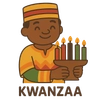
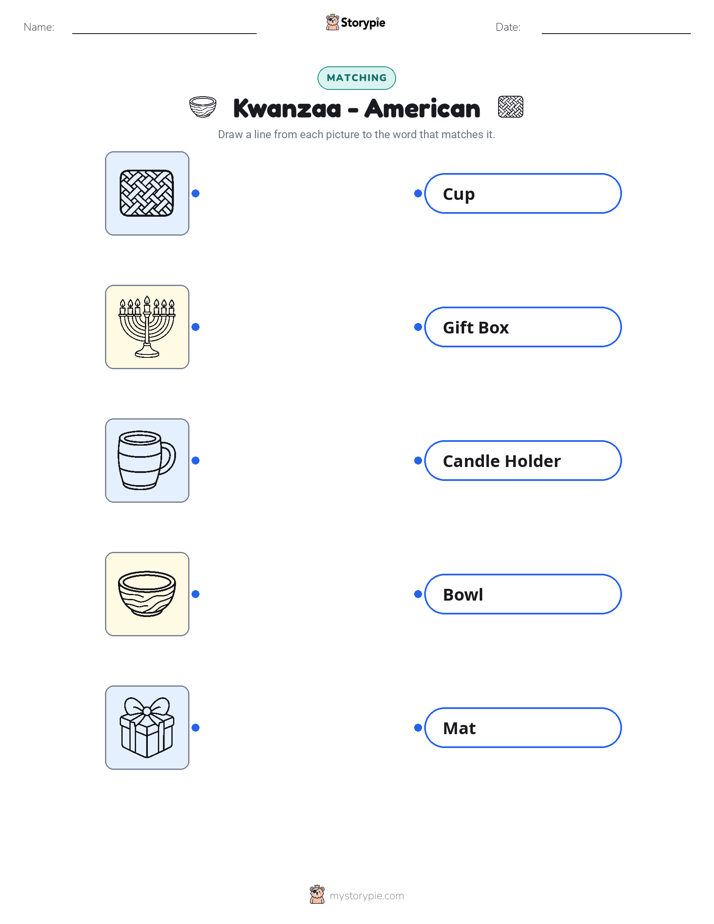
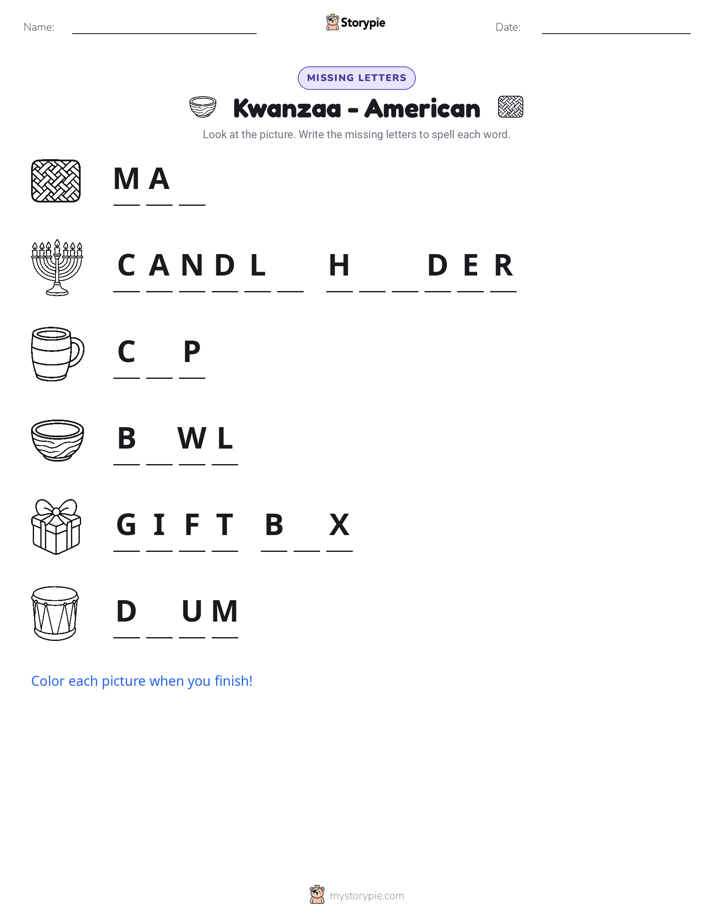
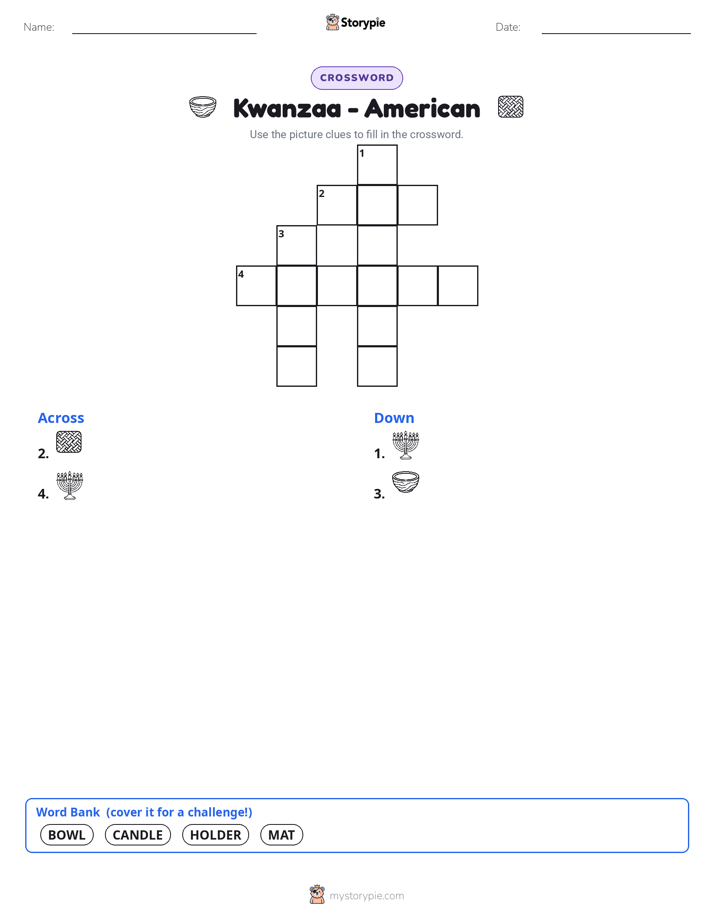
To help people reflect on these principles, my observance uses several important symbols, each with a specific meaning. The foundation for all the other symbols is a woven mat called the Mkeka. It represents tradition and history, the base upon which everything else is built. Placed upon the Mkeka is the Kinara, which is a special candle holder. The Kinara holds seven candles, known as the Mishumaa Saba. My colors are represented in these symbols: black, red, and green. The color black symbolizes the African people, red stands for the struggle they have endured throughout history, and green represents the future, hope, and the fertile land of Africa. Together, these items create a focal point for reflection and discussion during the week.
My celebration unfolds over seven consecutive days, beginning each year on December 26th and concluding on January 1st. The daily practice is a centerpiece of my observance. Each evening, family members and friends often gather around the display of symbols. They light one of the seven candles in the Kinara. This ritual is more than just a physical act; it is an opportunity for meaningful conversation. Participants discuss the principle assigned to that day, exploring its meaning and considering how they can apply it to their own lives and within their community. This daily reflection helps to reinforce cultural values, strengthen family and community bonds, and pass on important lessons from one generation to the next.
The celebration builds towards a joyful community gathering on the sixth day, December 31st. This event is a large feast known as the Karamu. The Karamu is a vibrant and festive occasion, filled with food, music, and fellowship. It often features traditional African and Caribbean dishes, drumming, dancing, poetry readings, and performances that celebrate African and African American culture. It is a powerful expression of unity and shared joy. My final day, January 1st, is quieter and more introspective. This day is dedicated to quiet reflection on the Nguzo Saba and the commitments made during the week. It is also the day for exchanging meaningful gifts called Zawadi. Unlike typical holiday gifts, Zawadi are not meant to be expensive or commercial. They are often handmade, educational, or artistic items given to encourage creativity, purpose, and personal growth, bringing my week of celebration to a thoughtful close.
Wow facts
About
Kwanzaa is a seven-day cultural holiday celebrated from December 26 to January 1, primarily by African Americans, to honor their heritage, community, and culture.
Take a Quiz
Question 1 of 5
The word "Kwanzaa" comes from a Swahili phrase meaning "first fruits." Why was this name chosen for the holiday?
Want to do even more?
Go beyond exploring. Unlock tools that turn every story into real learning.

Storypie Plus for families
Full stories, quizzes, and printables. Nights and car rides, sorted.
- Unlimited audio stories
- Create Mode: your child stars in the story
- Offline downloads
- Printable worksheets & coloring pages

Why Storypie for Schools
Students engaged. Prep in seconds. Evenings back to you.
- Worksheets & Quizzes
- Classroom Management
- Formative Assessment
- Custom Curriculum & Lesson Plans
- 27 Languages

Why Storypie for Homeschool
Curriculum done. They'll ask for more. Hours back in your day.
- Worksheet Generator
- First-Person Audio Stories
- Built-in Comprehension Quizzes
- Custom Curriculum & Lesson Plans
- Print & Go Activities