English

Las Fallas - Spanish
A vibrant festival in Valencia, Spain, known for its giant papier-mâché sculptures (fallas), fireworks…
Reads at Grades 6–8 Listens at Grades 4–8
Print & create
Answer keys·No prep·Free with an account
28 worksheets · answer keys · full story · quiz · Ages 10-12 · CEFR B2
Plus adds 279,000+ more stories in 27 languages, audio for every one, and printables for all of them.
Just want Las Fallas - Spanish?
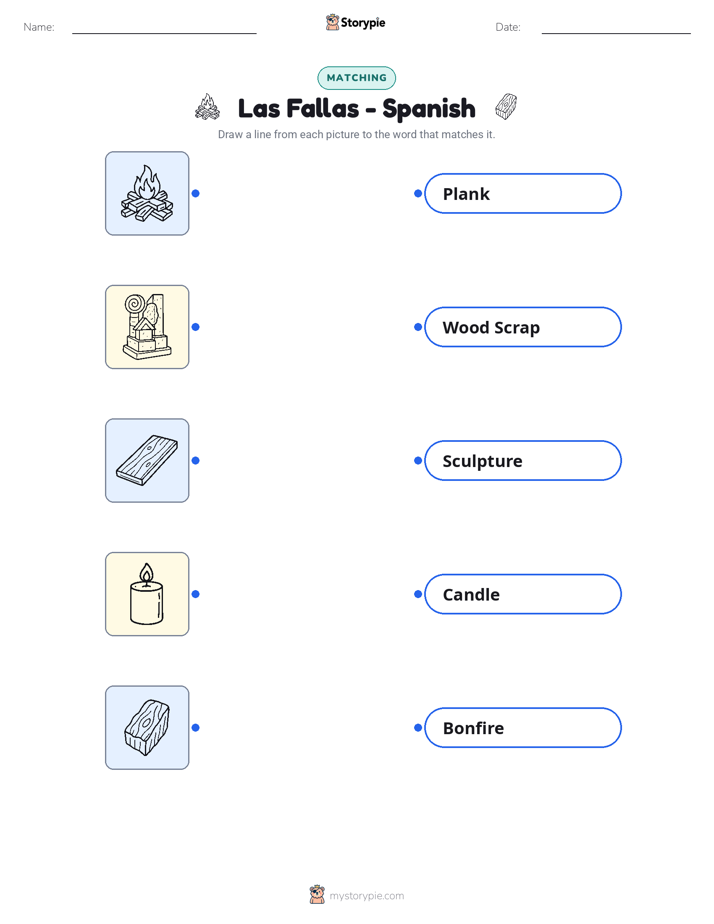
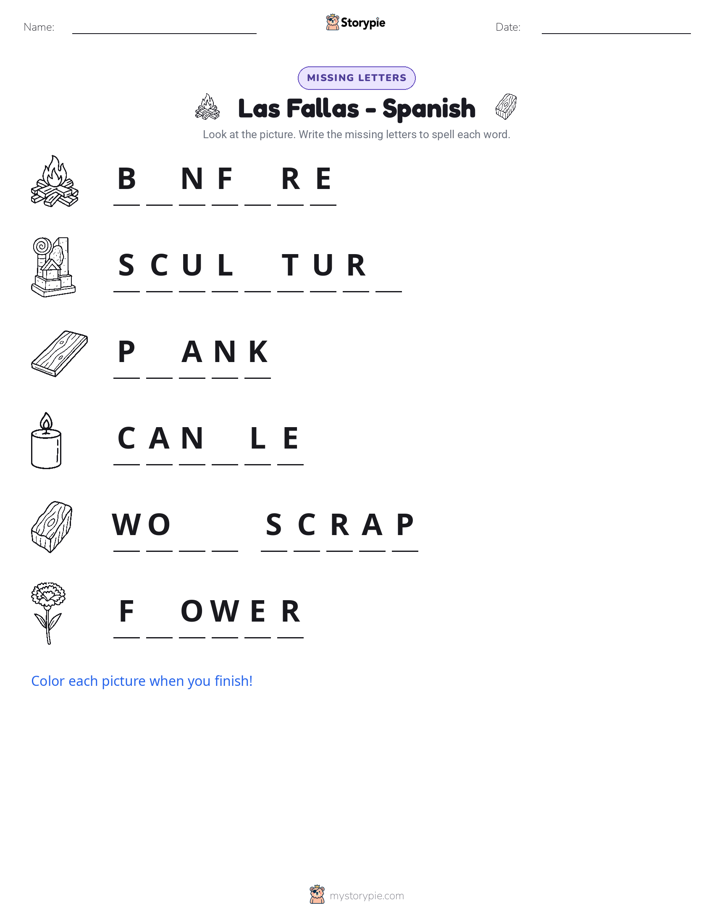
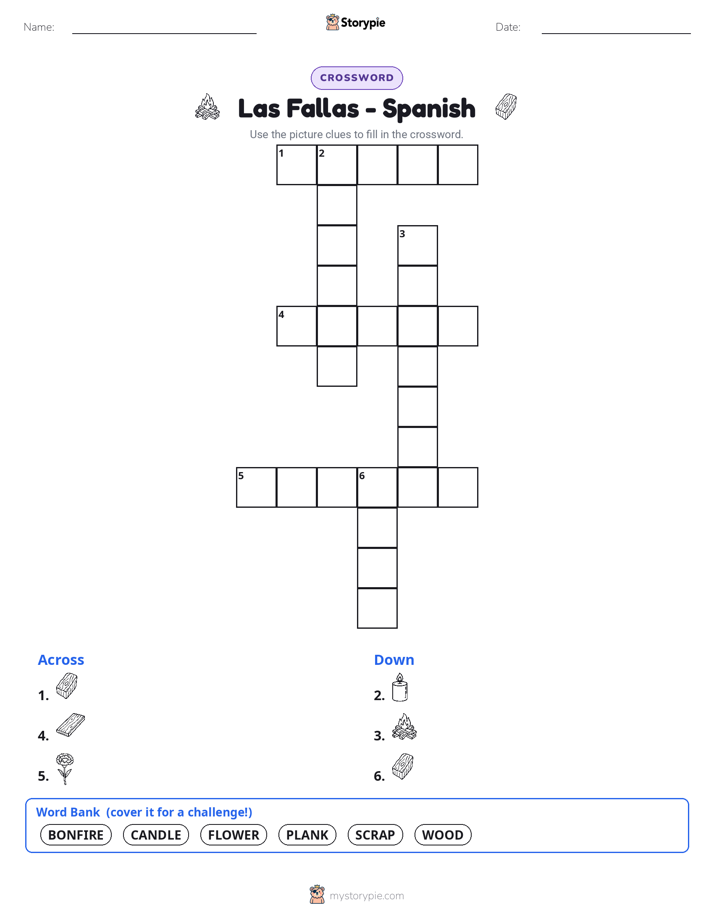
I am Las Fallas, a festival of fire, art, and community that transforms the city of Valencia, Spain, each year. My story is one of creation and renewal, and it begins centuries ago in the workshops of the city's skilled carpenters. As winter's long, dark months came to an end, these artisans would prepare for the longer, brighter days of spring. A practical tradition of theirs was to have a thorough spring cleaning of their workshops. They gathered all the leftover wood scraps and shavings from their year of work. They also brought out the wooden planks, which they called 'parots,' that had been used to hold up their candles and provide light for their detailed work. To mark the changing season, they would create a large bonfire to burn all of this unneeded wood. This yearly bonfire was timed to coincide with the feast day of their patron saint, Saint Joseph, which falls on March 19th. It was a simple act of clearing out the old to make way for the new.
From those humble origins, my traditions began to grow in a very creative way. The simple bonfires of wood scraps became more and more elaborate over the years. The carpenters, with their natural artistic abilities, started to see potential in the 'parots' they burned. They began to dress the wooden planks in old clothes, transforming them into simple figures that often resembled well-known people from their local neighborhoods. This was the very beginning of the detailed sculptures now known as 'ninots.' As time went on, this practice evolved from creating single figures to constructing enormous, complex scenes. These massive monuments, called 'fallas,' are made from combustible materials like wood, cardboard, and papier-mâché. Today, during my observance, hundreds of these incredible fallas are built and displayed all over the city's streets and plazas. Some are so large that they tower several stories high, becoming temporary landmarks in their own right.
Las Fallas: A Festival of Fire and Art
I am Las Fallas, a festival of fire, art, and community that transforms the city of Valencia, Spain, each year. My story is one of creation and renewal, and it begins centuries ago in the workshops of the city's skilled carpenters. As winter's long, dark months came to an end, these artisans would prepare for the longer, brighter days of spring. A practical tradition of theirs was to have a thorough spring cleaning of their workshops. They gathered all the leftover wood scraps and shavings from their year of work. They also brought out the wooden planks, which they called 'parots,' that had been used to hold up their candles and provide light for their detailed work. To mark the changing season, they would create a large bonfire to burn all of this unneeded wood. This yearly bonfire was timed to coincide with the feast day of their patron saint, Saint Joseph, which falls on March 19th. It was a simple act of clearing out the old to make way for the new.
From those humble origins, my traditions began to grow in a very creative way. The simple bonfires of wood scraps became more and more elaborate over the years. The carpenters, with their natural artistic abilities, started to see potential in the 'parots' they burned. They began to dress the wooden planks in old clothes, transforming them into simple figures that often resembled well-known people from their local neighborhoods. This was the very beginning of the detailed sculptures now known as 'ninots.' As time went on, this practice evolved from creating single figures to constructing enormous, complex scenes. These massive monuments, called 'fallas,' are made from combustible materials like wood, cardboard, and papier-mâché. Today, during my observance, hundreds of these incredible fallas are built and displayed all over the city's streets and plazas. Some are so large that they tower several stories high, becoming temporary landmarks in their own right.
My fallas monuments are much more than just beautiful works of art; they are also filled with clever humor and sharp commentary. The highly skilled artists who design and build them are called 'artistas falleros.' Throughout the year, they use their talents to create ninots that make satirical comments on the events and notable figures of the past year. Nothing is off-limits, from local and international politics to celebrities and social trends. This satire provides a way for the community to reflect on and laugh about the year's happenings. The creation of these massive, intricate sculptures is a monumental task. It is a year-long process that requires not only great artistic vision but also advanced engineering skills and dedicated teamwork. Entire neighborhood groups, known as 'casals fallers,' work together to fundraise, design, and construct their falla, making it a true community project.
While the preparation for me takes an entire year, my main events unfold over five packed days, from March 15th to March 19th. The celebration officially kicks off with an event called 'La Plantà' on the night of the 15th. This is when all the fallas monuments, both large and small, must be completely assembled and in their final positions throughout the city. For the next few days, Valencia is transformed into a city-wide party, filled with the sounds of parades, live music, and the constant crackle of fireworks. Each morning begins with a noisy and energetic wake-up call known as 'La Despertà,' where brass bands and people lighting firecrackers march through the streets to get everyone out of bed. Then, every day at precisely 2:00 PM, a powerful and rhythmic firecracker display called 'La Mascletà' takes place in the main square, creating a thunderous sound that can be felt as much as it is heard.
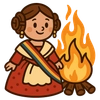
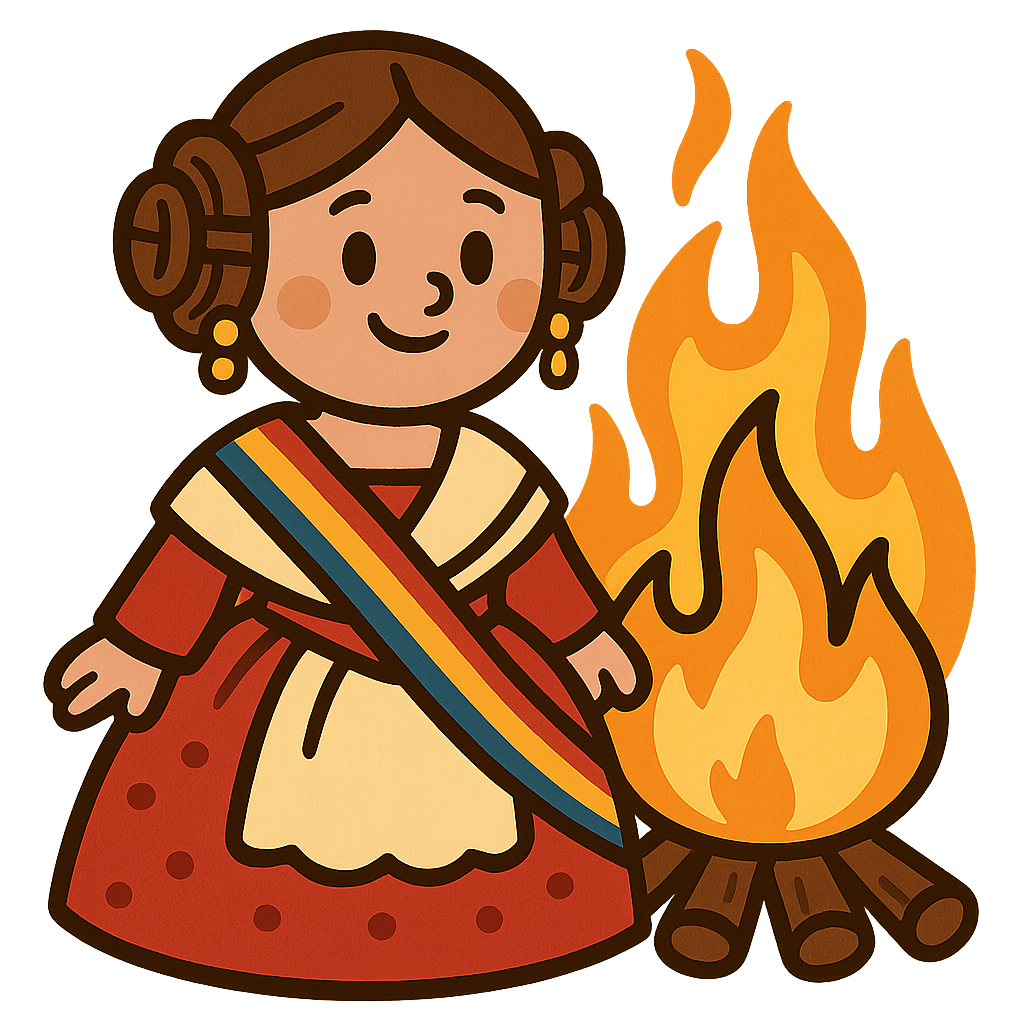
Amidst all the noise and excitement, one of my most breathtaking and poignant traditions takes place: 'L'Ofrena de Flors,' the offering of flowers. On March 17th and 18th, a remarkable procession fills the streets. Thousands of participants, known as 'falleras' and 'falleros,' dress in stunning, handcrafted traditional silk costumes. They parade through the city, each carrying a bouquet of carnations. Their destination is a giant wooden statue of the Virgin Mary, the patron saint of Valencia. As they arrive, their red, white, and pink flowers are carefully handed to weavers who skillfully attach them to the statue's frame. Over the two days, the bouquets are woven together to form a magnificent and fragrant floral cape for the Virgin, creating an awe-inspiring tapestry of color and devotion.
My celebration is born from fire, and it ends in fire. The grand finale takes place on the night of March 19th, the feast day of Saint Joseph. This event is called 'La Cremà,' which means The Burning. As night falls, crowds gather around each of the fallas monuments scattered throughout the city. In a carefully orchestrated series of bonfires, all the incredible works of art—the products of a year's worth of labor and creativity—are set ablaze. People watch in awe as the giant sculptures are consumed by towering flames, lighting up the night sky in a spectacular and unforgettable display. This powerful act is deeply symbolic. It represents a ritual of purification and renewal, burning away the old and the negative from the past year to welcome the new season of spring with a clean slate.
However, not every single ninot is destined to be consumed by the flames of La Cremà. Each year, a special exception is made. Before the final night, the public votes for their favorite individual ninot from all the hundreds of fallas. The winning figure is declared the 'ninot indultat,' or the pardoned ninot. This single sculpture is carefully removed from its monument and spared from the fire. It is then given a permanent home in Valencia's Fallas Museum. There, it joins a unique collection of all the other pardoned ninots from years past. This tradition ensures that a piece of my artistic history from each year is preserved, allowing future generations to appreciate the skill and creativity of the 'artistas falleros.'
Today, the traditions people practice to observe me are recognized as a unique combination of art, community, and cultural heritage. This blend of satirical creativity, neighborhood collaboration, and fiery spectacle is deeply important to the identity of the Valencian people. In 2016, my cultural significance was formally acknowledged on a global scale. UNESCO, the United Nations Educational, Scientific and Cultural Organization, named me an Intangible Cultural Heritage of Humanity. This prestigious honor helps to protect my cherished traditions for the future and to share the remarkable story of Valencian creativity and community spirit with people all around the world.
Wow facts
About
A vibrant festival in Valencia, Spain, known for its giant papier-mâché sculptures (fallas), fireworks, and processions, culminating in the burning of the fallas on the final night. It celebrates various aspects of Valencian culture, including the arrival of spring, and honors Saint Joseph.
Take a Quiz
Question 1 of 5
What is the symbolism behind 'La Cremà,' the burning of the fallas monuments?
Want to do even more?
Go beyond exploring. Unlock tools that turn every story into real learning.

Storypie Plus for families
Full stories, quizzes, and printables. Nights and car rides, sorted.
- Unlimited audio stories
- Create Mode: your child stars in the story
- Offline downloads
- Printable worksheets & coloring pages

Why Storypie for Schools
Students engaged. Prep in seconds. Evenings back to you.
- Worksheets & Quizzes
- Classroom Management
- Formative Assessment
- Custom Curriculum & Lesson Plans
- 27 Languages

Why Storypie for Homeschool
Curriculum done. They'll ask for more. Hours back in your day.
- Worksheet Generator
- First-Person Audio Stories
- Built-in Comprehension Quizzes
- Custom Curriculum & Lesson Plans
- Print & Go Activities