English

Oktoberfest - German
Oktoberfest is the world's largest Volksfest (beer festival and travelling funfair) held annually in Munich…
Reads at Grades 6–8 Listens at Grades 4–8
Print & create
Answer keys·No prep·Free with an account
28 worksheets · answer keys · full story · quiz · Ages 10-12 · CEFR B2
Plus adds 279,000+ more stories in 27 languages, audio for every one, and printables for all of them.
Just want Oktoberfest - German?
I am Oktoberfest, and my story begins not as a beer festival, but as a grand royal wedding. On October 12th, 1810, Crown Prince Ludwig of Bavaria, who would one day become King Ludwig I, married Princess Therese of Saxe-Hildburghausen. To celebrate their union, the royal family wanted to share their happiness with everyone. They invited all the citizens of Munich to a magnificent party held on the fields just outside the city gates. The main event of this celebration was a spectacular horse race, drawing crowds to witness the excitement and join in the festivities.
The large open fields where my first celebration took place were given a special name to honor the new crown princess. They were officially called 'Theresienwiese,' a German name that means 'Therese's Meadow.' This location has remained my home ever since. To this day, the main celebration in Munich happens on these very grounds. Because of this long history, many local people don't even use my full name. Instead, they affectionately call me by my nickname, 'die Wiesn,' which is a shortened, local way of saying Theresienwiese.
The royal wedding party was so successful and enjoyed by so many people that the organizers decided it shouldn't be a one-time event. They chose to hold it again the following year, and from that decision, I was born as an annual tradition. For many of my early years, the thrilling horse races continued to be the main attraction, just as they were at the very first gathering. A few years later, an agricultural fair was added to the schedule. This fair was designed to showcase Bavarian farming, highlight local products, and encourage improvements in agriculture throughout the region.
Oktoberfest: A Royal Celebration
I am Oktoberfest, and my story begins not as a beer festival, but as a grand royal wedding. On October 12th, 1810, Crown Prince Ludwig of Bavaria, who would one day become King Ludwig I, married Princess Therese of Saxe-Hildburghausen. To celebrate their union, the royal family wanted to share their happiness with everyone. They invited all the citizens of Munich to a magnificent party held on the fields just outside the city gates. The main event of this celebration was a spectacular horse race, drawing crowds to witness the excitement and join in the festivities.
The large open fields where my first celebration took place were given a special name to honor the new crown princess. They were officially called 'Theresienwiese,' a German name that means 'Therese's Meadow.' This location has remained my home ever since. To this day, the main celebration in Munich happens on these very grounds. Because of this long history, many local people don't even use my full name. Instead, they affectionately call me by my nickname, 'die Wiesn,' which is a shortened, local way of saying Theresienwiese.
The royal wedding party was so successful and enjoyed by so many people that the organizers decided it shouldn't be a one-time event. They chose to hold it again the following year, and from that decision, I was born as an annual tradition. For many of my early years, the thrilling horse races continued to be the main attraction, just as they were at the very first gathering. A few years later, an agricultural fair was added to the schedule. This fair was designed to showcase Bavarian farming, highlight local products, and encourage improvements in agriculture throughout the region.
Throughout the 19th century, I went through a significant transformation, growing from a simple local gathering into the enormous festival that people recognize today. In my earliest days, beer was served from small, simple stands scattered across the meadow. But as I grew in popularity, so did the structures. By 1896, those small stands had been replaced by massive, elaborately decorated beer tents, each sponsored by one of Munich's famous breweries. Around the same time, amusement rides like carousels and swings were introduced, adding a new layer of entertainment and officially turning me into a true 'Volksfest,' which translates to 'people's festival.'
One of the most surprising things about me is my schedule. Although my name is Oktoberfest, I actually begin in mid-to-late September. My dates were moved forward over the years for a very practical reason: so that people could enjoy the festivities with longer daylight hours and warmer weather than what is typical in October. I usually last for 16 to 18 days. My timing is carefully planned to conclude on the first Sunday in October. However, if German Unity Day, a national holiday on October 3rd, falls on the following Monday or Tuesday, my duration is often extended by a day or two to include that holiday.
My official start is marked by a very specific and traditional ceremony. I do not truly begin until the Mayor of Munich says so. At noon on the first Saturday of the festival, a colorful parade of festival hosts and horse-drawn brewery wagons makes its way through the city to the Theresienwiese. Once they arrive, the mayor proceeds to the oldest festival tent, the Schottenhamel tent. There, in front of a large crowd, the mayor taps the first keg of beer with a hammer and shouts, 'O'zapft is!' In the local Bavarian dialect, this means 'It is tapped!' This declaration officially opens the festival, and only then can beer be served to the public.
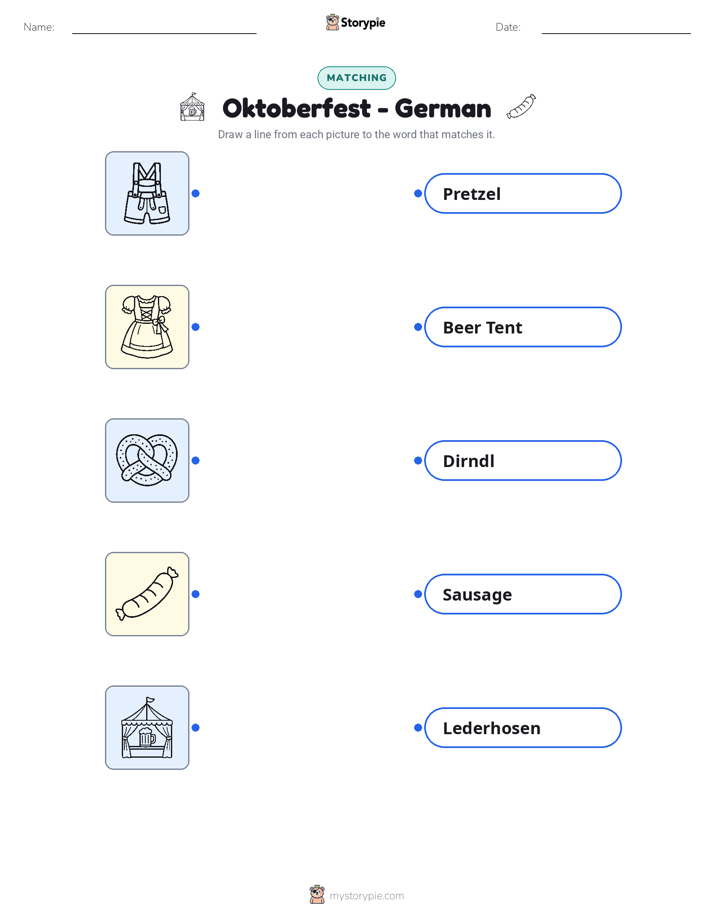
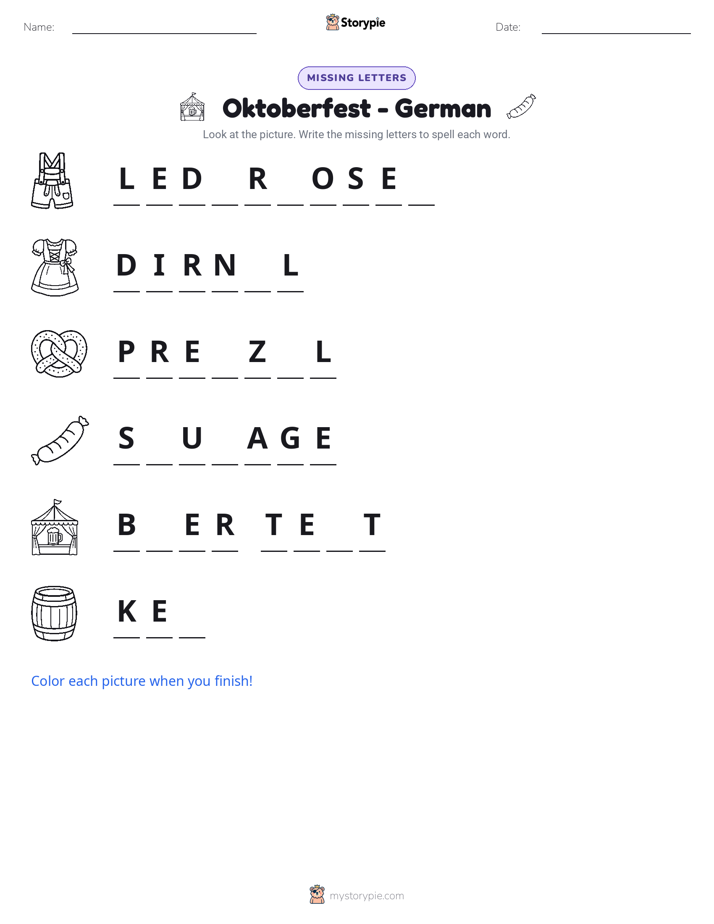
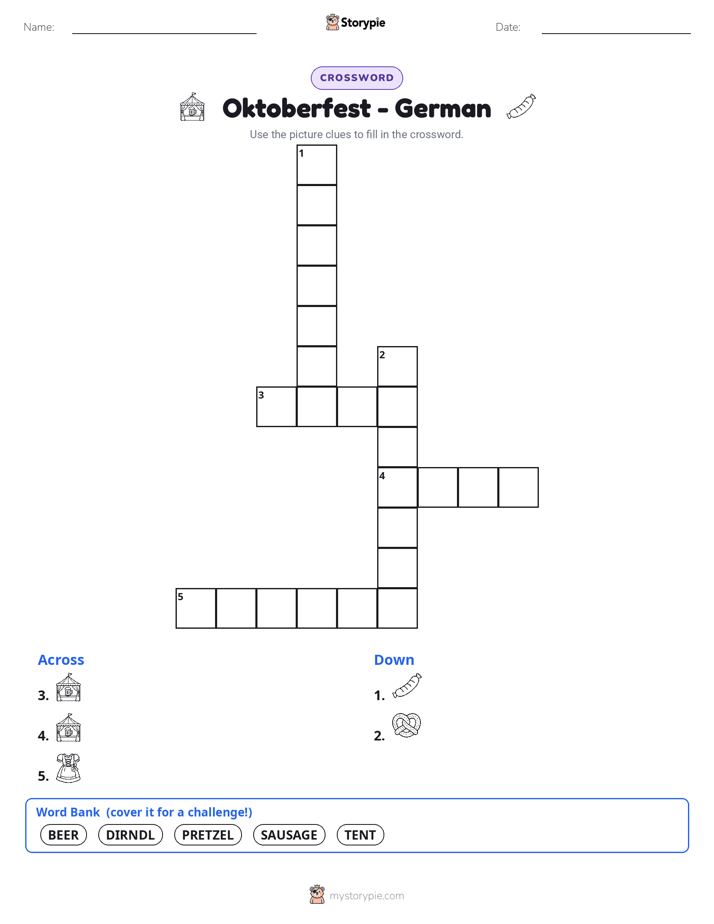
When people come to visit me, they often immerse themselves in traditional Bavarian culture. Many attendees choose to wear historic clothing to feel part of the tradition. Men might be seen wearing 'Lederhosen,' which are distinctive leather breeches held up by suspenders. Women often wear the 'Dirndl,' a traditional dress that consists of a blouse, a bodice, a full skirt, and an apron. The atmosphere inside the large tents is lively, with brass bands playing traditional German folk music that gets people singing and dancing. Visitors also enjoy classic Bavarian foods, such as giant soft pretzels, many kinds of sausages, and savory roasted chicken.
While my largest and most famous celebration will always be in Munich, attracting millions of visitors from Germany and all over the globe each year, my spirit has traveled far beyond my original home. Inspired by the Munich festival, many cities in other countries now host their own Oktoberfest celebrations. In places like the United States, Canada, Brazil, and Australia, people gather for festivals that share Bavarian traditions with their local communities. These events bring a taste of German culture, from the music and food to the cheerful atmosphere, to people all around the world, making my traditions a global phenomenon.
Wow facts
About
Oktoberfest is the world's largest Volksfest (beer festival and travelling funfair) held annually in Munich, Bavaria, Germany. It originated as a celebration of the marriage of Crown Prince Ludwig and Princess Therese in 1810.
Take a Quiz
Question 1 of 5
Summarize in your own words how Oktoberfest started and how it changed into the festival it is today.
Want to do even more?
Go beyond exploring. Unlock tools that turn every story into real learning.

Storypie Plus for families
Full stories, quizzes, and printables. Nights and car rides, sorted.
- Unlimited audio stories
- Create Mode: your child stars in the story
- Offline downloads
- Printable worksheets & coloring pages

Why Storypie for Schools
Students engaged. Prep in seconds. Evenings back to you.
- Worksheets & Quizzes
- Classroom Management
- Formative Assessment
- Custom Curriculum & Lesson Plans
- 27 Languages

Why Storypie for Homeschool
Curriculum done. They'll ask for more. Hours back in your day.
- Worksheet Generator
- First-Person Audio Stories
- Built-in Comprehension Quizzes
- Custom Curriculum & Lesson Plans
- Print & Go Activities