English

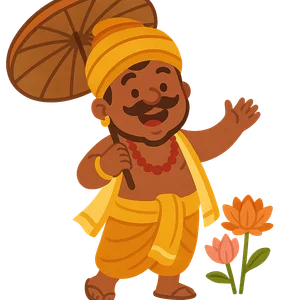
Onam - Indian
Onam is a ten-day Hindu harvest festival celebrated annually in the Indian state of Kerala.
Reads at Grades 6–8 Listens at Grades 4–8
Print & create
Answer keys·No prep·Free with an account
28 worksheets · answer keys · full story · quiz · Ages 10-12 · CEFR B2
Plus adds 279,000+ more stories in 27 languages, audio for every one, and printables for all of them.
Just want Onam - Indian?
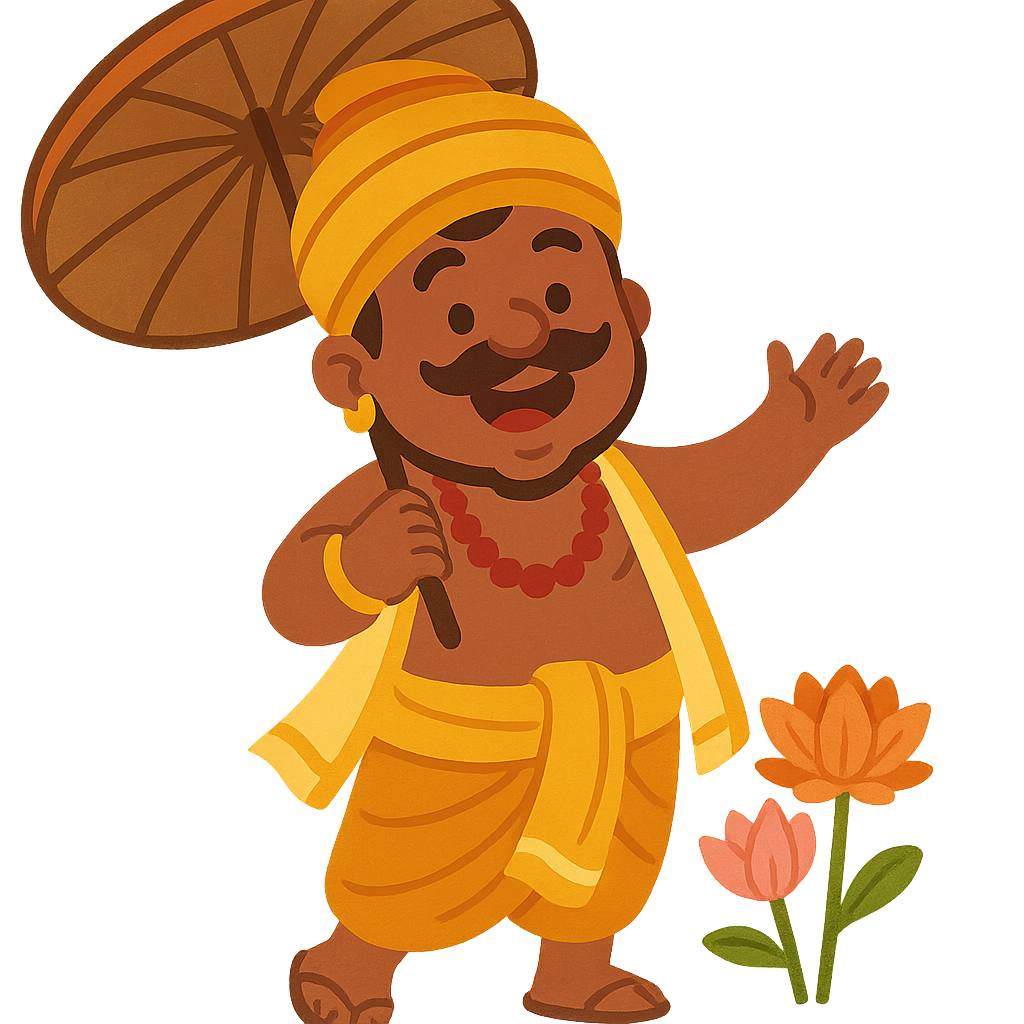
I am Onam, known as the biggest and most important festival in the Indian state of Kerala. My identity is deeply connected to the land and its seasons. I am a harvest festival, a time when people celebrate the successful gathering of crops and give thanks for nature’s abundance. My observance marks the end of the heavy monsoon rains and ushers in a period of prosperity. While I am tied to the agricultural cycle, my celebrations are most famously centered on a beloved story from the past. People throughout Kerala believe that during my ten days, the spirit of the legendary King Mahabali returns to visit his former kingdom and see his people living in happiness and peace.
The traditional narrative that people share during my observance is about King Mahabali, a wise, just, and incredibly generous ruler. During his reign, his kingdom was said to be a place of perfect harmony and prosperity, where all people were equal and content. According to the legend, the god Vishnu decided to test the king’s renowned generosity. Vishnu took the form of a small Brahmin boy named Vamana and appeared in Mahabali's court. Vamana made a seemingly humble request: he asked the king for a piece of land that he could cover in just three paces. Bound by his honor, King Mahabali immediately agreed to the boy’s request, not knowing the true nature of his guest. In an instant, Vamana began to grow to an immense, cosmic size. With his first step, he covered the entire earth. With his second, he spanned the heavens and the sky. There was no space left for his third step. Seeing this, King Mahabali, true to his word, humbly offered his own head for Vamana to place his final step. Vishnu, deeply impressed by the king's unwavering devotion and selflessness, did not crush him. Instead, he granted Mahabali a boon: the king would be allowed to return from the netherworld once every year to visit his beloved people and his cherished land. My ten days of celebration honor that annual return.
I Am Onam
I am Onam, known as the biggest and most important festival in the Indian state of Kerala. My identity is deeply connected to the land and its seasons. I am a harvest festival, a time when people celebrate the successful gathering of crops and give thanks for nature’s abundance. My observance marks the end of the heavy monsoon rains and ushers in a period of prosperity. While I am tied to the agricultural cycle, my celebrations are most famously centered on a beloved story from the past. People throughout Kerala believe that during my ten days, the spirit of the legendary King Mahabali returns to visit his former kingdom and see his people living in happiness and peace.
The traditional narrative that people share during my observance is about King Mahabali, a wise, just, and incredibly generous ruler. During his reign, his kingdom was said to be a place of perfect harmony and prosperity, where all people were equal and content. According to the legend, the god Vishnu decided to test the king’s renowned generosity. Vishnu took the form of a small Brahmin boy named Vamana and appeared in Mahabali's court. Vamana made a seemingly humble request: he asked the king for a piece of land that he could cover in just three paces. Bound by his honor, King Mahabali immediately agreed to the boy’s request, not knowing the true nature of his guest. In an instant, Vamana began to grow to an immense, cosmic size. With his first step, he covered the entire earth. With his second, he spanned the heavens and the sky. There was no space left for his third step. Seeing this, King Mahabali, true to his word, humbly offered his own head for Vamana to place his final step. Vishnu, deeply impressed by the king's unwavering devotion and selflessness, did not crush him. Instead, he granted Mahabali a boon: the king would be allowed to return from the netherworld once every year to visit his beloved people and his cherished land. My ten days of celebration honor that annual return.
My timing is determined by the Malayalam calendar, which is traditional to Kerala. My celebrations unfold over ten consecutive days during the first month of this calendar, a month known as Chingam. On the widely used Gregorian calendar, this period typically falls during August or September. The festival officially begins on a day called Atham, which marks the start of the preparations and the first day of King Mahabali's expected arrival. The festivities build in excitement and scale over the following days, culminating on the tenth and most significant day, which is called Thiruvonam. This final day is considered the main day of my celebration, when the spirit of the king is believed to be truly present among his people.
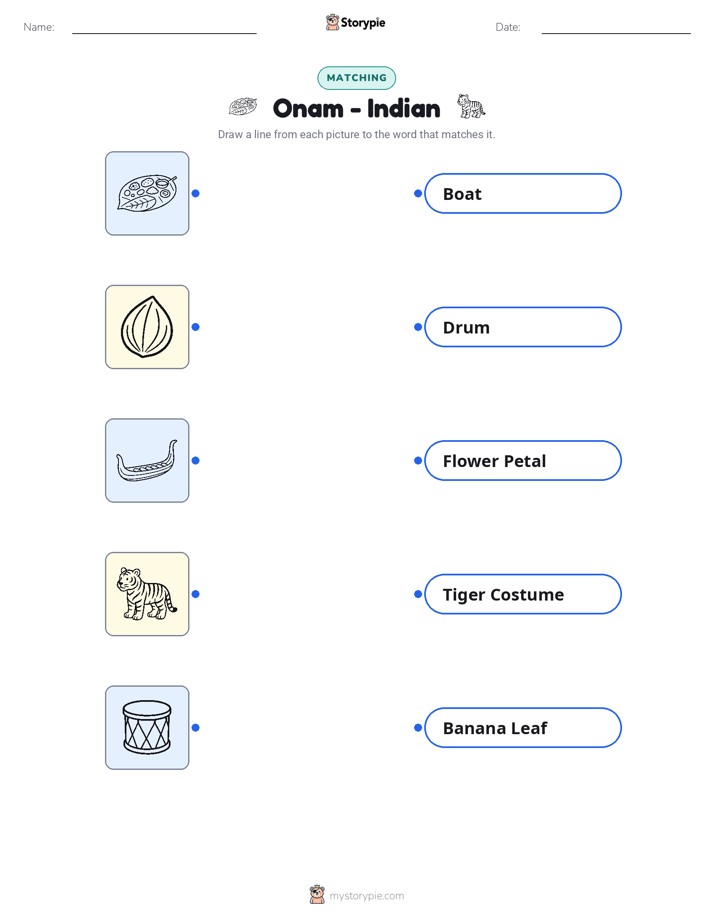
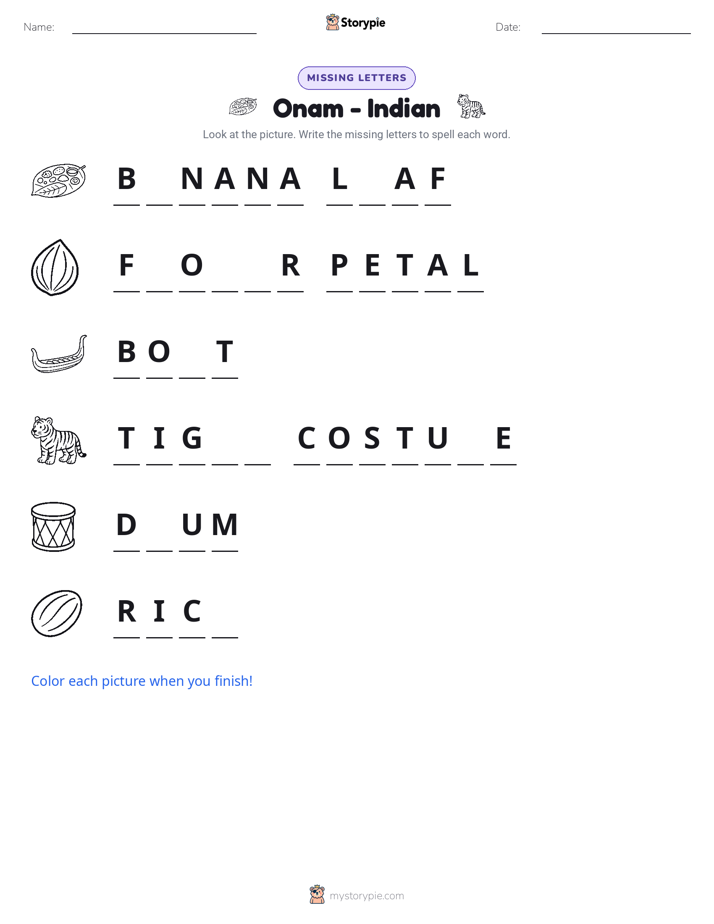
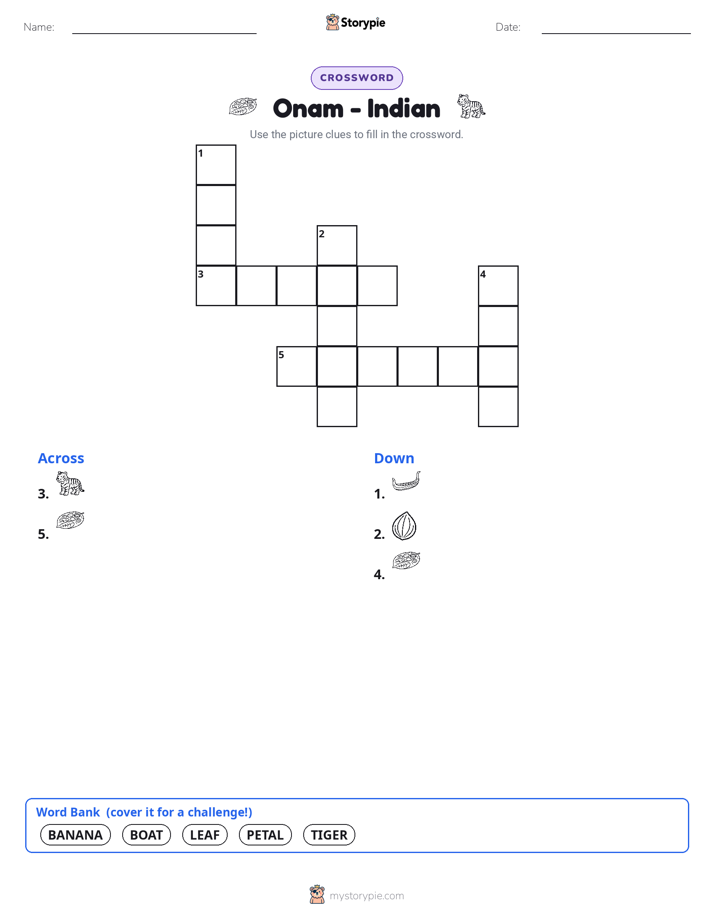
One of my most beautiful and recognizable traditions is the creation of the Pookkalam. This is an intricate and vibrant carpet made entirely from fresh flower petals, arranged on the ground in stunning patterns. Families create these floral designs in the courtyards or entryways of their homes as a colorful and fragrant welcome for King Mahabali. The creation of the Pookkalam is a daily ritual during my observance. The tradition often begins on the first day, Atham, with a small, simple design. With each passing day of the festival, new rings of flowers are added, making the Pookkalam grow larger, more complex, and more magnificent, mirroring the growing anticipation for the grand finale on Thiruvonam.
A central and delicious part of my observance is the grand feast known as the Onam Sadhya. The Sadhya is a remarkable multi-course vegetarian meal that represents the bounty of the harvest. It is a true spectacle of culinary tradition, sometimes featuring more than two dozen different dishes, including curries, fried vegetables, pickles, and sweets. All of these dishes are served together on a single large banana leaf, which acts as a plate. This meal is not just about the food; it is a significant community event. Families and friends gather to sit together and share in the feast, a symbol of the abundance, prosperity, and togetherness that define my spirit. Sharing the Onam Sadhya is a cherished moment of connection and joy for all who participate.
Beyond the floral carpets and the grand feast, my days are filled with many other joyful and energetic activities that showcase the culture of Kerala. In the state’s famous backwaters, crowds gather to witness one of my most exciting events: the Vallam Kali, or snake boat races. These long, canoe-like boats, crewed by dozens of paddlers, race through the water in a thrilling display of teamwork and strength. Another famous and lively tradition is the Pulikali, which translates to the 'tiger dance.' In this folk art performance, participants paint their bodies with the stripes of tigers and hunters. They then dance energetically through the streets to the powerful rhythm of traditional percussion instruments like the chenda and thakil, creating a vibrant spectacle for everyone to enjoy.
Today, I am observed by Malayali people, the people of Kerala, from all different religions and backgrounds. My celebration has spread far beyond the borders of Kerala, and I am honored by communities around the world. Although my foundational story is rooted in Hindu narratives, I have evolved over time to become a cultural festival that unites the entire community, regardless of faith. My observance is a time when people put aside their differences and come together. It is a season for wearing new clothes, visiting relatives and friends, exchanging gifts, and sharing in the rich traditions that celebrate the harvest and the enduring spirit of a golden age of unity and prosperity.
Wow facts
About
Onam is a ten-day Hindu harvest festival celebrated annually in the Indian state of Kerala. It commemorates the legendary homecoming of King Mahabali and is marked by traditions like floral carpets (Pookkalam), elaborate feasts (Onam Sadhya), and snake boat races (Vallam Kali).
Take a Quiz
Question 1 of 5
Summarize the legend of King Mahabali and Vamana in your own words, explaining the conflict and its resolution.
Want to do even more?
Go beyond exploring. Unlock tools that turn every story into real learning.

Storypie Plus for families
Full stories, quizzes, and printables. Nights and car rides, sorted.
- Unlimited audio stories
- Create Mode: your child stars in the story
- Offline downloads
- Printable worksheets & coloring pages

Why Storypie for Schools
Students engaged. Prep in seconds. Evenings back to you.
- Worksheets & Quizzes
- Classroom Management
- Formative Assessment
- Custom Curriculum & Lesson Plans
- 27 Languages

Why Storypie for Homeschool
Curriculum done. They'll ask for more. Hours back in your day.
- Worksheet Generator
- First-Person Audio Stories
- Built-in Comprehension Quizzes
- Custom Curriculum & Lesson Plans
- Print & Go Activities