English

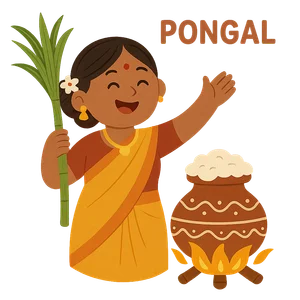
Pongal - Indian
Pongal is a multi-day Hindu harvest festival celebrated by Tamils in India and around the world.
Reads at Grades 6–8 Listens at Grades 4–8
Print & create
Answer keys·No prep·Free with an account
28 worksheets · answer keys · full story · quiz · Ages 10-12 · CEFR B2
Plus adds 279,000+ more stories in 27 languages, audio for every one, and printables for all of them.
Just want Pongal - Indian?
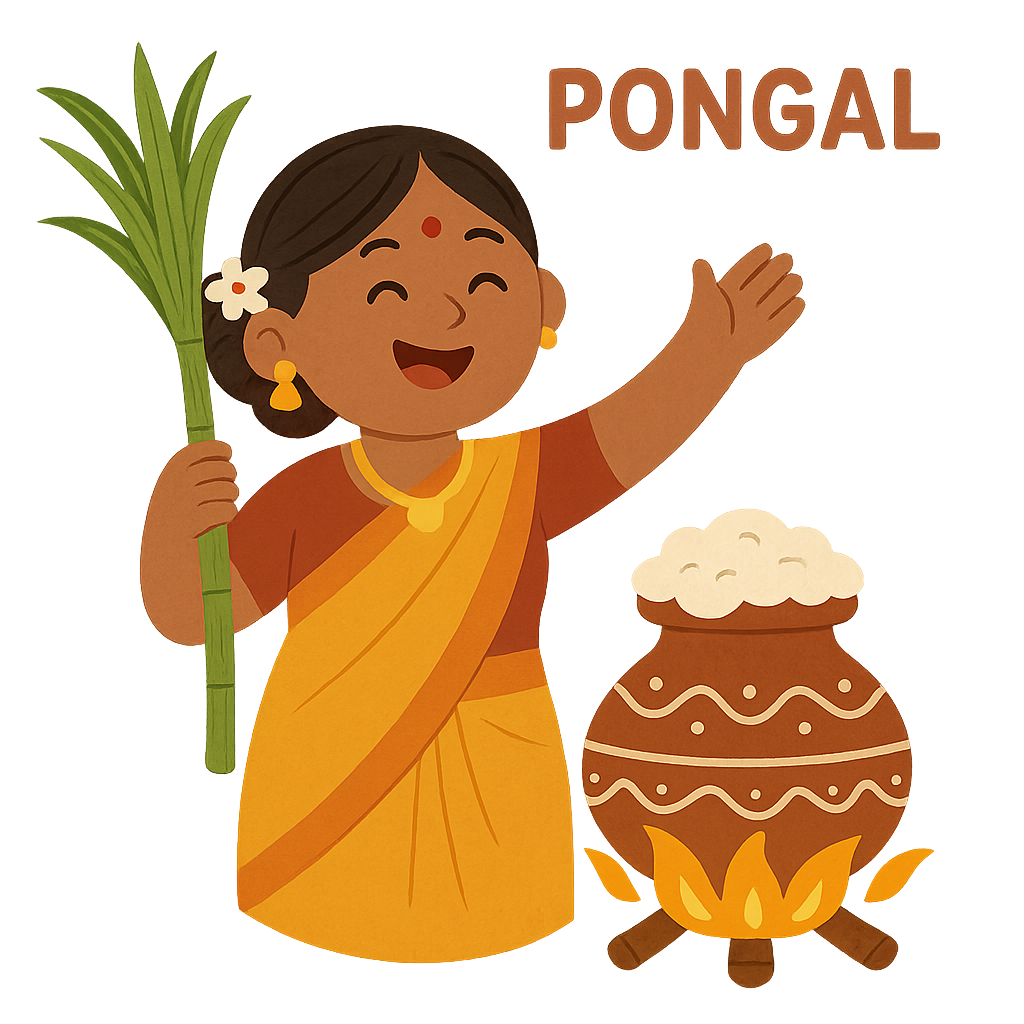
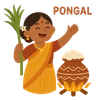
I am Pongal, a four-day harvest festival celebrated by Tamil people. You can find my observances primarily in Southern India, especially in the state of Tamil Nadu, as well as in Sri Lanka and among Tamil communities all across the globe. My name is deeply significant, coming from a Tamil word that means “to boil over.” This image is central to my identity because it serves as a powerful symbol of abundance and prosperity. When a pot of rice boils and overflows, it represents a home and a life filled with good fortune. My entire existence is rooted in gratitude. I am a time for people to pause and give thanks for the successful harvest of the year, showing their appreciation to the sun for its life-giving energy, to nature for its bounty, and to the farm animals whose labor is essential for providing food.
My origins are ancient, stretching far back into the history of the Tamil people. While my exact beginnings are not recorded, some historians trace my traditions back more than 2,000 years to what is known as the Sangam period in the Tamil lands. This was an era of great literary and cultural development, and references to harvest celebrations from that time suggest practices that are similar to my own. My timing is not random; it is closely tied to the cycles of the sun. I am observed to mark the end of the winter solstice and the beginning of the sun’s six-month journey northward across the sky. This astronomical period is known as Uttarayana. For an agricultural society, this is a moment of great importance. It signals the return of longer, warmer days, which are essential for growing crops. Therefore, I am not only a festival of thanks for what has been harvested, but also a celebration of new beginnings and hope for the seasons to come.
Pongal: A Festival of Harvest and Gratitude
I am Pongal, a four-day harvest festival celebrated by Tamil people. You can find my observances primarily in Southern India, especially in the state of Tamil Nadu, as well as in Sri Lanka and among Tamil communities all across the globe. My name is deeply significant, coming from a Tamil word that means “to boil over.” This image is central to my identity because it serves as a powerful symbol of abundance and prosperity. When a pot of rice boils and overflows, it represents a home and a life filled with good fortune. My entire existence is rooted in gratitude. I am a time for people to pause and give thanks for the successful harvest of the year, showing their appreciation to the sun for its life-giving energy, to nature for its bounty, and to the farm animals whose labor is essential for providing food.
My origins are ancient, stretching far back into the history of the Tamil people. While my exact beginnings are not recorded, some historians trace my traditions back more than 2,000 years to what is known as the Sangam period in the Tamil lands. This was an era of great literary and cultural development, and references to harvest celebrations from that time suggest practices that are similar to my own. My timing is not random; it is closely tied to the cycles of the sun. I am observed to mark the end of the winter solstice and the beginning of the sun’s six-month journey northward across the sky. This astronomical period is known as Uttarayana. For an agricultural society, this is a moment of great importance. It signals the return of longer, warmer days, which are essential for growing crops. Therefore, I am not only a festival of thanks for what has been harvested, but also a celebration of new beginnings and hope for the seasons to come.
My celebrations unfold over four distinct days, each with its own purpose and set of traditions. The first day is known as Bhogi Pongal, and its theme is renewal. On this day, the focus is squarely on clearing out the old to make way for the new. People undertake a thorough cleaning of their homes, sweeping away dust and clutter. More than just cleaning, they also discard old, broken, or unwanted items. This act is both practical and symbolic. At dawn, it is common for a bonfire to be lit. The old items that have been gathered are burned in this fire, representing the destruction of negativity and the worries of the past. It is a powerful ritual that signifies a fresh start for the family and the year ahead, leaving behind old grievances and embracing a clean slate.
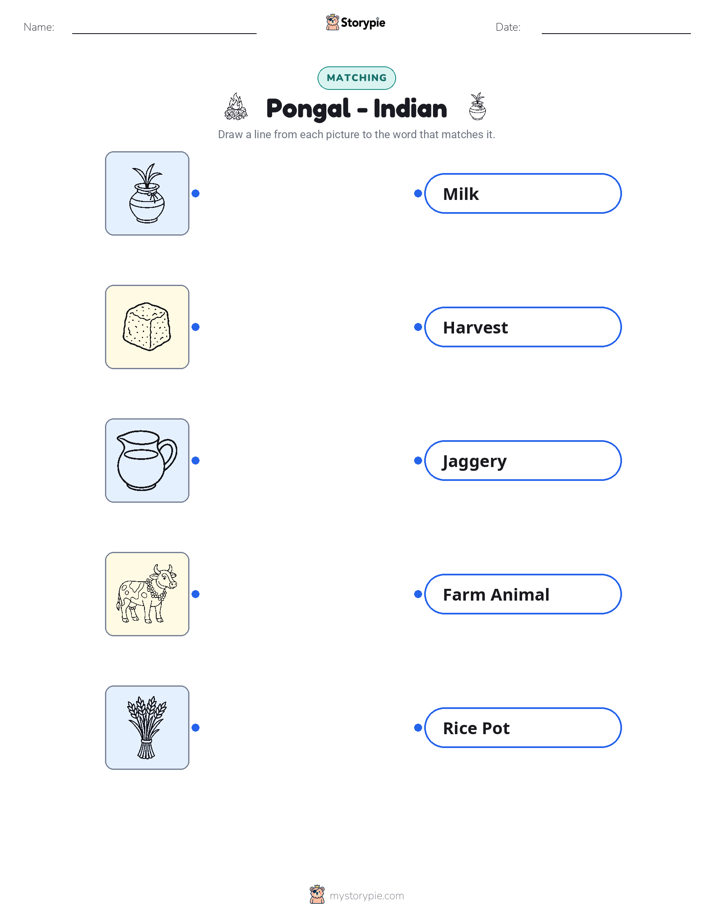
My second day, Surya Pongal, is the most important day of the festival and is the heart of my observance. This day is dedicated to Surya, the Sun God, who is honored for providing the warmth and light necessary for crops to grow. On this morning, families often gather together in an open space, like a courtyard or porch, to perform a special ceremony. They cook a dish, which is also called Pongal, using ingredients from the new harvest: freshly gathered rice, milk, and jaggery, a traditional unrefined sugar. This sweet dish is cooked in a beautiful clay pot, often decorated with patterns and tied with a turmeric plant. The pot is placed over an open fire, and everyone waits for it to boil. When the mixture of milk and rice finally boils over the sides of the pot, it is a moment of great excitement. People joyfully shout, “Pongalo Pongal!” This exclamation celebrates the overflow, which symbolizes the abundance and prosperity that the sun has blessed them with.
Following the tribute to the sun, my third day is called Mattu Pongal. This day is set aside to honor the cattle—the cows, bulls, and oxen that are vital partners in farming. Their hard work in plowing the fields and helping with the harvest is indispensable, and this day is a heartfelt thank you for their contribution. On Mattu Pongal, the cattle are given a day of rest and pampering. They are bathed and their horns are often painted in bright, vibrant colors. They are adorned with beautiful decorations, such as garlands of fresh flowers, colorful beads, and tinkling bells tied around their necks. After being decorated, they are fed special treats. They are offered the sweet Pongal dish that was prepared the day before, along with other foods like bananas and sugarcane. This act of care and gratitude recognizes the deep connection between humans and animals in an agricultural way of life.
My fourth and final day is Kaanum Pongal, which brings the focus to family and the wider community. The word “Kaanum” means “to visit,” and this day is all about strengthening social and family bonds. It is a time for people to visit their relatives and friends, exchanging warm greetings, sharing sweets, and spending quality time together. Younger members of the family often pay respect to their elders, who in turn give them blessings. It is a day marked by social gatherings and joyful outings. Many families pack picnics and go to parks, beaches, or other scenic spots to enjoy the pleasant weather and each other's company. Kaanum Pongal serves as a happy conclusion to my festivities, reinforcing the importance of community support and shared happiness.
Today, I continue to be a vibrant and important festival. I am celebrated with enthusiasm not just in the villages and cities of Tamil Nadu and Sri Lanka, but also by the Tamil diaspora in countries all around the world, from Malaysia and Singapore to Canada and the United States. While the core traditions of giving thanks for the harvest and honoring the sun remain unchanged, my observance has also become a powerful way for families living far from their ancestral homes to connect with their cultural heritage. During this time, homes are beautifully decorated with intricate patterns called kolam, made on the floor with rice flour. People wear new clothes to mark the special occasion. The enduring spirit of gratitude for nature’s gifts and hope for a prosperous future is shared across generations, keeping my meaning alive and relevant in the modern world.
Wow facts
About
Pongal is a multi-day Hindu harvest festival celebrated by Tamils in India and around the world. It is a time for giving thanks for the harvest and honoring the sun, cattle, and community.
Take a Quiz
Question 1 of 5
What is the central theme that connects all four days of the Pongal festival?
Want to do even more?
Go beyond exploring. Unlock tools that turn every story into real learning.

Storypie Plus for families
Full stories, quizzes, and printables. Nights and car rides, sorted.
- Unlimited audio stories
- Create Mode: your child stars in the story
- Offline downloads
- Printable worksheets & coloring pages

Why Storypie for Schools
Students engaged. Prep in seconds. Evenings back to you.
- Worksheets & Quizzes
- Classroom Management
- Formative Assessment
- Custom Curriculum & Lesson Plans
- 27 Languages

Why Storypie for Homeschool
Curriculum done. They'll ask for more. Hours back in your day.
- Worksheet Generator
- First-Person Audio Stories
- Built-in Comprehension Quizzes
- Custom Curriculum & Lesson Plans
- Print & Go Activities