English

Saint Nicholas Day - Belgian
A Belgian holiday celebrated on December 6th, honoring Saint Nicholas.
Reads at Grades 3–5 Listens at Grades 1–5
Print & create
Answer keys·No prep·Free with an account
28 worksheets · answer keys · full story · quiz · Ages 8-10 · CEFR B1
Plus adds 279,000+ more stories in 27 languages, audio for every one, and printables for all of them.
Just want Saint Nicholas Day - Belgian?
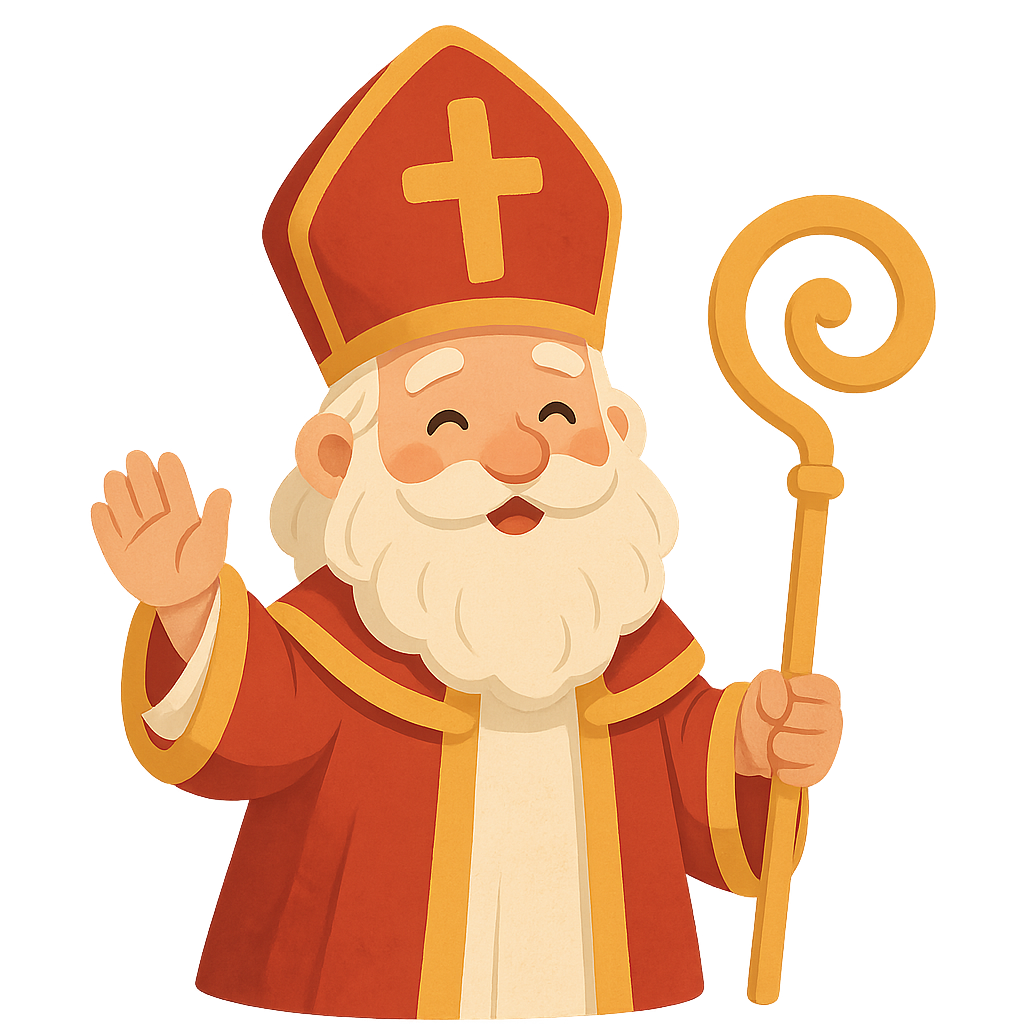
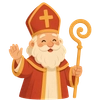
I am Saint Nicholas Day as celebrated in Belgium. I am a special day that honors the memory of a kind man named Nicholas, who lived long ago. He was a bishop in the 4th century in a city called Myra, which is now located in the country of Turkey. My celebration takes place every year on the 6th of December. This date was chosen to remember the wonderful traditional stories told about his great generosity. These stories often focus on his kindness, especially towards children, which is why I am such an important day for young people in Belgium.
For the people of Belgium who observe me, the excitement begins well before my main date arrives. The celebrations really start in the middle of November. This is when a man dressed as Saint Nicholas, who is called Sinterklaas in the Dutch language, is said to make his grand arrival. According to tradition, he travels all the way from Spain. He usually arrives by a large steamboat, docking in a major port city like Antwerp. From there, he rides through many towns and cities on his beautiful white horse, whose name is Amerigo. This arrival parade is a very big public event. So many people gather to see him that it is often broadcast on television for everyone across the country to watch. This important moment officially marks the beginning of the exciting season that leads up to my main observance on December 6th.
When Saint Nicholas, or Sinterklaas, travels through Belgium, he does not go alone. He is always accompanied by his helpers, but who these companions are depends on where you are in the country. Belgium has different regions with different languages, and my traditions reflect this. In the northern, Dutch-speaking region known as Flanders, his helper is called Zwarte Piet, which translates to Black Pete. In the southern, French-speaking region of Wallonia, his companion is known by the name Père Fouettard, meaning Father Whipper. These characters have important jobs. They assist the saint by carrying the large sack filled with gifts and sweets for the children. They also help him keep track of which children have been good throughout the year, based on what is written in the saint’s big book.
Saint Nicholas Day in Belgium
I am Saint Nicholas Day as celebrated in Belgium. I am a special day that honors the memory of a kind man named Nicholas, who lived long ago. He was a bishop in the 4th century in a city called Myra, which is now located in the country of Turkey. My celebration takes place every year on the 6th of December. This date was chosen to remember the wonderful traditional stories told about his great generosity. These stories often focus on his kindness, especially towards children, which is why I am such an important day for young people in Belgium.
For the people of Belgium who observe me, the excitement begins well before my main date arrives. The celebrations really start in the middle of November. This is when a man dressed as Saint Nicholas, who is called Sinterklaas in the Dutch language, is said to make his grand arrival. According to tradition, he travels all the way from Spain. He usually arrives by a large steamboat, docking in a major port city like Antwerp. From there, he rides through many towns and cities on his beautiful white horse, whose name is Amerigo. This arrival parade is a very big public event. So many people gather to see him that it is often broadcast on television for everyone across the country to watch. This important moment officially marks the beginning of the exciting season that leads up to my main observance on December 6th.
When Saint Nicholas, or Sinterklaas, travels through Belgium, he does not go alone. He is always accompanied by his helpers, but who these companions are depends on where you are in the country. Belgium has different regions with different languages, and my traditions reflect this. In the northern, Dutch-speaking region known as Flanders, his helper is called Zwarte Piet, which translates to Black Pete. In the southern, French-speaking region of Wallonia, his companion is known by the name Père Fouettard, meaning Father Whipper. These characters have important jobs. They assist the saint by carrying the large sack filled with gifts and sweets for the children. They also help him keep track of which children have been good throughout the year, based on what is written in the saint’s big book.
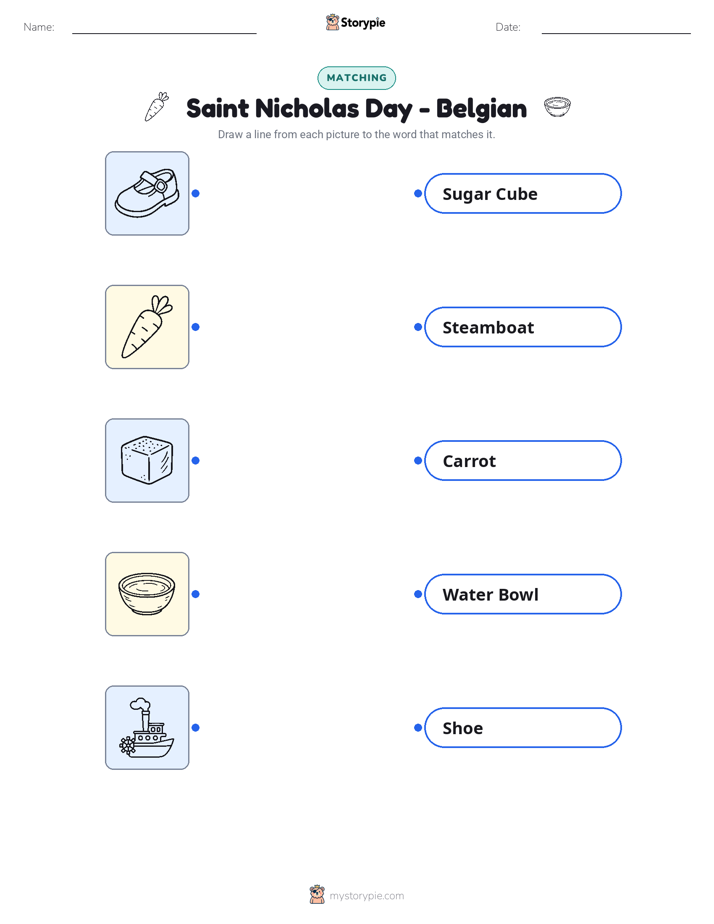
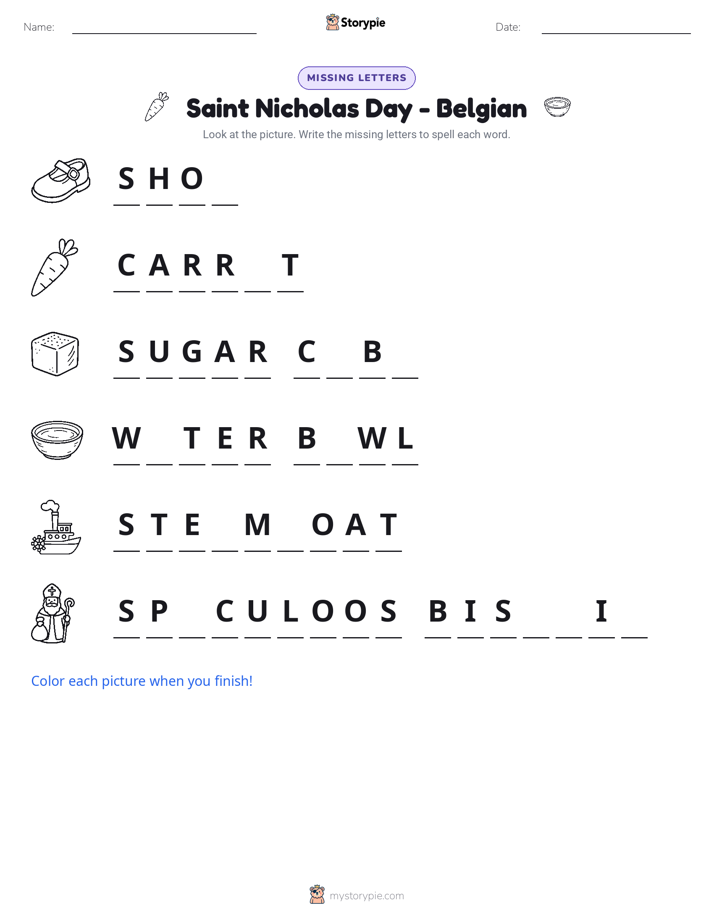
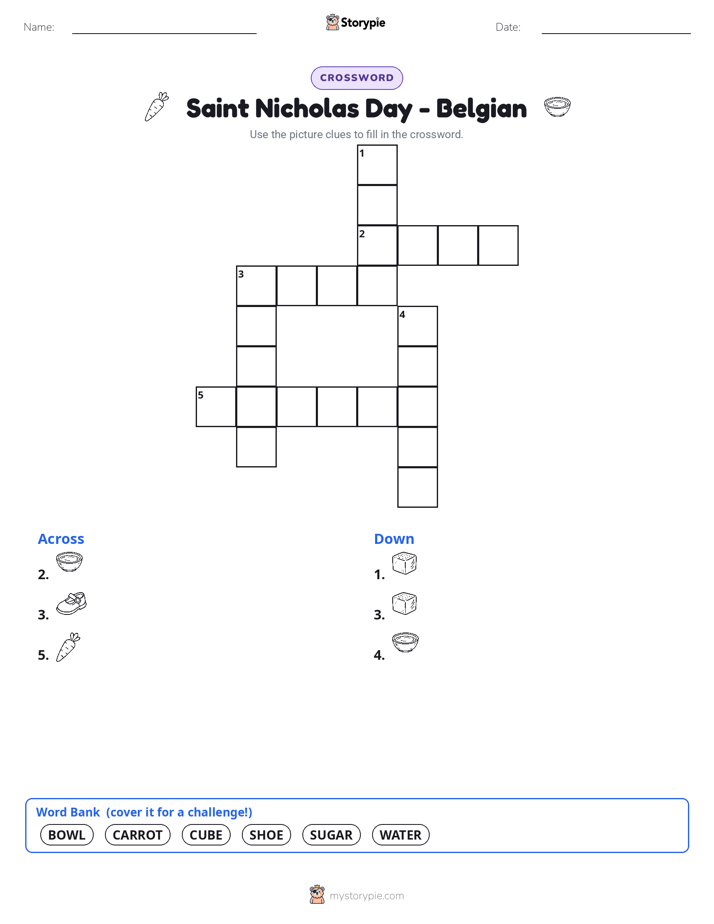
The night right before I arrive is filled with anticipation. On the evening of December 5th, children across Belgium carefully prepare for the saint’s special visit. A central part of my tradition involves children placing their shoes in a special spot inside their homes. Often, they will set them by the cozy warmth of the fireplace or near the front door, where the saint is sure to see them. It is not just about receiving gifts; it is also about showing gratitude. To thank Saint Nicholas and his horse for their long journey, many children leave out thoughtful little presents. They might leave a fresh carrot or some sugar cubes for Amerigo, and perhaps a personal, hand-drawn picture, a letter, or a warm drink for the saint himself.
The morning of my main day, December 6th, is a very exciting time for children. When they wake up, they rush to their shoes to see what surprises Saint Nicholas has left for them. If the stories say they have been good all year, they will discover that their shoes are filled with wonderful toys and delicious treats. Some of my most famous and traditional sweets are part of this morning surprise. These include speculoos, which are thin, spiced cookies that are often baked into the shape of the saint. Children might also find chocolate figurines of Sinterklaas and his helpers, as well as sweet, juicy mandarin oranges, which are a classic symbol of my observance. However, the tradition also includes a note for children who were said to be naughty. They might find only a bundle of sticks or a lump of coal left by the saint's helper instead of candy and toys.
Today, I continue to be one of the most important and beloved holidays for children throughout Belgium, and my observance is kept quite separate from Christmas celebrations. My focus is truly on family, the joy of giving, and the special magic of childhood. The celebrations are not just limited to homes. Many schools and even workplaces host their own events to mark the occasion. These gatherings often feature a special visit from someone dressed up as Saint Nicholas, who hands out treats to everyone. My long-standing traditions, from the arrival of the steamboat to the shoes by the fireplace, are a cherished part of Belgian culture. They have been carefully passed down from parents to children for many, many generations, making me a day of shared memories and happiness.
Wow facts
About
A Belgian holiday celebrated on December 6th, honoring Saint Nicholas. It is a major gift-giving occasion for children, featuring unique traditions and treats distinct from Christmas.
Take a Quiz
Question 1 of 5
The story says Saint Nicholas's arrival in mid-November 'marks the start of the exciting season.' What does this phrase mean?
Want to do even more?
Go beyond exploring. Unlock tools that turn every story into real learning.

Storypie Plus for families
Full stories, quizzes, and printables. Nights and car rides, sorted.
- Unlimited audio stories
- Create Mode: your child stars in the story
- Offline downloads
- Printable worksheets & coloring pages

Why Storypie for Schools
Students engaged. Prep in seconds. Evenings back to you.
- Worksheets & Quizzes
- Classroom Management
- Formative Assessment
- Custom Curriculum & Lesson Plans
- 27 Languages

Why Storypie for Homeschool
Curriculum done. They'll ask for more. Hours back in your day.
- Worksheet Generator
- First-Person Audio Stories
- Built-in Comprehension Quizzes
- Custom Curriculum & Lesson Plans
- Print & Go Activities