English

Semana Santa - Spanish
Semana Santa (Holy Week) is the week preceding Easter in the Christian calendar.
Reads at Grades 3–5 Listens at Grades 1–5
Print & create
Answer keys·No prep·Free with an account
24 worksheets · answer keys · full story · quiz · Ages 8-10 · CEFR B1
Plus adds 279,000+ more stories in 27 languages, audio for every one, and printables for all of them.
Just want Semana Santa - Spanish?
Hello. I am Semana Santa, which is the Spanish name for Holy Week. I am an important religious observance for many Christians, and people recognize me in the week just before Easter Sunday each spring. My seven days are a time for people to remember the story of the final week of Jesus Christ’s life, as it is told in the Christian Bible. This period is a time of reflection, tradition, and community gatherings that can be seen and felt in streets all across Spain.
My traditions are very old, but the famous processions that take place in Spain began to look the way they do today back in the 1500s. During that time in history, religious groups known as brotherhoods, or 'cofradías' in Spanish, wanted to find a powerful way to share the stories from the Bible with everyone. Not all people could read, so these groups decided to bring the stories to life in a very public and visual way. They created parades that would travel through the towns and cities, acting out the important moments from the story. These parades, or processions, became a central part of how I am observed, turning public spaces into places of community storytelling and reflection.
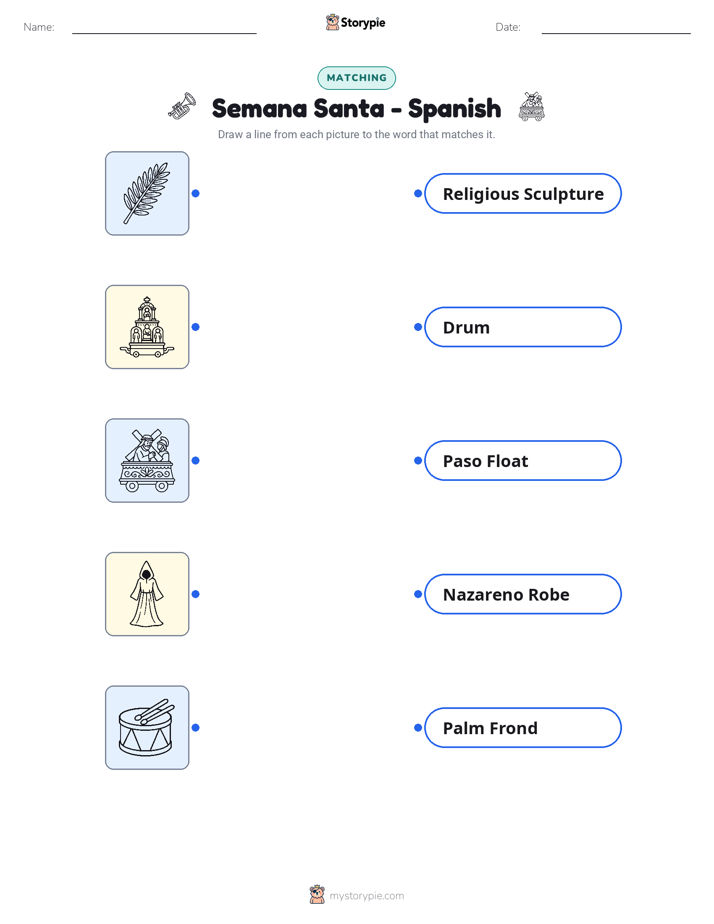
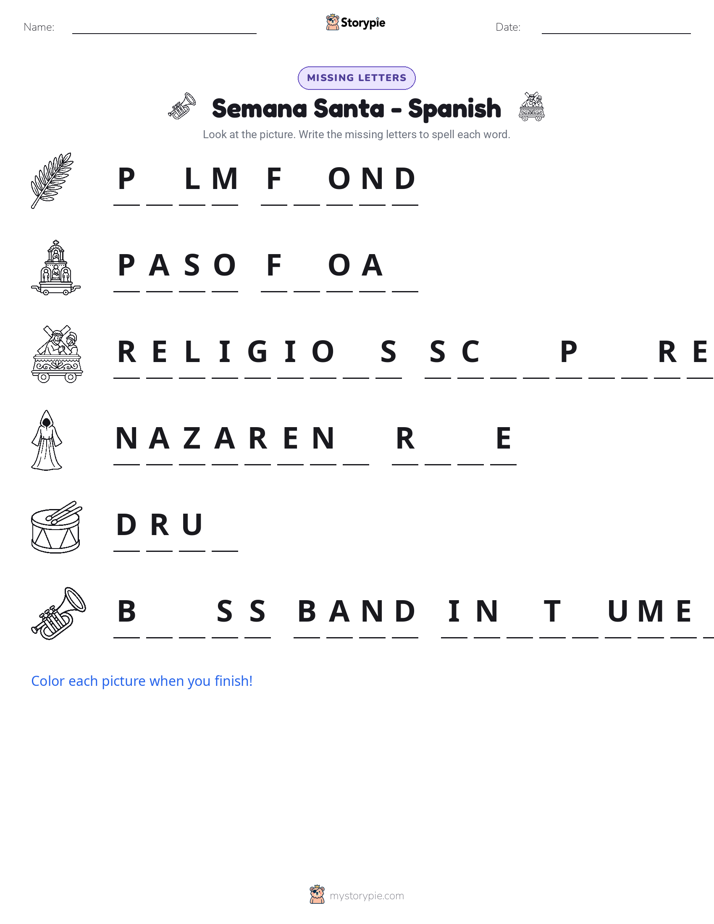
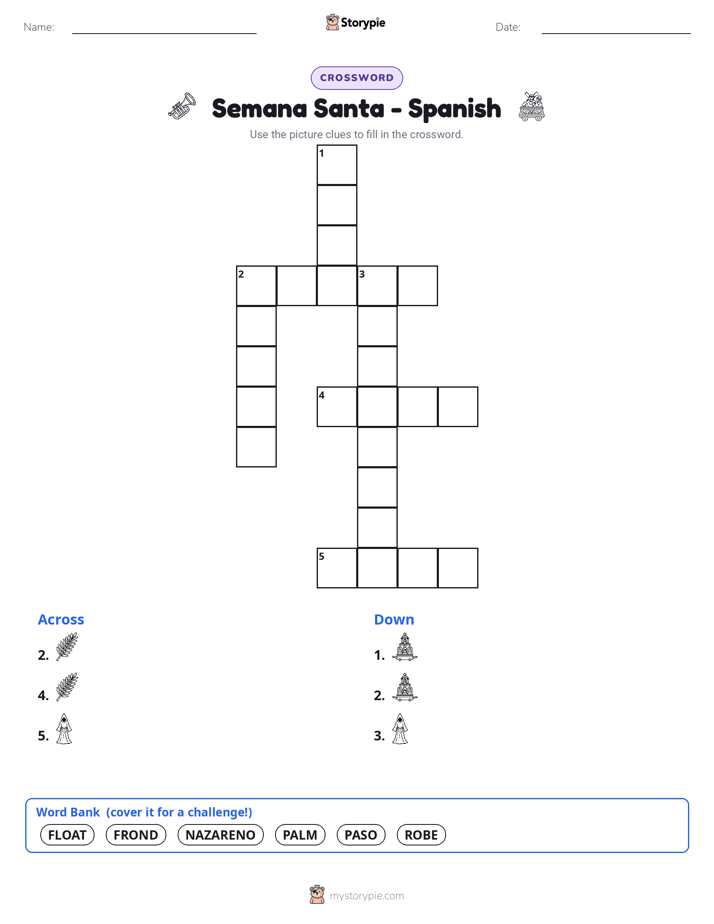
The most famous parts of my observance are these processions that slowly move through the streets. They are organized by the cofradías and are truly impressive to see. People carry enormous, heavy floats called 'pasos.' These pasos are not simple platforms; they are magnificent works of art. On top of them are large, detailed statues, often carved from wood by skilled artists hundreds of years ago. The statues are arranged to show specific scenes from the Christian story of the Passion, which is the name for the events of the final week of Jesus's life. The atmosphere of these parades can be very different from one to the next. Some are held in almost complete silence, creating a very serious and thoughtful mood. Others are filled with the powerful, solemn sound of drums and trumpets playing music composed especially for the occasion.
The Story of Semana Santa
Hello. I am Semana Santa, which is the Spanish name for Holy Week. I am an important religious observance for many Christians, and people recognize me in the week just before Easter Sunday each spring. My seven days are a time for people to remember the story of the final week of Jesus Christ’s life, as it is told in the Christian Bible. This period is a time of reflection, tradition, and community gatherings that can be seen and felt in streets all across Spain.
My traditions are very old, but the famous processions that take place in Spain began to look the way they do today back in the 1500s. During that time in history, religious groups known as brotherhoods, or 'cofradías' in Spanish, wanted to find a powerful way to share the stories from the Bible with everyone. Not all people could read, so these groups decided to bring the stories to life in a very public and visual way. They created parades that would travel through the towns and cities, acting out the important moments from the story. These parades, or processions, became a central part of how I am observed, turning public spaces into places of community storytelling and reflection.
The most famous parts of my observance are these processions that slowly move through the streets. They are organized by the cofradías and are truly impressive to see. People carry enormous, heavy floats called 'pasos.' These pasos are not simple platforms; they are magnificent works of art. On top of them are large, detailed statues, often carved from wood by skilled artists hundreds of years ago. The statues are arranged to show specific scenes from the Christian story of the Passion, which is the name for the events of the final week of Jesus's life. The atmosphere of these parades can be very different from one to the next. Some are held in almost complete silence, creating a very serious and thoughtful mood. Others are filled with the powerful, solemn sound of drums and trumpets playing music composed especially for the occasion.
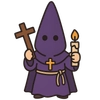
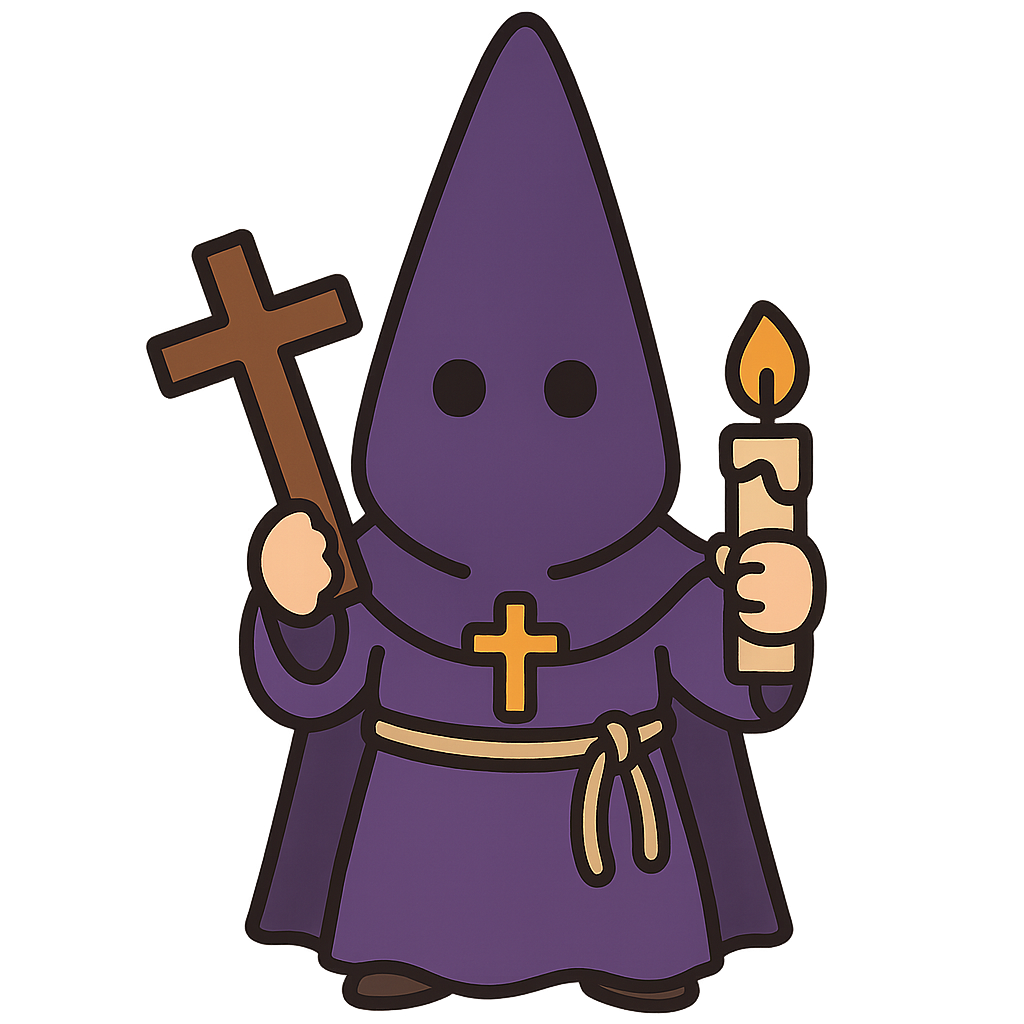
The people who take part in the processions are dedicated members of the cofradías. The marchers are called 'nazarenos,' and they wear special clothing for the parade. They put on long robes that come in many different colors, depending on which brotherhood they belong to. They also wear tall, pointed hoods called 'capirotes' that completely cover their faces, with only small holes for their eyes. It is important to understand that these hoods are not meant to be scary. They have a very specific purpose related to humility and devotion. By covering their faces, the nazarenos can participate in the procession privately and anonymously. It allows them to focus on their faith and show their devotion without being recognized by the crowds watching them.
My observance also includes many special foods that families prepare and share during this week. It is a tradition for some people to avoid eating meat during this time as a form of reflection. Because of this, many popular dishes are made with fish, especially salted cod, which can be cooked in many different ways. There are also delicious sweet treats that are a special part of my traditions. One of the most beloved is called 'torrijas.' You might think of it as a Spanish version of French toast. Slices of bread are soaked in milk, sugar, and sometimes spices like cinnamon. Then they are dipped in egg and fried until they are golden brown. Often, they are finished with a drizzle of honey, making them a warm and comforting treat enjoyed by many.
Today, people observe me all across Spain, from big, bustling cities like Seville, which is famous for its elaborate processions, to the smallest, quietest villages. While many of my core traditions have remained for hundreds of years, each town and region adds its own unique customs and character to the observance. This makes my celebrations different depending on where you are. For many families and communities, I am a very important time of year. It is a chance to gather with family, to take time for quiet reflection, and to come together to share in traditions that have been passed down for many generations.
Wow facts
About
Semana Santa (Holy Week) is the week preceding Easter in the Christian calendar. In Spain, it is marked by elaborate and solemn public processions organized by religious brotherhoods, commemorating the Passion of Jesus Christ.
Take a Quiz
Question 1 of 5
What is the Spanish name for the special floats carried in the processions, and what do they show?
Want to do even more?
Go beyond exploring. Unlock tools that turn every story into real learning.

Storypie Plus for families
Full stories, quizzes, and printables. Nights and car rides, sorted.
- Unlimited audio stories
- Create Mode: your child stars in the story
- Offline downloads
- Printable worksheets & coloring pages

Why Storypie for Schools
Students engaged. Prep in seconds. Evenings back to you.
- Worksheets & Quizzes
- Classroom Management
- Formative Assessment
- Custom Curriculum & Lesson Plans
- 27 Languages

Why Storypie for Homeschool
Curriculum done. They'll ask for more. Hours back in your day.
- Worksheet Generator
- First-Person Audio Stories
- Built-in Comprehension Quizzes
- Custom Curriculum & Lesson Plans
- Print & Go Activities