English

Semana Santa - Spanish
Semana Santa (Holy Week) is the week preceding Easter in the Christian calendar.
Reads at Grades K-2 Listens at K–3
Print & create
Answer keys·No prep·Free with an account
24 worksheets · answer keys · full story · quiz · Ages 6-8 · CEFR A2
Plus adds 279,000+ more stories in 27 languages, audio for every one, and printables for all of them.
Just want Semana Santa - Spanish?
Hello, my name is Semana Santa. In the Spanish language, my name means “Holy Week.” I am a very important time for Christians who live in the country of Spain. People observe me each year during the week that comes just before the holiday of Easter. My purpose is to be a time of remembrance. During my seven days, Christians in Spain think about and remember the story of the last days of Jesus Christ’s life, which is a central part of their beliefs. It is a time for quiet reflection and shared community traditions that have been passed down for a very long time.
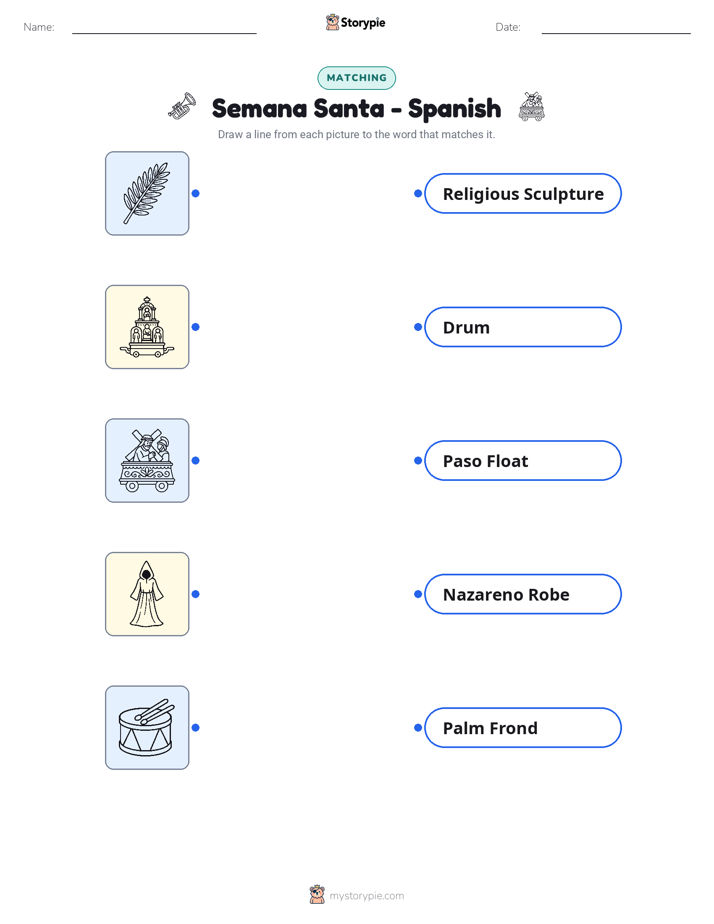
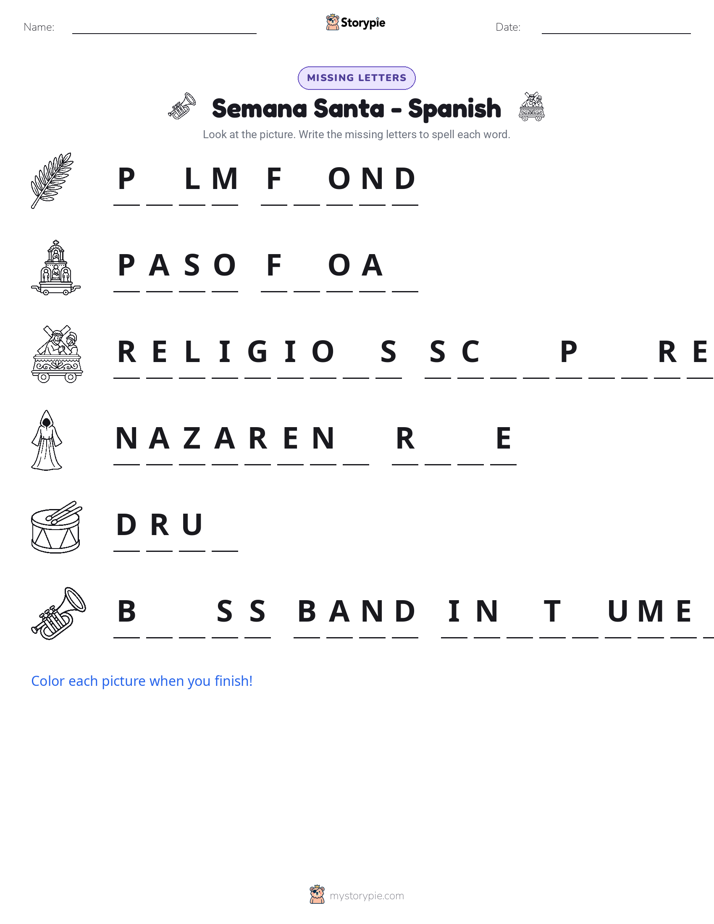
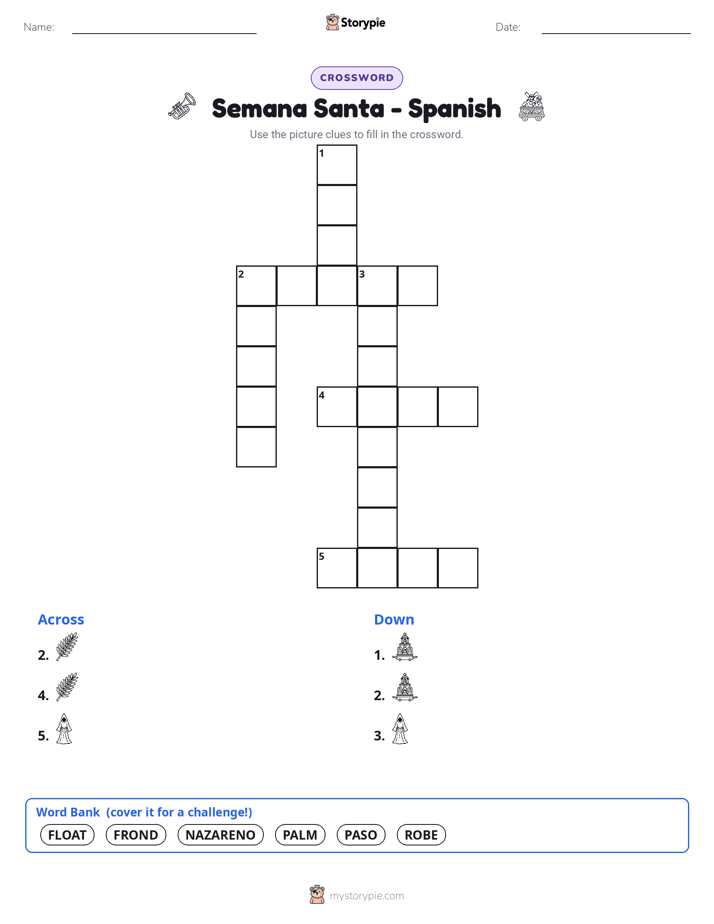
One of my most well-known traditions is the processions that take place in cities and towns all across Spain. These processions are like special parades, but they move very slowly and quietly through the streets. They are organized by groups of people called 'cofradías,' which are also known as brotherhoods. The members of these groups work together all year to prepare for my arrival. During the processions, they carry enormous, heavy floats on their shoulders. These floats are called 'pasos,' and they are works of art. On top of each 'paso,' there are carefully crafted statues that show different scenes from the story of Jesus’s final days.
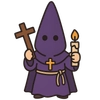
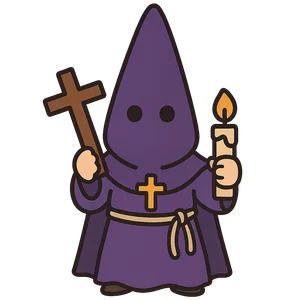
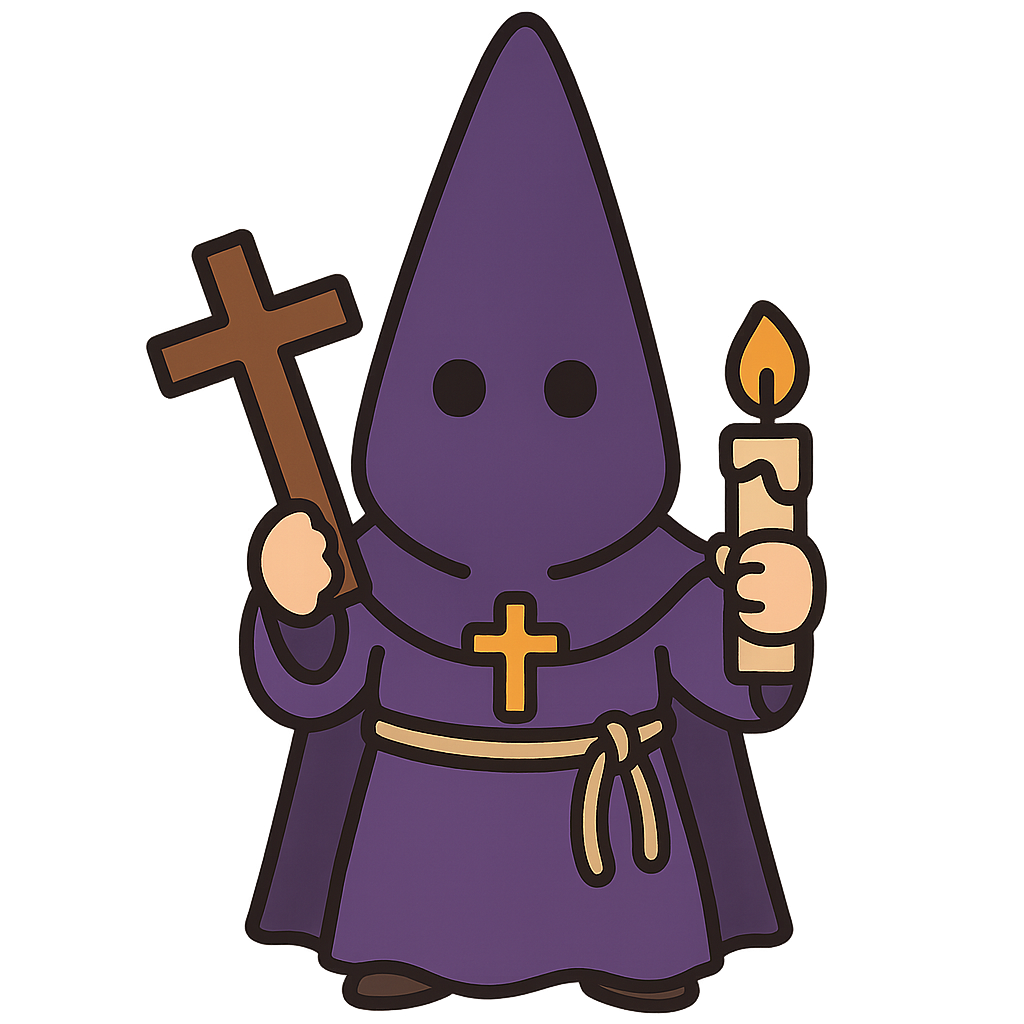
As the 'pasos' move through the streets, you will see many people walking with them. These people are called 'nazarenos.' They wear long robes that cover them from head to toe, and on their heads, they wear tall, pointed hoods that also cover their faces. These special hoods are called 'capirotes.' It might look a little mysterious, but there is a special reason for this clothing. The 'nazarenos' wear the 'capirotes' so that no one can see who they are. This way, everyone watching focuses on the meaning of the procession and the stories the 'pasos' tell, instead of looking at the individual people walking in the parade. It helps make the experience more about the religious story.
I Am Semana Santa
Hello, my name is Semana Santa. In the Spanish language, my name means “Holy Week.” I am a very important time for Christians who live in the country of Spain. People observe me each year during the week that comes just before the holiday of Easter. My purpose is to be a time of remembrance. During my seven days, Christians in Spain think about and remember the story of the last days of Jesus Christ’s life, which is a central part of their beliefs. It is a time for quiet reflection and shared community traditions that have been passed down for a very long time.
One of my most well-known traditions is the processions that take place in cities and towns all across Spain. These processions are like special parades, but they move very slowly and quietly through the streets. They are organized by groups of people called 'cofradías,' which are also known as brotherhoods. The members of these groups work together all year to prepare for my arrival. During the processions, they carry enormous, heavy floats on their shoulders. These floats are called 'pasos,' and they are works of art. On top of each 'paso,' there are carefully crafted statues that show different scenes from the story of Jesus’s final days.
As the 'pasos' move through the streets, you will see many people walking with them. These people are called 'nazarenos.' They wear long robes that cover them from head to toe, and on their heads, they wear tall, pointed hoods that also cover their faces. These special hoods are called 'capirotes.' It might look a little mysterious, but there is a special reason for this clothing. The 'nazarenos' wear the 'capirotes' so that no one can see who they are. This way, everyone watching focuses on the meaning of the procession and the stories the 'pasos' tell, instead of looking at the individual people walking in the parade. It helps make the experience more about the religious story.
My week is not just something to see; it is also filled with special sounds, smells, and tastes. As the processions make their way through the streets, you can often hear the sound of marching bands. They play music that is serious and thoughtful, matching the mood of the week. The air is sometimes filled with the sweet, smoky smell of incense, a special substance that is burned to create a fragrant smoke during ceremonies. And of course, there are special foods for people to enjoy. A very popular treat eaten during my week is called 'torrijas.' It is a sweet dish made from bread, milk, and eggs, and it is a bit like French toast. It is often sprinkled with delicious cinnamon and sugar.
So, when people in Spain observe me, they come together to share in these unique traditions. From the slow, beautiful processions with their artistic 'pasos' to the sight of the 'nazarenos' in their pointed hoods, my week is full of powerful sights and sounds. The serious music, the scent of incense, and the taste of sweet 'torrijas' all make this a memorable and important time for those who participate. I am a week for communities to remember and reflect together.
Wow facts
About
Semana Santa (Holy Week) is the week preceding Easter in the Christian calendar. In Spain, it is marked by elaborate and solemn public processions organized by religious brotherhoods, commemorating the Passion of Jesus Christ.
Take a Quiz
Question 1 of 4
Why do the 'nazarenos' wear hoods that cover their faces?
Want to do even more?
Go beyond exploring. Unlock tools that turn every story into real learning.

Storypie Plus for families
Full stories, quizzes, and printables. Nights and car rides, sorted.
- Unlimited audio stories
- Create Mode: your child stars in the story
- Offline downloads
- Printable worksheets & coloring pages

Why Storypie for Schools
Students engaged. Prep in seconds. Evenings back to you.
- Worksheets & Quizzes
- Classroom Management
- Formative Assessment
- Custom Curriculum & Lesson Plans
- 27 Languages

Why Storypie for Homeschool
Curriculum done. They'll ask for more. Hours back in your day.
- Worksheet Generator
- First-Person Audio Stories
- Built-in Comprehension Quizzes
- Custom Curriculum & Lesson Plans
- Print & Go Activities