English

Semana Santa - Spanish
Semana Santa (Holy Week) is the week preceding Easter in the Christian calendar.
Reads at Grades 6–8 Listens at Grades 4–8
Print & create
Answer keys·No prep·Free with an account
24 worksheets · answer keys · full story · quiz · Ages 10-12 · CEFR B2
Plus adds 279,000+ more stories in 27 languages, audio for every one, and printables for all of them.
Just want Semana Santa - Spanish?
I am Semana Santa, which in Spanish means “Holy Week.” My observance marks the final, most important week in the Christian season of Lent, which leads to the celebration of Easter. My seven days begin on Palm Sunday and conclude on Holy Saturday. During this time, people gather to remember the last days of Jesus Christ’s life. This story, known as the Passion, is at the very heart of my meaning and traditions.
While Christians have commemorated the events of the Passion for nearly two thousand years, my most famous public observances began to take shape much more recently. My roots as a large, public event are found in 16th-century Spain. During that period, the Catholic Church encouraged communities to create dramatic public displays and re-enactments. The goal was to teach religious stories to people in a powerful and visible way. This movement inspired the formation of special lay brotherhoods, or “cofradías,” which were groups of people who came together to organize the religious parades that have become my most recognizable feature.
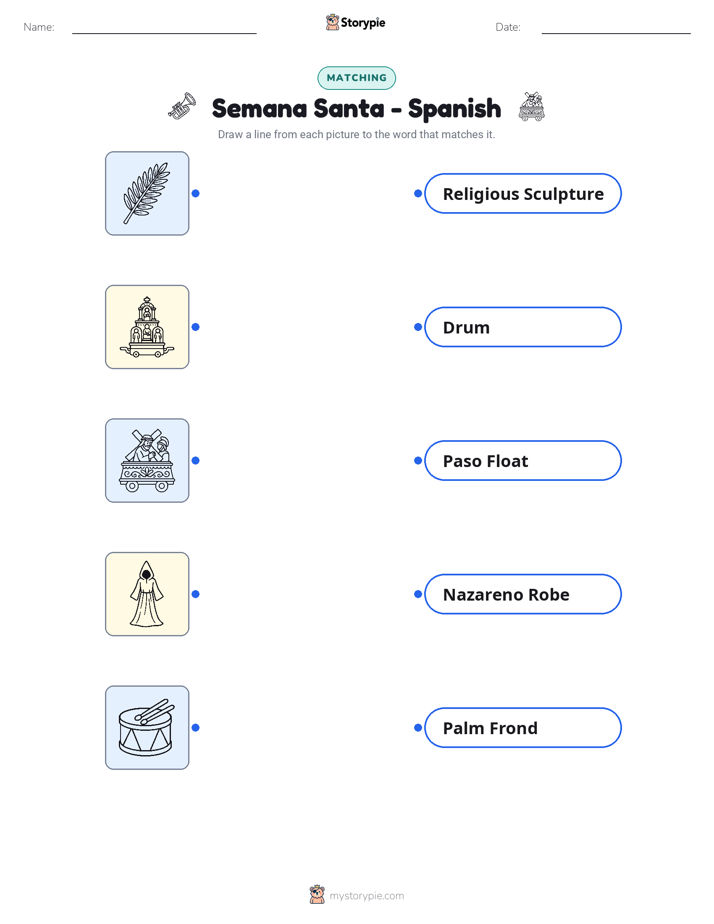
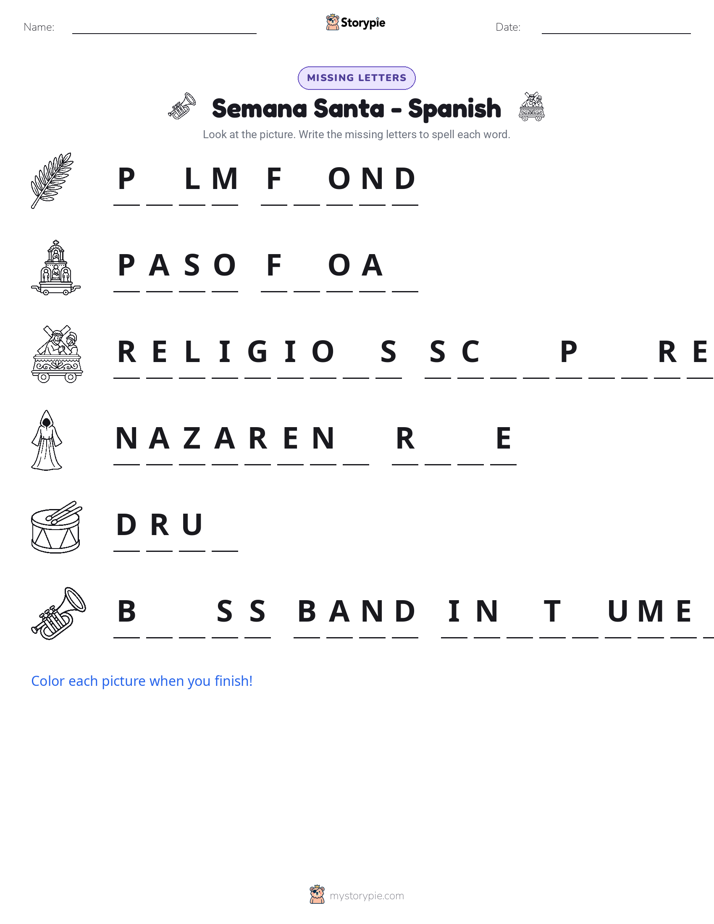
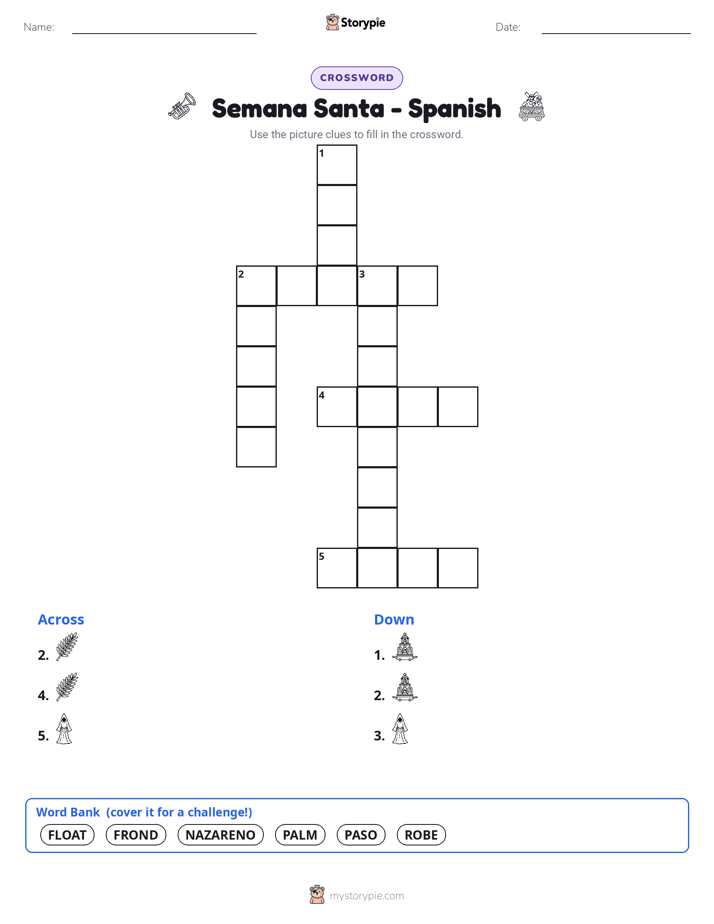
These cofradías are still central to my observance today. The heart of my traditions can be seen in the daily processions that they organize in cities and towns across Spain. In these processions, members of a cofradía parade solemnly through the streets, creating a unique and moving spectacle. The most important elements they carry are large, ornate floats called “pasos.” These are not simple platforms; they are magnificent works of art. Many pasos are hundreds of years old, crafted with incredible detail by skilled artisans. Atop each paso are sculptures that portray specific scenes from the story of the Passion, bringing the narrative to life for the crowds who watch.
Semana Santa: The Holy Week of Spain
I am Semana Santa, which in Spanish means “Holy Week.” My observance marks the final, most important week in the Christian season of Lent, which leads to the celebration of Easter. My seven days begin on Palm Sunday and conclude on Holy Saturday. During this time, people gather to remember the last days of Jesus Christ’s life. This story, known as the Passion, is at the very heart of my meaning and traditions.
While Christians have commemorated the events of the Passion for nearly two thousand years, my most famous public observances began to take shape much more recently. My roots as a large, public event are found in 16th-century Spain. During that period, the Catholic Church encouraged communities to create dramatic public displays and re-enactments. The goal was to teach religious stories to people in a powerful and visible way. This movement inspired the formation of special lay brotherhoods, or “cofradías,” which were groups of people who came together to organize the religious parades that have become my most recognizable feature.
These cofradías are still central to my observance today. The heart of my traditions can be seen in the daily processions that they organize in cities and towns across Spain. In these processions, members of a cofradía parade solemnly through the streets, creating a unique and moving spectacle. The most important elements they carry are large, ornate floats called “pasos.” These are not simple platforms; they are magnificent works of art. Many pasos are hundreds of years old, crafted with incredible detail by skilled artisans. Atop each paso are sculptures that portray specific scenes from the story of the Passion, bringing the narrative to life for the crowds who watch.
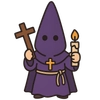
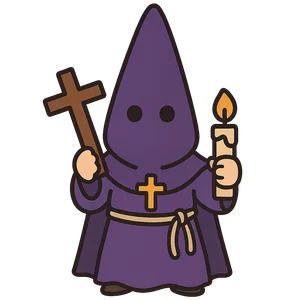
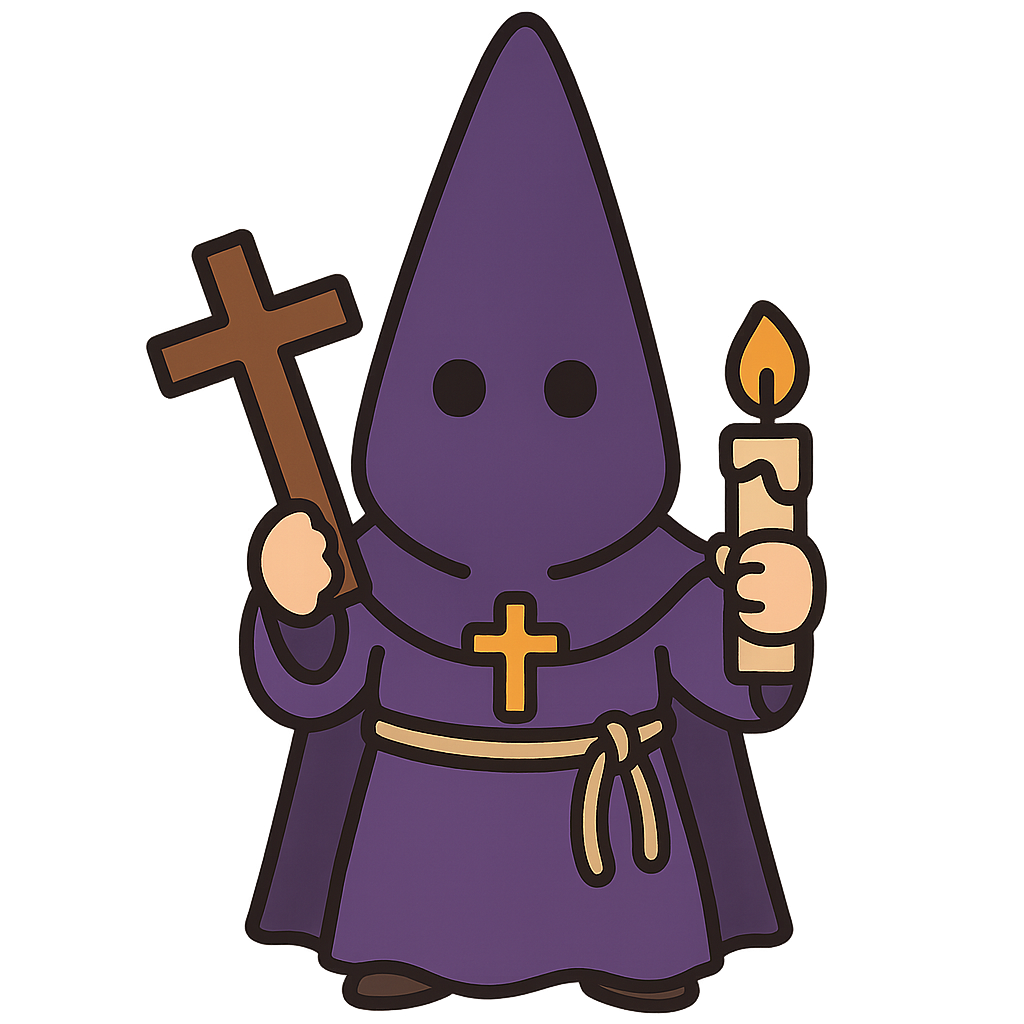
Among the people in my processions, one group stands out because of their distinctive clothing: the “nazarenos.” These are the members of the cofradías, and their appearance is a powerful symbol. They walk in silence, dressed in long, flowing robes. Their faces are completely hidden by cone-shaped hoods known as “capirotes.” This traditional costume is not meant to be frightening; it is a symbol of penance and mourning. By covering their faces, the nazarenos can participate in this solemn act of remembrance and devotion in a humble way, without being recognized individually. Their silent, anonymous presence contributes to the deeply reflective atmosphere of the procession.
My processions are not meant to be cheerful or festive parades. They are designed to create a very solemn and contemplative atmosphere. The soundscape is often minimalist and emotional. Instead of loud, upbeat music, the only sounds might be the slow, rhythmic beat of a single drum marking the pace of the marchers, or the mournful, sorrowful music played by a brass band. The air itself becomes part of the experience. It fills with the distinct and powerful smells of incense, burned in ornate metal containers called censers that are swung by participants, and the scent of melting wax from the thousands of tall candles carried by the nazarenos as they walk the procession route, often late into the night.
Today, I remain one of the most important cultural and religious events in Spain. My traditions are observed with particular intensity in the southern region of Andalusia, especially in historic cities like Seville and Málaga, where the processions are famous around the world. While my observances are deeply rooted in religious history and meaning for many participants, they have also become a significant cultural phenomenon. They attract many visitors from all over who come to witness the unique and powerful combination of art, music, and community spirit. The traditions of the cofradías, the care for the ancient pasos, and the solemnity of the processions are all passed down from parents to children. This makes me more than just a memory of the past; I am a living part of history that continues to unfold each year.
Wow facts
About
Semana Santa (Holy Week) is the week preceding Easter in the Christian calendar. In Spain, it is marked by elaborate and solemn public processions organized by religious brotherhoods, commemorating the Passion of Jesus Christ.
Take a Quiz
Question 1 of 5
In your own words, describe the atmosphere of a Semana Santa procession as explained in the story.
Want to do even more?
Go beyond exploring. Unlock tools that turn every story into real learning.

Storypie Plus for families
Full stories, quizzes, and printables. Nights and car rides, sorted.
- Unlimited audio stories
- Create Mode: your child stars in the story
- Offline downloads
- Printable worksheets & coloring pages

Why Storypie for Schools
Students engaged. Prep in seconds. Evenings back to you.
- Worksheets & Quizzes
- Classroom Management
- Formative Assessment
- Custom Curriculum & Lesson Plans
- 27 Languages

Why Storypie for Homeschool
Curriculum done. They'll ask for more. Hours back in your day.
- Worksheet Generator
- First-Person Audio Stories
- Built-in Comprehension Quizzes
- Custom Curriculum & Lesson Plans
- Print & Go Activities