English

Sint-Maarten - Dutch
A Dutch festival celebrated on November 11th, where children go door-to-door with handmade lanterns…
Reads at Grades 6–8 Listens at Grades 4–8
Print & create
Answer keys·No prep·Free with an account
28 worksheets · answer keys · full story · quiz · Ages 10-12 · CEFR B2
Plus adds 279,000+ more stories in 27 languages, audio for every one, and printables for all of them.
Just want Sint-Maarten - Dutch?
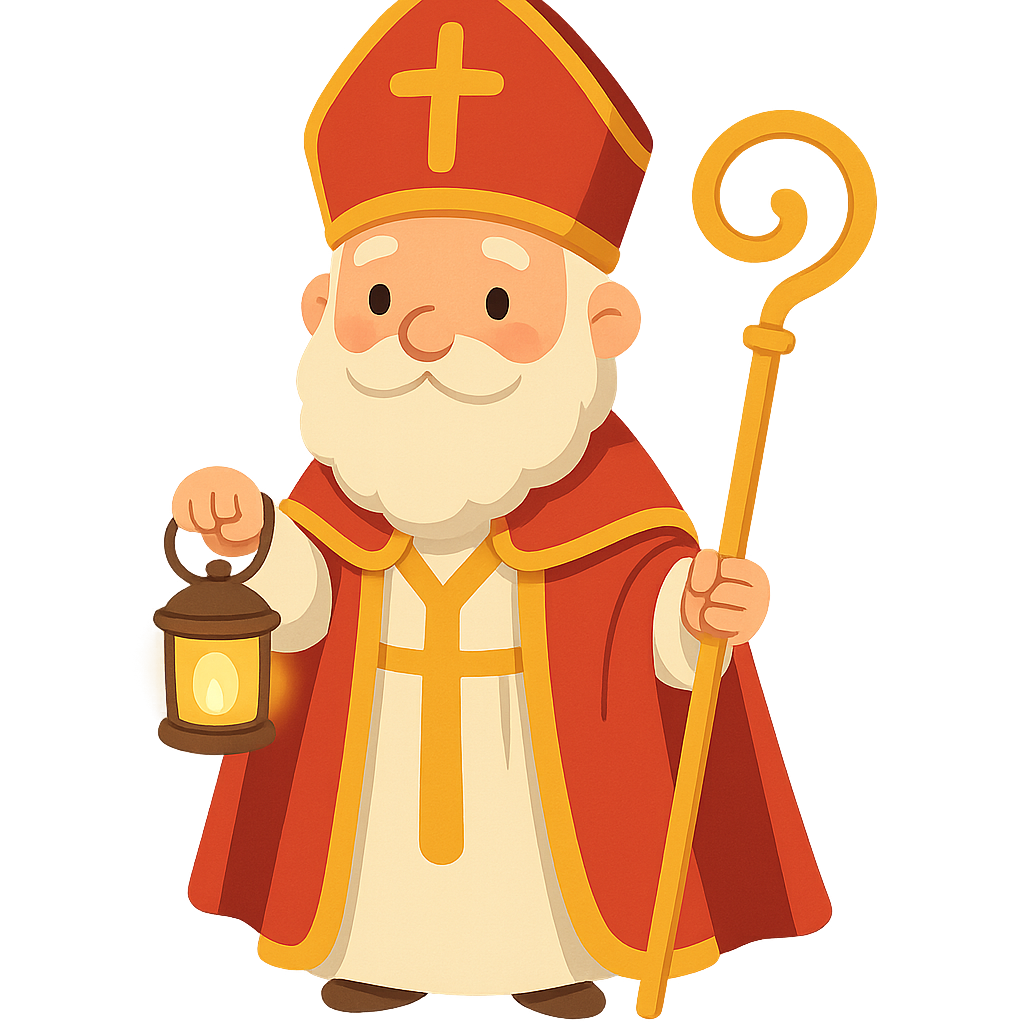
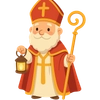
I am the festival of Sint-Maarten, celebrated each year on the 11th of November. People observe me primarily in the Netherlands, but my traditions are also found in other parts of Europe. My purpose is to honor the memory of a man named Martin of Tours, who lived during the 4th century. He began his life as a Roman soldier but later became a bishop, a leader in the Christian church. The story that defines him, and in turn shapes my traditions, is one of great compassion. According to the legend, on a bitterly cold day, Martin encountered a person freezing by the city gates. Seeing the person's need, he took his own thick military cloak, cut it in two with his sword, and gave half to the stranger. This single act of sharing and kindness has echoed through the centuries. My central themes are generosity and the act of bringing light to others, directly inspired by this famous story of Saint Martin's compassion.
While I honor a 4th-century figure, my own history as an observance took shape much later, during the Middle Ages. My date, November 11th, was not chosen randomly; it held deep significance in the agricultural calendar of the time. This day marked the conclusion of the harvest season. It was the time when all the crops were gathered and stored, and when livestock were brought in from the open fields to be sheltered through the winter. It was a natural moment for communities to come together. Furthermore, my date fell just before the beginning of a traditional 40-day fasting period that led up to Christmas. To prepare for this solemn time of fasting, people held a large feast on November 11th. It was a final day of abundance before a period of restraint. Because of this timing, I became associated with feasting, community gatherings, and celebration at the threshold of winter's quiet and darkness.
Sint-Maarten - Dutch
I am the festival of Sint-Maarten, celebrated each year on the 11th of November. People observe me primarily in the Netherlands, but my traditions are also found in other parts of Europe. My purpose is to honor the memory of a man named Martin of Tours, who lived during the 4th century. He began his life as a Roman soldier but later became a bishop, a leader in the Christian church. The story that defines him, and in turn shapes my traditions, is one of great compassion. According to the legend, on a bitterly cold day, Martin encountered a person freezing by the city gates. Seeing the person's need, he took his own thick military cloak, cut it in two with his sword, and gave half to the stranger. This single act of sharing and kindness has echoed through the centuries. My central themes are generosity and the act of bringing light to others, directly inspired by this famous story of Saint Martin's compassion.
While I honor a 4th-century figure, my own history as an observance took shape much later, during the Middle Ages. My date, November 11th, was not chosen randomly; it held deep significance in the agricultural calendar of the time. This day marked the conclusion of the harvest season. It was the time when all the crops were gathered and stored, and when livestock were brought in from the open fields to be sheltered through the winter. It was a natural moment for communities to come together. Furthermore, my date fell just before the beginning of a traditional 40-day fasting period that led up to Christmas. To prepare for this solemn time of fasting, people held a large feast on November 11th. It was a final day of abundance before a period of restraint. Because of this timing, I became associated with feasting, community gatherings, and celebration at the threshold of winter's quiet and darkness.
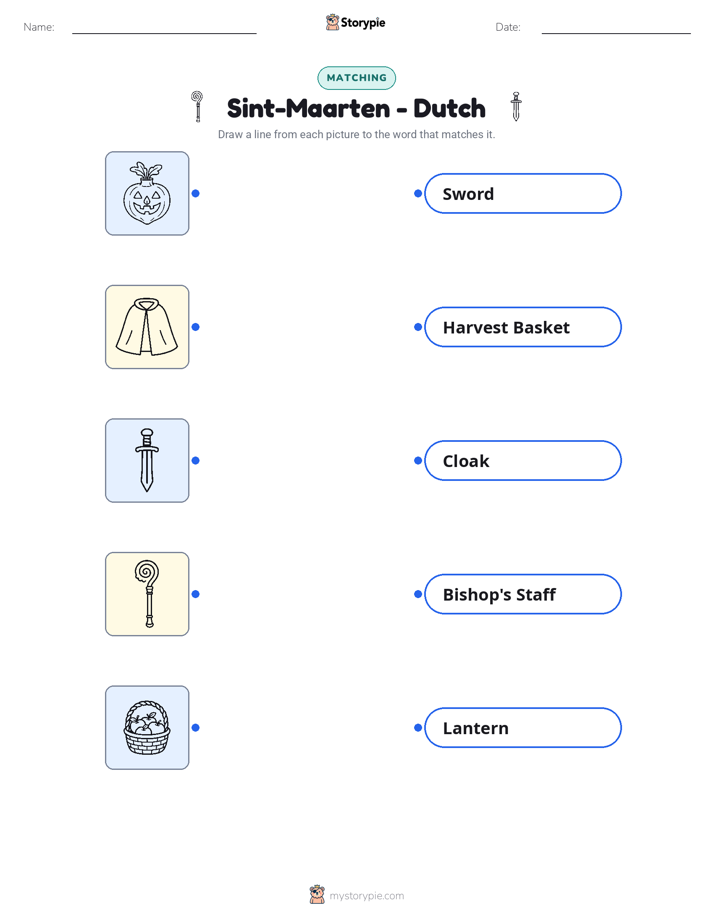
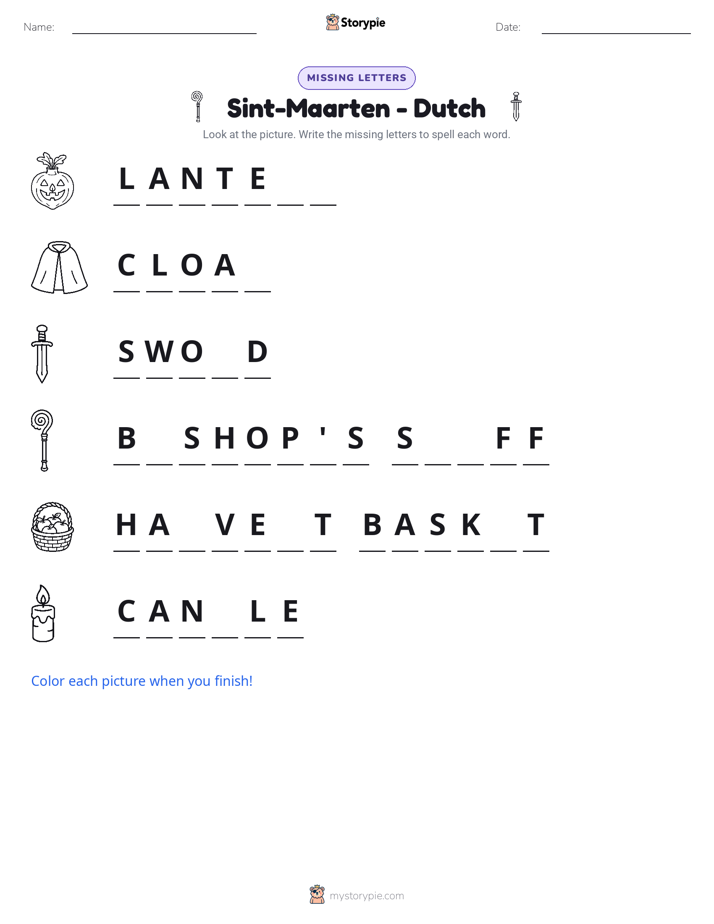
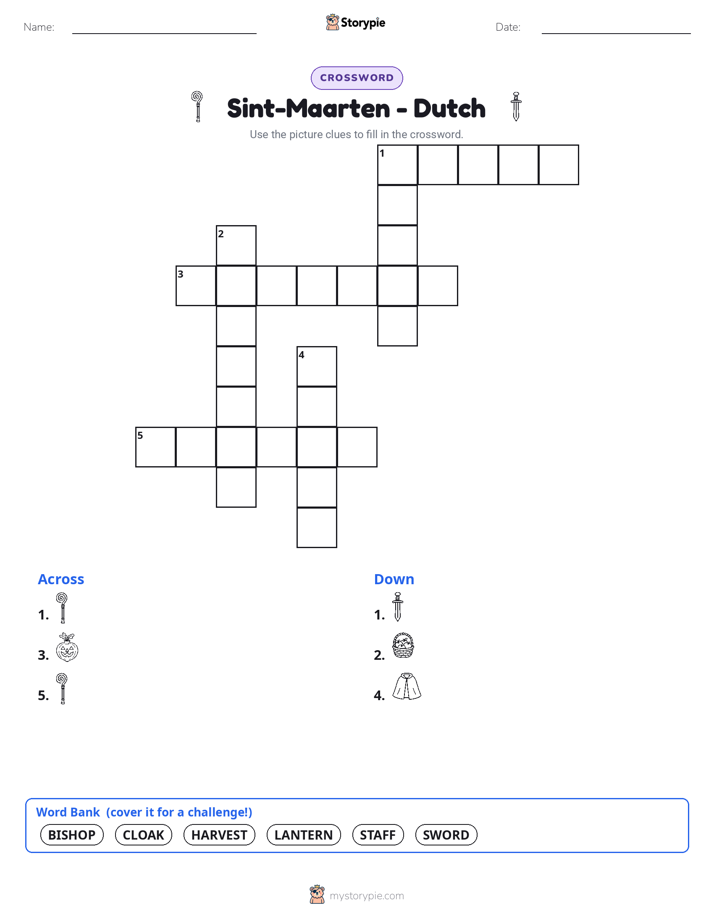
The most recognizable of my traditions is the lantern parade that takes place after the sun sets. Children walk through the streets of their towns and neighborhoods, carrying lights. This procession is a powerful symbol, representing the idea of bringing light into the encroaching darkness of late autumn and the coming winter. It connects directly back to the story of Saint Martin, whose act of kindness was a metaphorical light in a moment of cold and despair. The lanterns themselves have changed over the centuries. In the past, people carved them from hardy root vegetables like turnips or large sugar beets. They would hollow out the inside and place a small candle within to make it glow. While these traditional lanterns are sometimes still made, it is now more common for children to craft their own unique lanterns from colorful paper. At school or at home, they design and build these creations, which are now lit safely with small battery-powered electric lights instead of open flames.
Music is another essential part of my observance. The lantern parades are not silent processions. As the children walk from house to house, carrying their glowing lights, they fill the evening air with song. They sing special songs that are unique to my celebration, passed down through generations. Many of these songs tell the story of Saint Martin and his famous act of sharing his cloak. Others are simpler, more playful tunes—a cheerful announcement of their arrival and a polite request for a treat. This tradition is a central part of how families experience my celebration. In return for their performance, neighbors open their doors and reward the young singers. They might give out candy, fruit like a mandarin orange, or sometimes a small toy. It is an exchange that reinforces community bonds, where a song is offered and a gift is given in return.
I am not observed in the exact same way everywhere in the Netherlands; my customs have regional variations that show how I have adapted over time. My traditions are most vibrant and widely practiced in the northern provinces of the country, including places like Groningen, Friesland, and North Holland. In these regions, the door-to-door singing and lantern parades are a major community event. In some areas, an older custom involved lighting large bonfires, which were known as 'Sint-Maartensvuren,' or Saint Martin's fires. These fires would have been another powerful symbol of light and warmth against the November chill, bringing the community together in a public space. Today, however, this bonfire tradition is much less common than it once was. These local differences demonstrate how a single festival can develop a unique character in different places, shaped by local history and changing customs.
In modern times, my identity has continued to evolve. While my historical religious and agricultural meanings are still present, they are not always the primary focus for many participants. I am now mainly a festival for children, and the emphasis is on community spirit, creativity, and the simple joy of sharing. The core ideas that have been with me for centuries—generosity and light—remain at the heart of the celebration. For many Dutch families, my arrival in November is a cherished annual tradition. The act of making lanterns together, practicing the special songs, walking through the neighborhood after dark with friends, and sharing treats with neighbors continues to be a meaningful and beloved part of the autumn season, connecting the present day to a long history of community and kindness.
Wow facts
About
A Dutch festival celebrated on November 11th, where children go door-to-door with handmade lanterns, sing songs, and receive treats. The holiday honors Saint Martin of Tours and symbolizes sharing light and kindness.
Take a Quiz
Question 1 of 5
The story mentions lanterns symbolize 'bringing light into the darkness.' In the context of the festival's timing, what does the 'darkness' most likely represent?
Want to do even more?
Go beyond exploring. Unlock tools that turn every story into real learning.

Storypie Plus for families
Full stories, quizzes, and printables. Nights and car rides, sorted.
- Unlimited audio stories
- Create Mode: your child stars in the story
- Offline downloads
- Printable worksheets & coloring pages

Why Storypie for Schools
Students engaged. Prep in seconds. Evenings back to you.
- Worksheets & Quizzes
- Classroom Management
- Formative Assessment
- Custom Curriculum & Lesson Plans
- 27 Languages

Why Storypie for Homeschool
Curriculum done. They'll ask for more. Hours back in your day.
- Worksheet Generator
- First-Person Audio Stories
- Built-in Comprehension Quizzes
- Custom Curriculum & Lesson Plans
- Print & Go Activities