English

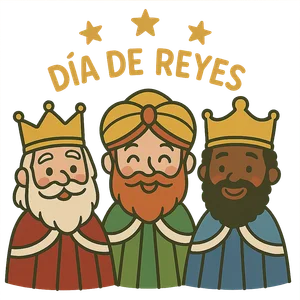
Three Kings' Day - Spanish
A Christian holiday celebrated in Spain on January 6th…
Reads at Grades 6–8 Listens at Grades 4–8
Print & create
Answer keys·No prep·Free with an account
28 worksheets · answer keys · full story · quiz · Ages 10-12 · CEFR B2
Plus adds 279,000+ more stories in 27 languages, audio for every one, and printables for all of them.
Just want Three Kings' Day - Spanish?
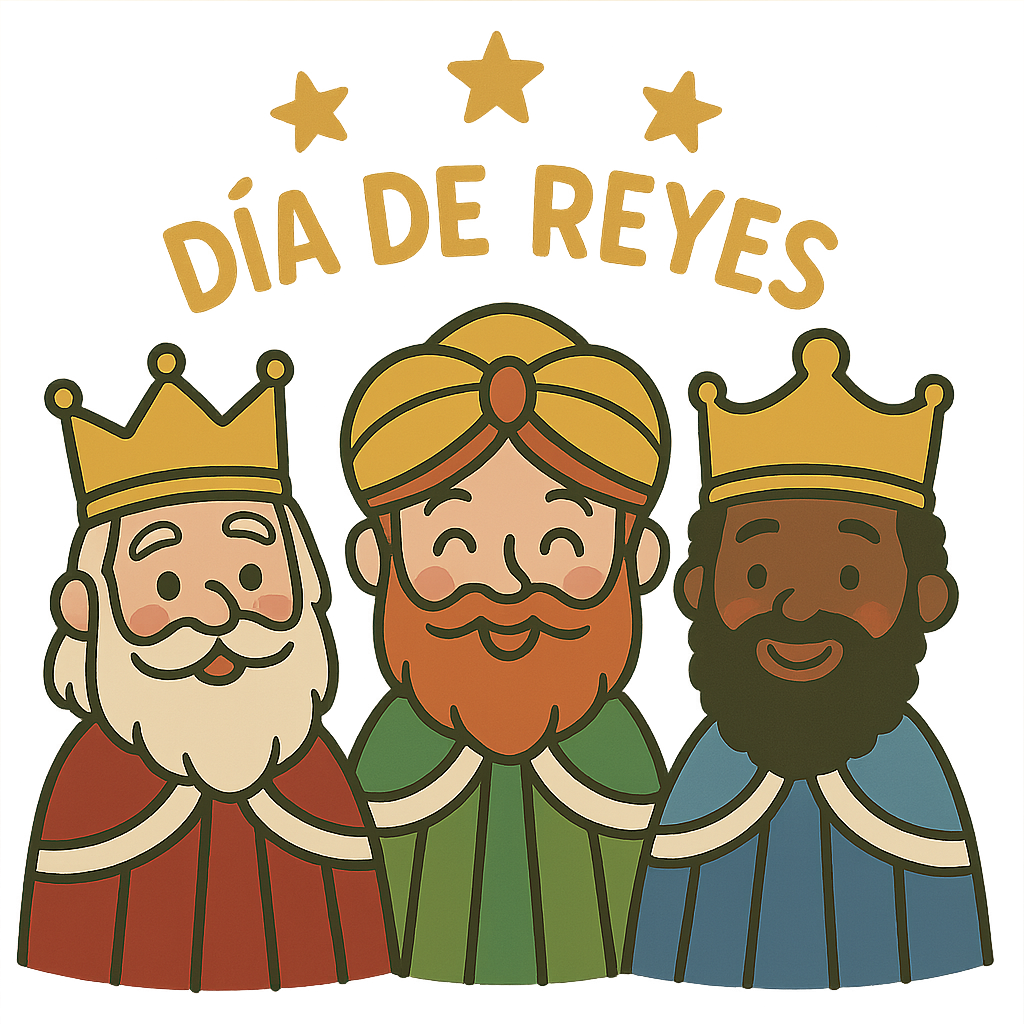
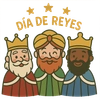
I am Día de los Reyes Magos, a name that means Day of the Magi Kings in Spanish. In English, I am often called Three Kings' Day. People observe me each year on a fixed date, January 6th, to mark the Christian feast of the Epiphany. This is a day set aside to honor a story central to the Christmas narrative: the visit of three wise men, also known as the Magi, to the infant Jesus. My observance is a blend of solemn religious meaning and joyful cultural traditions that have grown over a very long time.
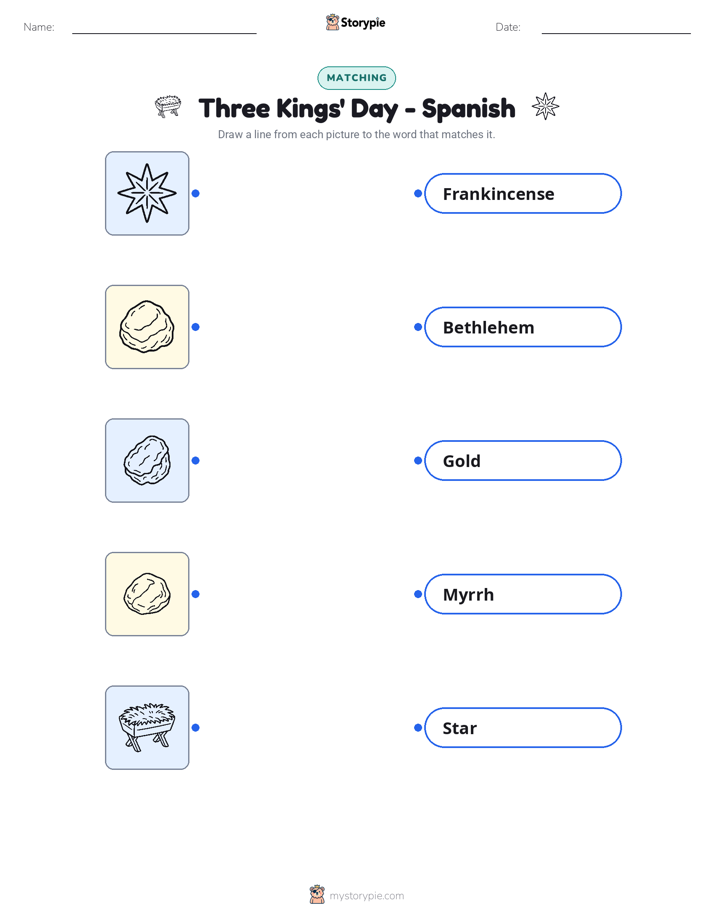
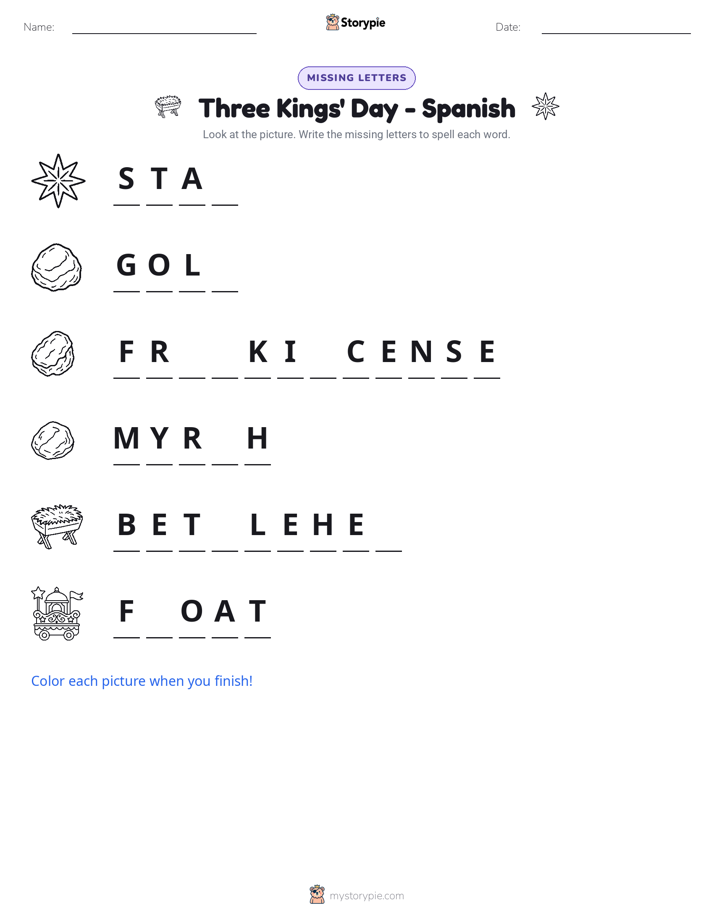
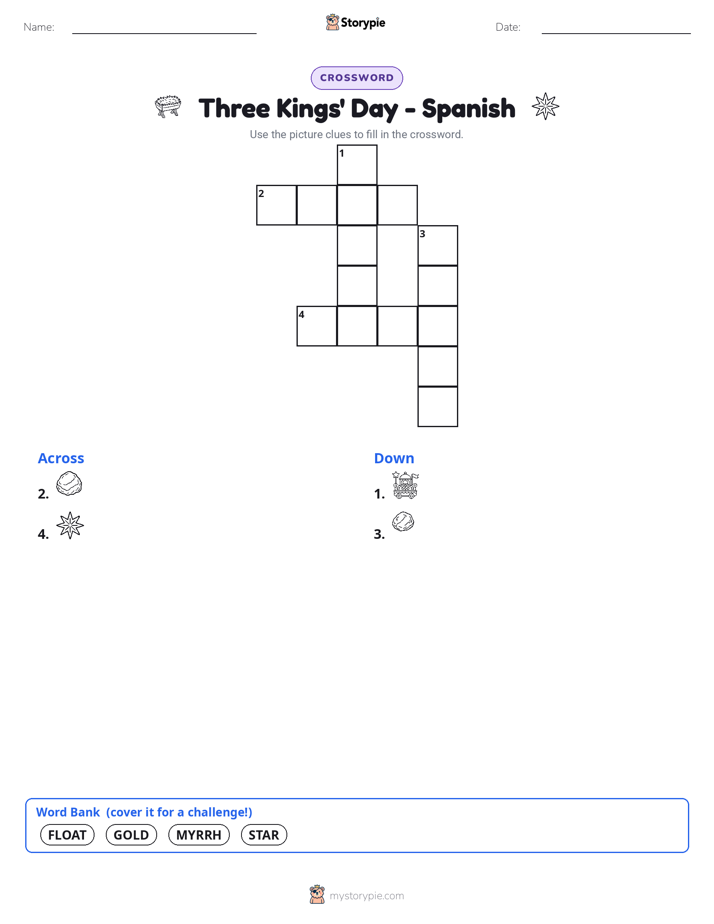
My origins are tied to a specific account in the Bible, found in the Gospel of Matthew. According to this text, a group of learned men from the East saw a brilliant new star in the sky and understood it to be a sign of the birth of a new king. They followed this star on a long journey that eventually led them to Bethlehem. There, they found the infant Jesus and presented him with three symbolic and valuable gifts: gold, frankincense, and myrrh. This story of a long-awaited journey and reverent gift-giving forms the very foundation of my traditions. The Epiphany itself is an important moment in the Christian calendar, representing the manifestation of Jesus to the world.
While the story I commemorate is ancient, my specific identity as a major gift-giving holiday took many centuries to develop. The earliest Christian communities remembered the Epiphany, but the elaborate customs that people associate with me today, particularly in Spain, are much more recent. The tradition of the Three Kings bringing gifts to children, mirroring the gifts they brought to Jesus, became especially popular and widespread during the 19th century. It was during this period that I evolved into a grand celebration, becoming the primary day for exchanging presents within the Christmas season for many Spanish families, a role that continues to this day.
Three Kings' Day - Spanish
I am Día de los Reyes Magos, a name that means Day of the Magi Kings in Spanish. In English, I am often called Three Kings' Day. People observe me each year on a fixed date, January 6th, to mark the Christian feast of the Epiphany. This is a day set aside to honor a story central to the Christmas narrative: the visit of three wise men, also known as the Magi, to the infant Jesus. My observance is a blend of solemn religious meaning and joyful cultural traditions that have grown over a very long time.
My origins are tied to a specific account in the Bible, found in the Gospel of Matthew. According to this text, a group of learned men from the East saw a brilliant new star in the sky and understood it to be a sign of the birth of a new king. They followed this star on a long journey that eventually led them to Bethlehem. There, they found the infant Jesus and presented him with three symbolic and valuable gifts: gold, frankincense, and myrrh. This story of a long-awaited journey and reverent gift-giving forms the very foundation of my traditions. The Epiphany itself is an important moment in the Christian calendar, representing the manifestation of Jesus to the world.
While the story I commemorate is ancient, my specific identity as a major gift-giving holiday took many centuries to develop. The earliest Christian communities remembered the Epiphany, but the elaborate customs that people associate with me today, particularly in Spain, are much more recent. The tradition of the Three Kings bringing gifts to children, mirroring the gifts they brought to Jesus, became especially popular and widespread during the 19th century. It was during this period that I evolved into a grand celebration, becoming the primary day for exchanging presents within the Christmas season for many Spanish families, a role that continues to this day.
My celebrations begin with great excitement on the evening of January 5th. In cities and towns across Spain, huge public parades called Cabalgatas de Reyes Magos take place. These are spectacular events that draw large crowds of families. The main attraction is the Three Kings themselves, whose traditional names are Melchior, Caspar, and Balthazar. They ride through the streets on elaborate, brightly decorated floats, waving to everyone. Often, they are accompanied by pages and other performers who toss candies into the crowd for the children eagerly waiting below. The atmosphere is festive and full of anticipation for the magical night to come.
After the parades, the excitement continues at home with quiet family rituals. Before going to bed, children prepare for the Kings' arrival. One of my most cherished customs is for children to carefully clean and polish a pair of their shoes. They then leave the shoes in a place where the Kings are sure to see them, such as by the fireplace, a window, or the front door. The hope is that during the night, as the Kings pass by, they will fill the polished shoes with gifts. This tradition connects the children directly to the story of the Magi, making them part of the night's magical events.
To show their gratitude, children also leave out refreshments for their special nighttime visitors. They might set out a plate of traditional sweets, such as turrón, or other snacks for the Kings, who have traveled a very long way. They also remember the Kings' loyal companions. It is a common practice to leave out water and straw or hay for the tired and thirsty camels that are said to carry the Kings and their sacks of presents. These gestures of hospitality are a sweet and thoughtful part of the evening, turning homes into welcoming rest stops on the Kings' annual journey.
On the morning of January 6th, the waiting is finally over. Children wake up early, filled with excitement, and rush to see what the Three Kings have left for them. If they have been good throughout the year, they find their shoes and the space around them filled with the presents they had hoped for. This moment of discovery is the joyful high point of my celebration for many families. It is a time of happiness and play, as children unwrap their new toys and gifts, filling their homes with delight and marking the culmination of the holiday season.
Later in the day, families gather to share a special holiday cake called the Roscón de Reyes. This is a sweet, ring-shaped bread, often decorated with candied fruits that look like jewels on a crown. Hidden inside the cake are two small surprises: a tiny figurine, often of a king, and a dry fava bean. Finding the figurine is considered good luck, and whoever gets it in their slice is crowned the “king” or “queen” of the celebration for the day. According to tradition, the person who finds the bean has to pay for the next year’s roscón. This custom adds an element of fun and friendly competition to the family meal.
Today, I continue to be a beloved and important holiday. For many people in Spain, my arrival on January 6th marks the true festive finale of the Christmas season. I represent the end of the holiday period, bringing it to a close with a final burst of gift-giving, family gatherings, and joyful traditions. From the grand public parades to the quiet customs at home, my observances bring a story from thousands of years ago into the present, connecting generations through shared moments of wonder and celebration.
Wow facts
About
A Christian holiday celebrated in Spain on January 6th, commemorating the visit of the Three Kings (Magi) to the baby Jesus with gifts, parades, and special foods.
Take a Quiz
Question 1 of 5
The story mentions that the *Cabalgatas de Reyes Magos* are 'large public parades.' What does the word 'public' tell you about these events?
Want to do even more?
Go beyond exploring. Unlock tools that turn every story into real learning.

Storypie Plus for families
Full stories, quizzes, and printables. Nights and car rides, sorted.
- Unlimited audio stories
- Create Mode: your child stars in the story
- Offline downloads
- Printable worksheets & coloring pages

Why Storypie for Schools
Students engaged. Prep in seconds. Evenings back to you.
- Worksheets & Quizzes
- Classroom Management
- Formative Assessment
- Custom Curriculum & Lesson Plans
- 27 Languages

Why Storypie for Homeschool
Curriculum done. They'll ask for more. Hours back in your day.
- Worksheet Generator
- First-Person Audio Stories
- Built-in Comprehension Quizzes
- Custom Curriculum & Lesson Plans
- Print & Go Activities