English

Yennayer - Amazigh
Yennayer is the Amazigh (Berber) New Year, celebrated annually, typically around January 12th…
Reads at Grades K-2 Listens at K–3
Print & create
Answer keys·No prep·Free with an account
28 worksheets · answer keys · full story · quiz · Ages 6-8 · CEFR A2
Plus adds 279,000+ more stories in 27 languages, audio for every one, and printables for all of them.
Just want Yennayer - Amazigh?

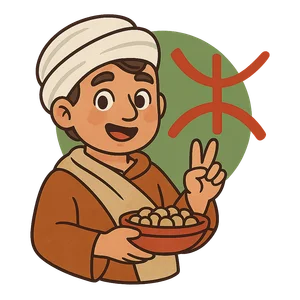
Hello, my name is Yennayer. I am the New Year for the Amazigh people, who are sometimes also called Berbers. For many centuries, they have welcomed me as a special time of year in their homelands across North Africa. My arrival marks the beginning of the agricultural year. This is the farming calendar that guides when to plant and care for crops. So, when people celebrate me, they are celebrating a fresh start for the land they live on. I represent a time for new beginnings, a chance to look forward to a good harvest and a happy year for everyone.
People observe me in the middle of January, right in the heart of winter. The air might still be chilly, but my celebration is a warm and hopeful one. People see my arrival as a promise that the coldest, darkest part of winter is coming to an end. It’s a moment to feel cheerful and think about the brighter days ahead. My celebration encourages everyone to look forward to the coming spring and the start of the growing season. It is a beautiful reminder that the earth is about to wake up from its long winter rest, ready to bring forth new life.
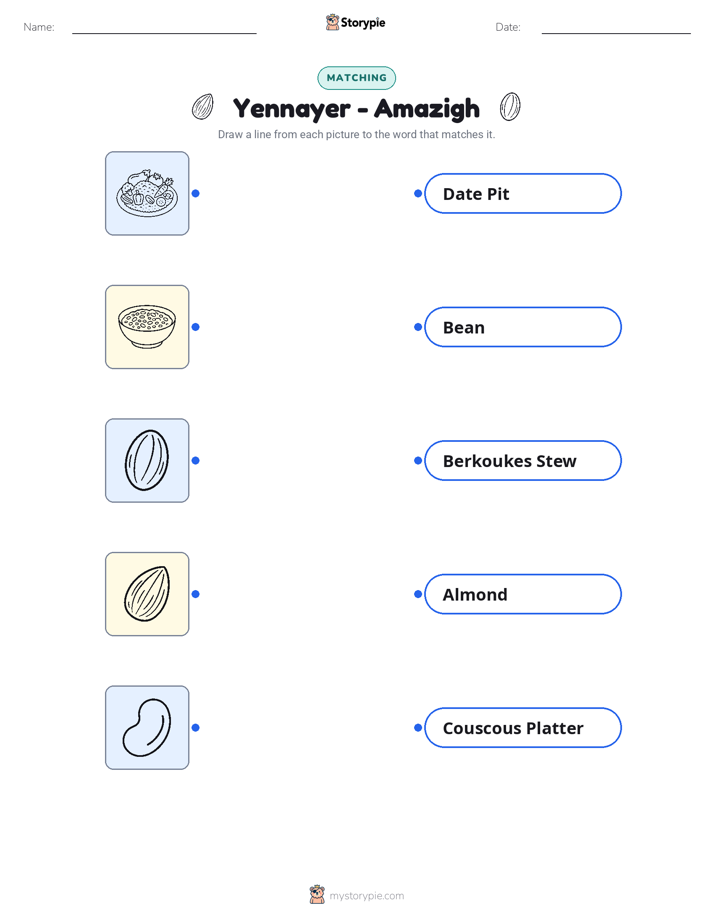
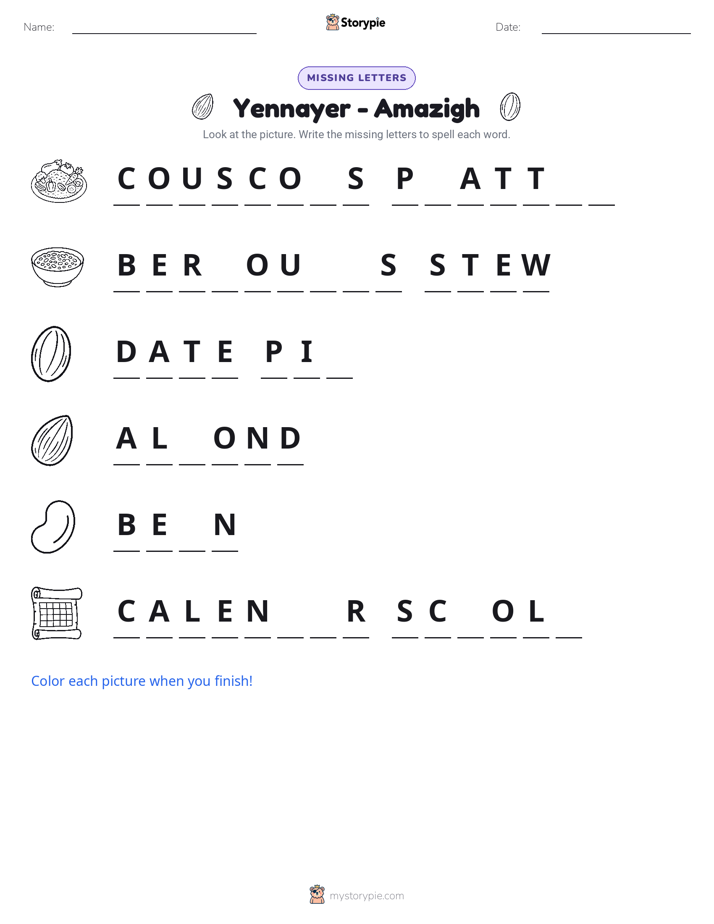
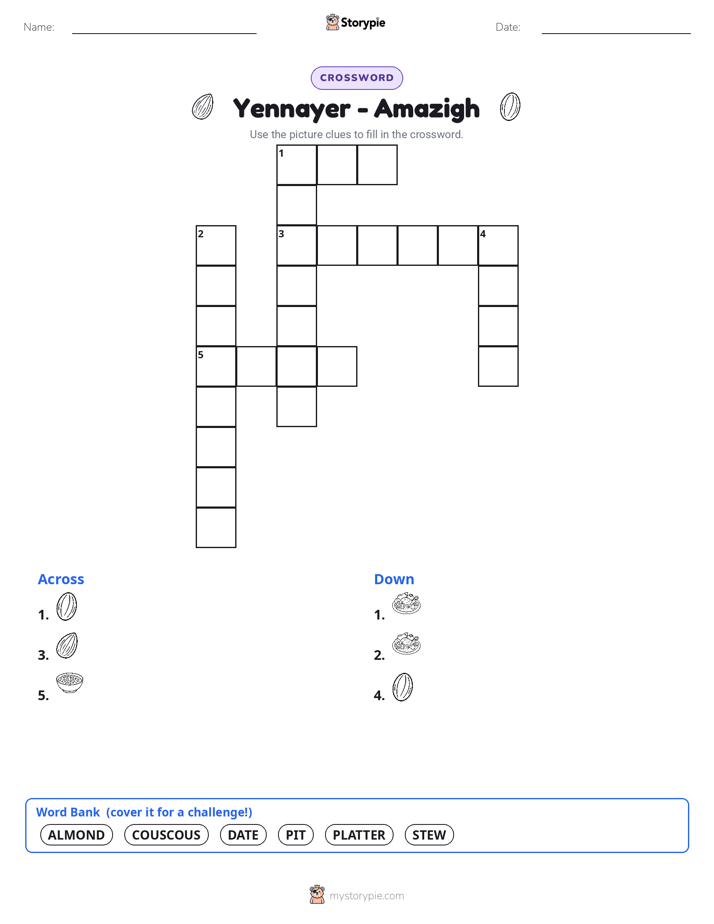
Food is a very important part of my traditions. To celebrate me, families and friends gather to share wonderful meals. A favorite dish is couscous, which is often prepared with seven different vegetables. The number seven is special and represents good fortune. Another traditional food is a thick porridge called tagola, which is warming and filling. Eating these rich and plentiful foods together is more than just a meal. It is a way for people to express their wishes for a prosperous new year. It’s a hope that the coming year will be just as full and abundant as the food on their plates.
Yennayer, the Amazigh New Year
Hello, my name is Yennayer. I am the New Year for the Amazigh people, who are sometimes also called Berbers. For many centuries, they have welcomed me as a special time of year in their homelands across North Africa. My arrival marks the beginning of the agricultural year. This is the farming calendar that guides when to plant and care for crops. So, when people celebrate me, they are celebrating a fresh start for the land they live on. I represent a time for new beginnings, a chance to look forward to a good harvest and a happy year for everyone.
People observe me in the middle of January, right in the heart of winter. The air might still be chilly, but my celebration is a warm and hopeful one. People see my arrival as a promise that the coldest, darkest part of winter is coming to an end. It’s a moment to feel cheerful and think about the brighter days ahead. My celebration encourages everyone to look forward to the coming spring and the start of the growing season. It is a beautiful reminder that the earth is about to wake up from its long winter rest, ready to bring forth new life.
Food is a very important part of my traditions. To celebrate me, families and friends gather to share wonderful meals. A favorite dish is couscous, which is often prepared with seven different vegetables. The number seven is special and represents good fortune. Another traditional food is a thick porridge called tagola, which is warming and filling. Eating these rich and plentiful foods together is more than just a meal. It is a way for people to express their wishes for a prosperous new year. It’s a hope that the coming year will be just as full and abundant as the food on their plates.
My story is connected to a very long and important history. To count the years, many Amazigh people today use a special calendar that begins in the year 950 BCE. That date was chosen because it marks a significant moment in Amazigh history. It was the year that an Amazigh king, named Shoshenq I, rose to become the pharaoh, or ruler, of ancient Egypt. This was a great achievement. By starting the calendar from that point, my celebration is linked to a deep and proud past. It is a way of honoring the long and rich heritage of the Amazigh people.
Today, people celebrate me with great joy and excitement. It is a time for families to come together, share stories, and enjoy each other's company. For children, it can be an extra special day. Some traditions include giving a child their very first haircut during my celebration, which is a big milestone. Others might receive new clothes to wear for the new year. All around, you can hear people wishing each other 'Asggas Amaynu!' This means 'Happy New Year' in the Amazigh language. In several countries, I am now recognized as an official public holiday, so that everyone has the day to celebrate. It’s a wonderful way to honor culture and welcome a new year of hope.
Wow facts
About
Yennayer is the Amazigh (Berber) New Year, celebrated annually, typically around January 12th, but the exact date can vary, with some regions observing it on January 13th or 14th across North Africa. It marks the beginning of the agrarian year according to the Julian calendar and is a celebration of Amazigh culture and heritage.
Take a Quiz
Question 1 of 4
Why do people eat rich foods like couscous with seven vegetables during Yennayer?
Want to do even more?
Go beyond exploring. Unlock tools that turn every story into real learning.

Storypie Plus for families
Full stories, quizzes, and printables. Nights and car rides, sorted.
- Unlimited audio stories
- Create Mode: your child stars in the story
- Offline downloads
- Printable worksheets & coloring pages

Why Storypie for Schools
Students engaged. Prep in seconds. Evenings back to you.
- Worksheets & Quizzes
- Classroom Management
- Formative Assessment
- Custom Curriculum & Lesson Plans
- 27 Languages

Why Storypie for Homeschool
Curriculum done. They'll ask for more. Hours back in your day.
- Worksheet Generator
- First-Person Audio Stories
- Built-in Comprehension Quizzes
- Custom Curriculum & Lesson Plans
- Print & Go Activities