English

Yom Kippur
Yom Kippur, the Day of Atonement, is the holiest day of the year in Judaism.
Reads at Grades 3–5 Listens at Grades 1–5
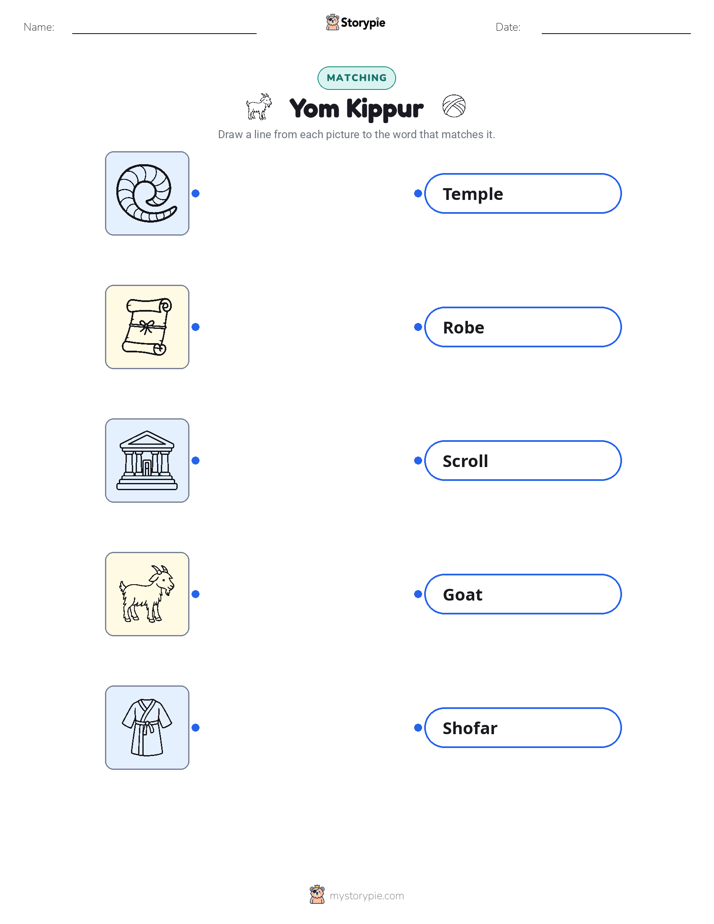
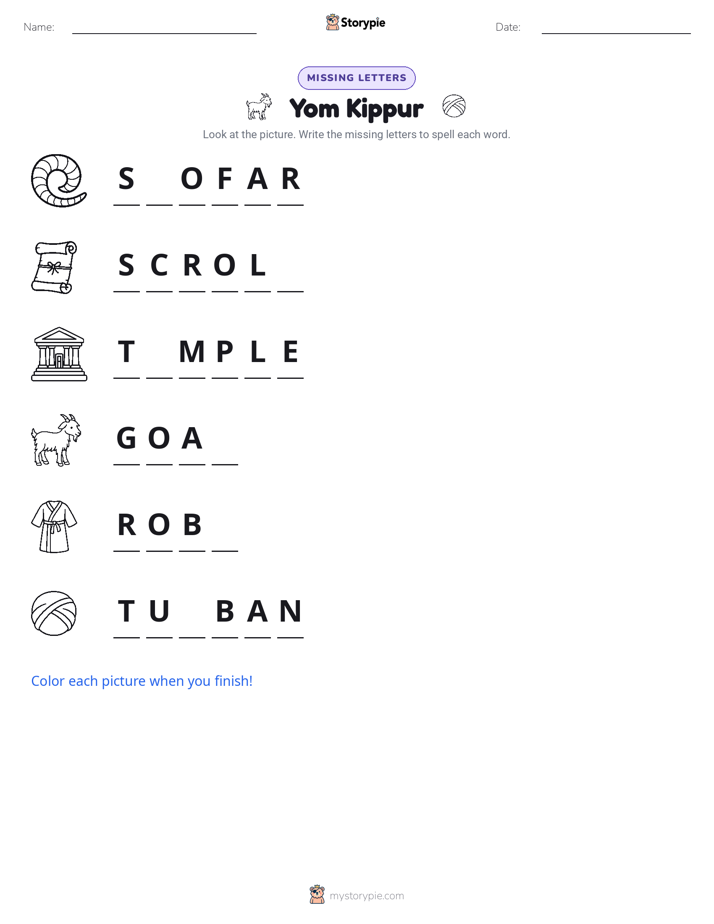
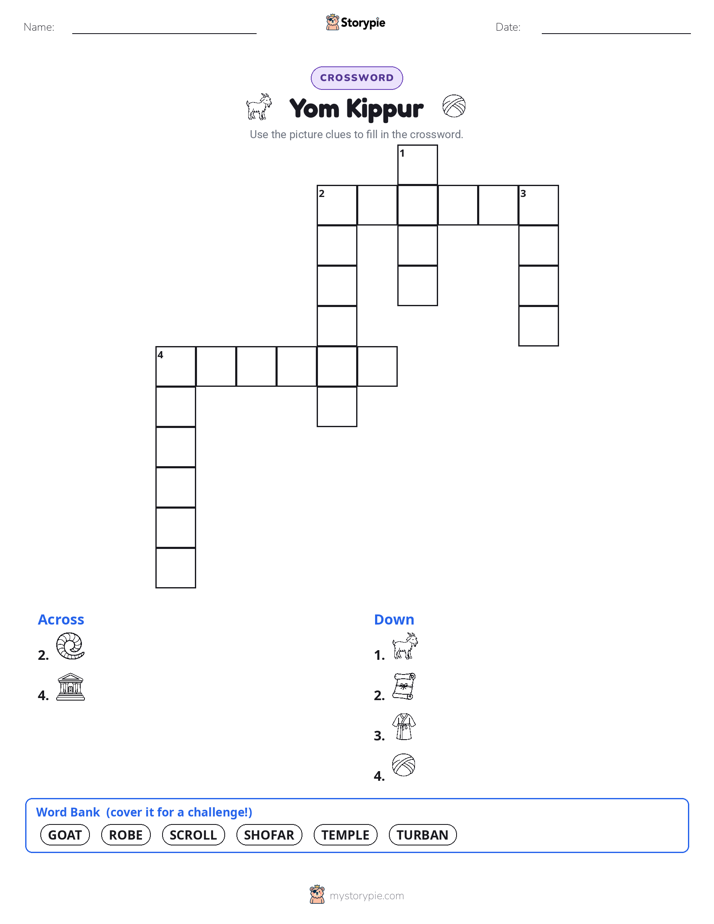
Print & create
Answer keys·No prep·Free with an account
28 worksheets · answer keys · full story · quiz · Ages 8-10 · CEFR B1
Plus adds 273,000+ more stories in 27 languages, audio for every one, and printables for all of them.
Just want Yom Kippur?
I am Yom Kippur, a name that means the “Day of Atonement.” In the Jewish faith, I am considered the holiest day of the entire year. I am not a day for loud celebrations, but for quiet thought and reflection. My purpose is to give people a special time to look back on the year that has just passed. It is an opportunity for them to think about their actions, to ask for forgiveness for any mistakes they may have made, and to make amends. Making amends means trying to fix things with other people and with God, setting things right for the year ahead.
My place in the Jewish calendar is very specific. I arrive each autumn, ten days after Rosh Hashanah, the Jewish New Year. The ten days that connect Rosh Hashanah and me are known as the Days of Awe. This is a very important period of preparation. During these days, people are encouraged to think seriously about their behavior and choices. It is a time for what is called repentance, which is feeling sorry for wrongdoing and deciding to do better. The Days of Awe build up to my arrival, making me the final, most solemn day of this entire reflective period that begins the new year.
My ancient beginnings are described in the Torah, the most sacred book of Judaism. In ancient times, my observance was very different from how it is today. All my ceremonies were focused on one central place: the great Temple in Jerusalem. A special leader called the High Priest would perform complicated and significant rituals there on behalf of all the people. For centuries, this was how my meaning was expressed and observed by the community.
My Story: Yom Kippur, the Day of Atonement
I am Yom Kippur, a name that means the “Day of Atonement.” In the Jewish faith, I am considered the holiest day of the entire year. I am not a day for loud celebrations, but for quiet thought and reflection. My purpose is to give people a special time to look back on the year that has just passed. It is an opportunity for them to think about their actions, to ask for forgiveness for any mistakes they may have made, and to make amends. Making amends means trying to fix things with other people and with God, setting things right for the year ahead.
My place in the Jewish calendar is very specific. I arrive each autumn, ten days after Rosh Hashanah, the Jewish New Year. The ten days that connect Rosh Hashanah and me are known as the Days of Awe. This is a very important period of preparation. During these days, people are encouraged to think seriously about their behavior and choices. It is a time for what is called repentance, which is feeling sorry for wrongdoing and deciding to do better. The Days of Awe build up to my arrival, making me the final, most solemn day of this entire reflective period that begins the new year.
My ancient beginnings are described in the Torah, the most sacred book of Judaism. In ancient times, my observance was very different from how it is today. All my ceremonies were focused on one central place: the great Temple in Jerusalem. A special leader called the High Priest would perform complicated and significant rituals there on behalf of all the people. For centuries, this was how my meaning was expressed and observed by the community.
However, a major event in history changed the way people observe me. The Temple in Jerusalem was destroyed, and the ceremonies led by the High Priest could no longer take place. This could have been the end of my observance, but instead, it adapted and transformed. My focus shifted from rituals in one specific building to something that could be done by communities anywhere. Prayer in local synagogues, or Jewish houses of worship, became the new center of my observance. This change meant that my traditions could continue to be passed down through generations, finding new life and meaning in communities all over the world.
One of my most well-known traditions is fasting. For about 25 hours, from the evening I begin until the following evening, many Jewish adults will not eat any food or drink any water. This is a serious commitment, and it is done for a spiritual purpose. The idea is that by turning away from physical needs like eating and drinking, a person can focus more completely on their inner self. The fast helps clear the mind for prayer and reflection. It makes the day feel distinct and separate from every other day of the year, a time set aside entirely for spiritual matters.
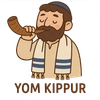
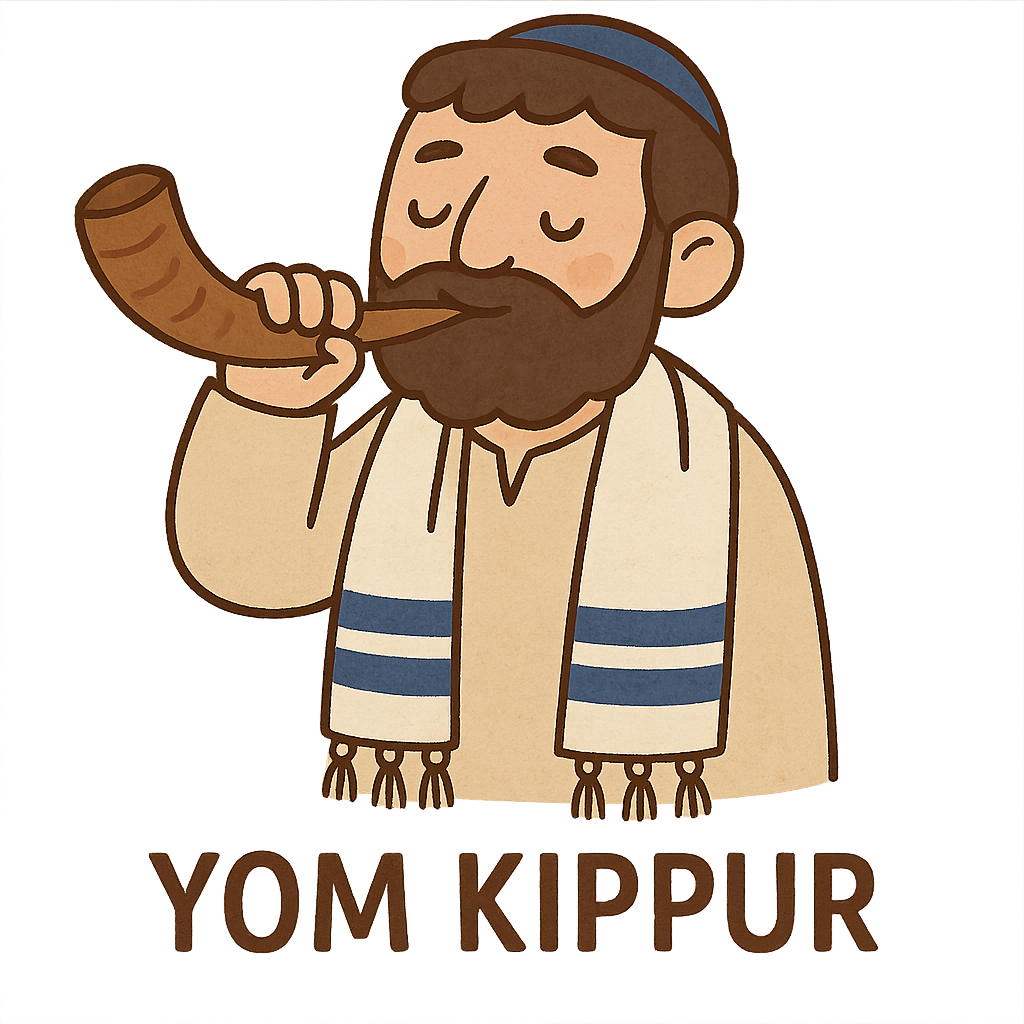
Prayer is the very heart of my observance today. Most of the day is spent in the synagogue, where special services take place from morning until night. My arrival is marked by a unique and powerful evening service called Kol Nidre. Throughout the day, the prayers and readings guide people in the process of atonement and reflection. Then, as I draw to a close, there is a final service called Ne’ilah. At the very end of this service, a single, powerful sound fills the synagogue: the blast of a shofar. A shofar is a trumpet made from a ram’s horn, and its call is a signal that the day of fasting and prayer is complete.
My conclusion is a moment of release and hope. After the final shofar blast, the solemn mood of the day lifts. The fast is officially over. Having spent the day in deep reflection and prayer, people feel ready to start the new year with a clean slate, or a fresh start. To mark this transition, families and friends often gather for a meal to break their fast. This shared meal is a gentle and happy return to daily life, a time for community connection after a day spent in personal and spiritual focus. It marks the end of the High Holy Days and the beginning of the new year in earnest.
Wow facts
About
Yom Kippur, the Day of Atonement, is the holiest day of the year in Judaism. It is traditionally observed with a 25-hour fast and intensive prayer, focusing on atonement and repentance.
Take a Quiz
Question 1 of 5
The story says Yom Kippur is a time for 'atonement.' Based on how the story explains it, what does 'atonement' most likely mean?
Want to do even more?
Go beyond exploring. Unlock tools that turn every story into real learning.

Storypie Plus for families
Full stories, quizzes, and printables. Nights and car rides, sorted.
- Unlimited audio stories
- Create Mode: your child stars in the story
- Offline downloads
- Printable worksheets & coloring pages

Why Storypie for Schools
Students engaged. Prep in seconds. Evenings back to you.
- Worksheets & Quizzes
- Classroom Management
- Formative Assessment
- Custom Curriculum & Lesson Plans
- 27 Languages

Why Storypie for Homeschool
Curriculum done. They'll ask for more. Hours back in your day.
- Worksheet Generator
- First-Person Audio Stories
- Built-in Comprehension Quizzes
- Custom Curriculum & Lesson Plans
- Print & Go Activities