English

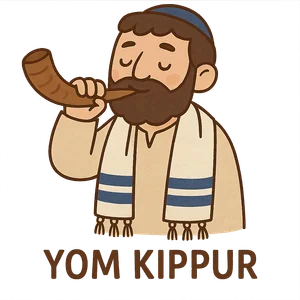
Yom Kippur
Yom Kippur, the Day of Atonement, is the holiest day of the year in Judaism.
Reads at Grades K-2 Listens at K–3
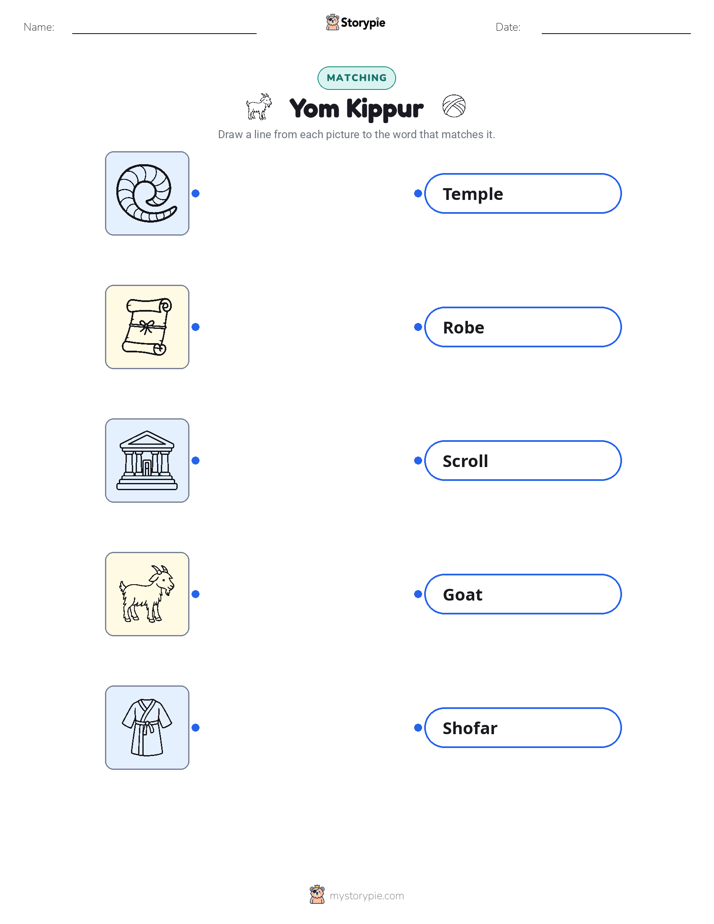
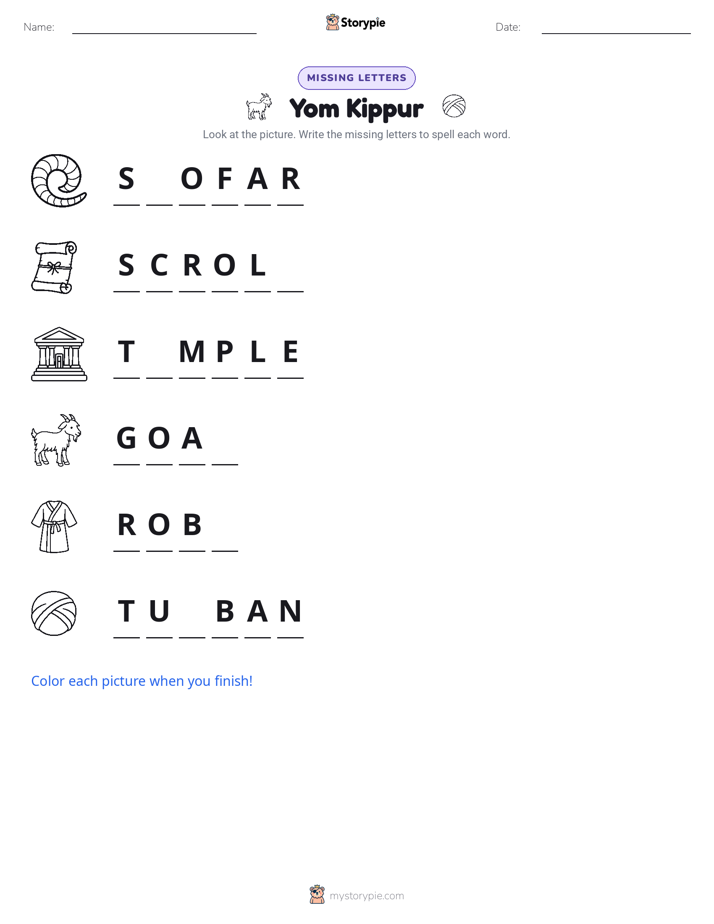
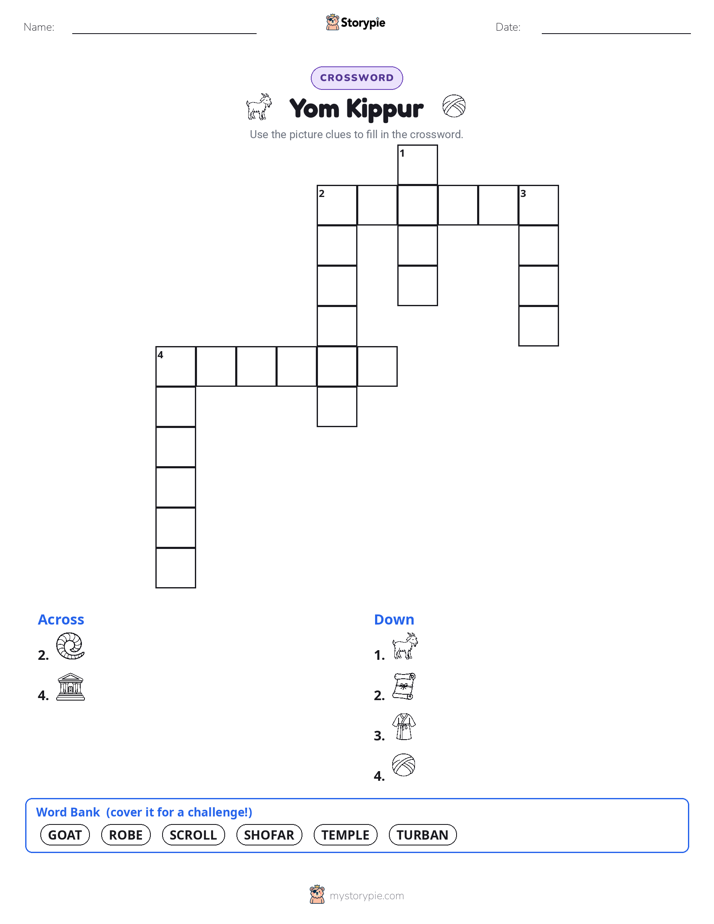
Print & create
Answer keys·No prep·Free with an account
28 worksheets · answer keys · full story · quiz · Ages 6-8 · CEFR A2
Plus adds 279,000+ more stories in 27 languages, audio for every one, and printables for all of them.
Just want Yom Kippur?
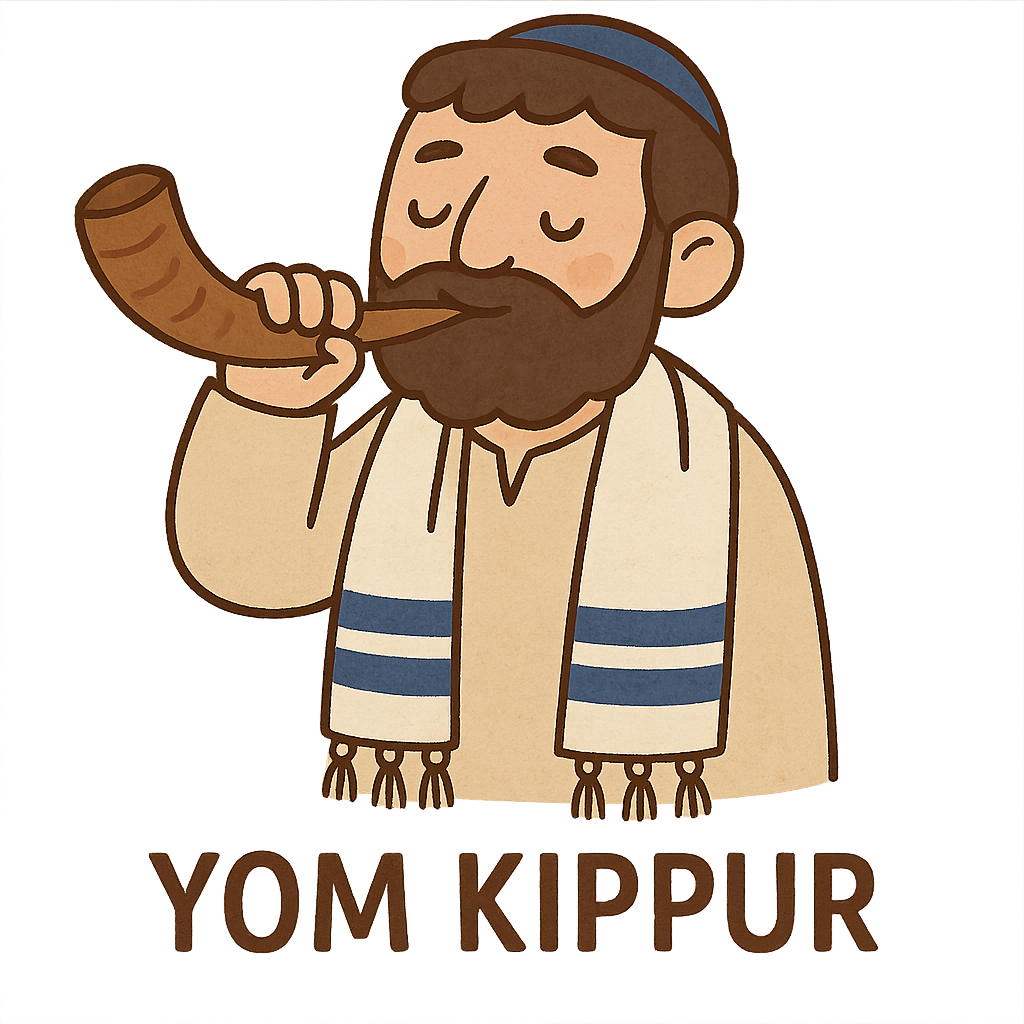
Hello, I am Yom Kippur. In the Hebrew language, my name means “Day of Atonement,” and I am the holiest day of the year in the Jewish faith. My arrival takes place ten days after Rosh Hashanah, the Jewish New Year. This ten-day period is a very special and quiet time for reflection. During these days, people are encouraged to look back on the year that has just ended. It is a chance for them to think carefully about their actions, the choices they made, and the words they said. This time of thinking prepares them for my arrival and my important purpose.
My history is very old, stretching back thousands of years to ancient Israel. The earliest descriptions of my traditions can be found in the Torah, which is the most important holy book in Judaism. In those ancient times, my observance was centered at a great Temple. The Torah explains how a High Priest would lead special ceremonies on this day. The High Priest's role was to ask for forgiveness for the entire community, helping to make things right between the people and God. Though the ancient Temple no longer exists, the heart of my observance continues. Today, Jewish people around the world observe my traditions in their synagogues and communities.
My main purpose has always been about making things right and starting over. Atonement is the idea of fixing a mistake. That’s why many people think of me as a day to say, “I'm sorry.” It is a time for people to talk to friends, family, and anyone else they may have hurt during the past year. They can apologize and try to repair their relationships. Besides making peace with other people, my observance is also a time for asking God for forgiveness. The goal for everyone is to begin the new year with a fresh start, feeling ready for the year ahead.
I Am Yom Kippur
Hello, I am Yom Kippur. In the Hebrew language, my name means “Day of Atonement,” and I am the holiest day of the year in the Jewish faith. My arrival takes place ten days after Rosh Hashanah, the Jewish New Year. This ten-day period is a very special and quiet time for reflection. During these days, people are encouraged to look back on the year that has just ended. It is a chance for them to think carefully about their actions, the choices they made, and the words they said. This time of thinking prepares them for my arrival and my important purpose.
My history is very old, stretching back thousands of years to ancient Israel. The earliest descriptions of my traditions can be found in the Torah, which is the most important holy book in Judaism. In those ancient times, my observance was centered at a great Temple. The Torah explains how a High Priest would lead special ceremonies on this day. The High Priest's role was to ask for forgiveness for the entire community, helping to make things right between the people and God. Though the ancient Temple no longer exists, the heart of my observance continues. Today, Jewish people around the world observe my traditions in their synagogues and communities.
My main purpose has always been about making things right and starting over. Atonement is the idea of fixing a mistake. That’s why many people think of me as a day to say, “I'm sorry.” It is a time for people to talk to friends, family, and anyone else they may have hurt during the past year. They can apologize and try to repair their relationships. Besides making peace with other people, my observance is also a time for asking God for forgiveness. The goal for everyone is to begin the new year with a fresh start, feeling ready for the year ahead.
People observe me in several important ways. For about 25 hours, from sunset one evening until it gets dark the next day, many Jewish adults and older children fast. Fasting means they do not eat any food or drink any water. This helps them focus their minds on prayer and thinking, rather than on their bodies. A large part of the day is spent at a synagogue, which is a Jewish house of worship. There, people gather to pray together and listen to special readings. Another custom is for people to wear white clothes. For many, the color white is a symbol of being pure and clean, like a fresh page in a new book.
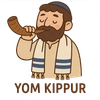
My observance comes to a close with a powerful, ancient sound. At the end of the final prayer service in the synagogue, a single, long blast is blown on a shofar. A shofar is a special instrument—a trumpet made from the hollowed-out horn of a ram. This final, loud note signals that the holy day has ended and the fast is over. After hearing the shofar, people leave the synagogue. Families and friends often gather to share a meal, breaking their fast together. It is a peaceful time, marking the end of a serious day and the beginning of a fresh, new year.
Wow facts
About
Yom Kippur, the Day of Atonement, is the holiest day of the year in Judaism. It is traditionally observed with a 25-hour fast and intensive prayer, focusing on atonement and repentance.
Take a Quiz
Question 1 of 4
What does the name 'Yom Kippur' mean?
Want to do even more?
Go beyond exploring. Unlock tools that turn every story into real learning.

Storypie Plus for families
Full stories, quizzes, and printables. Nights and car rides, sorted.
- Unlimited audio stories
- Create Mode: your child stars in the story
- Offline downloads
- Printable worksheets & coloring pages

Why Storypie for Schools
Students engaged. Prep in seconds. Evenings back to you.
- Worksheets & Quizzes
- Classroom Management
- Formative Assessment
- Custom Curriculum & Lesson Plans
- 27 Languages

Why Storypie for Homeschool
Curriculum done. They'll ask for more. Hours back in your day.
- Worksheet Generator
- First-Person Audio Stories
- Built-in Comprehension Quizzes
- Custom Curriculum & Lesson Plans
- Print & Go Activities