English

Yom Kippur
Yom Kippur, the Day of Atonement, is the holiest day of the year in Judaism.
Reads at Grades 6–8 Listens at Grades 4–8
Print & create
Answer keys·No prep·Free with an account
28 worksheets · answer keys · full story · quiz · Ages 10-12 · CEFR B2
Plus adds 279,000+ more stories in 27 languages, audio for every one, and printables for all of them.
Just want Yom Kippur?
I am Yom Kippur, which means ‘Day of Atonement’ in Hebrew. I am considered the holiest day of the year in Judaism. My observance concludes a special period known as the 'Ten Days of Repentance,' which begins with Rosh Hashanah, the Jewish New Year. This period is a focused time for people to look back on the past year. It provides an opportunity for personal reflection, a time to sincerely seek forgiveness for mistakes, and a chance to mend and repair relationships with other people and with God. My purpose is solemn and deeply meaningful, centered on renewal and making amends.
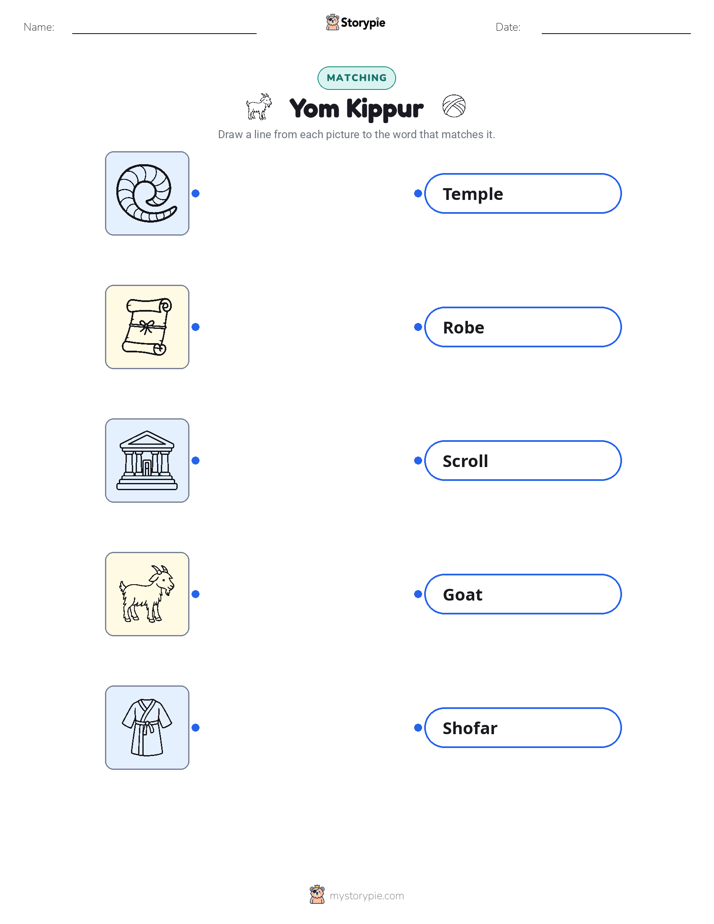
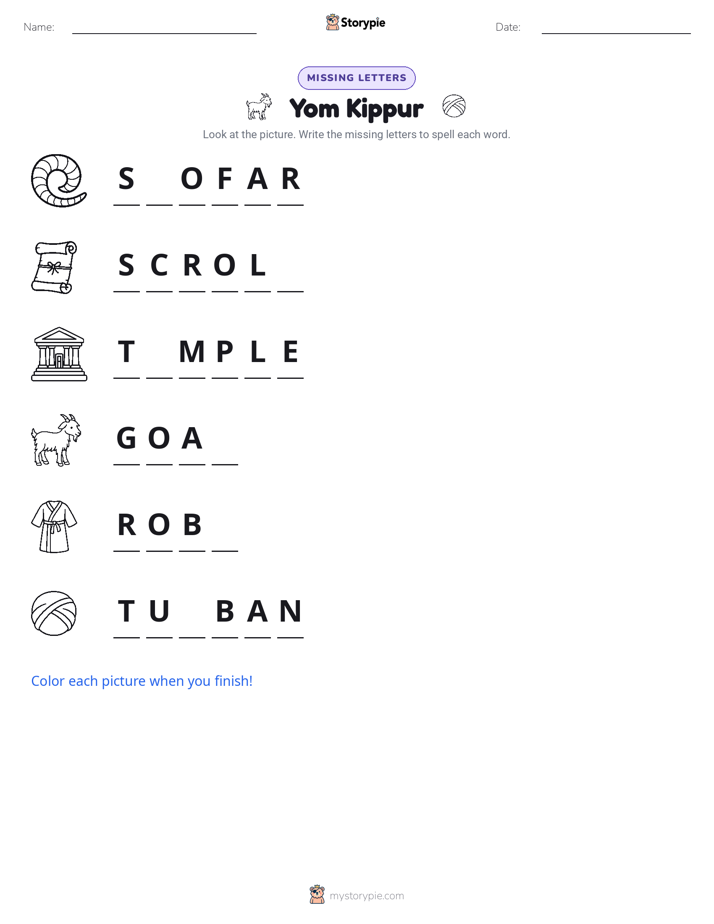
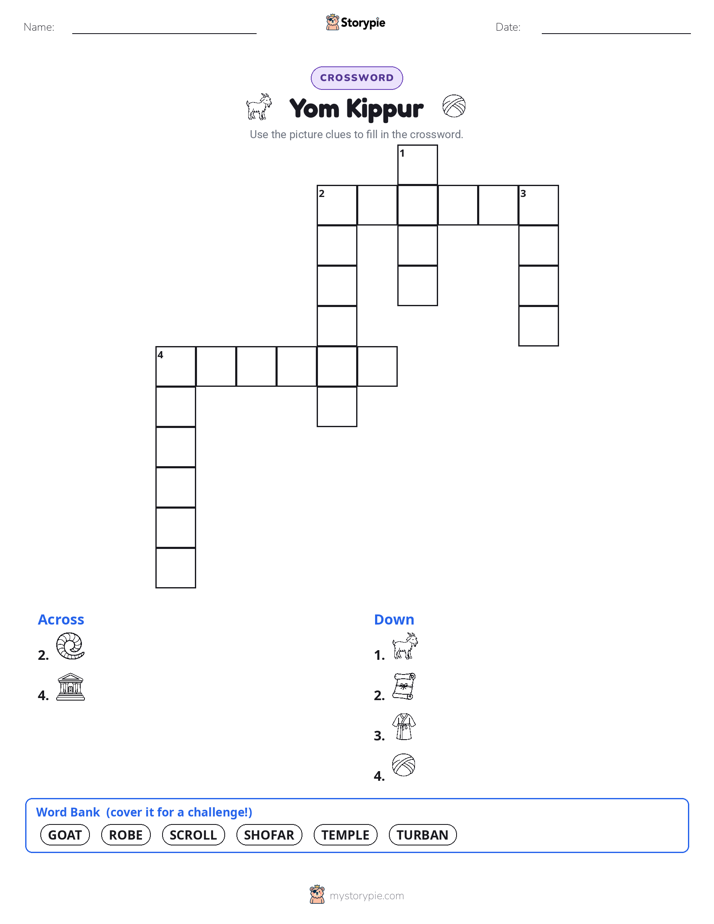
My first instructions are found in the Torah, specifically in the book of Leviticus. These ancient texts describe how I was observed during the time of the Temple in Jerusalem. In that era, a High Priest was central to my rituals. He would perform a series of special ceremonies designed to atone for the sins of the entire Israelite community. My day was unique because it was the only time all year that the High Priest was permitted to enter the most sacred part of the Temple, a chamber called the Holy of Holies. A key part of the ancient ritual involved a 'scapegoat,' a goat that symbolically carried the sins of the people away into the desert, representing the removal of the community's transgressions.
People observe me each year according to the Hebrew calendar, a calendar based on the cycles of both the moon and the sun. My date is fixed on that calendar as the 10th day of the month of Tishrei. Because the Hebrew calendar and the common Gregorian calendar are structured differently, my date on the Gregorian calendar shifts annually. I usually arrive sometime in September or October. My observance is not just a single day from midnight to midnight; it is a continuous period that lasts for about 25 hours, beginning just before sunset on one evening and concluding after nightfall the following day.
Yom Kippur: The Day of Atonement
I am Yom Kippur, which means ‘Day of Atonement’ in Hebrew. I am considered the holiest day of the year in Judaism. My observance concludes a special period known as the 'Ten Days of Repentance,' which begins with Rosh Hashanah, the Jewish New Year. This period is a focused time for people to look back on the past year. It provides an opportunity for personal reflection, a time to sincerely seek forgiveness for mistakes, and a chance to mend and repair relationships with other people and with God. My purpose is solemn and deeply meaningful, centered on renewal and making amends.
My first instructions are found in the Torah, specifically in the book of Leviticus. These ancient texts describe how I was observed during the time of the Temple in Jerusalem. In that era, a High Priest was central to my rituals. He would perform a series of special ceremonies designed to atone for the sins of the entire Israelite community. My day was unique because it was the only time all year that the High Priest was permitted to enter the most sacred part of the Temple, a chamber called the Holy of Holies. A key part of the ancient ritual involved a 'scapegoat,' a goat that symbolically carried the sins of the people away into the desert, representing the removal of the community's transgressions.
People observe me each year according to the Hebrew calendar, a calendar based on the cycles of both the moon and the sun. My date is fixed on that calendar as the 10th day of the month of Tishrei. Because the Hebrew calendar and the common Gregorian calendar are structured differently, my date on the Gregorian calendar shifts annually. I usually arrive sometime in September or October. My observance is not just a single day from midnight to midnight; it is a continuous period that lasts for about 25 hours, beginning just before sunset on one evening and concluding after nightfall the following day.
The most widely known way people observe me is by fasting. For the full 25 hours of my observance, Jewish adults who are healthy enough do not eat or drink anything, including water. This practice is not meant as a punishment. Rather, the physical act of fasting helps people detach from their everyday physical needs and distractions, allowing them to focus their minds more completely on prayer, reflection, and other spiritual matters. Along with fasting, other traditions support this theme of humility. For example, some people refrain from wearing leather shoes, which were historically seen as a luxury, as another way to set the day apart as one of solemn introspection.
A great deal of my 25-hour duration is dedicated to prayer, and many people spend a large part of the day at a synagogue. In fact, there are more special prayer services scheduled for me than for any other day in the Jewish year. The very beginning of my observance is marked by the chanting of a specific prayer called Kol Nidre, which asks for release from vows. Another custom is the clothing people wear. Many choose to dress in white for synagogue services. The color white is used to symbolize concepts of spiritual purity and the idea of a fresh start or renewal, which are central themes of my observance.
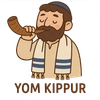
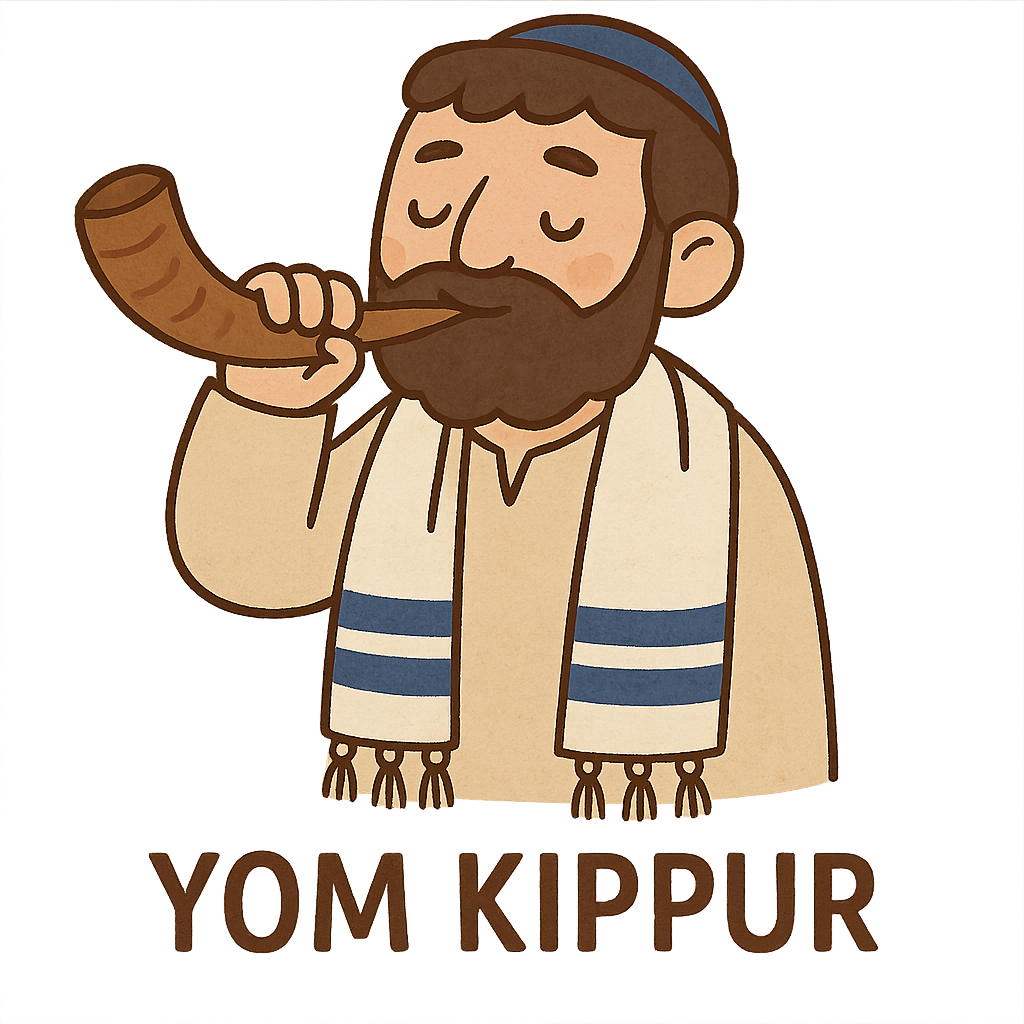
My conclusion is marked by a powerful and ancient sound. After the final prayer service, known as Neilah, has been recited, a single, long blast is blown on a shofar, which is a ram’s horn. This final, piercing note echoes through the synagogue, signaling that the day of fasting, prayer, and atonement has come to an end. It provides a definitive sense of closure, announcing that the spiritual journey of the day is complete. For the community, this sound can bring a feeling of release and hope, marking the end of the fast and the beginning of a fresh start for the year ahead.
Today, my core traditions continue to be practiced by Jewish people all over the world. They observe me through the ancient practices of fasting, spending time in prayer, and engaging in quiet, personal reflection. Preparation is also important. The day before I begin, families often gather for a festive meal, which is the last one eaten before the fast starts. Then, after the final shofar blast announces my conclusion, the fast is broken. It is a common tradition for families and friends to come together to share this first meal. This act of gathering reinforces the bonds of community and brings my ancient themes of forgiveness, renewal, and togetherness into the present day.
Wow facts
About
Yom Kippur, the Day of Atonement, is the holiest day of the year in Judaism. It is traditionally observed with a 25-hour fast and intensive prayer, focusing on atonement and repentance.
Take a Quiz
Question 1 of 5
In your own words, what is the main purpose of Yom Kippur?
Want to do even more?
Go beyond exploring. Unlock tools that turn every story into real learning.

Storypie Plus for families
Full stories, quizzes, and printables. Nights and car rides, sorted.
- Unlimited audio stories
- Create Mode: your child stars in the story
- Offline downloads
- Printable worksheets & coloring pages

Why Storypie for Schools
Students engaged. Prep in seconds. Evenings back to you.
- Worksheets & Quizzes
- Classroom Management
- Formative Assessment
- Custom Curriculum & Lesson Plans
- 27 Languages

Why Storypie for Homeschool
Curriculum done. They'll ask for more. Hours back in your day.
- Worksheet Generator
- First-Person Audio Stories
- Built-in Comprehension Quizzes
- Custom Curriculum & Lesson Plans
- Print & Go Activities