English

Battery Charger
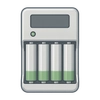
A device that passes an electric current into a secondary cell or rechargeable battery to restore its stored…
Reads at Grades 6–8 Listens at Grades 4–8
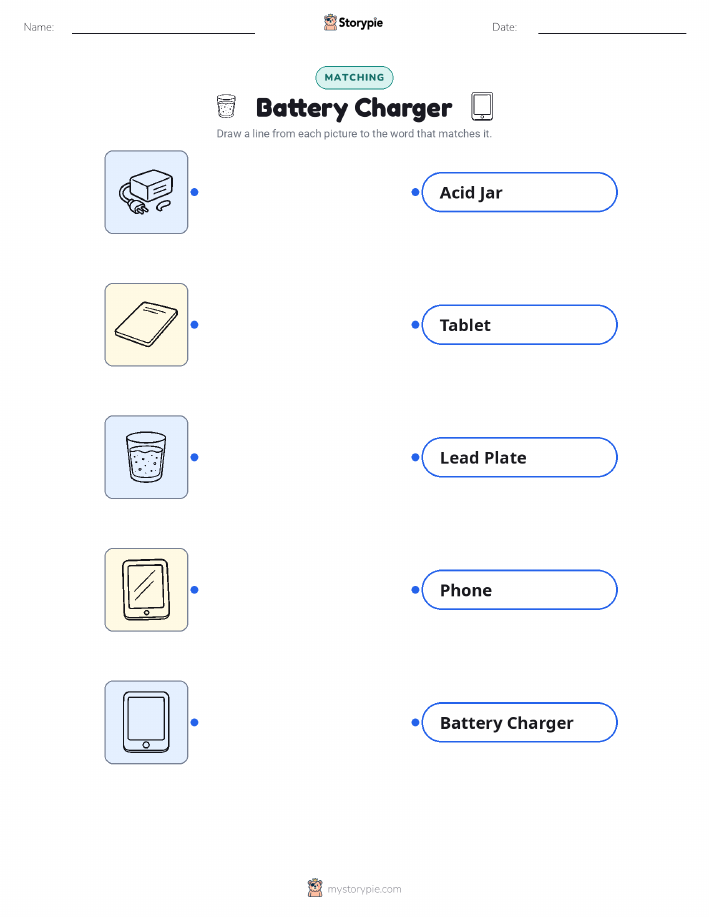
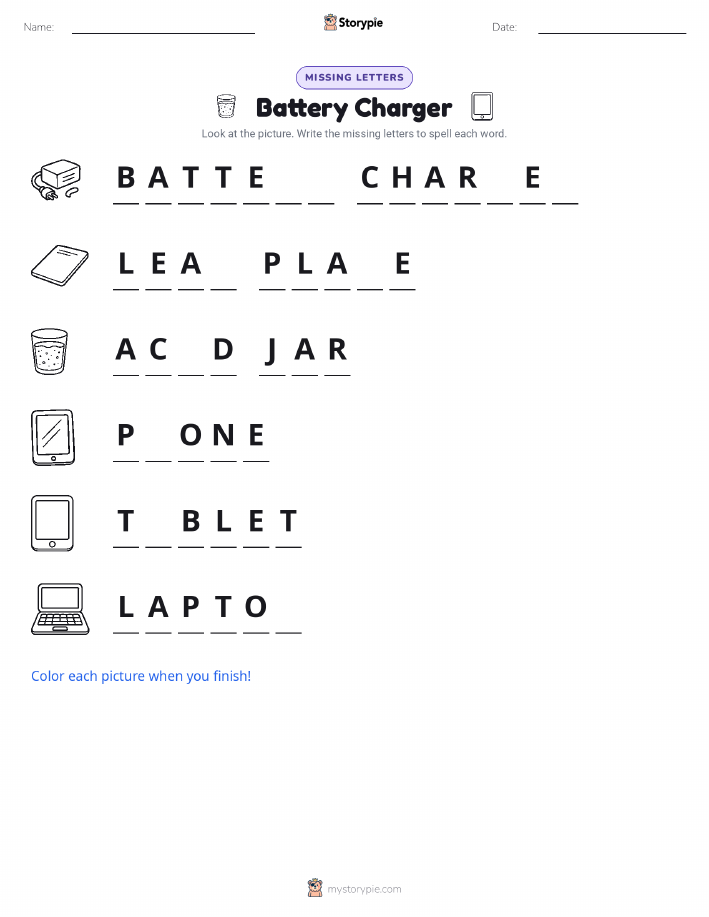
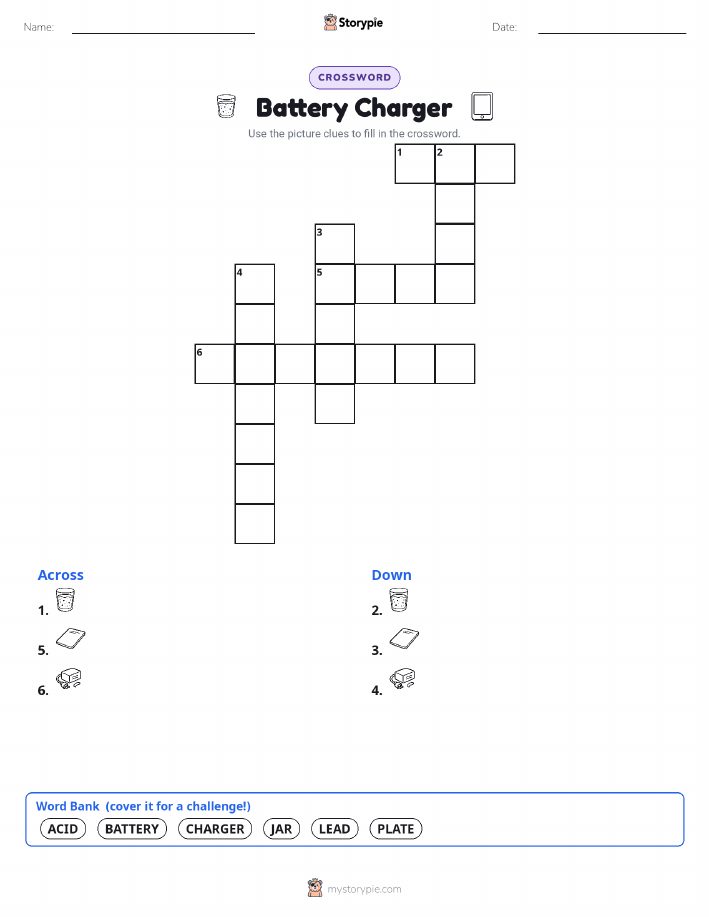
Print & create
Answer keys·No prep·Free with an account
28 worksheets · answer keys · full story · quiz · Ages 10-12 · CEFR B2
Plus adds 279,000+ more stories in 27 languages, audio for every one, and printables for all of them.
Just want Battery Charger?
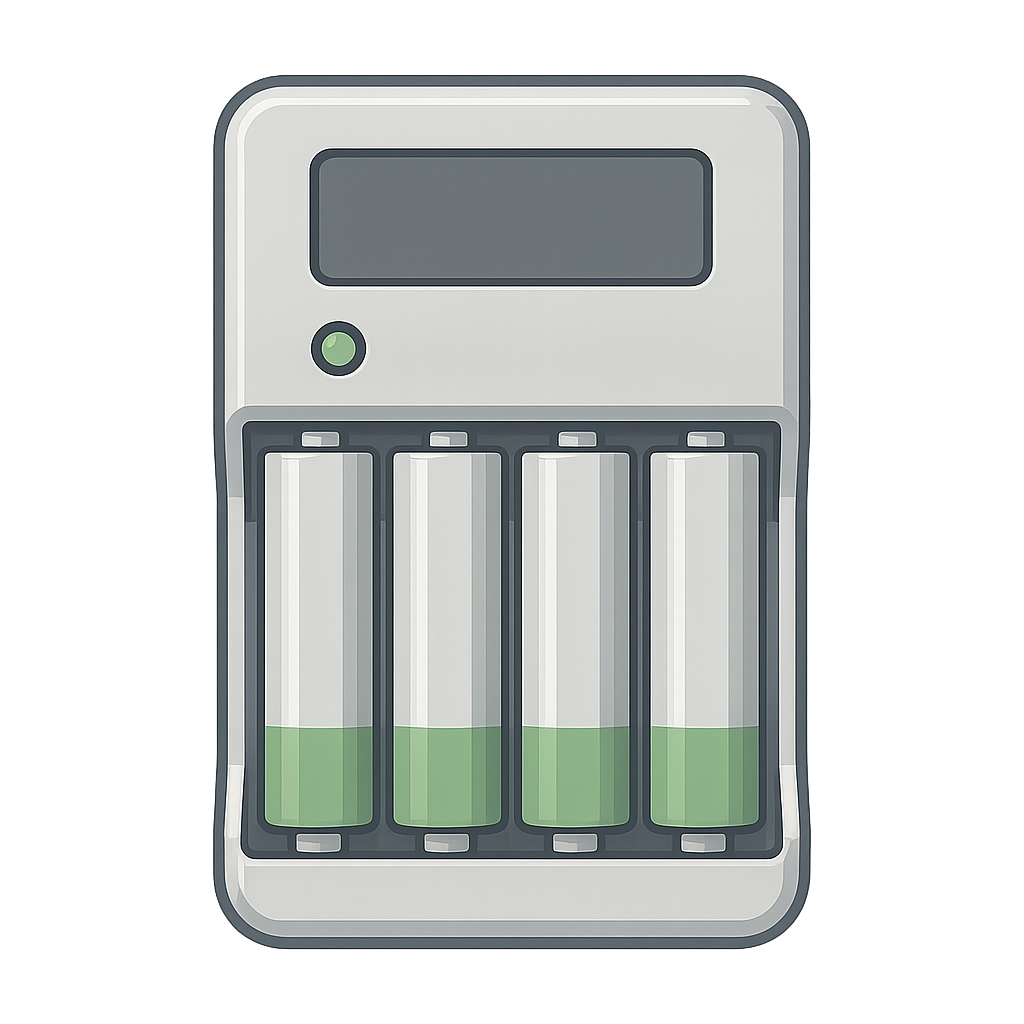
Hello. You probably don’t think about me much. I’m the quiet, unassuming box you plug into the wall, the one you reach for in a near-panic when the screen on your phone, tablet, or laptop fades to black. My name is the Battery Charger, and I am the humble device that brings your most important gadgets back to life. Before you knew me, the world was a very different, and much more wasteful, place. Imagine a world where every battery was a one-time-use affair. Once its stored energy was gone, it was tossed away, destined for a landfill. Every flashlight, every portable radio, every single battery-powered toy would need a constant supply of new, disposable power cells. It was inconvenient, expensive, and created mountains of waste. The very idea of a portable world, one where you could carry your technology with you, was limited by how many single-use batteries you could carry. My purpose, my very reason for being, was to change all that. I was created to give energy back, to reverse the flow and refill what was empty. I make things reusable, reliable, and ready for adventure. I am the power-upper, the life-giver to the tools that connect your world.
My story doesn't begin with a sleek plastic case or a tangle of USB cables. It begins with an idea, a spark of scientific curiosity in the mid-19th century. The year was 1859, and in a laboratory in Paris, a brilliant French physicist named Gaston Planté was experimenting with electricity. The world was buzzing with new discoveries, and Gaston was fascinated by how to store electrical energy. He created the very first practical rechargeable battery, a clever design using lead plates submerged in acid. He watched as his battery powered a small device, its chemical energy slowly converting into electrical current until it was spent. But Gaston was not satisfied. He wondered if the process could be undone. On one fateful day, he decided to force an electrical current back into his depleted battery. He watched, filled with anticipation, as the chemistry inside began to reverse itself. The energy that had been used up was flowing back in, restoring the battery to its former strength. That process, that revolutionary moment of reversing the flow of energy, was my true birth. I wasn't a separate object yet, but a concept. I was the very act of recharging, an idea that proved energy didn't have to be a one-way street. I was the promise of a second life, a third, and a thousand more after that, all born from one man's refusal to accept that ‘empty’ had to be the end.
The Story of the Battery Charger
Hello. You probably don’t think about me much. I’m the quiet, unassuming box you plug into the wall, the one you reach for in a near-panic when the screen on your phone, tablet, or laptop fades to black. My name is the Battery Charger, and I am the humble device that brings your most important gadgets back to life. Before you knew me, the world was a very different, and much more wasteful, place. Imagine a world where every battery was a one-time-use affair. Once its stored energy was gone, it was tossed away, destined for a landfill. Every flashlight, every portable radio, every single battery-powered toy would need a constant supply of new, disposable power cells. It was inconvenient, expensive, and created mountains of waste. The very idea of a portable world, one where you could carry your technology with you, was limited by how many single-use batteries you could carry. My purpose, my very reason for being, was to change all that. I was created to give energy back, to reverse the flow and refill what was empty. I make things reusable, reliable, and ready for adventure. I am the power-upper, the life-giver to the tools that connect your world.
My story doesn't begin with a sleek plastic case or a tangle of USB cables. It begins with an idea, a spark of scientific curiosity in the mid-19th century. The year was 1859, and in a laboratory in Paris, a brilliant French physicist named Gaston Planté was experimenting with electricity. The world was buzzing with new discoveries, and Gaston was fascinated by how to store electrical energy. He created the very first practical rechargeable battery, a clever design using lead plates submerged in acid. He watched as his battery powered a small device, its chemical energy slowly converting into electrical current until it was spent. But Gaston was not satisfied. He wondered if the process could be undone. On one fateful day, he decided to force an electrical current back into his depleted battery. He watched, filled with anticipation, as the chemistry inside began to reverse itself. The energy that had been used up was flowing back in, restoring the battery to its former strength. That process, that revolutionary moment of reversing the flow of energy, was my true birth. I wasn't a separate object yet, but a concept. I was the very act of recharging, an idea that proved energy didn't have to be a one-way street. I was the promise of a second life, a third, and a thousand more after that, all born from one man's refusal to accept that ‘empty’ had to be the end.
For many decades, I was a simple creature, mostly serving my lead-acid battery cousins that powered early telegraph systems and the first automobiles. My job was straightforward: push electricity back in. But as the 20th century progressed, technology began to shrink, and the demand for smaller, more powerful batteries grew. This is when my life became much more interesting. The most significant change for me arrived in the 1970s and 1980s. A team of brilliant scientists—M. Stanley Whittingham, John B. Goodenough, and Akira Yoshino—collaborated across continents and years to develop something incredible: the lithium-ion battery. This new type of battery was lightweight, powerful, and could hold a massive amount of energy in a tiny space. It was the key to unlocking the world of portable electronics we know today. However, these new batteries were also more sensitive and complex. They couldn't be overcharged, or they could be damaged. They needed a more intelligent partner. So, I had to evolve. I was given a brain, a tiny microchip that could communicate with the battery. This allowed me to monitor its temperature, voltage, and charge level. I learned when to send a powerful surge of energy and when to trickle in the last few percent. I could automatically shut off when the battery was full, protecting it from harm. I became smarter, safer, and faster, transforming from a simple power-pusher into a sophisticated energy manager, ready to partner with the devices that would soon change the world.
Today, I am everywhere, working silently to keep your world running. I am the sleek adapter for your laptop, the charging dock for your wireless earbuds, and the powerful station that refuels an electric car overnight. I am in hospitals, ensuring that vital medical equipment always has power. My role has become more critical than ever, and it extends beyond your personal gadgets. My most important new job is helping to build a sustainable future for our planet. When the sun is shining brightly, solar panels generate a huge amount of clean electricity. When the wind is blowing fiercely, wind turbines do the same. But what happens when it’s dark or the air is still? That’s where I come in. I help manage the process of charging massive batteries with that renewable energy, storing it so it can be used whenever it's needed. I am helping to create a reliable power grid that doesn't depend on fossil fuels. From a simple idea born in a Paris lab in 1859 to powering the clean energy revolution of the 21st century, my journey is a testament to the power of perseverance and ingenuity. The simple idea of giving something a second chance, of recharging and renewing, continues to power our world and build a brighter future, one charge at a time.
Wow facts
About
A device that passes an electric current into a secondary cell or rechargeable battery to restore its stored energy, enabling the battery to be used multiple times.
Take a Quiz
Question 1 of 5
In your own words, retell the story of how the battery charger was invented and how it has changed over time.
Explore next





Want to do even more?
Go beyond exploring. Unlock tools that turn every story into real learning.

Storypie Plus for families
Full stories, quizzes, and printables. Nights and car rides, sorted.
- Unlimited audio stories
- Create Mode: your child stars in the story
- Offline downloads
- Printable worksheets & coloring pages

Why Storypie for Schools
Students engaged. Prep in seconds. Evenings back to you.
- Worksheets & Quizzes
- Classroom Management
- Formative Assessment
- Custom Curriculum & Lesson Plans
- 27 Languages

Why Storypie for Homeschool
Curriculum done. They'll ask for more. Hours back in your day.
- Worksheet Generator
- First-Person Audio Stories
- Built-in Comprehension Quizzes
- Custom Curriculum & Lesson Plans
- Print & Go Activities